Autumn, or fall, is the garden's second great season after spring. The soil still holds summer's warmth and the first rains help new plants root, so from September to November the winter vegetable garden is set up, spring bulbs, winter bedding, evergreen trees and shrubs are planted, and lawns are sown. At the same time, summer plants are cleared, fallen leaves become compost, watering is reduced, pruning stays light, and tender plants are prepared for the cold. This checklist covers the jobs month by month, what to do in each part of the garden and on the balcony, and the mistakes worth avoiding.
Autumn garden jobs month by month
| Month | Planting and sowing | Care and maintenance |
| September | Leafy greens, seedlings of cabbage, broccoli and cauliflower, herbs, strawberries, the first bulbs, pansies, lawn sowing and overseeding | Deadheading, dividing perennials, enriching beds with compost |
| October | Garlic, broad beans, peas, onion sets, most bulbs, cyclamen and chrysanthemums, evergreen trees and shrubs, perennial herbs | Clearing summer crops, cutting back watering, light pruning, raking leaves |
| November | The last garlic and broad beans, tulips, pansies, container-grown trees and the start of bare-root planting | Leaf compost, mulching, cold protection, tool and hose maintenance |
These dates are for a Mediterranean climate and shift with the region. On warm coasts and islands the soil stays warm for longer, while in cooler and upland areas planting is finished earlier, before the first frosts. In cold-winter climates, most jobs move a month or more earlier. Month-by-month detail is in what to plant in September and what to plant in October.
The vegetable garden
Autumn is when the winter vegetable garden is set up. Leafy crops such as spinach, arugula and kale are sown or transplanted from September.
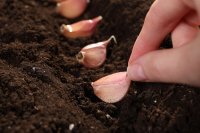
Garlic and broad beans go in mainly in October and November.
Summer crops that have finished, such as tomatoes, peppers and courgettes, are pulled out. Healthy debris goes on the compost heap, while diseased plants are removed so they do not carry disease into next year. Beds left empty until spring are protected with mulch or a cover crop, which keeps the soil covered and enriches it. Autumn is also a good time for a soil test, so that next spring's feeding is based on the results.
Flowers and bulbs
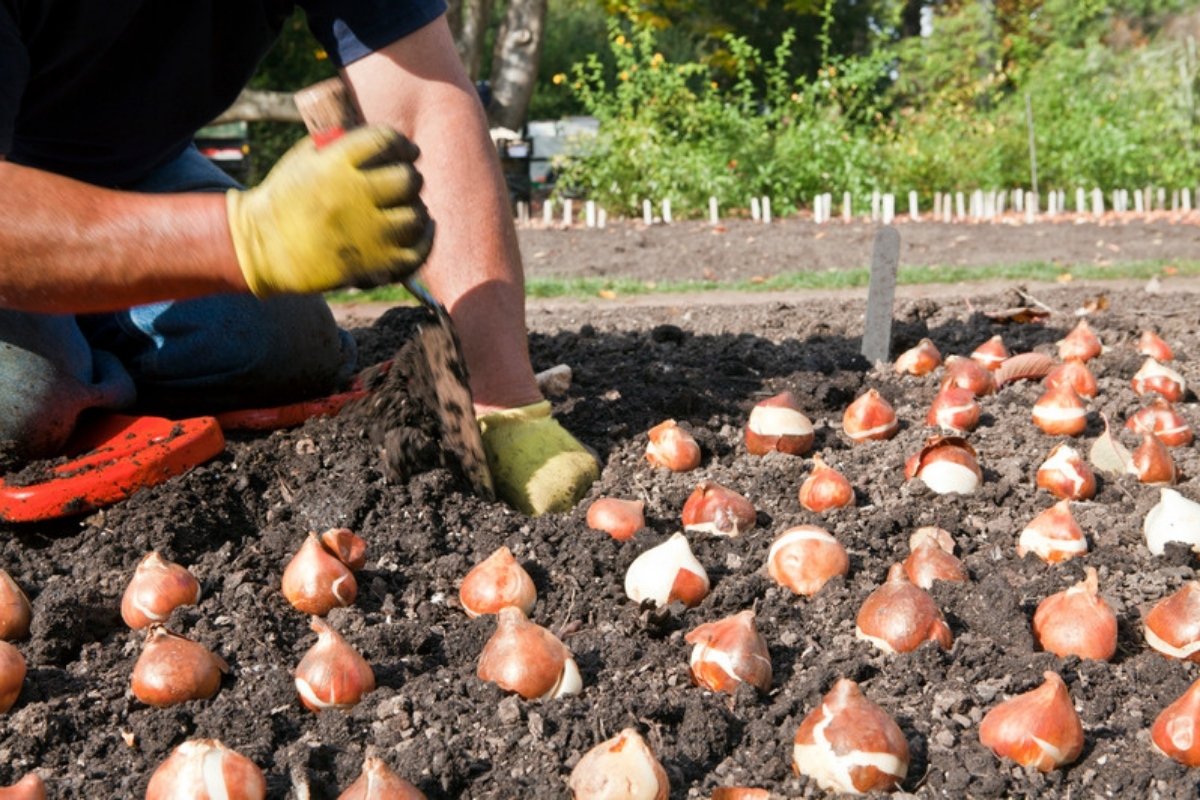
The big flower job of autumn is planting autumn bulbs, from September to November, for flowers from late winter through spring. Summer bedding gives way to winter bedding, with pansies and cyclamen filling beds and window boxes.
Chrysanthemums peak in October. In colder areas, dahlia and gladiolus tubers and corms are lifted after the first frost and stored somewhere cool and dry until spring.
Trees and shrubs for hedges
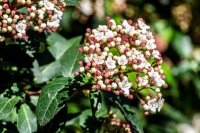
Autumn is the best planting season for most evergreen trees and shrubs, because winter rain helps roots establish before the first summer. In October and November, evergreen hedging shrubs such as pittosporum, photinia and viburnum are planted, along with container-grown trees. Bare-root deciduous trees are planted once their leaves have fallen, from late autumn and through winter.
Autumn pruning is light. Dead, broken and diseased branches are removed, and hedges and herbs get a gentle shaping. Heavy pruning of deciduous trees waits until the leaves fall, and the main rose pruning takes place at the end of winter. In olive groves and garden olive trees, autumn is also the olive harvest season.
The lawn
September is the best month of the year for sowing and overseeding a lawn, and in warm areas sowing continues into early October while the soil holds its warmth. Patches damaged over summer are overseeded, and fallen leaves are raked off regularly, because left lying for long they block light from the grass.
The balcony and containers
On the balcony, window boxes fill with winter flowers and bulbs, and leafy vegetables do well in pots 20 cm deep. Tender plants in pots are moved to a sheltered spot, close to a wall and out of cold winds, before the first frosts, while the most tender spend winter indoors. Terracotta pots left outside with wet compost can crack in frost, so they are emptied or moved under cover.
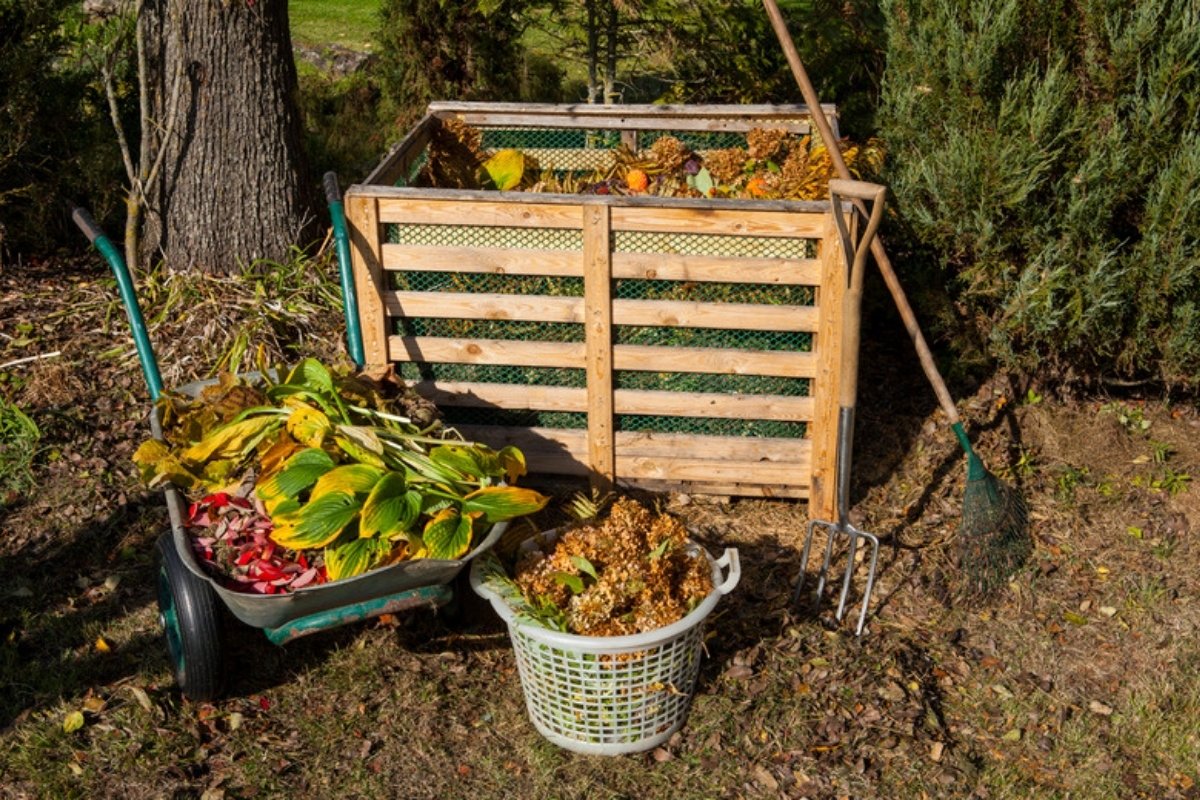
Fallen leaves and healthy garden debris go into the compost, while diseased material stays out
Fallen leaves become compost and mulch
Fallen leaves are a valuable garden material. Piled up or bagged, they turn into leaf mould within one or two years, while mixed with green material they go into the compost. Leaves from diseased plants stay out of the compost.
From late autumn to late winter, a layer of mulch about 5 cm deep, of compost, leaves or pine bark, protects roots from cold, holds moisture and suppresses weeds. Not everything needs tidying, though. Leaving some dead stems and seed heads standing through winter gives shelter to beneficial insects and food to birds.
Getting the garden ready for winter
As autumn rains return, watering is reduced and automatic systems are adjusted, so plants are not left standing in water. Before the frosts, hoses are drained and stored and outdoor taps are insulated. Tools are cleaned, sharpened and oiled before storage, ready for spring.
For cold protection, nitrogen feeding stops well before the first frosts, because soft new growth is easily damaged. Tender garden plants are protected with mulch around their base and, when frost is forecast, with frost fleece.
What not to do in autumn
- Heavy pruning before leaf fall: large cuts do not have time to close before the cold
- Pruning plants that flower in winter or spring: autumn pruning removes buds that are already forming
- Late nitrogen feeding: it produces soft growth that frost damages
- Diseased debris in the compost: it carries disease into next year
- Planting in waterlogged or frozen soil: roots struggle to establish
- Watering as in summer: with the rains, excess water rots roots
Frequently asked questions
What should I do in the garden in autumn
Plant the winter vegetable garden, bulbs, winter flowers and evergreen shrubs, sow or overseed the lawn, clear summer crops, prune lightly, compost fallen leaves, reduce watering and protect tender plants from the cold.
What should I plant in the fall
Leafy greens and brassicas, garlic, broad beans and peas, herbs, spring bulbs, pansies and cyclamen, and evergreen trees and shrubs.
What should you not plant in the fall
Frost-tender summer crops and bedding, such as tomatoes, peppers, basil and most summer annuals, which will not survive the cold. Evergreens are best planted early enough to root before the first frosts.
What do I do with fallen leaves
Turn them into leaf mould in a pile or bags, add them to the compost with green material, or use them as mulch. Leaves from diseased plants are removed.
When should potted plants come inside
Before the first frosts. Tender plants are moved to a sheltered spot or indoors, earlier in cooler and upland areas.
When should I sow grass seed in the fall
September is the best month, and in warm areas sowing continues into early October while the soil is still warm.
References
- Royal Horticultural Society, September gardening jobs.
- Royal Horticultural Society, October gardening jobs.
- Royal Horticultural Society, November gardening jobs.
- Royal Horticultural Society, Mulches and mulching.