









Cash crops are agricultural products grown specifically for sale in commercial markets rather than for the farmer's own consumption. They include cereals, oilseeds, fibers, beverages, fruits, vegetables, and specialty products such as spices and medicinal plants. The total value of global primary crop production reached $2.9 trillion in 2022, a 59% increase since 2000, with the vast majority of this output destined for commercial sale (FAO, 2024).
The distinction between cash crops and subsistence crops is not always about the crop itself. Maize is a cash crop when grown on a commercial farm in Iowa for export, and a subsistence crop when grown by a smallholder in Malawi to feed her family. What makes a crop a "cash crop" is the intent behind its cultivation: production for market sale and profit rather than household food needs.
What is a cash crop?
A cash crop is any agricultural product cultivated primarily to generate income through sale, export, or industrial processing. The term distinguishes these crops from those grown for a farmer's own consumption or for animal feed on the same farm, which are classified under subsistence agriculture.
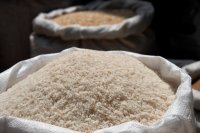
Cash crops can be annual (planted and harvested within one growing season, such as wheat, maize, cotton, and soybeans) or perennial (producing over multiple years, such as coffee, cocoa, tea, oil palm, and fruit trees). Some crops serve dual purposes. Rice, for instance, is a staple food crop consumed by billions of people but is also a major cash crop generating export revenue for countries like Thailand, Vietnam, and India. The classification depends on the production context, not the biological characteristics of the plant.
How do cash crops differ from subsistence crops?
The distinction between cash and subsistence crops reflects a difference in farming philosophy and economic orientation, not necessarily a difference in species. A farmer growing wheat to sell at market is producing a cash crop. A farmer growing the same wheat variety to feed the household is producing a subsistence crop.
In practice, the differences show up in scale, inputs, and market access. Cash crop farming typically involves larger planted areas, higher use of purchased inputs (fertilizer, pesticides, improved seed), mechanization, and formal market channels (contracts with buyers, commodity exchanges, export infrastructure). Subsistence farming operates on smaller plots, relies more on family labor and saved seed, and prioritizes food self-sufficiency. Many smallholder farmers operate somewhere between these two extremes, growing both food crops for household use and a cash crop (such as cotton, coffee, or cocoa) for income. This mixed approach is common across sub-Saharan Africa, South Asia, and Southeast Asia.
What are the main categories of cash crops?
Cash crops span a wide range of products. The major categories, with their global production volumes from 2022 FAO data, are:
Cereal grains dominated global production at 3.17 billion tonnes (33% of total). Maize led with 1.2 billion tonnes, followed by wheat and rice at approximately 800 million tonnes each. Growing corn for profit remains one of the most common entry points for commercial grain farming worldwide.
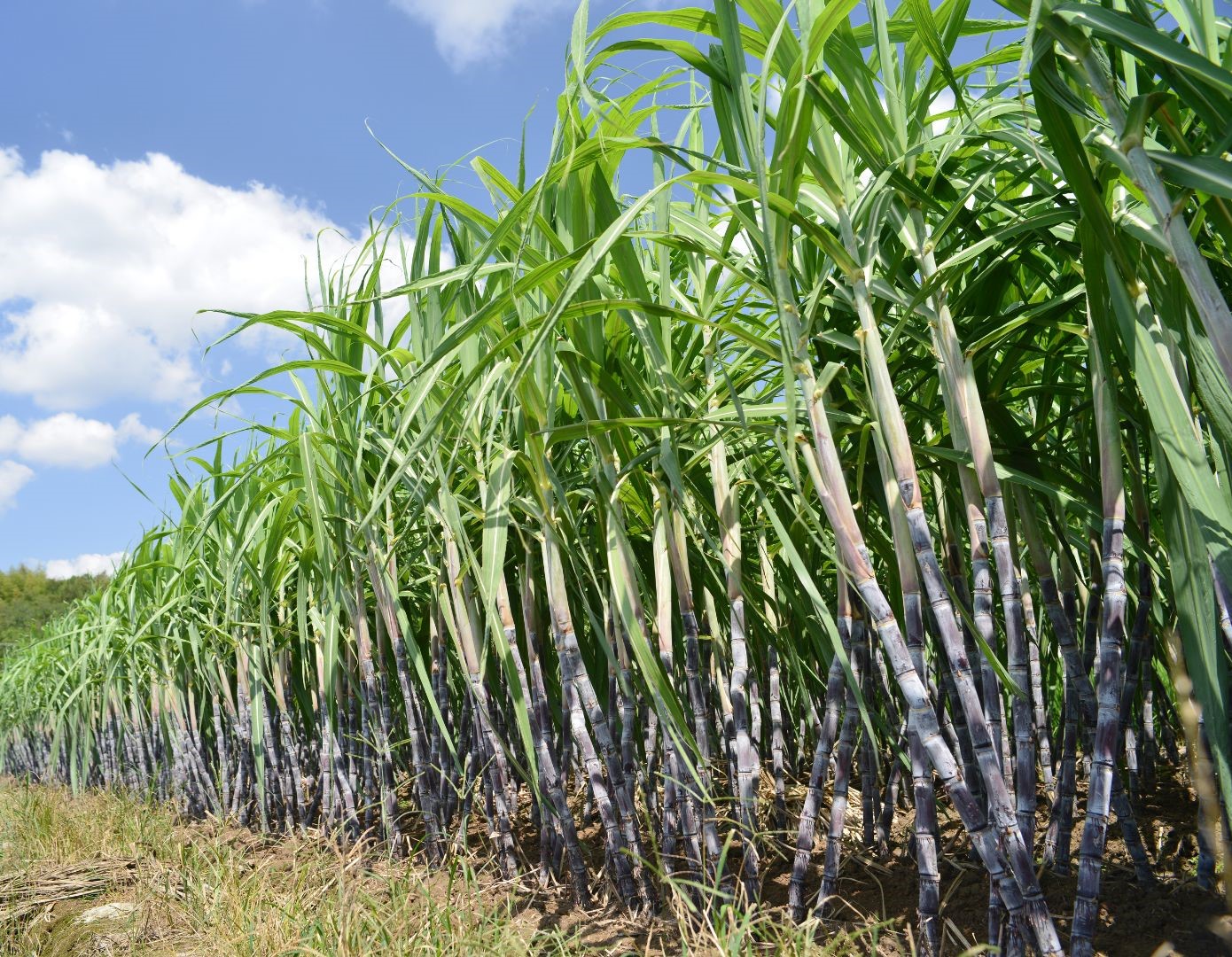
Sugar crops were the second-largest category at 2.21 billion tonnes (23% of total volume). Sugarcane alone reached 1.9 billion tonnes, making it the single most produced crop globally by weight. Despite this volume, sugar crops accounted for only 3% of total production value due to relatively low prices.
Oilseeds and oil crops totaled 1.15 billion tonnes. Global vegetable oil production reached 215 million tonnes in 2021, a 133% increase since 2000. Palm oil production grew by 263% in the same period, driven largely by biodiesel demand (FAO, 2024).
Fruits and vegetables together represented 22% of production volume but commanded higher value shares: vegetables accounted for 19% of total crop value, and fruits for 17%, compared to their 12% and 10% shares by volume respectively.
Industrial and fiber crops include cotton (27 million tonnes), jute, hemp, and flax. Cotton production alone contributes $21 billion annually to the US economy.
Beverage crops such as coffee (168 million tonnes), tea, and cocoa (4.8 million tonnes) provide some of the highest returns per hectare, particularly in tropical regions.
Specialty and high-value crops including tobacco, spices, nuts, lavender, and medicinal plants often deliver the highest per-unit-area returns, especially when marketed through organic farming channels or direct-to-consumer sales.
Which cash crops generate the most revenue globally?
Revenue rankings differ from production volume rankings because crop values per tonne vary enormously. Sugar cane is the most produced crop by weight but ranks low by total value. Fruits and vegetables occupy less land and produce less tonnage than cereals but generate comparable or higher revenue.
The highest-value cash crops per hectare are typically those that require intensive management, specialized knowledge, or favorable growing conditions that limit where they can be produced. Saffron, vanilla, and certain medicinal plants can generate tens of thousands of dollars per hectare but are grown on very small total areas. At scale, crops like almonds, pistachios, avocados, and berries consistently rank among the highest-value options in regions where they can be grown commercially.
The shift toward higher-value crops is visible in global trade data. While cereals remain the largest food commodity group by volume, the share of fruits, vegetables, and processed food products in agricultural trade has increased steadily over the past two decades. This shift creates opportunities for farmers with access to quality inputs, cold chain infrastructure, and export markets, but it also creates risks when cash crop specialization displaces food production needed for local food security.
Where are the major cash crop producing regions?
Cash crop production is concentrated where favorable climate, soil, infrastructure, and market access converge. In 2022, total global primary crop production reached 9.6 billion tonnes, a 56% increase since 2000 (FAO, 2024).
Asia produces the largest share of global crops, led by China and India. Rice, wheat, cotton, tea, spices, and palm oil are among the region's dominant cash crops. China is the world's largest producer of rice, wheat, and vegetables. India leads in cotton, spices, and tea production.
The Americas are major producers of maize, soybeans, sugarcane, coffee, and fruits. Brazil dominates global production of sugarcane, coffee, soybeans, and orange juice. The United States leads in maize, soybean, and cotton production.
Sub-Saharan Africa depends heavily on cash crops for export revenue, with cocoa (Cote d'Ivoire, Ghana), coffee (Ethiopia, Uganda), tea (Kenya), and cotton (Burkina Faso, Mali) serving as primary foreign exchange earners. Smallholder farmers produce the majority of these crops.
Europe focuses on high-value specialty crops, wine grapes, olive oil, and processed food products alongside major cereal production in France, Germany, and Ukraine.
What challenges do cash crop farmers face?
Cash crop farming carries risks that subsistence farming avoids. Market price volatility is the most immediate challenge. A farmer who plants an entire field to a single cash crop and sees prices drop 40% between planting and harvest absorbs a loss that a diversified subsistence farmer would not face.
Input costs for commercial production (seed, fertilizer, pesticides, fuel, labor) must be paid regardless of the final sale price, creating financial exposure that intensifies with scale. Access to credit, crop insurance, and forward contracts can mitigate this risk, but these tools are unavailable to many smallholders in developing countries.
Monoculture, the practice of growing a single cash crop over large areas year after year, degrades soil health, increases pest and disease pressure, and reduces biodiversity. Diversification through crop rotation and intercropping is a proven countermeasure, but market incentives often push farmers toward specialization rather than diversification.
Climate variability adds another layer of uncertainty, particularly for rainfed cash crops such as cotton, coffee, and cocoa that cannot rely on irrigation during dry spells. Farmers in tropical regions, where many high-value cash crops are concentrated, face increasing exposure to extreme weather events, shifting growing seasons, and emerging pest distributions.
Frequently asked questions
What is the difference between a cash crop and a food crop? A cash crop is grown for sale, while a food crop is grown for consumption. Many crops (wheat, rice, maize, potatoes) serve both purposes depending on the farming context. The distinction is about the farmer's intent and market orientation, not the crop species.
Are cash crops bad for the environment? Not inherently. Environmental impact depends on how the crop is managed. Monoculture cash crop systems can deplete soil and reduce biodiversity. Diversified systems that rotate cash crops with legumes and cover crops can maintain soil health while generating income.
Can smallholder farmers grow cash crops profitably? Yes. Smallholders produce the majority of the world's coffee, cocoa, tea, and cotton. Profitability depends on market access, input costs, and the terms of trade between buyers and producers. Cooperatives, fair trade certification, and direct market channels improve returns for small-scale growers.
What is the most valuable cash crop in the world? By total global value, fruits and vegetables collectively generate more revenue than any other category. By value per hectare, specialty crops such as saffron, vanilla, and cannabis (where legal) can return the highest income, though on very small production areas.
References
- FAO. (2024). FAO Statistical Yearbook 2024: World Food and Agriculture. FAO.
- FAO. (2024). FAOSTAT: Crops and livestock products. FAO.
- IWMI. (2007). Water for Food, Water for Life. International Water Management Institute.