













Introduction to organic farming
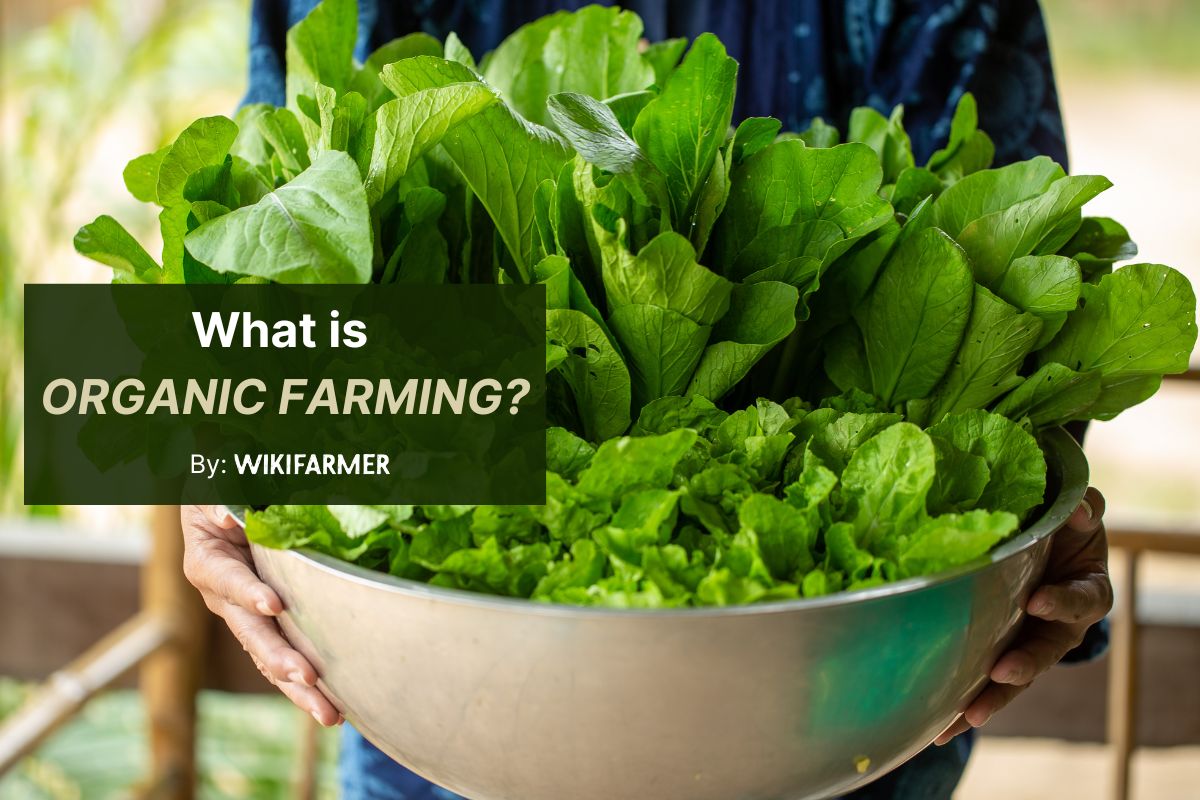
What is organic farming?
Organic farming is a holistic system of agriculture that aims to produce food while supporting soil health, ecosystems, and biodiversity. It involves growing crops and raising livestock without synthetic pesticides, chemical fertilizers, or genetically modified organisms (GMOs). Instead, organic farmers use natural practices, such as crop rotation, composting, and biological pest control, to maintain soil fertility and manage pests.
Why is it called “organic farming”?
It is called organic because this kind of farming is based on working with natural (“organic”) processes and materials rather than synthetic or chemically manufactured inputs. In this context, “organic” refers to practices that rely on living systems—such as soil organisms, plant diversity, and natural nutrient cycles—to maintain soil fertility and control pests.
How did organic farming start?
Organic farming developed in the early 20th century as a response to industrial agriculture and the growing use of synthetic fertilizers. Pioneers include
● British botanist Sir Albert Howard, who studied traditional farming practices in India and wrote An Agricultural Testament.
● Austrian philosopher Rudolf Steiner, who gave lectures on biodynamic farming and promoted “sustainable agriculture.”
Both emphasized practices that preserve soil health, maintain crop diversity, and promote animal welfare.
Which revolution is associated with organic farming?
Organic farming is closely linked to the sustainable agriculture movement, which emphasizes eco-friendly practices such as soil conservation, biodiversity enhancement, and reducing reliance on synthetic chemicals to protect the environment.
It emerged as an alternative to the Green Revolution (1940s–1970s), which introduced high-yield crop varieties, chemical fertilizers, pesticides, and large-scale irrigation to boost global food production.
Principles and practices of organic farming
What is a key principle of organic farming?
A central principle is maintaining soil health naturally. Healthy soil is considered the foundation of productive, sustainable organic agriculture.
Why don’t organic farms use pesticides?
Organic farms avoid synthetic pesticides to protect beneficial insects and soil organisms, preserve soil health, and reduce environmental harm.
When a food is labelled organic, what do farmers not use?
Organic certification ensures that farmers avoid synthetic chemicals and GMOs.
|
Not used in organic farming |
Reason |
|
Synthetic fertilizers |
Prevent soil degradation |
|
Chemical pesticides & herbicides |
Protect environment & health |
|
GMOs |
Maintain genetic diversity |
|
Antibiotics & synthetic growth hormones |
Ensure animal welfare |
|
Artificial food additives or preservatives |
Produce natural, minimally processed food |
Which seeds are encouraged in organic farming?
Organic farmers prioritize heirloom and open-pollinated seeds. These seeds are naturally adapted, non-GMO, and help maintain biodiversity over generations.
How do organic farmers fertilize their crops?
Fertilization is done using natural methods rather than synthetic chemicals. Common techniques include:
- Composting organic matter
- Using animal manure
- Planting nitrogen-fixing cover crops
- Crop rotation to restore soil nutrients
How can I start and maintain an organic farm from seeds?
Maintaining an organic system from seed requires:
- Using certified organic seeds
- Preparing healthy soil with compost, green manure and crop residues, avoiding chemical treatments
- Strategic crop rotation and companion planting
- Choosing natural pest and disease management
- Practicing proper watering and mulching
- Harvesting and handling carefully
Why is alfalfa used by organic corn farmers?
Alfalfa acts as nitrogen-fixing cover crop, naturally enriching the soil and reducing the need for synthetic fertilizers in corn fields.
Livestock and organic animal farming
How do organic chicken farmers collect eggs?
Egg collection is done manually from designated, clean nesting areas. This ensures egg quality while allowing hens to roam freely in a natural, stress-free environment. Eggs are typically gathered 2–3 times per day.
Geography and climate
Where is organic farming practiced?
According to the FAO, organic agriculture is practiced in 188 countries, encompassing 96.4 million hectares of agricultural land. Top countries include:
● Australia: 53.0 million hectares
● India: 4.7 million hectares
● Argentina: 4.1 million hectares
What climate best supports organic farming?
Organic farms generally thrive in temperate climates. Ideal conditions include:
● Moderate temperatures that support healthy plant growth without stress.
● Adequate rainfall to sustain crops without excessive irrigation.
● Seasonal variation, which allows for crop rotation and cover cropping to maintain soil fertility.
● Low pest pressure, reducing the need for chemical interventions.
Benefits and motivation for organic farming
Why organic farm?
Farmers choose organic farming to:
● Protect the environment and support biodiversity
● Produce healthier food
● Enhance soil fertility
● Reduce dependency on chemicals
Why are farmers encouraged to practice organic farming?
Organizations and governments promote organic practices due to rising consumer demand for organic products, long-term soil health benefits, reduction in environmental pollution, and access to premium markets.
How does demand influence organic farming production?
The demand for organic products directly affects the amount of organic food produced. Higher consumer demand motivates farmers to adopt organic practices and expand organic acreage. Premium prices provide a financial incentive, while consumer preferences influence which crops or livestock are grown organically. Increased demand also encourages investment in organic certification, natural pest management, and sustainable soil practices.
Profitability and business of organic farming
How to make organic farming profitable?
Profit can be achieved through a combination of strategies:
● Choosing high-value crops – Grow crops or livestock with strong market demand.
● Obtaining organic certification – Certified organic products can be sold at premium prices, attracting health-conscious consumers.
● Diversifying products – Mix crops, livestock, and value-added products to reduce risk and increase income streams.
● Direct marketing – Sell directly to consumers via farmers’ markets, community-supported agriculture (CSA), or online platforms to capture higher profits.
● Reduce input costs – Use on-farm resources like compost, manure, and natural pest control instead of expensive chemicals.
● Planning long-term sustainability – Healthy soil and ecosystems reduce losses from pests, diseases, and poor yields, protecting profits over time.
How to shift from inorganic farming to organic farming?
Transition involves several steps:
- Test and improve soil naturally
- Gradually phase out synthetic fertilizers and pesticides
- Adopt certified organic seeds and livestock
- Follow organic certification standards
Most organic certification programs require a transition period (usually 2–3 years) where land is farmed organically before products can be labelled as certified organic.
Challenges for organic farmers
What challenges do farmers face in staying organic?
Organic farmers may face multiple challenges, including:
● Pest and disease management – Without chemical pesticides, controlling pests and diseases naturally can be difficult and labour-intensive.
● Lower yields initially – Organic methods often yield less per acre than conventional farming, especially during the transition period.
● High certification costs – Obtaining and maintaining organic certification requires time, documentation, and fees.
● Weed control – Managing weeds without herbicides requires more labour, machinery, or innovative techniques.
● Soil fertility maintenance – Building and maintaining nutrient-rich soil naturally takes careful planning and ongoing effort.
● Transition period – Land must usually be farmed organically for 2–3 years before certification, during which yields may be lower, but organic product prices cannot yet be claimed.
● Market dependence – Farmers rely on premium organic markets; fluctuations in demand or prices can affect profitability.
Why has pressure on organic farms and biotic fertilizers increased?
The pressure on organic farms and biotic fertilizers has increased due to rising consumer demand for organic food, which pushes farmers to expand organic production. At the same time, the availability of natural fertilizers is limited, creating supply pressures. As more land is farmed organically, farmers need greater quantities of these biotic fertilizers.
Conclusion
Organic farming balances profitability, sustainability, and ecological responsibility. While challenges exist, it provides healthier food, preserves biodiversity, and ensures long-term soil fertility, making it a viable agricultural model for the future.