Yarrow is one of the toughest, most useful perennials you can grow, a drought-proof plant that flowers for months, thrives in poor soil and pulls in bees, butterflies and beneficial insects by the dozen. Its flat-topped flowerheads make excellent cut and dried flowers, and it needs so little that the main mistake is treating it too kindly. This guide covers how to grow and care for yarrow, from planting and dividing to keeping its vigorous spread in check.
Yarrow is a plant that rewards neglect, and understanding its liking for lean, dry conditions is the key to growing it well.
What is yarrow
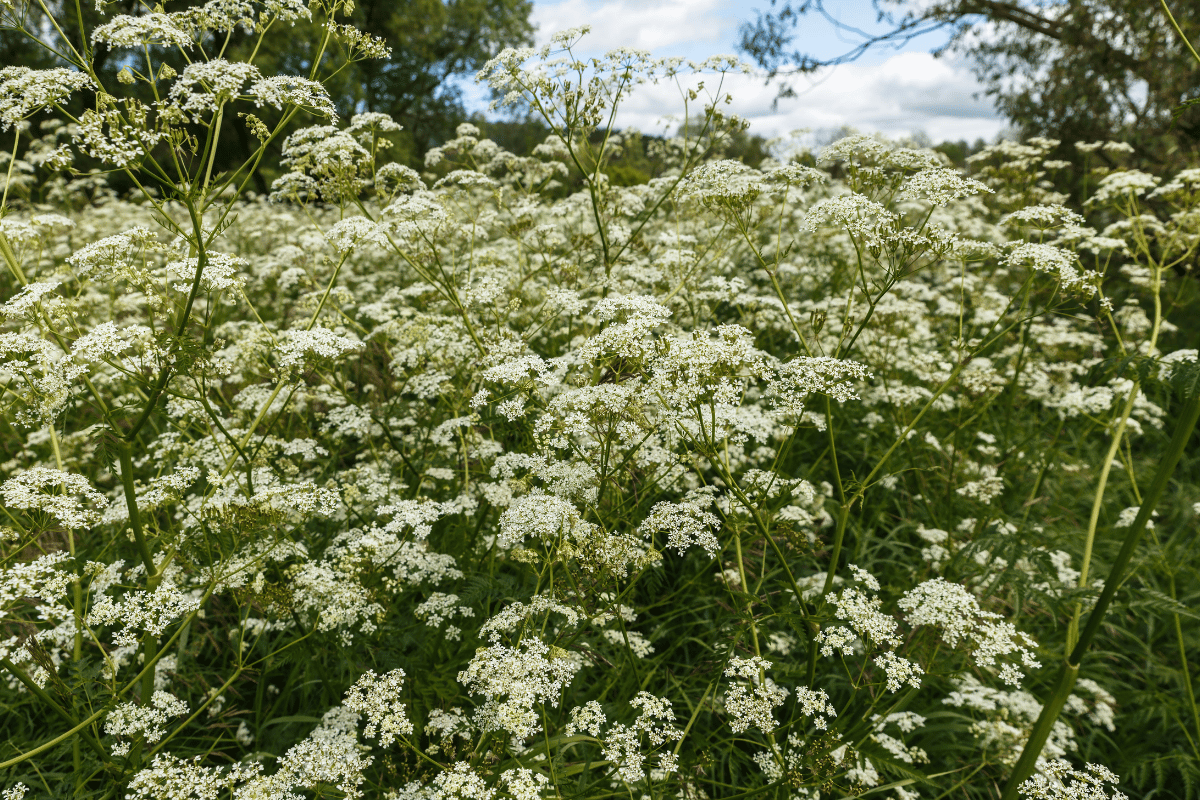
Yarrow (Achillea millefolium) is a hardy herbaceous perennial in the daisy family (Asteraceae), native across the temperate regions of Europe, Asia and North America, where it grows wild in meadows, grassland and roadsides. It has feathery, aromatic, fern-like leaves and flat-topped clusters of many tiny flowers, white in the wild plant and in a range of colours in garden forms. The genus name honours the Greek hero Achilles, who according to legend used yarrow to treat his soldiers' wounds, and the species name millefolium, meaning thousand-leaf, describes the finely divided foliage. Old country names such as soldier's woundwort, nosebleed and devil's nettle reflect both its long history as a wound herb and its old associations with folk magic.
Types of yarrow
Wild yarrow is white, but garden cultivars extend the range across yellow, gold, pink, red and terracotta, so there is a colour for most planting schemes.
- 'Moonshine': bright yellow flowers over silvery evergreen foliage, an Award of Garden Merit plant
- 'Cerise Queen': vivid cherry-pink flowers, one of the most popular coloured yarrows
- 'Terracotta': warm orange-to-buff flowers that age beautifully
- Fernleaf yarrow (Achillea filipendulina): a taller relative with large, flat golden-yellow heads, good at the back of a border
Where and when to plant yarrow
Plant yarrow in full sun in poor to average, free-draining soil. It is highly drought-, heat- and salt-tolerant, which makes it ideal for hot, dry gardens, gravel beds and coastal sites, and it copes with clay and alkaline soils. The one thing it dislikes is rich, moist ground, which makes it grow tall, soft and floppy and spread all the more aggressively, so do not improve the soil for it.
Plant in spring or autumn, either from young plants or from divisions of an existing clump. Space plants around 30 to 45 cm apart, since they fill out quickly.
Yarrow is also easy from seed, but one detail matters. The seed needs light to germinate, so sow it on the surface of moist compost and press it in rather than burying it, covering it no more than 3 mm at most. Sow outdoors in spring or early autumn, or indoors in late winter for planting out after the frosts.
Watering and feeding
Once established, yarrow rarely needs watering except in the most prolonged drought, and it needs no feeding at all. Cut the old, dead growth back close to the ground in late winter or early spring so the new shoots come away cleanly. Because the tall cultivars can be knocked about by wind, a position sheltered from strong gusts keeps them upright. Lean, unimproved soil keeps the plant compact and sturdy, while watering and feeding produce weak, floppy growth. In short, the less you do, the better it performs.
Deadheading, cutting and drying
Deadheading the faded flowerheads prolongs the display and reduces self-seeding, and cutting the whole plant back after its main flush often brings a second flush later in the season. Yarrow is a fine cut flower, and it is one of the best flowers for drying, holding its colour and flat shape well for everlasting arrangements when cut just as the flowers open and hung upside down.
Is yarrow a perennial and how to divide it
Yarrow is a hardy perennial that returns each year and spreads steadily by underground rhizomes as well as by self-seeding. In good conditions this spread can be aggressive, so it pays to keep it in check. Every three to five years, or sooner if it spreads further than you want, lift and divide the clump in spring or autumn, replanting the vigorous outer sections and discarding the tired centre. Division controls the spread, rejuvenates an ageing clump and gives you plenty of new plants.
Yarrow for pollinators and companion planting
The flat flowerheads act as a landing platform for a wide range of visitors, which makes yarrow one of the best plants for wildlife. It draws bees, butterflies and hoverflies, and it is especially valued for attracting the predatory insects such as ladybirds and lacewings that keep aphids and other pests down, so it belongs in a pollinator-friendly garden and works as a companion plant in the vegetable patch. It combines well with other pollinator perennials such as bee balm, is left alone by deer and rabbits, and can even be used as a tough, mowable ground cover or lawn alternative, since it tolerates close mowing.
One pairing caution is worth knowing. Because yarrow wants lean, dry soil, avoid planting it alongside moisture-loving plants such as hosta, astilbe, begonia and coral bells, since watering to suit them will leave the yarrow soft and floppy. Group it instead with other drought-tolerant sun lovers. Yarrow also grows well in a large container of free-draining compost, which is a simple way to enjoy it while keeping its spreading roots contained.
Common problems
Yarrow is rarely troubled by pests or disease. In humid or overcrowded conditions it can develop powdery mildew or rust on the leaves, and waterlogged soil leads to root and stem rot, both prevented by full sun, lean soil and good airflow. The most common complaint is simply that plants flop or spread too much, which almost always traces back to soil that is too rich or too wet.
What yarrow is traditionally used for
Beyond the garden, yarrow has one of the longest records of any herb. It was carried to stem bleeding and dress wounds, which is where the names soldier's woundwort and the Achilles legend come from, and it was later taken as a tea for fevers, colds and digestive complaints. Dioscorides and Pliny both recorded its use as a wound herb in antiquity.
These are traditional uses rather than proven treatments. Yarrow contains active compounds, can cause allergic reactions and skin sensitivity, and is not suitable for everyone, so it should not be used medicinally without qualified advice.
Is yarrow toxic to cats and dogs
According to the ASPCA, yarrow is toxic to cats, dogs and horses, and eating it can cause increased urination, vomiting, diarrhoea and skin inflammation. It can also cause contact dermatitis in some people, so wear gloves when handling or dividing it and site it away from where pets graze. Although yarrow has a long history as a traditional medicinal herb, its effects and cautions mean it should not be used medicinally without expert advice.
Frequently asked questions
Does yarrow come back every year? Yes. It is a hardy perennial that returns each year and spreads by rhizomes and self-seeding, often needing division every few years to keep it in bounds.
What soil does yarrow like? Poor to average, free-draining soil in full sun. It dislikes rich, moist ground, which makes it floppy and more invasive.
Is yarrow invasive? It can spread aggressively by rhizomes and seed, especially in rich, moist soil. Deadheading and dividing every few years keep it under control.
Is yarrow good for pollinators? Yes, it is one of the best. Its flat flowerheads attract bees, butterflies, hoverflies and the beneficial insects that prey on garden pests.
Is yarrow poisonous to pets? Yes. The ASPCA lists it as toxic to cats, dogs and horses, causing vomiting, diarrhoea and skin irritation, so keep it away from pets.
Important notes
Every garden is different, and conditions vary with your climate, soil and exposure. The guidance above is a general starting point rather than a strict rule.
Because yarrow is toxic to pets and can irritate skin, wear gloves when handling it and keep it away from where animals graze. If plants show persistent problems, they are usually a sign of soil that is too rich or too wet rather than disease, but consult a horticulturist or your local nursery if you are unsure.
References
- Royal Horticultural Society. Achillea.
- NC State Extension. Achillea millefolium.
- ASPCA Animal Poison Control. Yarrow.