The Dirty Dozen 2025 and the realities behind pesticide use
The Dirty Dozen is an annual list produced by the Environmental Working Group (EWG) that identifies the 12 conventionally grown fruits and vegetables with the highest pesticide residues. Each year, EWG analyses thousands of samples tested by the USDA/FDA under the Pesticide Data Program. For 2025, EWG examined 53,000 samples of 47 produce items and ranked those with the most detectable pesticides.
The list often sparks debate: Some see it as a warning. Others outright dismiss it. In reality, it sits somewhere in between. The Dirty Dozen is neither a food safety alert nor a final verdict for farmers. All detected residues fall below the legal limits set by the US Environmental Protection Agency. Instead, the list highlights patterns. Certain crops, year after year, require more intensive pest management due to their biology, growing conditions, and market expectations.
Alongside the Dirty Dozen, EWG also publishes the Clean Fifteen, which includes crops that consistently show very low or no detectable residues. In 2025, almost 60% of Clean Fifteen samples had no detectable pesticide residues, compared with about 65% in the 2024 Clean Fifteen results.
The 2025 Dirty Dozen list
Based on the most recent EWG analysis, the Dirty Dozen 2025 ranks as follows:
- Spinach
- Strawberries
- Kale, collard, and mustard greens
- Grapes
- Peaches
- Cherries
- Nectarines
- Pears
- Apples
- Blackberries
- Blueberries
- Potatoes
In these crops, residue detection is common. EWG reports that the vast majority of samples contain more than one pesticide and often several, even after washing. This does not mean the residues are dangerous. It does mean these crops are harder to grow cleanly under conventional systems.
Key changes from 2024:
- Blackberries and potatoes enter the list based on newly available USDA testing data.
- Bell peppers, hot peppers and green beans, which ranked highly in previous years, fall just outside the core 12 in 2025.
- Leafy greens and berries continue to dominate the top of the list, reinforcing long-term patterns rather than a sudden shift.
Why these crops rank highest
Thin or delicate skin
Many Dirty Dozen crops (e.g., strawberries, peaches, grapes, berries) have tender skins that allow sprays to penetrate and cannot be peeled. This lets pesticides soak into the edible portion. Studies show that thin-skinned fruits like peaches, nectarines, and berries tend to score high on pesticide-residue risk indices.
These crops are also physically fragile. Bruising, cracking, or minor damage can quickly lead to decay, which increases pressure to prevent pest and disease damage before it appears. From a grower’s perspective, prevention often feels safer than reacting after symptoms emerge.
High pest and disease pressure
Leafy greens and berries face persistent pressure from insects and fungal diseases. Their dense canopies and fast growth cycles create humid microclimates where pathogens spread easily. Farmers often find that diseases like downy mildew can rapidly devastate spinach or kale crops. In fact, downy mildew has been a major production constraint for commercial spinach in the U.S., requiring frequent preventive sprays to protect yield.
Similarly, grapes and stone fruits (peaches, cherries) face multiple insect and disease problems. When a crop is very susceptible, growers resort to repeated pesticide applications to prevent significant losses.
Growth close to soil
Crops that grow near or in the soil face additional risks. Spinach, leafy greens, strawberries, and potatoes are more exposed to soil-borne organisms and splash contamination from rain or irrigation. Moisture management becomes harder, and disease pressure rises accordingly.
This does not automatically mean more spraying, but it does raise the baseline risk compared with crops that grow well above ground or have thick protective peels.
Market demands
Retail buyers demand “perfect” produce with no blemishes or insect nibbles. This cosmetic standard is especially strict for high-value fruits. Growers of cherries, apples, peaches, and other orchard fruits must prevent even minor spots or holes, so they often apply preventive sprays before any damage appears. As one farmer observed, produce is “either perfect or it gets rejected,” so growers pre-spray aggressively to meet the market’s zero-tolerance for defects. In short, the drive for flawless fruit results in increased pesticide use.
What the data actually means
All USDA samples are washed (and peeled, if applicable) before residue testing [10], so the Dirty Dozen rankings reflect contamination after regular cleaning. The USDA uses ultra-sensitive instruments that can detect chemicals in parts per billion (ppb). Finding “pesticide residue” on a sample simply means that a minuscule amount was detected, often far below levels of concern. In fact, the 2024 USDA Pesticide Data Program report found that over 99% of samples had residues below EPA tolerances, and 42.3% had no detectable pesticides at all. The USDA emphasises that these low-level residues do not pose a health risk for consumers. In other words, every Dirty Dozen detection reported is below the legal safety limits set by regulators.
Why do farmers use pesticides on these particular crops?
In practice, these crops are unusually susceptible to pests and diseases, so spraying is often the only practical way to prevent crop loss. For example, uncontrolled pests can cut yields by a majority; one estimate noted that without pesticides, corn yields could fall as much as 70%. The same principle applies to fruit and vegetable crops: a single rust or blight outbreak on tomatoes or cucumbers can ruin a crop, so farmers use chemicals as insurance. Economics also play a role: these Dirty Dozen crops are usually higher-value, and the profits from a full harvest justify the extra spray costs. Finally, conventions are simply entrenched – pest control protocols exist for these crops, so growers follow established practices to ensure marketable yields.
It’s important to remember this ranking reflects conventional farming practices. Organic versions of these same crops also use pesticides (though typically “softer” ones like Bacillus thuringiensis, copper or spinosad).
What this means for consumers
Should you avoid these foods?
Absolutely not.
The whole point of the Dirty Dozen guide is awareness, not alarm. Health experts emphasise that a diet rich in fruits and vegetables outweighs the minimal risks posed by pesticide residues. For most people, the best approach is balanced: enjoy a variety of produce and wash it well. Knowing this list, you might decide to prioritise buying organic for some of these high-residue items if your budget allows – especially for those you eat most frequently (e.g., organic strawberries, kale, and bell peppers). But if organic options are too expensive or unavailable, don’t panic. The residue levels in conventional produce remain within safety limits, so the important thing is simply to keep eating fruits and veggies.
Making practical choices
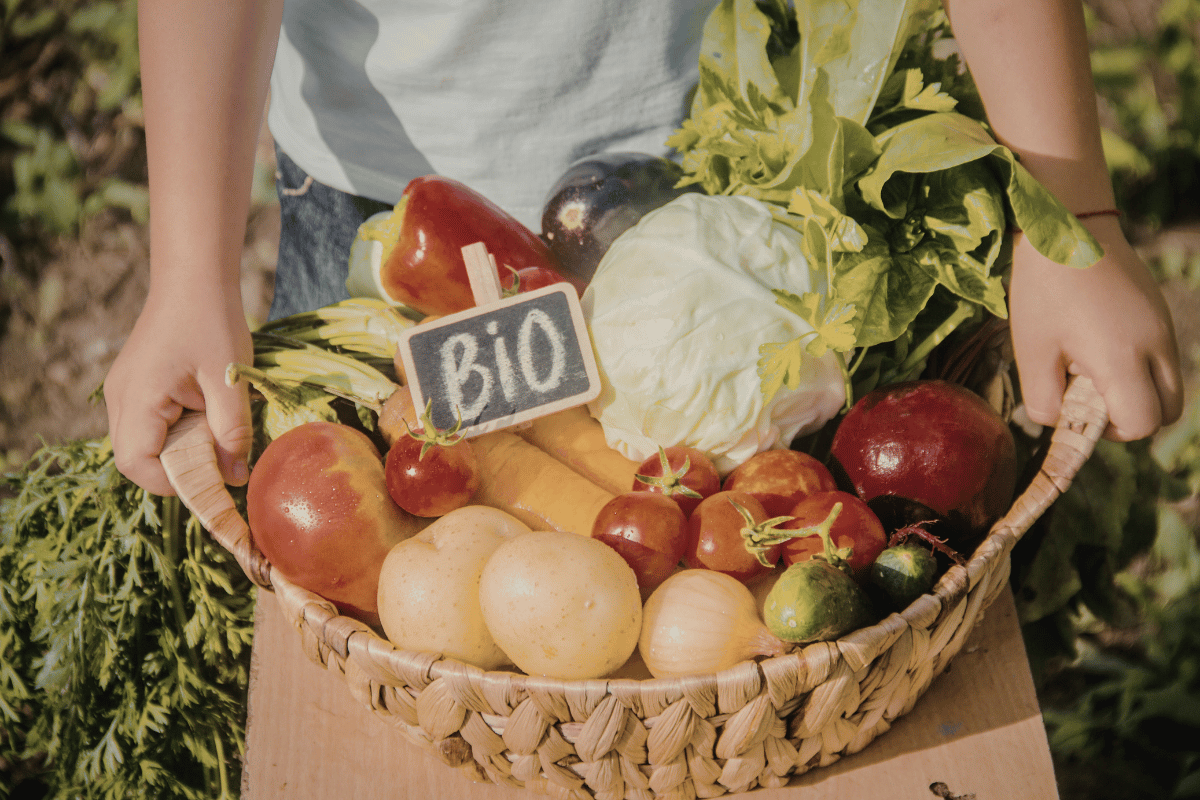
For consumers who have the option, choosing organic versions of Dirty Dozen crops can reduce exposure. This makes the most sense for items eaten frequently and with edible skins, such as strawberries, leafy greens, and apples.
When organic produce is unavailable or unaffordable, conventional produce remains a safe and healthy choice. Washing under running water and gently rubbing firm produce can further reduce surface residues. Peeling can also help, though it removes valuable fibre and nutrients.
Food access and equity
Not everyone has equal access to organic food. Cost, availability, and geography all matter. Framing the Dirty Dozen as a reason to avoid produce can unintentionally increase food anxiety and worsen dietary quality.
The most important message is simple: Eating more fruits and vegetables, of any kind, improves health outcomes. The list should support better choices where possible, not discourage consumption.
Beyond individual decisions
Beyond personal shopping, understanding this list can empower broader change. If more consumers demand low-residue produce, food retailers and farmers will respond. Some supermarkets now test and list residue levels, and many farmers are trying integrated pest management (IPM) to cut spray use. But we should also be aware that access to organic food is not equal for all communities.
Organic produce typically costs more, so pushing people away from eating produce because it’s not organic can hurt diets and public health. It’s better to educate and advocate for affordable, healthy food. In short, fresh produce is good – and you should still eat it. Use this information to wash well and, if you choose, to buy organic for certain items, but do not let it stop you from feeding yourself or your family plenty of fruits and vegetables.
The changing agricultural landscape
Encouragingly, many trends are underway to reduce pesticide use on these crops.
Breeding and biotech
Plant scientists are developing more pest-resistant varieties of fruits and vegetables. For example, researchers recently achieved a CRISPR gene-editing breakthrough that could yield disease-resistant strawberries far more quickly than traditional breeding. Similar efforts are underway for grapes, peaches and other Dirty Dozen crops.
Biological controls
Growers are also increasingly using biopesticides, microbes, beneficial insects, and natural compounds in place of some synthetic chemicals.
Precision agriculture
New tools like drone and satellite monitoring allow farmers to detect disease outbreaks early and spray only affected areas. Smart irrigation and robots can even target weeds or pests individually. These technologies mean farmers no longer have to blanket-spray an entire field every time.
A market that is changing
On the market side, demand is shifting. The organic food market has been growing steadily (domestic organic food sales grew faster than the overall food market in recent years). Many major retailers now require residue testing of produce and label organic items clearly. Regenerative agriculture is gaining traction and emphasises soil health and biodiversity, which, in turn, can naturally suppress pests. Consumer apps and guides are even helping shoppers check residue levels on the go.
The bigger picture is a food system transformation
It’s helpful to understand how we got here.
After WWII, the drive for ever-greater yields gave rise to the “Green Revolution.” Governments and agribusiness promoted synthetic fertilisers and pesticides to maximise output. Farms moved toward large monocultures of a single high-yield variety. Retail chains demanded perfectly uniform produce. In this environment, routine, preventative pesticide use became ingrained as the easiest way to avoid crop loss and meet cosmetic standards.
Resistance and the “pesticide treadmill”
Today we’re seeing the real costs of that approach. Environmentally, heavy pesticide use has contributed to declines in pollinators (bees and butterflies), contamination of water bodies, and loss of beneficial insects and birds in farmland. For human health, the biggest concerns are often for farmworkers and rural communities who experience pesticide drift and direct exposure (risks which public health experts continue to study). Economically, farmers can get trapped on a “pesticide treadmill”: pests evolve resistance, forcing them to use ever larger doses or new chemicals. And socially, the power and profit have concentrated in a few large agrochemical corporations, which can make it hard for small farmers to switch practices without support.
Why transitions often need economic support
Despite these challenges, there are many hopeful signs. The agroecology movement promotes farming with nature – building healthy soil, enhancing biodiversity, and using ecological principles to manage pests. For instance, a multi-year study on UK farms found that adding pollinator-friendly field margins and cover crops actually increased yields of some crops (by boosting natural pest control). Both pollinator numbers and crop yields went up in these “nature-friendly” systems. The catch was that such systems often needed modest subsidies to be profitable, at least initially. This highlights that farmers need economic support to transition. When given the right incentives, however, regenerative methods can break even or even boost yield while slashing pesticide use.
Consumers and citizens play a key role too. Public demand has led some restaurants and grocers to accept “ugly” or non-uniform produce, reducing the need to spray for cosmetic perfection.
In short, the system is already changing faster than it once did. A new generation of farmers and entrepreneurs are experimenting with solutions that could make low-spray farming economically viable. Optimism is justified: change is happening. We’ve moved from unquestioned pesticide reliance toward a conversation about alternatives and resilience.
Global perspectives
Countries approach pesticide use in very different ways, shaped by policy priorities, consumer expectations, and market structure. Some have taken a clearly proactive route. Denmark, for example, has invested heavily in organic farming through a national action plan that significantly expanded organic land and set ambitious targets for public procurement. As a result, Denmark now has one of the highest organic food market shares globally. Bhutan has gone even further, declaring a long-term goal of fully organic agriculture and reaching high organic adoption levels more than a decade ago.
Other countries focus less on outright conversion and more on regulation and standards. France has committed to reducing reliance on certain synthetic herbicides, offering financial support to farmers during the transition. Japan maintains strict residue limits and promotes Good Agricultural Practices as a way to control pesticide risks without mandating a single production model. At the regional level, the European Union has set a non-binding target to reduce overall pesticide use by 50% by 2030, influencing both research priorities and market expectations across member states.
Cultural attitudes toward produce appearance also play a role. In many Asian and Latin American markets, minor blemishes or irregular shapes are more readily accepted, which can ease pressure on farmers to achieve cosmetic perfection. In parts of Europe, consumers have gradually become more tolerant of “imperfect” produce as well. By contrast, appearance standards remain particularly strict in North America, reinforcing preventive pest control practices.
Global trade adds another layer of pressure. Exporters supplying markets with strict residue limits, especially the EU, must either adapt their production systems or risk losing access. Fruit exporters in countries such as Chile and Kenya often face tighter requirements abroad than in their domestic markets, pushing wider adoption of IPM or organic practices. Certification schemes such as Fair Trade and Rainforest Alliance can help offset these costs by offering price premiums to farmers who reduce chemical use.
Taken together, these examples show a patchwork rather than a single global model. Some countries move quickly through policy, others through markets or cultural norms. What is increasingly clear is that consumer demand in major importing regions travels far. Choices made in European or North American supermarkets increasingly shape farming practices thousands of kilometres away, nudging global agriculture toward lower-residue and more sustainable systems over time.
Conclusion
The Dirty Dozen is best understood as a signal, not a warning. It reflects where modern farming faces the most pressure, where crops are biologically vulnerable, and where market expectations leave little margin for error. These rankings do not point to “bad foods,” but to the real trade-offs built into today’s food system.
Understanding why certain crops consistently appear on the list helps move the conversation beyond fear. It allows consumers to make informed choices, policymakers to focus on structural solutions, and farmers to be recognised as part of the solution rather than the problem.
Change does not happen through avoidance. It happens through better knowledge, realistic expectations, and steady demand for improvement. Supporting diverse diets, accepting imperfect produce, and backing farmers who invest in more resilient systems all matter.
The takeaway is simple and durable: fruits and vegetables belong at the centre of a healthy diet. The Dirty Dozen is not a reason to eat less produce, but an invitation to understand how our food is grown, and how it can be grown better in the years ahead.
Sources
- EWG’s 2024 Shopper’s Guide to Pesticides in Produce
- EWG’s 2025 Shopper’s Guide to Pesticides in Produce
- Pesticide Data Program Annual Summary: Calendar Year 2024
- EWG's 2025 Shopper's Guide to Pesticides in Produce | FAQ
- The dietary risk index system: a tool to track pesticide dietary risks
- Spinach Downy Mildew | Cornell Vegetables
- Major CRISPR Breakthrough for First-Ever Regeneration of Strawberries from Gene-edited Single Cells- Crop Biotech Update
- Pesticide reduction targets - Progress - Food Safety - European Commission
- European Union high court nixes neonicotinoid exemptions
- Denmark’s Organic Action Plan