

What farmer should do at the end of summer to get ready for autumn?
August represents the pivotal transition period for European farmers, shifting focus from current season harvest activities to preparation for the upcoming growing season. As the agricultural calendar advances into late summer, this month offers optimal conditions for strategic planning, input procurement, and infrastructure preparation that will determine the success of the next agricultural year. Either you are managing an orchard, an arable crop or vegetables, it is important that you plan in advance so when time comes you don’t have to deal with any unpredictable, last minute issues.
Seed Selection and Procurement Strategy
Variety selection is the foundation of successful agricultural planning, requiring careful consideration of regional adaptability, market demands, and evolving environmental conditions. European farmers must evaluate winter crop varieties based on agronomic traits rather than yield figures alone. The past few years have been especially challenging with the effects of climate change to be especially challenging, disturbing and altering many known factors (extreme frosts, flooding, or extensive drought periods and elevated temperatures). The selection process should prioritize varieties listed on national recommended lists, as these have undergone at least three years of testing under local conditions.
For winter cereal selection, particular attention should be given to BYDV (Barley Yellow Dwarf Virus) tolerance, especially in winter barley varieties. Varieties such as KWS Joyau demonstrate BYDV tolerance while maintaining competitive yields, achieving 101% relative yield in non-BYDV years. The emergence of BYDV-resistant varieties like Molly provides additional options for reducing pesticide inputs while maintaining productivity.
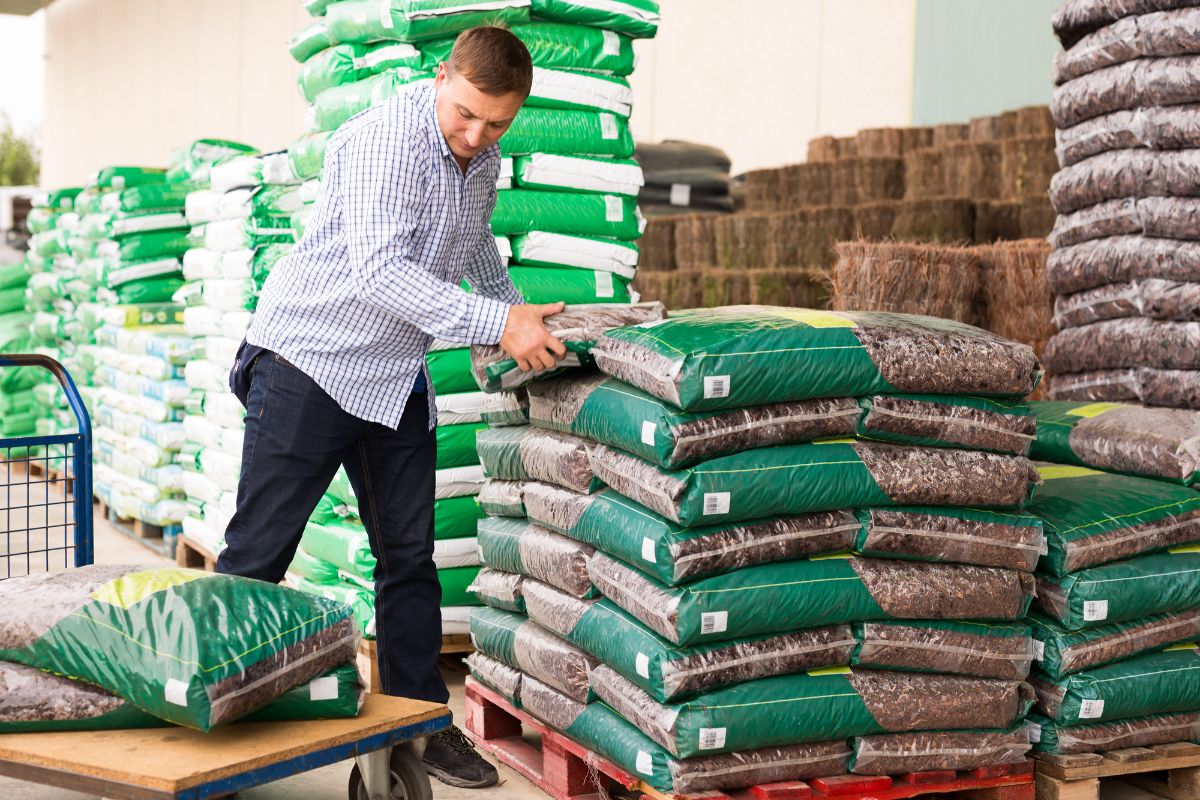
Seed ordering becomes increasingly critical during August as suppliers experience peak demand ahead of autumn planting seasons. Early procurement ensures variety availability and may provide cost advantages through early-season pricing programs. Farmers should coordinate seed orders with rotation plans and consider performance evaluations from the current season when making variety selections.
The regulatory environment surrounding seed availability continues evolving, with EU policies affecting variety access and marketing rights. Farmers should work with established suppliers to ensure compliance with current regulations while maintaining access to optimal varieties for their specific conditions.
Important note: Early ordering might mean the you will have to store the seeds in your facilities for a specific period of time before sowing. Keep this in mind and prepare a suitable storage area to protect their quality and viability. If this is not possible agree with your supplier for a later delivery.
Fertilizer Planning and Procurement
European fertilizer markets face significant restructuring following the implementation of staged tariffs on Russian and Belarusian imports, creating new procurement challenges for farmers. Starting July 2025, tariffs increase from €40 to €430 per ton by 2028, fundamentally altering the cost structure of nutrient inputs.
Current market conditions show nitrogen fertilizer prices reaching €397.50 per ton in France, representing substantial increases from previous years. European farmers face estimated additional costs of €25-30 per hectare compared to global benchmarks, necessitating more strategic fertilizer procurement and application strategies.
Alternative supply sources have emerged from North Africa and the Middle East, but farmers must adapt to new supplier relationships and potentially different product specifications. The EU has actively engaged suppliers from Oman, Turkmenistan, Qatar, Egypt, and Algeria to compensate for reduced Russian and Belarusian supplies.
Soil testing intensifies during late August as farmers prepare nutrient management plans for the following year. Fields that have remained fertilizer-free for at least three months provide accurate baseline data for phosphorus and potassium status, enabling precise fertilizer recommendations. Consistent sampling methodology, including geo-referencing of sample locations, ensures reliable trend data for long-term soil management.
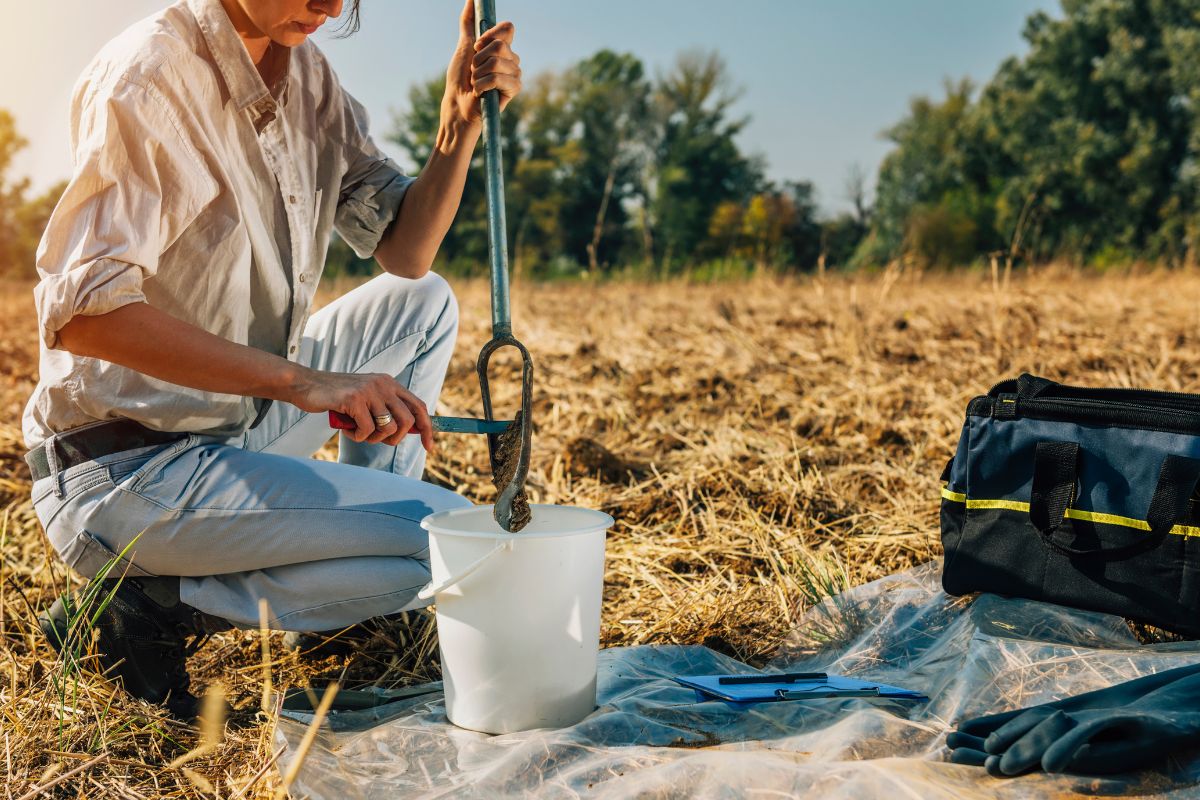
The timing of soil sampling significantly affects results, with ideal conditions requiring soil moisture and temperatures above 8°C for optimal microbial activity. Recording sampling conditions enables consistent year-to-year comparisons essential for tracking soil fertility trends.
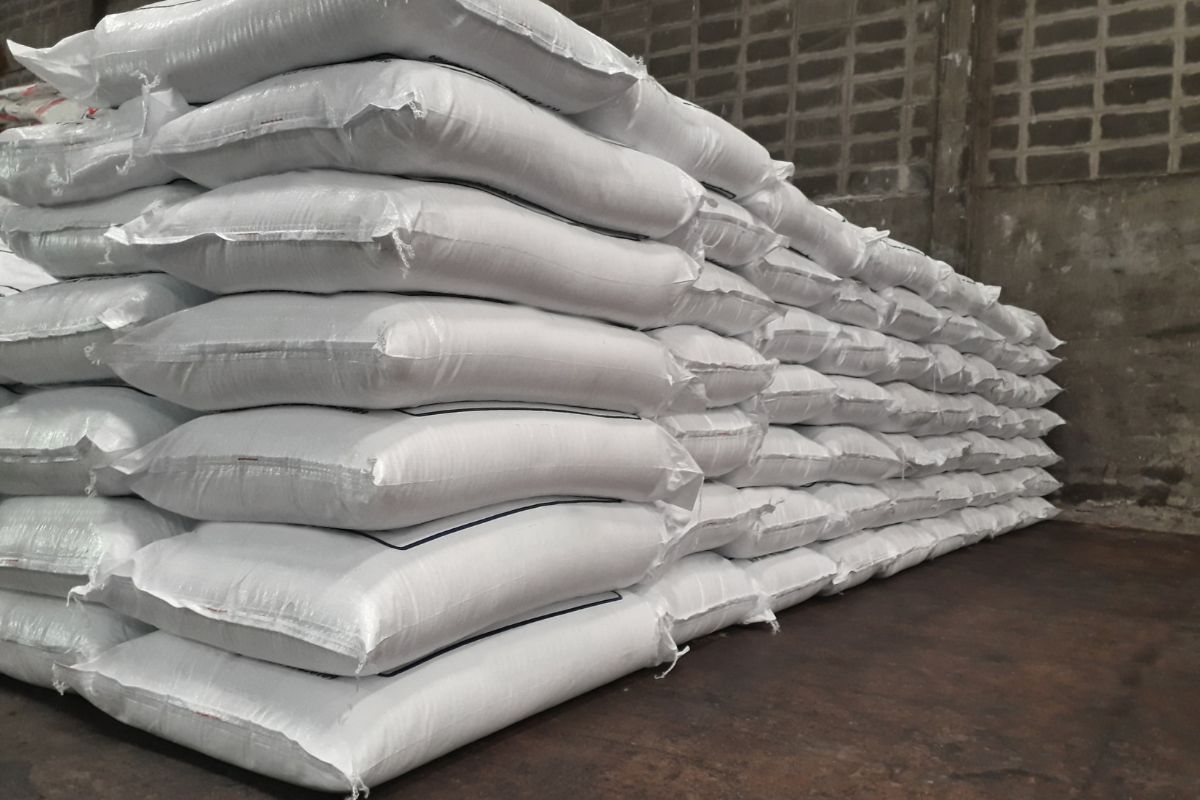
Important note: Pre ordering large amounts of fertilizers may protect you from market and price fluctuation securing the application for the upcoming season. However, this may lead to other challenges that you should be ready to handle proactively. An unfortunate example is the massive losses of farmers in Thessaly, Greece after a devastating flooding in the region that destroyed and drifting tons of fertilizers leading to both economic losses for the farmers but also a significant soil deterioration. So it is important that you prepare safe and sealed storage spaces.
Strategic Field Management and Crop Planning Systems
Effective strategic field management is the bedrock of profitable, sustainable EU farming. Success hinges on weaving four practices into a single plan: well-timed fallow periods, deliberate cover-crop integration, diversified crop rotations, and coordinated livestock grazing. Together, they safeguard soil health, curb pests and weeds, and steady cash flow while meeting tightening environmental rules.
Begin with a whole-farm land-use map. Segment fields by soil type, slope, rainfall, and market demand, then assign each block a multi-year purpose. This bird’s-eye view ensures high-value acres stay productive while marginal zones cycle through restorative phases or ecological focus areas (EFAs). Digital platforms and decision-support apps now streamline this mapping, allowing real-time tweaks as prices, weather, or policy shift.
Modern fallow management is active, not idle. Short tactical fallows of 6–12 months conserve moisture and disrupt weed germination; longer 18–24 month strategic fallows rebuild organic matter and break pest cycles. Planting quick-growing legumes during fallow turns “empty” ground into a biological nitrogen factory, trimming fertilizer bills and leaving friable tilth for the following cash crop.
Cover crops are the second pillar. Sow species mixes that match the gap between harvest and the next main crop: sorghum-sudangrass or buckwheat for warm August slots, rye–crimson clover blends for winter cover. Precision seeders and variable-rate drills help place multi-species cocktails at the correct depth despite contrasting seed sizes. Timely destruction—by rolling, crimping, or grazing—avoids moisture competition yet traps nutrients that might have leached.
Rotation design is the long-term engine. Rotating cereals with break crops such as oilseed rape, peas, or potatoes slashes disease pressure, evens out labor peaks, and typically boosts subsequent wheat yields well into double-digit percentages. Adaptive rotations—rather than rigid, pre-set sequences—let farmers slot in high-margin crops when prices spike without losing agronomic balance. Introducing short forage or hay phases can further dilute herbicide-resistant weed populations and spread machinery workloads.
Integrated grazing knits the system together. Cattle or sheep graze off cereal stubble, winter fodder brassicas, or overwintered rye, converting low-value biomass into meat or milk while recycling nutrients in situ. Rotational or strip grazing maintains optimal residual swards, stimulates tillering in perennial grasses, and accelerates nutrient cycling via manure deposition. Crucially, grazing windows must align with cover-crop termination and pre-sowing intervals to prevent soil compaction and ensure a clean seedbed.
When these four elements are planned in concert—supported by soil tests, weather forecasts, and evolving CAP guidelines—farms build resilience, cut inputs, and improve biodiversity without sacrificing yield potential.
.jpg)
Digital Planning Tools and Technology Integration
Modern agricultural planning increasingly relies on digital tools and data-driven decision making. The European Commission's development of platforms like the Farm Sustainability Tool (FaST) provides farmers with access to space-based data and sustainability analytics. These tools integrate Copernicus satellite data with ground-based measurements to support precision agriculture decisions.
The Agri Sustainability Compass offers farmers access to 20 key sustainability indicators across economic, environmental, and social dimensions. This platform enables farmers to benchmark their operations against regional and national averages while tracking progress toward sustainability goals.
Decision support tools collect and analyze diverse data sources, including field sensors and satellite imagery, to provide data-driven recommendations for production optimization. These systems support daily management decisions while enabling long-term strategic planning.
Soil testing and analysis technologies have evolved to incorporate artificial intelligence and remote sensing capabilities. The AI4SoilHealth project develops European-wide digital infrastructure for soil health monitoring, reducing dependence on laboratory-based analysis while improving data accessibility.
Planning software and mobile applications enable farmers to develop comprehensive crop plans, manage field maps, and coordinate input requirements. These tools facilitate coordination between harvest operations, cover crop establishment, and next season preparation activities.
Equipment Maintenance and Winterization
August's intensive harvest operations or long lack of usage of sowing machines place significant stress on agricultural machinery, making preventive maintenance essential before transitioning to autumn operations. Systematic maintenance protocols and calibration ensure equipment reliability during critical autumn planting periods.
Comprehensive cleaning procedures should commence immediately following harvest completion. Equipment cleaning removes dirt, debris, and crop residues that can cause corrosion and component wear during storage periods. Particular attention should be given to undercarriage areas where unnoticed accumulation can lead to rust development.
Lubrication programs become critical during post-harvest maintenance, with all moving parts requiring appropriate lubricant application according to manufacturer specifications. High-quality agricultural lubricants provide extended protection and reduce friction-related wear. Moving components should be operated through full stroke ranges after lubrication to ensure proper grease distribution.
Seasonal maintenance preparation includes thorough inspection of fluid levels, tire pressures, hydraulic systems, and drive components. Temperature fluctuations between harvest and planting seasons can significantly affect tire pressures, making regular monitoring essential. Brake system functionality and air/hydraulic line integrity require verification before storage.
Storage preparation involves protecting equipment from moisture and temperature extremes. Covered, dry storage prevents weather-related deterioration while protecting electrical components from humidity exposure. Battery maintenance includes full charging and connection verification, as cold weather can significantly impact starting reliability.
Winterization checklists should encompass fuel system preparation, including the use of appropriate fuel additives for cold weather operation. Diesel equipment requires particular attention to fuel composition, with recommendations for No. 1 diesel or 50:50 blends to prevent gelling in extreme cold conditions.

Infrastructure and Storage Preparation
Winter preparation extends beyond field operations to encompass comprehensive infrastructure evaluation and improvement. Building maintenance assumes critical importance as facilities must withstand extended cold periods while maintaining operational functionality.
Structural inspections should identify and repair potential weak points before winter weather arrives. Roof integrity, particularly in areas subject to snow loading, requires thorough evaluation and immediate repair of damaged sections. Drainage systems, including gutters and downspouts, must be cleared of debris to prevent ice backup and water damage.
Ventilation systems require cleaning and maintenance to ensure proper air circulation during periods of extended livestock housing. Fan blade cleaning, belt tightening, and louver inspection prevent equipment failures during critical winter periods. Adequate ventilation prevents humidity and ammonia buildup while maintaining animal comfort.
Water system winterization prevents costly freeze damage and ensures continuous livestock access to clean water. All exposed piping requires insulation or heat tracing to prevent freezing. Water fountain heating elements need inspection and testing before temperatures decline.
Feed storage preparation ensures adequate supplies remain accessible throughout winter months. A minimum two-week supply of purchased feedstuffs provides security against delivery disruptions. Storage areas require protection from moisture and pest intrusion while maintaining easy access for daily feeding operations.
Emergency preparedness includes generator testing, fuel supply verification, and backup system functionality. Power outages during winter storms can quickly become critical situations, making reliable backup power essential for ventilation, water, and heating systems.
Economic Planning and Risk Management
Financial planning for the upcoming season requires careful evaluation of input costs, market projections, and risk mitigation strategies. Current fertilizer price increases of 15-20% above 2024 levels necessitate revised budget projections and potential application strategy modifications.
Crop insurance evaluation should consider changing weather patterns and increased frequency of extreme events. Climate-related risks continue expanding across European agricultural regions, making comprehensive risk management increasingly important.
Market analysis for the upcoming season should incorporate both domestic and international demand projections. EU agricultural production targets suggest 13% growth requirements by 2030 and 25% by 2050 to meet decarbonized economy demands. These projections indicate sustained market opportunities for efficient producers.
As we mentioned above, input procurement timing can significantly affect total production costs. Early fertilizer and seed purchasing may provide cost advantages, but requires capital allocation and storage capabilities. Farmers should evaluate volume purchasing opportunities and supplier financing options.
Working capital requirements increase during autumn preparation periods as farmers invest in inputs before receiving income from sales. Cash flow planning should accommodate seasonal patterns while maintaining operational flexibility for unexpected opportunities or challenges.
Regulatory Compliance and Environmental Preparation
Environmental regulations continue evolving under the Common Agricultural Policy framework, requiring farmers to integrate compliance considerations into planning activities. The new Soil Monitoring and Resilience Directive establishes harmonized soil health monitoring while providing flexibility for member state adaptation.
CAP simplification packages proposed for 2025 aim to reduce administrative burden while maintaining environmental objectives. Organic farmers may receive automatic compliance recognition for certain Good Agricultural and Environmental Conditions (GAECs), potentially reducing monitoring requirements.
Cross-compliance requirements should be reviewed and integrated into field-level planning decisions. Cover crop establishment can contribute to multiple environmental objectives while satisfying regulatory requirements under various scheme options.
Record-keeping systems require updating to capture data necessary for compliance reporting and payment applications. Digital record-keeping platforms can streamline data collection while ensuring accuracy and completeness.
Training and information updates help farmers adapt to changing regulatory requirements while optimizing support program participation. Extension services and advisory programs provide valuable guidance for navigating complex policy frameworks.
Final remarks
The comprehensive preparation activities undertaken during August establish the foundation for successful agricultural operations throughout the coming season. Strategic planning, timely input procurement, equipment maintenance, and infrastructure preparation enable farmers to capitalize on market opportunities while managing production risks effectively. Investment in August preparation activities provides the operational readiness necessary for competitive performance in an increasingly complex agricultural environment.
References
Teagasc.ie
Essential Field Activities for EU Farmers in August 2025: Cereals, Vegetables and Fruit Trees
Eu Online Seed Sale Restrictions Ahead – Discourse
Brussels Must Act to Save Europes Farms from the Fertilizer Crisis – Brusselstimes
Communication Ensuring Availability Affordability Fertilisers en (PDF) – European Union
Agronomist Tips on Taking Reliable Soil Samples This Autumn – co.uk
Dairy Farm Preparation to Avoid the Winter Woes – Thecattlesite
Bio Crop Rotations Final Report Rev Executive Summary (PDF) – Low-impact-farming
How to Establish Cover Crops – org.uk
Farm Sustainability Tool Fast Space Data Sustainable Farming – Copernicus
Commission Launches New Online Tool Sustainability Agriculture en – European Union
Strategic Dialogue on the Future of EU Agriculture report 2024 — European Commission (PDF)
Further reading
Efficient Irrigation Practices & Innovations for EU Farmers Summer 2025
The impact of the July 2025 heatwave on crops across southern Europe
Seasonal Climate Forecast & Agricultural Outlook for Europe: July–September 2025
How EU farmers can overcome the 2025 Stone fruit shortage: Market tactics & orchard recovery steps
Essential Field Activities for EU Farmers in August 2025: Cereals, Vegetables and Fruit Trees
Smart Harvesting & Market Moves for Mediterranean Watermelons in the 2025 EU Season