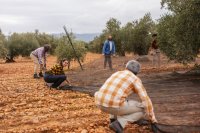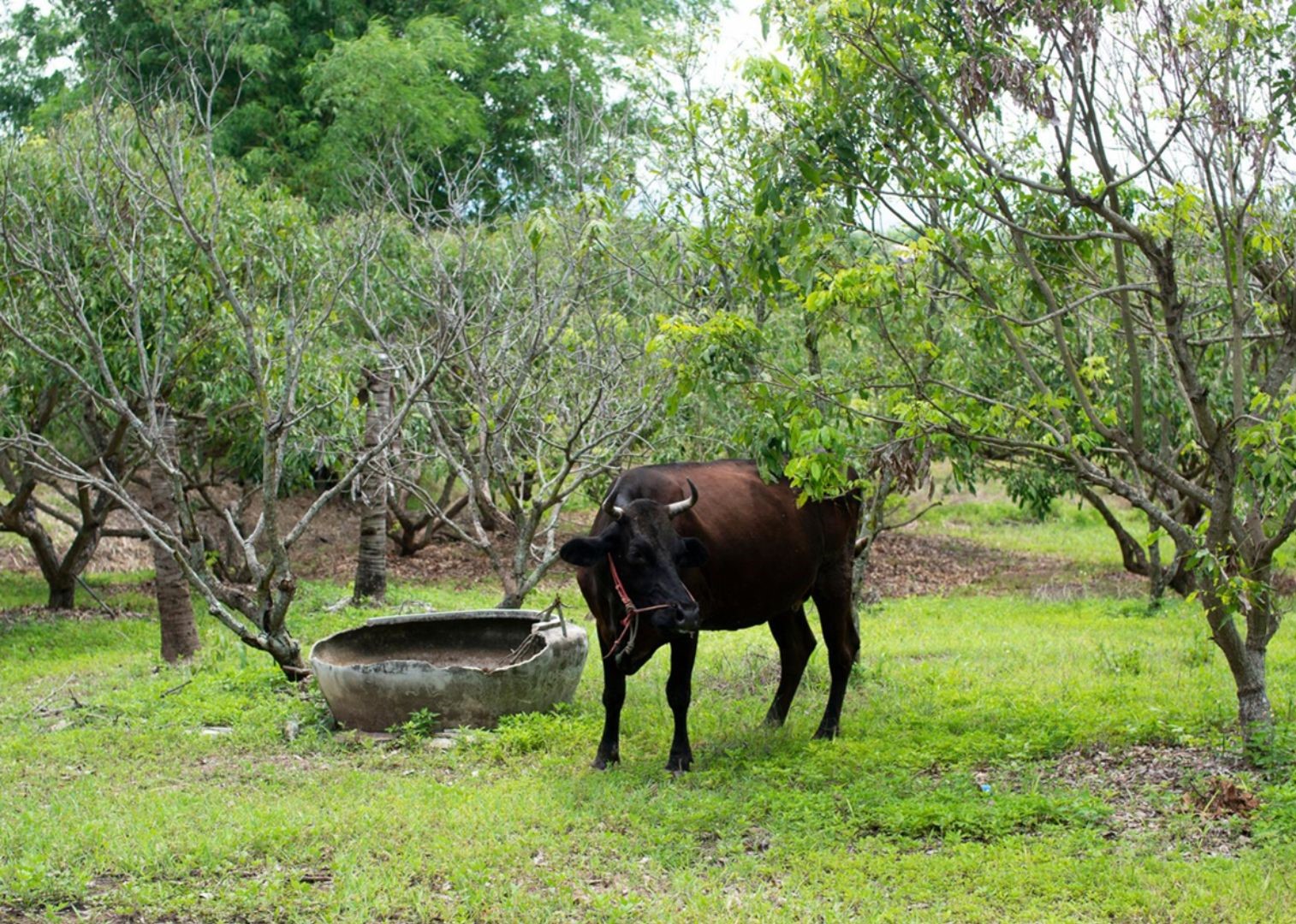
(Biologically) Integrated farming systems are farming systems that include multiple enterprises/organisms that interact in space and time and have a naturally synergetic function. The role of the farmers in this system is to identify and integrate these key players and boost/support the existing biological relationships within the farm system. The goal is to maximize production, decrease the dependence on external inputs, create a circular system, use biological and cultural practices, and reduce the negative impact of farming practices on the environment. It is one of the most "traditionally" applied farming systems. However, it is a knowledge-intensive system.
Since Biologically integrated farming systems have a holistic philosophy, the farmer should have a good knowledge of the interactions between the components of the system and best combine them at the right time and level.
A simple example of such a system is the combination of crop cultivation and livestock farming or/and the use of natural enemies for crop pest control. There is no universal rule or recipe to be applied by all farmers. Each farm/system should be considered separately.
The Principles
- Maintain/Accomplish high yields-production
- Have a holistic approach and create a circular, close production system that takes advantage of the synergies and the waste of the different components of the system - Creating a more self-sufficient and resilient system. One example of “circular production” is animal manure. Instead of removing animal wastes from the farm, farmers can use them as fertilizers for various crops.
- Reduce the use of external input (chemical, synthetic fertilizers, etc.) and the environmental footprint of the farming activity.
Common Practices applied
- Crop rotation - mixed cropping - cover crops
- Animal husbandry
- Rotational grazing
- Waste management (crop residue management, use of animal manure as crop fertilizer, bio-fertilizers, etc.)
- Energy management - Use of renewable resources
- Integrated Pest and Disease Management (both for crops and animals)
- Nutrient and Water management
- Minimum tillage - soil disturbance
- More intensive crop monitoring
A lot of on-farm experimentation should be applied for the successful adoption of the system and the introduction of every new element. The farmer is advised to use new technologies like decision support systems, applications, and techniques and to consult professional extensions and agronomists.
Further reading
What is industrial agriculture?
What is Rotational Grazing and what is Adaptive multi-paddock grazing?
What is crop rotation and why it is good?