

August stands as the pivotal month in the European agricultural calendar, when months of careful cultivation reach their crescendo through intensive harvest activities, critical crop protection measures, and strategic planning for the coming season. This comprehensive guide outlines the essential field operations that EU farmers must execute across three major agricultural sectors during this crucial period. From the golden wheat fields of France to the sun-drenched tomato farms of Spain and the apple orchards of Poland, August demands precision, timing, and unwavering attention to detail to secure both immediate harvests and future productivity.
The importance of August cannot be overstated for European agriculture. With EU-27 cereal production forecast to reach 275.2 million tonnes in 2025—a 6.9% increase from 2024—and processing tomato operations running at full capacity across Mediterranean regions, the month represents the culmination of an entire growing season's investment. Weather patterns, market conditions, and operational efficiency during August determine not only the immediate economic returns for millions of European farmers but also set the stage for the following year's agricultural cycle.
Cereal Crop Operations: The Foundation of European Agriculture
The cereal sector forms the backbone of European agriculture, with August marking the peak of harvest activities across the continent. The timing and execution of cereal operations during this month directly impact both yield quantity and grain quality, making it the most critical period for cereal farmers throughout the EU.
Regional Harvest Progression and Timing
The cereal harvest in Europe follows a distinct north-south progression that begins in early July in Mediterranean regions and extends into late August across Northern European countries. By early August, French farmers have already harvested significant portions of their crop, with soft wheat harvesting reaching 36% completion by July 7, compared to just 4% at the same time the previous year. This acceleration reflects the favorable weather conditions that have characterized the 2025 growing season across much of Western Europe.
In the Mediterranean regions of Spain, Italy, and southern France, the harvest begins in earnest during the first week of August. The hot, dry conditions typical of these areas during summer accelerate crop maturation, requiring farmers to act swiftly to capture grain at optimal moisture levels. Spanish farmers in regions like Andalusia and Extremadura typically complete their winter wheat harvest by mid-August, while barley harvesting often concludes even earlier due to its earlier maturation cycle.
Central European countries, including Germany, Poland, and the Czech Republic, experience their peak harvest period during the second and third weeks of August. German farmers, benefiting from improved weather conditions, expect wheat production to increase by 17.7% compared to the previous year, reaching 23.85 million tonnes. The timing in these regions requires careful coordination with weather patterns, as afternoon thunderstorms can significantly impact harvest operations and grain quality.
Northern European countries, including the Baltic states, Denmark, and southern Sweden, typically extend their harvest activities into late August and early September. The cooler temperatures and shorter growing seasons in these regions mean that crop maturation occurs later, but farmers benefit from generally more stable weather conditions during harvest.
Harvest Operations and Quality Management
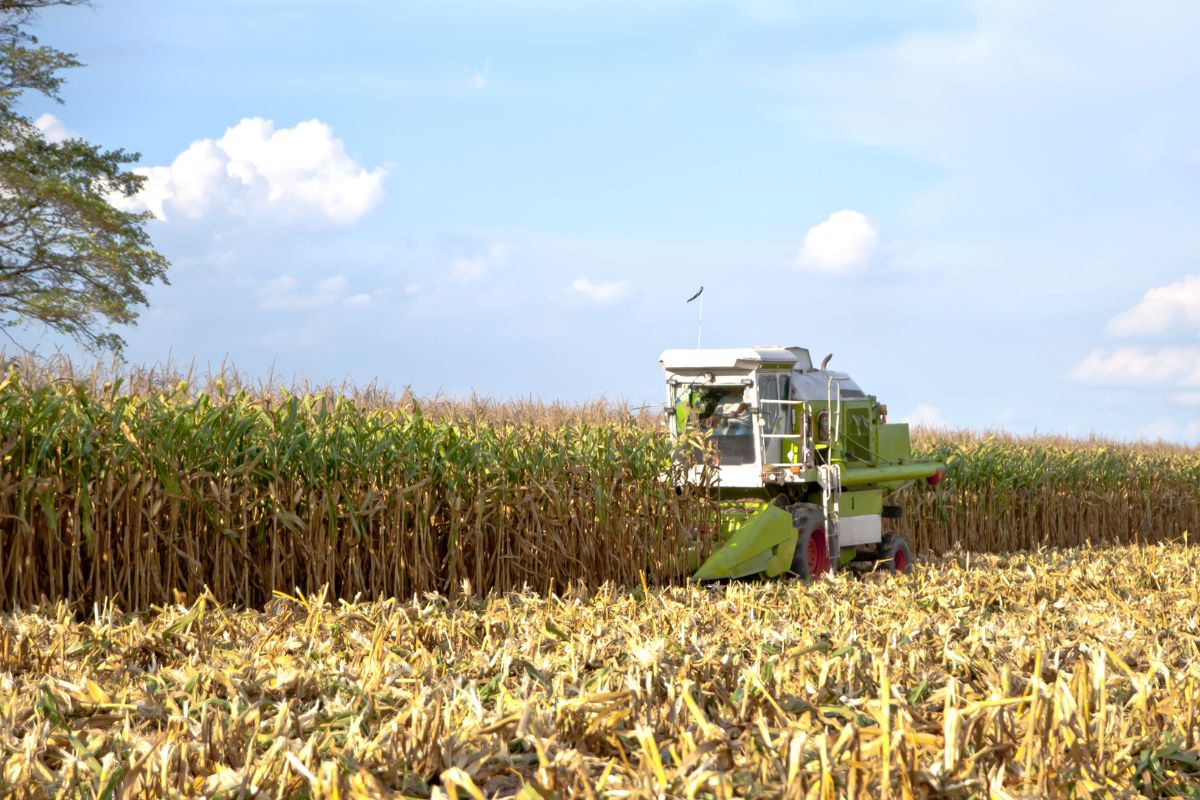
The actual mechanics of cereal harvesting in August demand precise attention to moisture content, timing, and equipment management. Modern combine harvesters must be calibrated to handle varying crop conditions as they move through different fields and regions. Farmers across the EU typically target grain moisture levels between 17-21% for wheat and barley during harvest, subsequently drying the grain to 14.5% or below for safe storage.
Quality management extends beyond simple moisture control. Protein content monitoring has become increasingly sophisticated, with French wheat showing protein readings generally at 11% or above, marking a significant improvement from early harvesting activities. This improvement reflects both favorable growing conditions and the timing of harvest operations, as grain harvested too early often shows lower protein development.
The logistical challenges of August harvesting require careful coordination between combine operators, transport vehicles, and grain storage facilities. Many European farms have invested in on-farm grain storage capabilities to manage the timing mismatch between harvest pace and market delivery requirements. This infrastructure investment has proven particularly valuable during years with compressed harvest windows due to weather conditions.
Equipment maintenance becomes critical during the intense August harvest period. Combine harvesters operating at peak capacity require daily maintenance checks, with particular attention to cutting mechanisms, threshing systems, and grain cleaning equipment. The high temperatures common in August can stress mechanical systems, making preventive maintenance essential for avoiding costly breakdowns during critical harvest periods.
Post-Harvest Field Management
Once the combine harvesters have completed their work, European farmers face immediate decisions regarding stubble management and field preparation for the following crop cycle. These decisions, made during the final weeks of August, significantly impact soil health, weed control, and the success of subsequent crops.
Stubble management strategies vary considerably across European regions, influenced by local climate conditions, soil types, and rotation plans. In Mediterranean regions where dry conditions prevail, many farmers opt for shallow cultivation within 10 days of straw removal to encourage weed seed germination while the soil retains sufficient moisture. This approach allows for subsequent weed control operations before autumn planting.
Central and Northern European farmers often face different considerations, balancing the benefits of immediate field operations against soil compaction risks from heavy machinery on potentially damp soils. The decision to retain or remove straw also varies by region, with many farmers now recognizing the soil health benefits of maintaining at least 4 tonnes per hectare of straw residue to boost soil organic carbon levels and provide erosion control.
Cover crop establishment represents one of the most time-sensitive operations in late August cereal field management. Warm-season cover crop mixes, including buckwheat, sunflower, and sorghum-sudan grass, must be sown within a week of harvest to capture the remaining warm weather for establishment. Research indicates that August growth of cover crops equals approximately two weeks of September biomass accumulation, making timely establishment crucial for soil protection and nutrient capture benefits.
Soil sampling activities intensify during late August as farmers prepare nutrient management plans for the following year. Fields that have been fertilizer-free for at least three months provide accurate baseline data for phosphorus and potassium status, enabling precise fertilizer recommendations for the subsequent crop cycle.
Vegetable Crop Management: Intensive Care for High-Value Production
Vegetable production across the European Union reaches peak intensity during August, with multiple crops simultaneously demanding harvest, disease management, and succession planting activities. The high-value nature of vegetable crops necessitates daily attention and precise timing of all management activities to maintain quality and maximize returns.
Tomato Production and Disease Management
Tomato cultivation across European regions experiences its most critical period during August, as processing facilities operate at full capacity while field conditions create optimal environments for disease development. The Mediterranean processing tomato regions of Spain, Italy, Portugal, and Greece collectively process millions of tonnes during this period, with most facilities running at capacity throughout the month.
Disease pressure intensifies significantly during August, particularly for late blight caused by Phytophthora infestans. The combination of warm days and cool, humid nights creates ideal conditions for spore production and infection. European tomato growers implement intensive scouting programs during August, examining plants daily for the characteristic water-soaked lesions that indicate infection onset. The first outbreaks typically appear in northern European growing regions during early August, when temperature and humidity conditions align with disease development requirements.
The timing of fungicide applications becomes critical during August, with many growers switching from preventive copper-based treatments to systemic fungicides once infection pressure increases. The integration of weather-based disease forecasting systems has improved the precision of treatment timing, allowing farmers to apply protective treatments just before infection periods rather than maintaining continuous protective schedules.
Harvest operations for processing tomatoes peak during the second and third weeks of August across most European growing regions. In Spain's Extremadura region, over 40% of the processing tomato area typically gets harvested during August, with the hot weather accelerating crop maturation but also raising concerns about quality degradation for late-season fruit. Portuguese growers report similar experiences, with harvest progressing well despite recent high temperatures reaching 41-42°C.
The quality management aspects of August tomato harvesting require careful coordination between field operations and processing facility schedules. Many processing facilities implement strict quality standards during peak season, rejecting loads with excessive defects or poor color development. This places additional pressure on field managers to optimize harvest timing and handling procedures.
Pepper and Cucumber Operations
Pepper cultivation during August focuses primarily on maintaining plant health and fruit quality under increasingly stressful environmental conditions. The long daylight hours typical of European summers, combined with high temperatures, create conditions where pepper plants can easily suffer from sunscald and physiological stress. Successful pepper management during August requires careful attention to canopy maintenance and irrigation scheduling.
Sunscald prevention represents the primary challenge for European pepper growers during August. Unlike some regions where excessive pruning might be beneficial, August pepper management emphasizes maintaining dense foliage cover through balanced nutrition programs that support leaf development. Research indicates that thin canopies can result in sunburn losses exceeding 30% during peak summer conditions. Many European growers install shade cloth systems with 30-40% shading over exposed rows during heatwave periods, finding that the investment provides rapid returns through improved fruit quality.
Water management becomes increasingly critical as August progresses and temperatures peak. Pepper plants experiencing drought stress lose leaf cover, creating a cascading effect where reduced shading leads to increased fruit temperature and subsequent sunscald damage. The most successful operations implement deep, consistent watering schedules rather than frequent shallow irrigations, encouraging deeper root development that provides better stress tolerance.
Cucumber production faces unique challenges during August, particularly from downy mildew (Pseudoperonospora cubensis), which thrives in the warm, humid conditions common during European summers. The pathogen develops most rapidly at temperatures between 18-23°C with relative humidity exceeding 95%, conditions frequently encountered during August mornings following calm, clear nights.
Disease monitoring for cucumbers requires daily attention during August, with particular focus on examining the undersides of leaves for the characteristic angular yellow spots and grey-violet sporulation that indicate downy mildew infection. The rapid development of this disease means that treatment delays of even 24-48 hours can result in significant crop losses. Most successful European cucumber operations implement 7-10 day fungicide programs during humid periods, rotating between different chemical classes to prevent resistance development.
Carrot Cultivation and Quality Optimization
Carrot production during August requires careful balance between maintaining adequate soil moisture and preventing quality problems associated with excess water. The shallow root system of carrots, typically utilizing only 2-4mm of water daily, makes them particularly sensitive to both drought stress and waterlogging conditions.
Irrigation management for August carrot crops follows specific moisture tension guidelines, with most European growers targeting soil moisture levels between 5-30 centibars. Research from Baltic regions indicates that maintaining consistent moisture within this range prevents the cracking and splitting that can reduce marketable yields by 20-30%. Exceeding 60 centibars soil moisture tension typically results in visible stress symptoms and quality degradation.
The choice of irrigation system significantly impacts carrot quality during August growing conditions. Comparative studies from Latvia demonstrate that sprinkler irrigation systems consistently out-yield drip irrigation by 5-10 tonnes per hectare for carrot production, attributed to better canopy cooling and more uniform soil moisture distribution[research citation needed]. However, drip systems provide better disease control by reducing leaf wetness periods.
Weed control in carrot fields becomes increasingly challenging during August as warm temperatures accelerate weed growth while carrot canopies may not yet provide complete ground cover. Many European growers implement cultivation programs every 10-14 days during August, using precision cultivators that can work close to carrot rows without damaging the crop.
Succession planting represents a critical August activity for carrot growers seeking to extend their harvest season. Plantings made during the first two weeks of August typically mature in late October or November, providing fresh carrots for autumn and early winter markets. The timing of these plantings requires careful attention to local frost dates and market planning, as late-season carrots often command premium prices in European markets.
Fruit Tree Orchard Management: Balancing Current Harvest with Future Production
European fruit orchards during August represent complex agricultural ecosystems where immediate harvest activities must be balanced against pest management, disease control, and long-term tree health considerations. The intensity of operations during this period requires sophisticated planning and execution to maintain both current season quality and future productive capacity.
Apple Orchard Operations
Apple orchards across European growing regions experience their most intensive management period during August, as early varieties reach harvest maturity while pest management programs continue for later varieties. The complexity of August apple management reflects the diverse variety mix found in European orchards, ranging from early-season varieties ready for harvest to late-season varieties still requiring weeks of additional development.
Early variety harvesting typically begins during the second week of August in Central European regions, with varieties like Gala and Discovery reaching maturity in countries such as Germany, Poland, and the Czech Republic. The determination of harvest timing requires careful monitoring of multiple quality parameters, including starch index conversion, flesh firmness, and background color development. European apple growers have increasingly adopted scientific approaches to harvest timing, using starch-iodine tests to determine optimal picking dates rather than relying solely on visual appearance.
The harvest logistics for August apple varieties require careful coordination between picking crews, handling equipment, and cold storage facilities. Research indicates that apples should be moved to cold storage facilities maintained below 15°C within three hours of harvest to maintain optimal storage potential and market quality. This requirement places significant pressure on orchard operations during peak harvest periods, particularly when weather conditions accelerate ripening across multiple varieties simultaneously.
Pest management continues throughout August in apple orchards, with codling moth representing the primary concern across European growing regions. The second generation of codling moth typically reaches peak activity during August, requiring continued monitoring of pheromone traps and precise timing of control applications. European orchards typically maintain treatment thresholds of five moths per trap per week, reducing to three moths per trap per week during August as harvest approaches for early varieties.
The integration of biological control methods has become increasingly sophisticated in European apple orchards during August. Many operations release parasitic wasps (Aphelinus mali) to control woolly aphid populations, while encouraging beneficial predators such as earwigs and ladybirds to manage spider mite populations. The effectiveness of these biological control programs requires careful management of pesticide applications to avoid disrupting beneficial insect populations during critical establishment periods.
Tree health monitoring intensifies during August as the stress of fruit production, combined with typically hot weather conditions, can reveal underlying health problems. Many European apple growers conduct comprehensive tree assessments during August, examining trees for signs of canker, root problems, and nutritional deficiencies that may require attention during the dormant season.
Water management becomes increasingly critical for apple orchards during August, particularly in regions experiencing drought conditions. The high water demand associated with fruit sizing, combined with typically reduced rainfall during late summer, requires careful irrigation scheduling to prevent stress while avoiding overwatering that can lead to quality problems or disease development.
Stone Fruit Harvest and Management
Stone fruit production across European regions reaches its peak during August, with peaches, nectarines, plums, and apricots all requiring intensive management during this period. The diversity of stone fruit varieties and their different maturation requirements create complex logistical challenges for European growers, who must coordinate harvest activities across multiple crops while maintaining quality standards for increasingly demanding markets.
Peach and nectarine harvesting typically peaks during the third and fourth weeks of August across Mediterranean growing regions, with fruit quality depending heavily on precise harvest timing and careful handling procedures. The transition from cling to freestone varieties during late summer affects both harvesting techniques and market positioning, as freestone varieties require different handling and have different storage characteristics compared to earlier season cling varieties.
Quality assessment for August stone fruit harvesting has become increasingly sophisticated, with many European operations implementing objective quality measures rather than relying solely on visual inspection. Color development, particularly the progression from green to yellow background colors, provides reliable indicators of maturity across most stone fruit varieties. The development of uniform yellow coloration, particularly at the stem end of the fruit, typically indicates physiological maturity and optimal harvest timing.
The logistics of stone fruit harvesting during August require careful coordination with processing and marketing channels. Fresh market stone fruit must be harvested at optimal ripeness and moved quickly through distribution channels to reach consumers at peak quality. Processing fruit can be harvested at slightly different maturity levels but requires coordination with processing facility schedules to ensure timely delivery and processing.
Labor management represents one of the most significant challenges for European stone fruit operations during August. The concentration of harvest activities within relatively short time windows, combined with the need for skilled workers capable of making quality judgments, creates intense competition for qualified harvest workers. Many operations have invested in worker training programs and incentive systems to maintain stable labor forces during peak harvest periods.
Post-harvest handling assumes critical importance for August stone fruit operations, as the combination of high temperatures and delicate fruit creates optimal conditions for quality degradation. Many European operations have invested in field cooling systems, using portable refrigeration units to rapidly reduce fruit temperature following harvest. Research indicates that maintaining fruit temperature below 15°C within one hour of harvest significantly improves storage life and market quality.
Disease management in stone fruit orchards continues throughout August, with brown rot representing the primary concern across European growing regions. The combination of warm temperatures, high humidity, and ripening fruit creates optimal conditions for brown rot development, requiring continued fungicide applications and careful sanitation practices to prevent significant losses.
Irrigation management for stone fruit during August requires careful balance between maintaining adequate soil moisture for fruit sizing while avoiding overwatering that can lead to fruit cracking or quality problems. Many European operations implement deficit irrigation strategies during the final weeks before harvest, carefully reducing water applications to concentrate flavors while avoiding stress that could reduce yield or quality.
Integrated Pest Management Systems
The complexity of managing multiple crops and pest species during August has led many European fruit growers to adopt sophisticated integrated pest management (IPM) systems that coordinate control activities across the entire orchard ecosystem. These systems recognize that August represents a critical period where pest management decisions affect not only current season production but also pest populations and control requirements for the following year.
Monitoring systems form the foundation of successful IPM programs during August, with many European orchards implementing comprehensive scouting protocols that examine trees for pest populations, beneficial insects, and disease symptoms on regular schedules. The data collected during these scouting activities informs treatment decisions and helps optimize the timing of control applications to maximize effectiveness while minimizing environmental impact.
The integration of biological control methods has become increasingly sophisticated in European orchards during August. Many operations maintain habitat areas that support beneficial insects, while carefully timing pesticide applications to avoid disrupting established biological control programs. The success of these integrated approaches requires detailed knowledge of pest biology, beneficial insect lifecycles, and the interactions between different control methods.
Weather monitoring and forecasting systems play increasingly important roles in European IPM programs during August. Many operations utilize automated weather stations and disease forecasting models to predict infection periods and optimize treatment timing. These systems allow growers to apply protective treatments just before infection periods rather than maintaining continuous protective schedules, reducing both costs and environmental impact.
The documentation and record-keeping requirements associated with IPM programs have become increasingly important as European regulations emphasize sustainable production practices and reduced pesticide usage. Many operations maintain detailed records of all pest management activities, including scouting observations, treatment decisions, and effectiveness evaluations that support regulatory compliance and continuous improvement efforts.
Summary and Strategic Outlook
August 2025 represents a defining moment for European agriculture, where the convergence of harvest activities, pest management requirements, and preparation for the following season creates unparalleled opportunities for both success and failure. The comprehensive management approach outlined in this guide reflects the sophisticated, data-driven nature of modern European farming operations that must balance immediate economic returns with long-term sustainability requirements.
The success of August field operations depends fundamentally on preparation, timing, and execution. Cereal farmers must coordinate harvest logistics with weather patterns and market requirements while simultaneously preparing fields for the next crop cycle. Vegetable growers face the dual challenge of maintaining quality during peak harvest periods while managing disease pressure that can destroy crops within days. Fruit growers must balance current harvest activities with pest management programs that affect both current and future production.
The integration of technology, biological control methods, and sustainable production practices continues to reshape European agriculture during this critical period. Weather monitoring systems, disease forecasting models, and precision application equipment enable farmers to optimize their management decisions while meeting increasingly stringent environmental regulations. The investment in these technologies and approaches positions European agriculture for continued competitiveness in global markets while meeting consumer demands for sustainable production practices.
Looking ahead, the lessons learned during August 2025 will inform strategic planning for the following season and beyond. The data collected during this intensive period provides the foundation for evaluating variety performance, refining management practices, and making infrastructure investments that support continued improvement in productivity and sustainability. European farmers who successfully navigate the challenges of August 2025 position themselves for continued success in an increasingly competitive and regulated agricultural environment.
Further reading
Efficient Irrigation Practices & Innovations for EU Farmers Summer 2025
The impact of the July 2025 heatwave on crops across southern Europe
Seasonal Climate Forecast & Agricultural Outlook for Europe: July–September 2025
How EU farmers can overcome the 2025 Stone fruit shortage: Market tactics & orchard recovery steps
Smart Harvesting & Market Moves for Mediterranean Watermelons in the 2025 EU Season