


Mediterranean Agriculture Under Siege: Record Heat of July 2025 Ravages Crops Across Southern Europe
The Mediterranean region is experiencing its most severe heat wave of 2025, with unprecedented temperatures threatening agricultural systems across Spain, Italy, Greece, and Turkey. With the Mediterranean Sea breaking temperature records at 28.9°C and land temperatures exceeding 46°C in Spain, the agricultural sector faces mounting challenges that could reshape food production patterns across the region.
Current Temperature Crisis and Regional Impact
Spain: Breaking All Records
Spain has been at the epicentre of Europe's heat crisis, recording a staggering 46°C in the southern province of Huelva on June 30, 2025. The country's national weather service AEMET reports that June 2025 is on track to become the hottest month on record since monitoring began in 1950. The heat dome affecting the region has pushed daily national averages to 28°C, establishing new benchmarks for sustained high temperatures.
Italy: Red Alert Across Major Cities
Italy's health ministry has issued red alerts for 21 out of 27 monitored cities, including Rome, Milan, and Naples. Temperatures are projected to reach 37°C in multiple regions, with several areas including Lazio, Tuscany, Calabria, Puglia, and Umbria considering bans on outdoor work activities during peak heat hours.
Greece: Agricultural Zones Under Stress
Greece faces renewed wildfire alerts as temperatures exceed 40°C across multiple regions. The situation has been particularly challenging given the country's earlier experience with record-breaking March temperatures that reached 33.7°C in Lasithi, Crete - the highest March reading ever recorded. These temperature swings have created unprecedented stress on agricultural systems.
Turkey: Dual Climate Threats
Turkey's agricultural sector confronts a complex challenge of extreme heat following earlier devastating frosts. The country experienced its worst drought in 65 years during the October-March period7, followed by agricultural freezes in mid-April that affected 36 of its 81 provinces. Now, summer heat waves compound these challenges, with the Turkish State Meteorological Service reporting temperature increases of 1.9°C since 2000.
Central Europe Extends the Heat Crisis
The extreme temperatures are not confined to the Mediterranean basin. Central European regions are recording temperatures of 35°C, with northern France, the Benelux region, and western Germany experiencing some of their driest spring conditions since 1991. This expanded heat zone affects major agricultural production areas typically considered more climatically stable.
Agricultural Impacts – How This Heatwave Affects Crops
Physiological Stress Mechanisms in Crops - Heat Stress Thresholds and Plant Response
When air temperatures exceed 40°C during early July, crops experience severe physiological stress that fundamentally disrupts normal metabolic processes. At these extreme temperatures, plants face a cascade of stress responses that begin at the cellular level and manifest in reduced productivity, quality degradation, and in severe cases, complete crop failure.
The primary mechanism of heat damage involves the breakdown of protein structures within plant cells, particularly affecting photosynthetic enzymes. When temperatures surpass critical thresholds, the photosystem II complex becomes unstable, leading to photoinhibition and reduced carbon fixation rates. This process is compounded by increased respiration rates, which can exceed photosynthetic carbon gain, resulting in negative net carbon balance and subsequent plant decline.
Heat stress also disrupts water relations within plants, causing excessive transpiration that can lead to hydraulic failure. As stomata attempt to regulate temperature through evaporative cooling, water loss accelerates beyond the plant's ability to uptake water from soil, creating internal water deficits that trigger wilting and cellular damage.
Crop-Specific Impacts of Extreme Heat
Corn (Maize) Production
Corn exhibits particular vulnerability to temperatures exceeding 40°C, especially during critical reproductive phases. During pollination, which typically occurs in July across Mediterranean regions, extreme heat can cause pollen sterility and silk desiccation. Pollen viability drops dramatically when temperatures exceed 38°C, with complete sterility possible at 40°C and above.
The tasseling and silking phases of corn development are most susceptible to heat stress. High temperatures during these stages can cause asynchrony between pollen shed and silk emergence, leading to poor kernel set. Additionally, extreme heat accelerates grain filling, reducing the time available for starch accumulation and resulting in smaller, lower-quality kernels with reduced weight and density.
Heat stress also affects corn's photosynthetic efficiency, with leaf temperatures exceeding 40°C causing immediate photosynthetic depression. The C4 photosynthetic pathway that typically gives corn advantages in warm conditions becomes less efficient under extreme heat, particularly when combined with water stress.
Grapevine Response to Extreme Heat
Grapevines face severe challenges when temperatures exceed 40°C during early July, a critical period for berry development and sugar accumulation. Extreme heat during this phase can cause berry shrinkage, premature ripening, and degradation of flavor compounds that determine wine quality.
At temperatures above 40°C, grapevines experience reduced photosynthetic activity as chlorophyll degradation accelerates. The berries themselves are particularly vulnerable, with direct exposure to extreme heat causing sunburn damage that appears as brown, desiccated patches on the berry surface. This damage not only reduces yield but also increases susceptibility to secondary infections.
The phenolic compound development crucial for wine quality becomes disrupted under extreme heat stress. Anthocyanin synthesis, responsible for red wine color, decreases significantly at high temperatures, while tannin structures can become altered, affecting wine aging potential and flavor profiles.
Olive Tree Adaptations and Limits
Olive trees, despite their Mediterranean origins and drought tolerance, face significant stress when temperatures consistently exceed 40°C. These trees have evolved various adaptations to hot climates, including small, waxy leaves and deep root systems, but extreme heat can overwhelm these protective mechanisms.
During early July, olive trees are typically in the fruit development stage following spring flowering. Extreme heat at this time can cause fruit drop, where developing olives abort to conserve plant resources. High temperatures also affect oil synthesis within the fruit, potentially reducing both yield and oil quality characteristics.
The photosynthetic apparatus of olive trees becomes compromised at sustained temperatures above 40°C. While these trees can temporarily close stomata to conserve water, prolonged heat stress forces them to maintain some gas exchange for survival, leading to progressive dehydration and potential branch dieback in severe cases.
Summer Fruit Tree Vulnerability
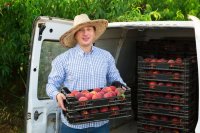
Stone fruits including peaches, apricots, and plums face immediate and severe damage when exposed to temperatures exceeding 40°C during early July fruit development. At this stage, fruits are rapidly expanding and accumulating sugars, making them particularly sensitive to heat stress.
Direct fruit exposure to extreme heat causes sunburn damage, creating depressed, discolored areas on the fruit surface that become entry points for pathogens. Internal fruit temperatures can exceed air temperature by several degrees when exposed to direct sunlight, potentially reaching lethal levels that cause cellular breakdown and fruit drop.
The sugar accumulation process becomes disrupted under extreme heat, as metabolic processes shift from growth and storage to survival responses. This results in smaller fruits with altered sugar-acid ratios that affect both fresh market quality and processing characteristics.
Citrus Production Under Pressure
EU citrus production for 2024/25 is projected at 10.1 million metric tons, down from the previous year's 10.5 million metric tons. Italian citrus regions, particularly Sicily and Calabria, have experienced significant drought damage that reduced both yields and fruit sizes. In Greece, drought has caused yield reductions in the Peloponnese, the country's main orange-producing region.
Tomato Production Under Heat Stress
Tomato plants exhibit rapid decline when temperatures exceed 40°C, with both fruit set and fruit development severely impacted. Pollen viability in tomatoes decreases dramatically above 35°C and becomes nearly zero at 40°C, leading to blossom drop and reduced fruit set.
Existing tomato fruits face multiple stress responses under extreme heat. Rapid transpiration can lead to blossom end rot as calcium transport becomes disrupted. Fruit quality deteriorates through reduced lycopene synthesis, resulting in poor color development and reduced nutritional value. The fruits may also develop heat rings, concentric circular patterns that indicate heat stress during development.
Tomato plant photosynthesis becomes severely compromised at 40°C, with the photosystem II complex suffering irreversible damage. This leads to leaf yellowing, wilting, and potential plant death if extreme temperatures persist for extended periods.
Mediterranean Cotton Under 40°C Heat Stress: Early July Impact
Mediterranean cotton plants during early July are in their most vulnerable reproductive stage - the flowering and early boll formation phase - occurring approximately 70-150 days after planting (March-April planting in Greece, Turkey, and Spain). Cotton's optimal temperature range is 15-35°C, with severe stress beginning above 35°C and critical reproductive failure at 40°C. When temperatures exceed 40°C during this critical flowering period, pollen viability drops to near zero, with complete sterility possible at 40°C and above, while boll strength approaches almost zero when temperatures rise above 40°C. The extreme heat causes widespread abortion of young 3-5 day old bolls within 2-3 days of stress onset, reduces fertilization efficiency by up to 33%, and near zero boll retention occurs at 40°C.
This timing is particularly devastating as Greece's 2025/26 cotton production was already forecast at 1.02 million bales, down 5.5% from the previous season, and research shows that each 1°C increase in maximum temperature during flowering reduces cotton yield by 5.5%, suggesting potential yield losses exceeding 50% in severely affected Mediterranean regions where cotton represents over 80% of European production.
Vegetable Crop Responses
Leafy vegetables and other summer crops face immediate stress when temperatures exceed 40°C. Lettuce, spinach, and other cool-season crops may bolt prematurely, producing flowers and seeds rather than maintaining vegetative growth for harvest. This response is triggered by heat stress signals that cause the plant to prioritize reproduction over continued leaf production.
Heat-sensitive vegetables like peppers and eggplants, while more tolerant than cool-season crops, still experience reduced fruit set and quality degradation at 40°C. Pepper plants may drop flowers and developing fruits, while eggplants can develop bitter compounds under heat stress that affect marketability.
Root vegetables growing during summer, such as carrots and radishes, may experience increased pithiness and bitter flavors when soil temperatures rise due to extreme air temperatures. The stress responses alter carbohydrate allocation patterns, reducing storage organ quality.
Irrigation Challenges
Increased Water Demand
Extreme temperatures exceeding 40°C exponentially increase crop water requirements through enhanced evapotranspiration rates. The relationship between temperature and water demand is not linear, with each degree increase above optimal ranges causing disproportionate increases in water stress.
Irrigation systems face increased pressure during extreme heat events, as crops require more frequent watering to maintain adequate soil moisture. However, irrigation during peak heat hours can cause additional stress through rapid temperature changes and increased humidity around plant surfaces that may promote fungal diseases.
The efficiency of water uptake by plant roots decreases under extreme heat, as root membrane integrity becomes compromised. This creates a situation where crops need more water but become less capable of utilizing available moisture, leading to progressive dehydration even under irrigated conditions.
Long-term Productivity Implications
Emerging Threats
The intensification of heat waves poses several emerging risks:
- Shortened Growing Seasons: Accelerated crop development reduces yield potential and grain quality
- Increased Pest Pressure: Higher temperatures expand pest ranges and reproduction cycles
- Water Competition: Increased irrigation demands strain already limited water resources
- Quality Degradation: Heat stress reduces crop quality, affecting market value
- Pollination Disruption: Extreme temperatures affect bee activity and natural pollination processes
EU-Wide Agricultural Losses
The European Union agriculture sector faces average annual losses of €28 billion across 27 countries due to extreme weather events, representing approximately 6% of total crop and livestock production. Climate projections suggest these losses could increase by up to two-thirds by 2050 due to growing drought and flood risks. Currently, only 20-30% of climate-induced farm losses are covered by insurance systems.
Recovery and Seasonal Impact
Crops experiencing extreme heat stress during early July may show effects throughout the remainder of the growing season. Even if temperatures moderate, the physiological damage from heat stress can reduce overall productivity and quality for the entire harvest period.
Recovery from heat stress depends on crop type, duration of exposure, and subsequent growing conditions. Annual crops like corn and tomatoes may show permanent yield reductions, while perennial crops such as grapevines and olive trees may exhibit reduced productivity in the current year and potentially affecting next year's production through disrupted flower bud formation.
The cumulative effect of multiple extreme heat events can cause long-term changes in crop physiology, potentially selecting for more heat-tolerant varieties naturally but at the cost of traditional quality characteristics and yields.
References
European agriculture faces growing climate risks that EU can help counter, new study finds
EU should expand farm insurance as climate risk grows, study says - Green Central Banking
Heatwave Europe Spain Portugal France Turkey Wildfires – co.uk
Further reading
Summer Fertilization and Plant Protection Under High Temperatures: Essential Strategies for Farmers
How to protect olive trees from heat and drought stress during summer months
How to Cultivate Olive Trees Commercially: The Complete Guide to Profitable Olive Farming
Factors Affecting the Quality of Olive Oil