
The difference between raw and pasteurized honey, and which to buy depending on your needs
Honey is sold in several different forms, but the most common distinction is between raw honey and pasteurized honey. It is important to know the difference when looking to purchase. Raw honey is honey taken directly from the hive and strained, in its most natural form, while pasteurized honey is filtered and heated to eliminate yeasts and dissolve crystals, making it an easily pourable, uniform liquid.
What is the difference between raw honey and pasteurized honey?
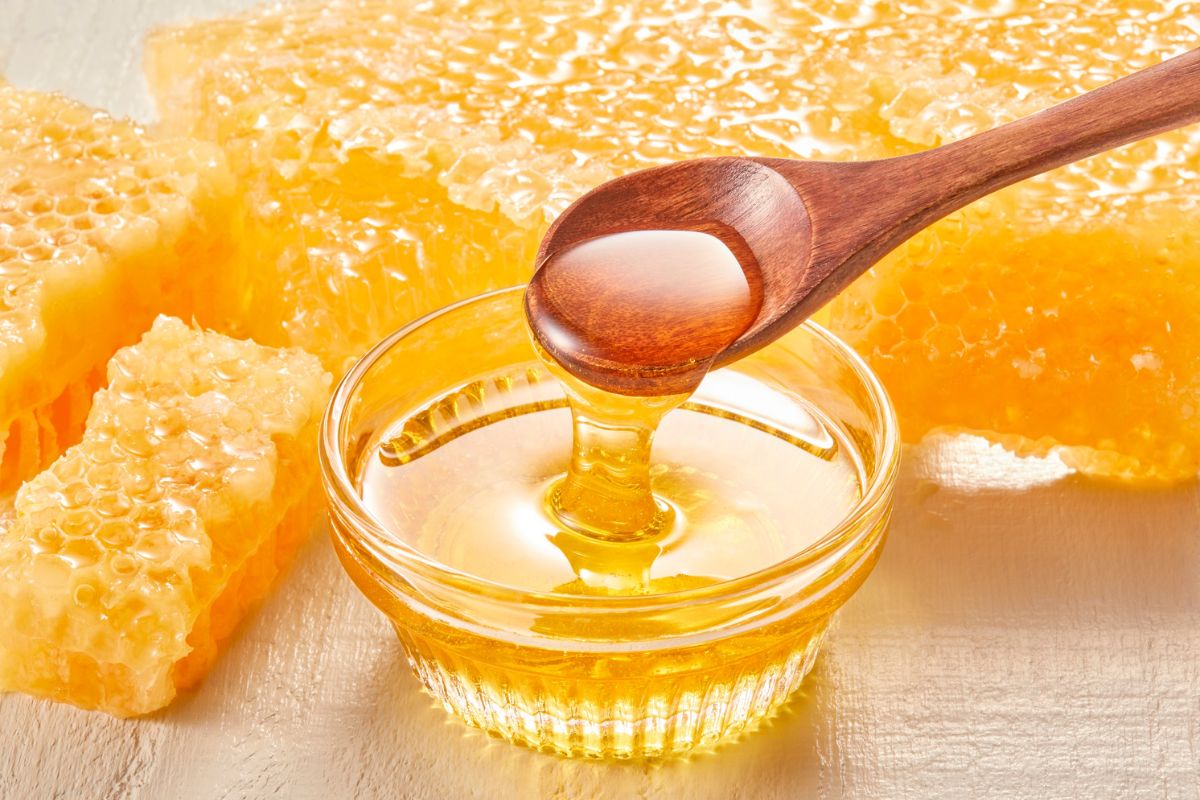
Raw honey is simply taken from the honeycomb, passed through a strainer to remove impurities such as pieces of wax from the hive and bee parts, and then put into bottles and jars. Because it is minimally processed and not pasteurized, it generally retains more of its naturally occurring enzymes, pollen, and other compounds. It looks a bit more opaque and crystallizes over time. It may have a stronger, more natural flavour than pasteurized honey. However, the word “raw” is not a legally defined term internationally, so it's not a guaranteed standard.
Pasteurized honey, on the other hand, is heated typically to temperatures between 60°C and 80°C, to reduce yeast activity, which can ferment the honey, and dissolve the glucose crystals so that the honey doesn't crystallize as much. After that, it's filtered very finely. It looks clearer and more uniform, pours easily, and lasts a long time on the shelf. The downside of the process is that it can reduce enzyme activity, lower some antioxidant levels, and remove much of the pollen through fine filtration. Pasteurized honey is commonly used as a drink sweetener or in baking, especially since it's readily available in almost all supermarkets and usually cheaper.
What compounds are affected when honey is pasteurized?
Here's what's affected when honey is heated and filtered:
- Enzymes: When honey is being produced, bees add enzymes to it, like diastase, invertase, and glucose oxidase, which contribute to honey's health properties. For example, glucose oxidase produces hydrogen peroxide, which is what makes honey antibacterial. When honey is heated, these compounds are lost, unless they are heat-stable, such as methylglyoxal in Manuka honey.
- Antioxidants: Honey contains natural antioxidants, which are also brought down during heating.
- Pollen: Fine filtration removes pollen grains. Because pollen helps laboratories identify floral and geographic origin, removing it can make origin verification more difficult.
Can babies have pasteurized honey?
A common misconception is that pasteurized honey is safe for babies, but this is untrue: no form of honey should be given to babies under 12 months of age.
Honey can contain dormant spores of Clostridium botulinum, the bacterium that causes botulism, a life-threatening illness. A baby does not have the digestive defences to handle these spores, which may germinate in the intestine and produce a toxin, leading to muscle weakness, poor feeding, and breathing failure.
The heat used to pasteurize honey does not reliably destroy botulism spores, so pasteurized honey is no safer than raw honey for babies.
Should you buy raw or pasteurized honey?
- If you are looking to maximize honey's natural enzymes, antioxidants, antibacterial activity, and flavour, raw honey is generally preferred. Many people use it to soothe sore throats and for general wellness.
- For baking or bulk sweetening, pasteurized honey works great. Oven heat or hot tea will break down honey's delicate compounds anyway, so you may end up paying more for raw honey without gaining many of its potential advantages. A bonus is that it won't crystallize.
What to look out for when buying raw honey
When buying raw honey, it is important to look past the raw label and check for a named single-origin, a local beekeeper or farmers' market, "unfiltered" on the label, or a protected designation (PDO/PGI), which enforces a strict limit on Hydroxymethylfurfural (HMF).
For wholesale purchases, it is important to ask for the HMF quantity and diastase activity, which indicate whether the honey was overheated and whether it is fresh.
It is best not to refrigerate honey, as cold temperatures can speed crystallization. Keep it sealed, at room temperature, away from light, and it will last a very long time.