Why Go Vertical?
Whether you garden on a balcony, patio, or narrow side yard, vertical gardening lets you multiply growing space without renting extra square metres. University and extension trials show that training vining crops upward improves air flow, cuts foliar disease, and makes harvest easier. Kansas State University reports that cucumbers or pole beans grown on a trellis need only a third of the ground footprint required in traditional rows, yet yield comparably.
Key Benefits of Vertical Gardens - In a Glance
- Space efficiency – grow up, not out, using walls, fences, or freestanding frames.
- Healthier plants – better air circulation lowers fungal pressure and keeps fruit cleaner.
- Reduced strain – less bending and kneeling means gardening remains accessible for all ages.
- Higher photosynthesis – leaves receive more even light when displayed vertically, boosting yield of sun-lovers such as tomatoes and peas.
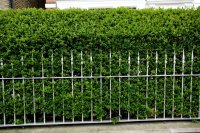
- Creative aesthetics – living walls double as privacy screens or accents on dull masonry.
Planning Your Vertical Garden
- Analyse light. Most vegetables and herbs need six hours of direct sun. South- or west-facing sites work best, but salad greens tolerate bright shade.
- Check load-bearing capacity. Balcony railings or fences must safely support wet soil, vines, and fruit.
- Choose the right support. Virginia Tech Extension recommends sturdy trellises, cages, or stakes driven 45 cm into the soil or anchored to masonry with corrosion-resistant hardware.
- Amend soil in a narrow strip. Because roots do the work in just the first 30 cm of bed, enrich with 5 cm of compost and a balanced organic fertiliser to sustain heavy feeders like cucumbers.
Urban gardening: A practical guide to growing your own food -
Check this useful online course
Tried-and-True Structures
A-Frame or “Pup-Tent” Panels
Halved cattle panels lashed together form an A-frame that spans a 120 cm bed, giving beans or squash 3 m² of vertical surface while shading cool-season greens under-arch.
Teepee or Tripod
Three bamboo poles tied at the top create a classic support for pole beans. The Nebraska Extension notes this design also doubles as a child-friendly “bean hut”.
Sturdy Tomato Cages and Stake-and-Weave
Indeterminate tomatoes respond well to the stake-and-weave method: drive a stake between every second plant and weave twine every 25 cm as vines grow.
DIY Wall-Mounted Grid
Galvanised livestock panel screwed to a sunny wall supports espaliered cucumbers or flowering vines while protecting siding from moisture.
Choosing Crops for Vertical Gardens - Which Crops Can Be Planted in a Vertical Garden
- Pole beans, snow peas, and yard-long beans climb naturally with tendrils.
- Cucumbers, melons, and small gourds: select vining, not bush, cultivars; sling heavy fruit with fabric strips to prevent stem breakage.
- Tomatoes: choose indeterminate types if you want continuous harvest and train to a single or double leader.
- Mini pumpkins or winter squash rated under 2 kg adapt well to trellises when fruit is supported.
- Flowering annuals such as sweet peas or climbing nasturtiums add pollinator appeal without stealing vegetable space.
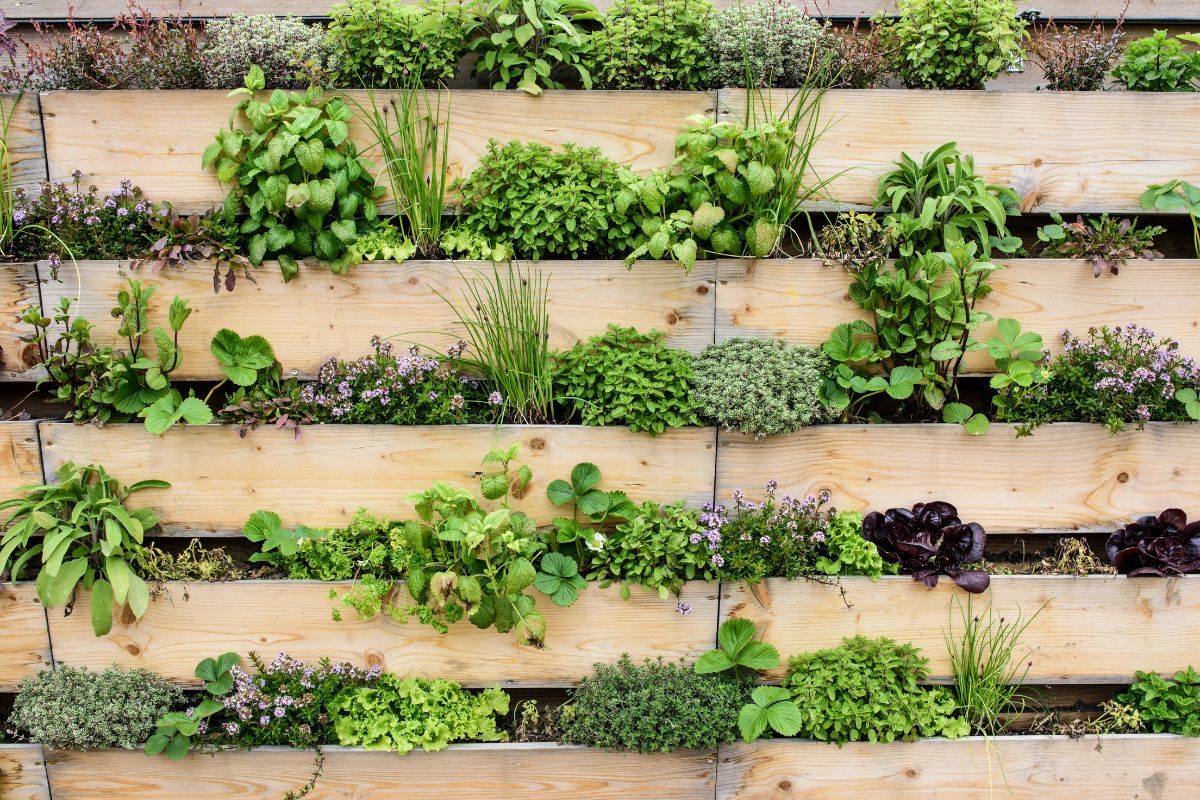
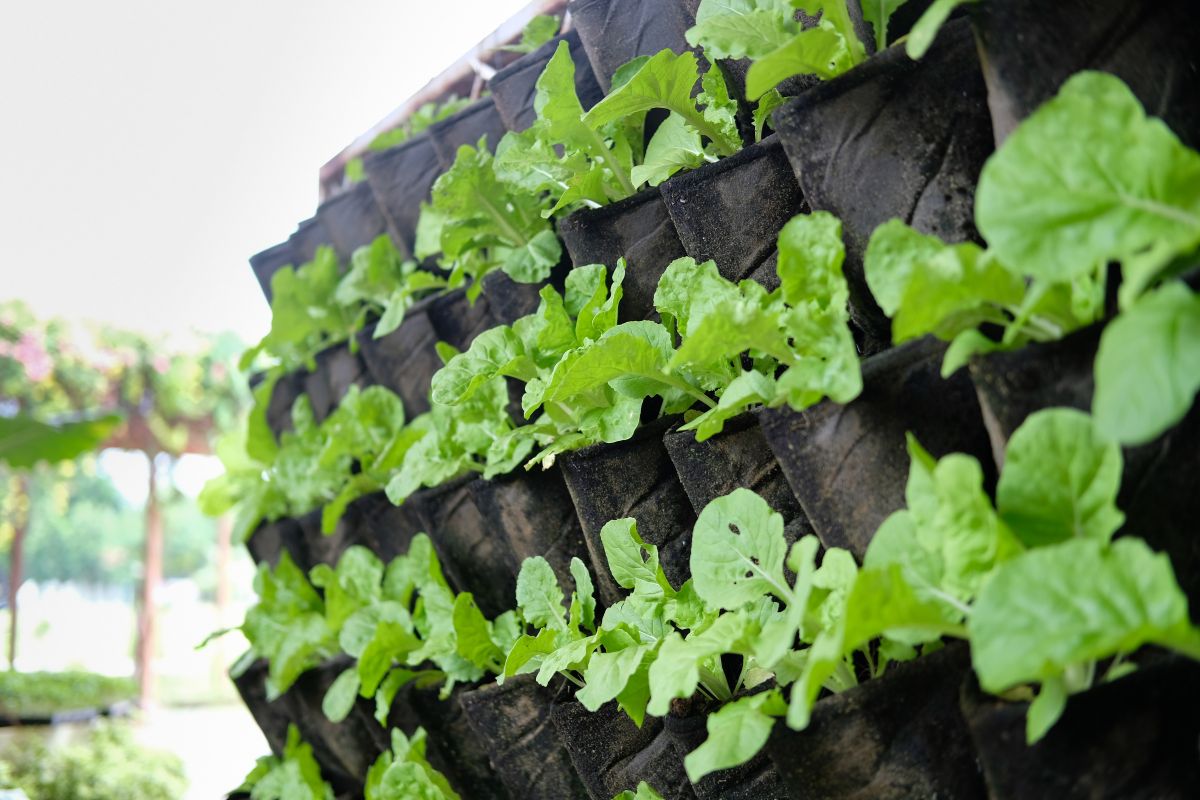
For very tight quarters, pocket planters or stacked towers let you grow compact herbs and lettuces vertically; Utah State University Extension confirms that leafy greens thrive in as little as 10 cm of rooting mix when kept moist.
Watering & Nutrient Tips
Soil in containers and vertical pockets dries faster than in-ground beds. Cornell experts recommend installing a drip line along the top rail with 2 l h⁻¹ emitters every 30 cm, or hand-watering daily during peak heat. Fertigate every two weeks with a half-strength balanced solution for fruiting crops; leafy greens need less nitrogen once mature to avoid floppy stems.
Pest & Disease Management
Raising plants off the ground limits slug and soil-borne pathogen issues. Nonetheless, monitor for aphids on pea and bean vines. A strong water jet or insecticidal soap is usually sufficient, and because leaves are more visible at eye level problems are spotted early.
Overwintering & Season Extension
Where frost is common, shift lightweight vertical frames into an unheated tunnel or wrap with clear plastic to create a lean-to cloche. Lettuce, spinach, and young kale grown this way supply greens well into late autumn in zones 5-6.
Quick Start Checklist - What Do You Need to Start Your Vertical Farm?
- Measure vertical surface and select structure.
- Install supports before sowing to avoid root damage.
- Amend a 30 cm-wide strip with compost.
- Sow or transplant vining cultivars at base; guide with soft ties every week.
- Mulch root zone to conserve moisture and deter weeds.
- Inspect twice weekly for pests and prune excessive side shoots on tomatoes.
Final Thought
From city balconies to suburban side yards, vertical gardening transforms overlooked space into a lush, productive wall of food and flowers. By following research-backed practices from university extensions, even novice growers can harvest more in less square metres while enjoying a healthier, low-strain gardening experience.
Further reading
Top 12 Container Gardening Mistakes and Expert Solutions for Thriving Plants
How to create a pollinator-friendly garden: Plants, habitats & small-space tips
Guide to choosing the best gardening tools
The best aromatic herbs for your garden and balcony
Summer activities in the garden and on the balcony: A complete guide to plant care
Guide to organic pest and disease control for your plants in the garden and balcony
Complete guide to harvesting and storing summer fruits from your garden
Drought and Heat-Resistant Herbs for Balcony Gardens: Low-Maintenance Plants for Summer
How to Keep Your Balcony Plants Alive During Summer: Care Tips for Everyday Gardeners