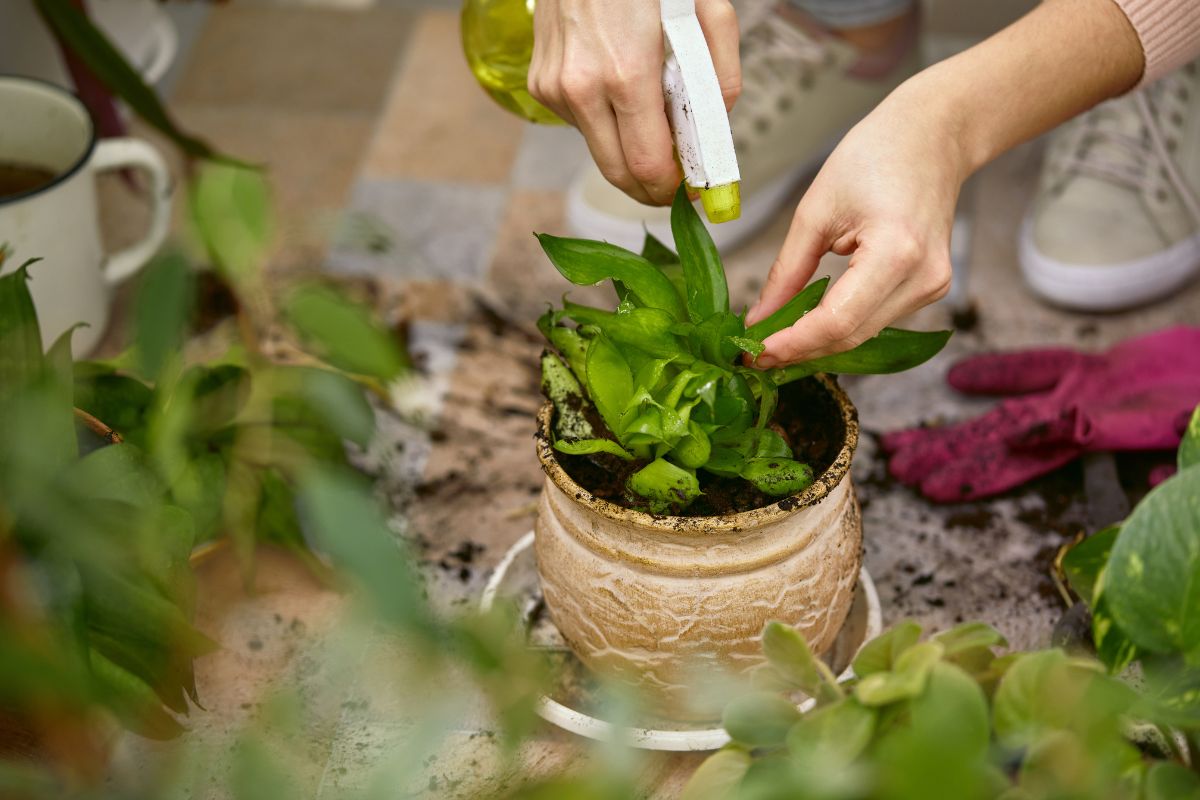
Organic control of pests and diseases in the garden is the healthiest and most environmentally friendly approach to keeping our plants in excellent condition. Instead of using chemical pesticides that can harm the ecosystem, natural insecticides offer effective solutions without side effects for humans and the environment.
Understanding Common Garden Pests
Aphids
Aphids are small insects that feed on plant sap and can cause significant damage. They usually appear in colonies on the underside of leaves, causing yellowing and plant deformation.
Whitefly
The whitefly is a small white insect that flies when the plant is disturbed. It causes yellowing of leaves and can transmit viral diseases.
Spider Mites
These microscopic mites produce characteristic webbing on plants. They thrive in dry and hot environments and can cause severe leaf discoloration.
Natural Insecticides – Recipes and Applications
Garlic and Onion Solution
This potent homemade recipe is among the most effective natural insecticides:
- 1 liter water
- 1 head of garlic (grated)
- 1 onion (grated)
- 1–2 tablespoons hot red pepper
- 1 tablespoon green soap
Let the mixture sit for 1 hour, strain, and spray the plants in the evening.
Baking Soda and Vegetable Oil
This Cornell University recipe is highly effective:
- 3.5 liters of water
- 15 grams baking soda
- 15 grams vegetable oil
- 3 drops liquid soap
Spray preventively every 5–7 days to protect against fungi and insects.
Commercial Organic Insecticides
Potassium Salts of Fatty Acids
This is the first insecticide every gardener should have. It effectively combats aphids, whiteflies, thrips, stink bugs, and scale insects. Its action is mechanical—it suffocates insects by blocking their breathing.
Summer Oil
Summer oil is essentially paraffin oil, with action similar to potassium salts. It’s especially effective against scale insects and spider mites.
Natural Pyrethrum
Derived from a flower similar to a daisy, it’s highly effective against a broad range of insects. It acts quickly and has low toxicity for mammals.
Beneficial Insects – Natural Allies
Bees and Pollinators
Bees and other pollinators are essential for fruit production. Create a pollinator-friendly garden by planting a variety of flowering plants.
Ladybugs
Ladybugs are natural predators of aphids. A single ladybug can eat up to 50 aphids per day. Attract them by planting cosmos, dill, and carnations.
Predatory Mites
Used for the biological control of spider mites and other harmful mites. You can purchase them from specialized stores.
Preventive Measures and Practices
Healthy Soil – Healthy Plants
Maintaining good soil condition with regular compost and organic matter boosts plants’ natural defenses against diseases.
Proper Drainage
Poor drainage creates conditions favorable for fungal diseases. Ensure water doesn't pool around plant roots.
Garden Cleanliness
Regularly remove dead leaves and plant debris that can harbor pathogens and insects.
Natural Fungicide Recipes
Milk Solution
Milk is highly effective against powdery mildew:
- 1 part milk
- 9 parts water
Spray plants in the morning weekly.
Cinnamon Solution
Cinnamon has antifungal properties:
- 1 teaspoon cinnamon powder
- 1 liter water
Let it soak for 2 hours and spray.
Seasonal Protection Program
Spring
- Check plants for signs of infestation
- Apply preventive sprays with baking soda
- Attract beneficial insects by planting flowers
Summer
- Intensify inspections due to increased insect activity
- Spray in the evening to protect bees
- Maintain consistent soil moisture
Autumn
- Clean up plant debris from the growing season
- Prepare the soil for winter
- Collect and destroy infected plant remains
Application Techniques
Spraying Time
Always spray in the late afternoon (after 6:00 PM) to protect bees and other beneficial pollinators.
Plant Coverage
Ensure you cover all plant surfaces, especially the underside of leaves, where insects often hide.
Application Frequency - How often should apply them in your plants?
Natural insecticides require more frequent applications than chemical ones. Reapply every 5–7 days or after rain.
Organic pest control is a long-term strategy that requires patience and consistency, but the results are rewarding for both plant health and the environment.
Further reading
Permaculture and Raised Beds Cultivation for Small Spaces: The Ultimate Urban Gardening Guide
The Best Fruit Plants to Grow: Your Complete Guide to Easy, Productive Backyard Fruit Gardening
Square foot gardening: Maximize your harvest in minimal space
Drought and Heat-Resistant Herbs for Balcony Gardens: Low-Maintenance Plants for Summer
How to Keep Your Balcony Plants Alive During Summer: Care Tips for Everyday Gardeners
Transform Your Balcony into a Mediterranean Oasis: Best Summer Plants for Color & Fragrance