

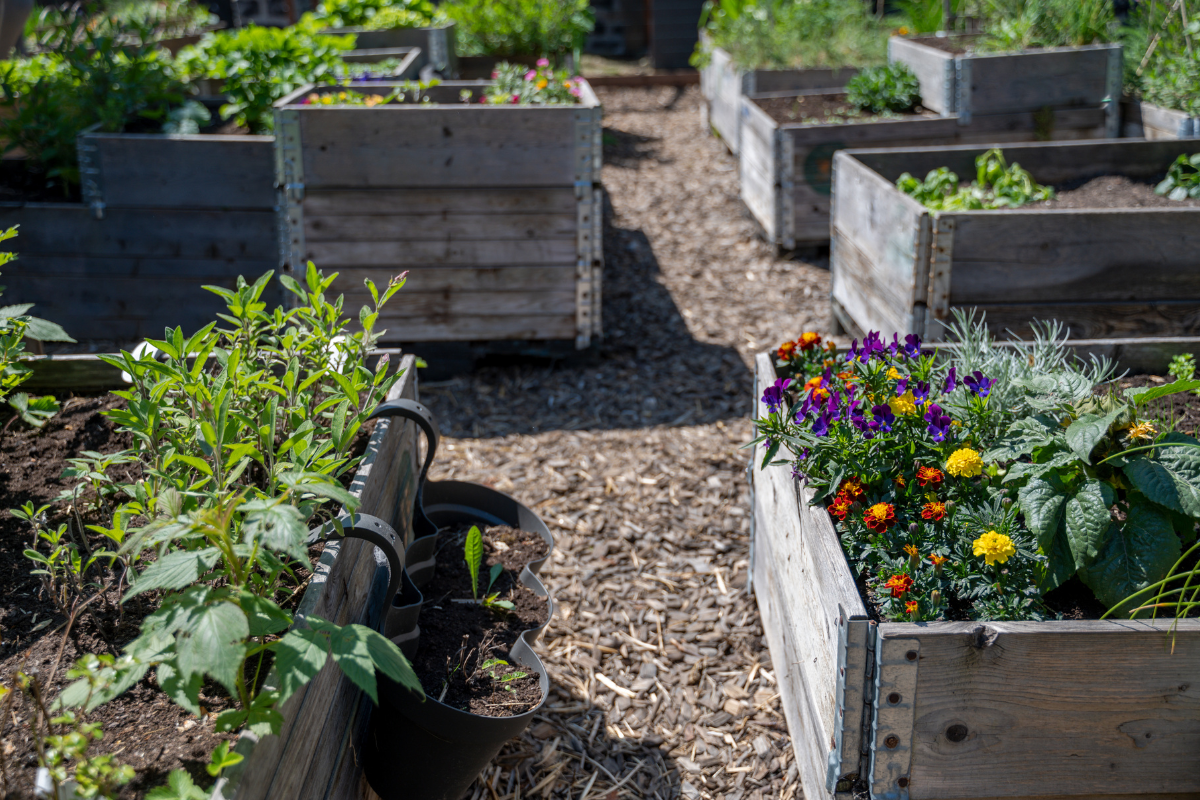
The Rise of Urban Permaculture Gardening
Urban gardening is booming as city dwellers seek sustainable, productive ways to grow food in limited spaces. Permaculture principles offer a holistic framework to design resilient, self-sustaining ecosystems even in small urban environments. Among these, raised beds and companion planting stand out as practical, effective methods to maximize yield and soil health.
As Bill Mollison, co-inventor of permaculture, emphasized: "Permaculture is a set of permanent systems for persistent human existence." This philosophy becomes especially relevant for urban dwellers who want to create sustainable food production systems that work harmoniously with natural processes.
Understanding Permaculture Practices in Urban Gardening
Permaculture is a design philosophy focused on creating permanent, sustainable systems that work with nature rather than against it. For urban gardeners, this means adapting natural patterns and relationships to small spaces, fostering biodiversity, and improving soil vitality. Key permaculture principles—such as observe and interact, use and value diversity, and produce no waste—guide the creation of thriving urban gardens.
Learn more about the Twelve Principles of Permaculture in the article: Create a Permaculture Garden – Step By Step.
Raised Bed: A Core Permaculture Technique for Small Spaces
Raised beds embody permaculture’s emphasis on managing soil and water efficiently while optimizing space. They offer numerous benefits in urban settings:
- Improved soil quality and control—essential where native soil may be poor or contaminated
- Better drainage and root health
- Extended growing seasons due to warmer soil
- Reduced soil compaction and easier access for gardeners of all abilities

Optimal Dimensions for Small Spaces balance accessibility and productivity. Below you can find some recommended dimensions for your small space:
Width: For easy access from both sides, keep beds between 30 and 48 inches (76.2 and 121.9 cm) wide. For balconies and tiny spaces, 18 to 24 inches (45.7 and 61.0 cm) works well.
Length: For efficient material use, it should be at least 4 feet (121.9 cm) long, but it can extend as space allows.
Height:
- Standard beds: 10–18 inches (25.4–45.7 cm) for most vegetables.
- Deep beds: 24–30 inches (61.0–76.2 cm) for root vegetables and perennials.
- Accessible beds: 24–36 inches (61.0–91.4 cm) for wheelchair or seated gardening.
Companion Planting: Enhancing Productivity and Ecosystem Health
Companion planting is a permaculture practice that leverages beneficial plant relationships to improve yields, reduce pests, and enrich soil fertility. When combined with raised beds, it allows urban gardeners to maximize every inch of space sustainably. We have gathered some essential companion plant combinations that can be implemented in your small-space raised bed garden.
Key companion planting examples for small raised beds include:
The Three Sisters Guild

The classic combination of corn, beans, and squash—known as the Three Sisters—exemplifies the power of companion planting and mutual support in the garden:
- Corn: Acts as a natural trellis, providing sturdy vertical support for climbing bean vines. This maximizes space and ensures beans receive ample sunlight.
- Beans: As legumes, beans fix atmospheric nitrogen in the soil through their root nodules. This natural fertilization benefits both the corn and squash, reducing the need for added fertilizers and promoting vigorous growth.
- Squash: The broad, sprawling leaves of squash plants shade the soil, helping to retain moisture, suppress weeds, and create a cool microclimate at the base of the guild. This groundcover also deters some pests with its prickly stems and leaves.
Together, these three crops form a resilient, productive mini-ecosystem that supports soil health and maximizes yields.
Tomato-Centered Guilds
Tomatoes are versatile anchor plants for companion guilds, benefiting from and supporting a variety of neighbors:
- Tomato + Basil + Marigold: Basil is believed to enhance tomato flavor and growth while repelling pests such as aphids and whiteflies. Marigolds contribute further by attracting pollinators and deterring nematodes and other soil-borne pests, creating a vibrant, aromatic, and pest-resistant planting.
- Tomato + Carrots + Parsley: Carrots, with their deep taproots, help loosen the soil beneath tomatoes, improving aeration and water penetration. Parsley attracts beneficial insects like hoverflies and predatory wasps, which help control aphid populations and other common tomato pests.
- Tomato + Peppers + Onions: These crops share similar sunlight, water, and soil requirements, making them easy to care for together. Onions act as a natural pest deterrent, helping to protect tomatoes and peppers from aphids, spider mites, and other insect threats.
Space-Efficient Fruit and Vegetable Combinations
For gardeners with limited space, these fast-growing, mutually beneficial combinations ensure a continuous harvest and natural pest management:
- Lettuce + Radishes + Chives: Lettuce and radishes mature quickly, allowing for successive plantings throughout the season. Chives repel aphids and other pests, while their slender growth habit fits neatly among leafy greens.
- Spinach + Beans + Strawberries: Beans fix nitrogen, enriching the soil for leafy spinach. Strawberries serve as a living mulch, covering the ground to retain moisture and suppress weeds, and their shallow roots do not compete with deeper-rooted beans.
- Carrots + Onions + Herbs: Carrots and onions grow well together, with onions deterring carrot flies and other pests. Adding aromatic herbs like dill or cilantro further enhances pest resistance and attracts pollinators.
- Blueberry, Thyme, and Marigold: Place a dwarf blueberry bush in a large raised bed with thyme as groundcover and marigold at the edges. Thyme and marigold deter pests and attract pollinators; blueberries benefit from acidic soil and extra pollination.
Extra tip: Plants to Avoid Cultivating/Planting Together
Understanding which plant combinations to avoid is as important as knowing good companions. Some plants can inhibit each other’s growth or even cause toxicity:
- Fennel: Fennel releases compounds that inhibit the growth of most vegetables, so it should always be planted separately, away from other crops.
- Walnut Trees: Walnuts produce juglone, a chemical that is toxic to tomatoes and many other vegetables. Avoid planting sensitive crops near or under walnut trees.
- Beans and Onions: Onions and other alliums can stunt the growth of beans by interfering with beneficial soil bacteria. Plant these crops in separate beds for best results.
- Tomatoes and Brassicas (Cabbage Family): Tomatoes and brassicas (such as cabbage, broccoli, and kale) compete for similar nutrients and space, which can lead to reduced yields and increased pest issues. Keep these families apart in your garden plan.
By thoughtfully arranging your crops in companion guilds and avoiding incompatible pairings, you can create a healthier, more productive garden that naturally resists pests, maximizes yields, and makes the most of your available space.
Integrating Raised Beds and Companion Planting in a Permaculture Mini Food Forest
What is a Food Forest?
A food forest emulates a natural woodland, where each plant serves a specific function and contributes to the ecosystem. By arranging plants from the tallest trees down to the smallest ground cover, you can cultivate a greater amount of food in a limited area while enhancing soil quality and minimizing pests. Creating a mini food forest in a raised bed applies permaculture layering principles—shrubs, herbs, groundcovers, roots, and vertical plants—to maximize productivity and ecosystem function in small spaces. Companion planting guilds fit naturally into this layered design, fostering mutual support among plants.
Step-by-Step Guide for Setting Up a Small-Space Food Forest
1. Choose the Right Location
- Sunlight: Select a spot with at least 6 hours of sunlight daily.
- Accessibility: Ensure easy access for planting, watering, and harvesting.
- Drainage: Use well-draining soil to prevent waterlogging.
2. Build Your Raised Bed
- Size: Common small raised bed sizes include: 2' x 4' (60 x 120 cm), 2' x 6' (60 x 180 cm), 3' x 6' (90 x 180 cm), 4' x 4' (120 x 120 cm)
- Materials: Use untreated wood, bricks, or recycled materials.
- Soil: Fill with a mix of compost, topsoil, and organic matter.
3. Design the Layers
Permaculture food forests use seven layers. You can adapt them in a small raised bed by focusing mainly on shrub, herbaceous, groundcover, root, and vertical layers. The canopy and sub-canopy levels can be removed completely.

Supporting Practices: Water Management and Seasonal Planning
Water Management
Efficient water management is essential for conserving resources while ensuring optimal plant health in your garden. Permaculture practices include self-watering solutions, such as reservoir containers with built-in wicking systems, which directly provide a steady supply of moisture to plant roots, reducing manual watering frequency. Ollas, buried clay pots, deliver slow, deep irrigation, minimizing surface evaporation and encouraging robust root development. Drip irrigation systems automate water delivery, maintaining consistent soil moisture and reducing waste. To further conserve water, you can apply mulch, which cuts evaporation by 50–70%, and install rainwater collection barrels or containers to capture runoff from roofs for later use.
Additionally, greywater systems allow for the reuse of water from sinks and washing machines, providing an eco-friendly source for irrigating non-edible plants or ornamental beds. Together, these strategies create a resilient, water-efficient garden that supports healthy growth while minimizing environmental impact.
Seasonal Planning and Succession Planting
Seasonal planning and succession planting ensure continuous harvests and soil vitality year-round. Below you can find some tips on planning your year-round workflow for your permaculture garden.
- Spring Preparation (March-May):
Begin by sowing cool-season crops like lettuce, peas, radishes, and spinach, which thrive in early spring temperatures and mature quickly, making them ideal for limited space. Enrich the soil with compost to boost fertility and soil life, a cornerstone of permaculture. Install trellises or supports early for summer crops such as beans or cucumbers, making the most of vertical space and keeping pathways clear.
- Summer Management (June-August):
Transition to heat-loving crops like tomatoes, peppers, basil, and cucumbers, prioritizing varieties suited to dense planting. Use mulching to conserve moisture and suppress weeds, and consider drip irrigation or ollas for efficient watering. Practice succession planting by sowing fast-growing greens every 2–3 weeks in gaps left by harvested crops, ensuring ongoing yields and full bed utilization.
- Fall Transition (September-November):
As summer crops finish, replant with cool-season varieties such as kale, arugula, or Asian greens for a late harvest. Collect seeds from healthy plants to preserve resilient genetics for next year—a sustainable permaculture habit. Begin layering compost or mulch over empty spaces to protect soil health and prepare for winter.
- Winter Preparation (December-February):
Keep composting using kitchen scraps, even indoors if outdoor bins are inaccessible, to maintain a steady supply of organic matter. Use this downtime to plan your next garden layout, rotating crops and guilds to prevent disease and nutrient depletion. Start seeds indoors for early spring transplants, giving your small raised bed a head start as soon as temperatures allow.
By closely managing plantings through the seasons and integrating permaculture practices—like composting, mulching, vertical supports, and crop rotation—you can achieve a thriving, resilient garden that delivers fresh produce year-round, even in the smallest spaces.
Conclusion: Start Your Urban Permaculture Journey with Raised Beds and Companion Planting
By focusing on raised beds and companion planting, urban gardeners can apply permaculture principles practically and effectively in small spaces. These methods create resilient, productive gardens that nurture both plants and people, transforming limited urban areas into thriving ecosystems.
Grow smarter with practical gardening knowledge
At Wikifarmer, sustainable gardening starts with the proper guidance. Whether you’re growing in a small balcony or supporting biodiversity in your backyard, our Urban Gardening: A Practical Guide to Growing Your Own Food and Pollinator-Friendly Gardening: A Beginner’s Guide courses provide essential skills to help you succeed. From soil preparation to pollinator support, learn how to build a productive and eco-friendly garden—wherever you live.
🌱 Explore the Urban Gardening and Pollinator-Friendly Gardening Courses
Sources