Harvesting and storing vegetables mark the peak of every growing season—a time when months of care and patience are rewarded with fresh and delicious produce. Proper harvesting techniques and appropriate storage methods are essential for maintaining the quality, flavor, and nutritional value of your crops.
Key Principles of Successful Harvesting
Recognizing Signs of Ripeness
Each vegetable has specific visual and physical cues that indicate peak ripeness:
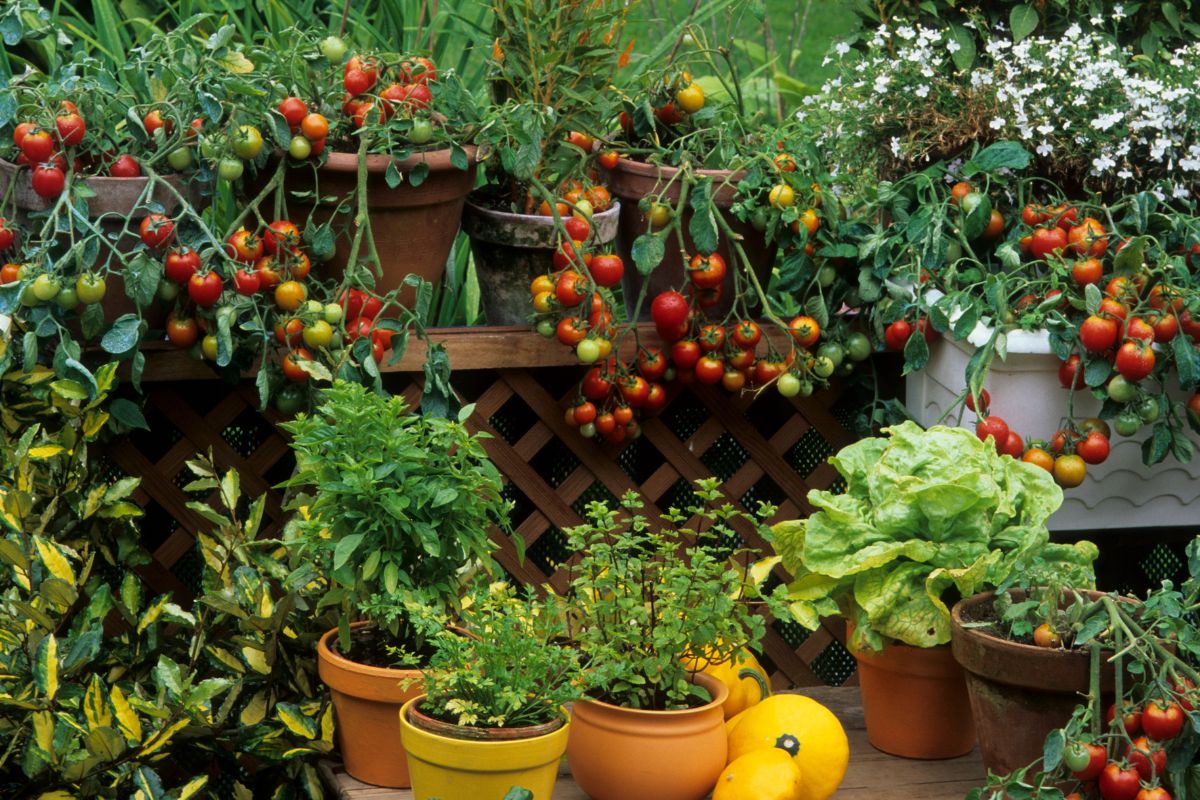
- Tomatoes: Color change from green to red, slight softness to the touch, and a distinctive aroma near the stem.
- Cucumbers: Uniform green color with no yellowing, firm texture, and 15–20 cm in length for most varieties.
- Peppers: Fully developed size and vibrant color. Green peppers can be picked earlier, while red ones should be left to ripen completely.
Summer Harvest Timeline
Early Summer (June)
This is the time to gather the first fresh vegetables:
- Lettuce and leafy greens: Harvest outer leaves while allowing the center to continue growing.
- Radishes: Ready 25–30 days after sowing.
- Strawberries: Daily harvesting during peak season.
Mid-Summer (July–August)
The period of peak production for most heat-loving vegetables:
- Tomatoes: Daily picking of ripe fruits.
- Zucchini: Harvest every 2–3 days when still young and tender.
Proper Harvesting Techniques
Time of Harvest
The ideal time is in the morning, after the dew has evaporated but before the heat of the day. At this time, plants have the highest water content and peak flavor.
Appropriate Tools
Use clean and sharp tools to avoid damaging the plants:
- Pruning shears: For stems and branches.
- Sharp knife: For thinner stems.
- Harvest baskets: Avoid plastic bags that cause compression.
Careful Handling
Handle vegetables gently to avoid bruising, which accelerates spoilage. Keep produce out of direct sunlight immediately after harvesting.
Preparation for Storage
Cleaning and Preprocessing
Gently remove soil without excessive scrubbing to prevent damage. Avoid washing leafy vegetables before storage unless they’ll be consumed immediately.
Sorting by Quality
Categorize produce as follows:
- Immediate consumption: Fully ripe or slightly damaged.
- Long-term storage: High-quality, undamaged produce.
- Canning: Overripe but still of good quality.
Storage Methods by Vegetable Type
Leafy Vegetables
High water content requires extra care:
- Temperature: 0–2°C for lettuce, 7–10°C for basil.
- Humidity: 90–95% relative humidity.
- Shelf Life: 1–2 weeks for most types.
Fruiting Vegetables
- Tomatoes: Store in a cool indoor place (18–21°C) to preserve flavor. Avoid refrigeration, which ruins texture.
- Peppers: Refrigerate at 7–10°C with 85–90% humidity.
- Cucumbers: Ideal temperature is 10–13°C; they’re sensitive to cold.
Bulbs and Roots
- Onions: Air dry for 2–3 weeks, then store in a cool (0–4°C), dry place.
- Potatoes: Store in the dark at 5–8°C with 80–90% humidity. Never below 4°C to avoid sugar conversion.
- Carrots: Remove foliage and store in moist sand in a cool space.
Alternative Preservation Methods
Freezing
Ideal for nutrient retention:
- Preparation: Blanch in boiling water for 2–3 minutes to deactivate enzymes.
- Packaging: Use airtight containers or zip-lock bags.
- Shelf Life: 8–12 months for most vegetables.
Drying
Concentrates flavor and nutrients:
- Air drying: Hang in a well-ventilated area (good for herbs).
- Dehydrator: Controlled environment for best results.
- Oven: Low heat (50–60°C) with the door slightly open.
Pickling and Fermentation
Traditional methods that add probiotics and extend shelf life:
- Pickled veggies: Cucumbers, carrots, cauliflower in vinegar.
- Kimchi: Fermented cabbage rich in probiotics.
- Salt ferments: Vegetables preserved in brine.
Addressing Common Issues
Premature Spoilage
- Causes & Solutions:
- Excess humidity → improve ventilation
- Mechanical damage → gentler handling
- Contaminated tools → use disinfectants
Water Loss
- Symptoms: Wilting, weight loss
- Solutions: Maintain proper humidity, use sealed containers
Flavor Loss
- Causes: Incorrect storage temperature
- Prevention: Follow recommended conditions by type
Seasonal Storage Schedule
Late Summer (August–September)
Prep for the major harvest:
- Clean and ready storage areas
- Stock up on packaging supplies
- Schedule canning sessions
Autumn (October–November)
- Harvest winter vegetables
- Prep onions and garlic for storage
- Final plantings for winter crops
Tips for Maximum Efficiency
Planning and Organization
- Harvest calendar: Track quantity and quality for future planning
- Storage grouping: Group vegetables by similar storage needs
- Labeling: Mark harvest dates to monitor freshness
Quality Control
- Regular checks: Weekly inspection and removal of spoiled items
- "First In, First Out" rotation: Use older produce first
- Condition monitoring: Use thermometers and hygrometers
The successful harvesting and storage of garden produce is an art that blends timing, technique, and careful management. By applying these methods, you can enjoy your garden’s fresh bounty for much longer and maximize the reward of your efforts.
Further reading
Permaculture and Raised Beds Cultivation for Small Spaces: The Ultimate Urban Gardening Guide
The Best Fruit Plants to Grow: Your Complete Guide to Easy, Productive Backyard Fruit Gardening
Square foot gardening: Maximize your harvest in minimal space
Drought and Heat-Resistant Herbs for Balcony Gardens: Low-Maintenance Plants for Summer
How to Keep Your Balcony Plants Alive During Summer: Care Tips for Everyday Gardeners
Transform Your Balcony into a Mediterranean Oasis: Best Summer Plants for Color & Fragrance
Unlocking the Potential of High Hydrostatic Pressure: A Fresh Approach to Food Preservation