

Common mistakes and how home gardeners can avoid them
Transplanting seedlings is one of the most exciting steps in any gardener's journey, as it marks the moment when plants have grown strong enough to take the next step in their development.. But too often, that moment turns into disappointment when the plants wilt, stop growing, or die altogether. If you're wondering why your transplants failed despite your best efforts, you're not alone.
Gardeners should always be aware of their plants’ health and have a basic understanding of why transplants sometimes fail. With the right strategies, you can drastically improve success rates and set your garden up for a thriving season.
What is transplant shock?
Transplant shock refers to the stress plants experience when moved from one growing environment to another, typically from a pot or seed tray into the ground or a larger container. During this transition, plants must adjust to changes in temperature, light, soil texture, moisture, and root space.
Some signs of transplant shock include:
- Wilting or drooping leaves
- Yellowing foliage
- Slowed or stunted growth
- Leaf drop
- Root rot (if watering conditions aren’t managed)
Now, let's explore why transplants often fail and what you can do to prevent it.
1. Transplanting at the wrong time
Mistake: Moving plants during extreme heat or in the middle of the day can stress them out quickly.
Solution: Always transplant during cooler parts of the day. Early morning or late afternoon is ideal. If possible, aim for a cloudy day, as this gives the plant time to adjust before it is exposed to sunlight.
Pro tip: For most vegetables and herbs, transplanting is safest when soil temperatures are warm but not hot (around 10–18°C / 50–65°F, depending on the crop).
2. Poor root development before transplanting
Mistake: Seedlings with weak or underdeveloped roots won't survive the move, especially if they haven't filled out their pots or trays.
Solution: Only transplant seedlings that have developed a strong root system and at least 2–3 sets of true leaves. Gently check the root ball before transplanting, as roots should hold the soil together without being root-bound.
If roots are tightly coiled, gently tease them apart to encourage outward growth in the new soil.
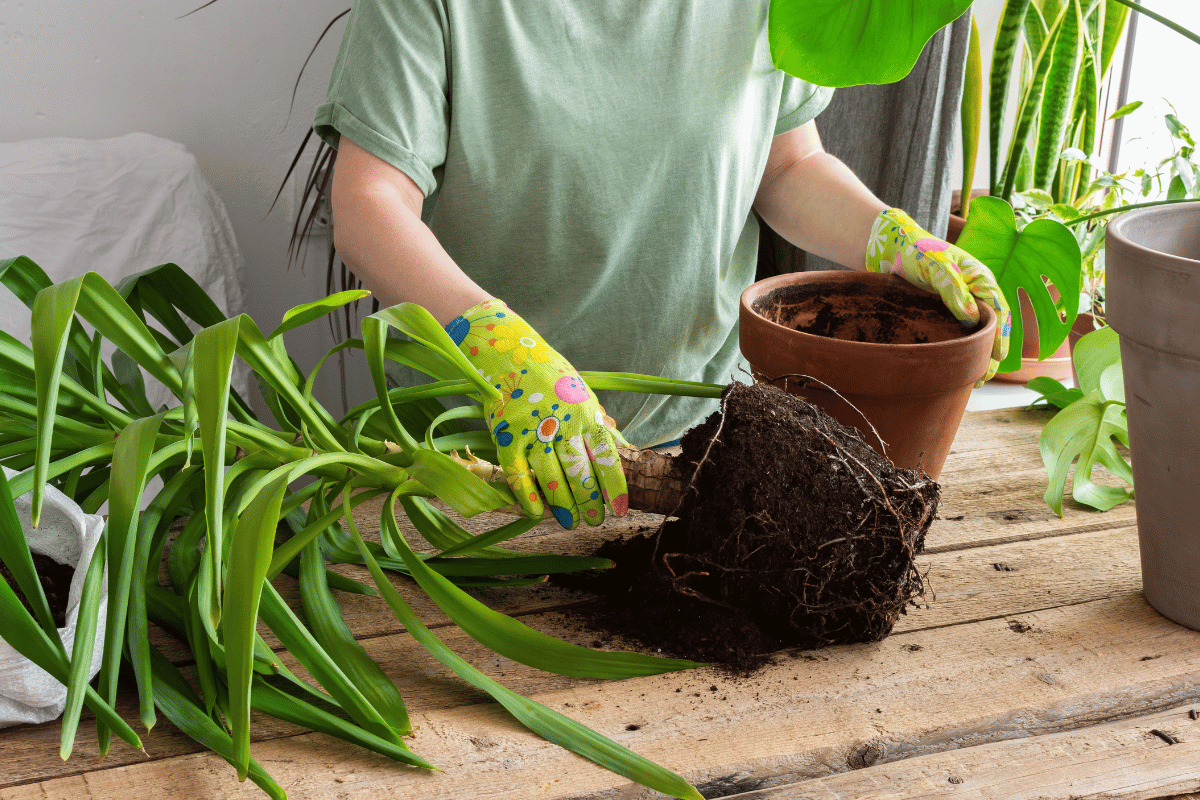
3. Damaging roots during transplanting
Mistake: Rough handling can injure delicate roots, leaving the plant vulnerable to disease and poor uptake of water and nutrients.
Solution: Water the seedlings well before transplanting, keeping the root ball intact and reducing damage. Handle the plant by the base of the stem (not the leaves), and avoid shaking off too much soil. If using biodegradable pots, plant the whole pot (removing any non-degradable tags or coverings).
4. Not hardening off seedlings
Mistake: Indoor-grown seedlings are not ready for outdoor conditions without a gradual transition, and moving them out abruptly can lead to shock or sunburn.
Solution: Harden off seedlings over 7–10 days before transplanting. Start by placing them outdoors in a sheltered, shady spot for a few hours each day, gradually increasing their exposure to sunlight, wind, and temperature fluctuations.
Remember: Skipping this step is one of the leading causes of transplant failure in home gardens.
5. Overwatering or underwatering after transplanting
Mistake: New transplants need consistent moisture, but overwatering can suffocate roots, while underwatering can dehydrate them before roots are established.
Solution: It is best to keep the soil evenly moist for the first 1–2 weeks after transplanting. You can test the soil daily using your fingers. Water deeply, not shallowly, to encourage roots to grow downward. Mulching with straw, shredded leaves, or compost helps maintain soil moisture and temperature.
6. Wrong soil conditions
Mistake: Planting into compacted, poorly draining, nutrient-deficient, or poor-quality soil can hinder root development and nutrient uptake.
Solution: Before transplanting, you should loosen the soil and mix in compost or well-rotted organic matter to improve structure and fertility. Ensure your garden bed has good drainage, especially for plants like tomatoes or peppers that dislike "wet feet."
For container transplants, it is recommended always to use fresh, high-quality potting mix appropriate for your crop.
Plants most susceptible to transplant shock
Certain vegetables are particularly sensitive to root disturbance and require special handling or direct sowing:
High-Risk Plants:
- Root vegetables (carrots, radishes, parsnips, turnips)
- Herbs (dill, cilantro, parsley)
- Cucurbits (summer squash, cucumbers, melons)
- Legumes (peas, beans)
- Corn
These plants develop taproots or have sensitive feeder roots that are easily damaged during transplanting. When transplanting is necessary, use soil blocks or biodegradable pots that can be planted directly without root disturbance.
More Tolerant Plants:
- Brassicas (broccoli, cabbage, cauliflower)
- Tomatoes and peppers
- Lettuce and leafy greens
- Herbs (basil, oregano)
Bonus tips for successful transplants
- Label your plants: Especially if you’re growing different varieties. This helps track progress and diagnose issues.
- Support tender stems: Use small stakes or collars for plants prone to bending or wind damage.
- Avoid fertilizing immediately: Wait about 7–10 days after transplanting before fertilizing to avoid stressing the plant further.
- Keep pests in check: Tender young plants are more susceptible. Use netting or organic deterrents if needed.
Final thoughts
Transplant failure can be frustrating, but most causes are preventable with a little planning and gentle handling. For home gardeners, mastering the transplanting process means healthier plants, better yields, and less wasted effort. Take time to observe, adjust, and learn from each round of planting, your garden will thank you.
References
- Planting and transplanting trees and shrubs, University of Minnesota Extension
- Using Transplants in the Garden – Wvu Extension
- Transplanting Vegetables, University of California
- Starting Transplants (PDF) – University of Illinois Extension