
Growing Aromatic Herbs - Guide for Garden & Balcony 2025
Growing aromatic herbs is one of the most enjoyable and rewarding gardening activities anyone can undertake, regardless of experience. Aromatic herbs not only provide delightful scents to your outdoor space but are also a valuable addition to your cooking, offering fresh flavors and therapeutic properties.
Gardening in compact environments, such as balconies, rooftops, and small yards, presents unique opportunities for creative design and efficient space utilization. These spaces, though limited, can be transformed into productive and aesthetically rich areas by applying specific design principles and practical techniques.
The Top 10 Aromatic Herbs for Beginners
1. Basil
The most popular aromatic herb for cooking. It withstands heat but needs protection from the cold. Plant it in a sunny location and water it regularly.
2. Rosemary
A perennial shrub extremely resistant to drought. It requires well-drained soil and minimal care. Ideal for Mediterranean gardens.
3. Thyme
One of the most famous Greek herbs. It blooms in June–July with blue flowers and has antipyretic properties. Very hardy in harsh conditions.
4. Oregano
Oregano ranks second in Greece's exports of aromatic herbs. A perennial shrub yielding up to 150 kg per stremma (1,000 m²), with an essential oil content of 3.15%.
5. Lavender
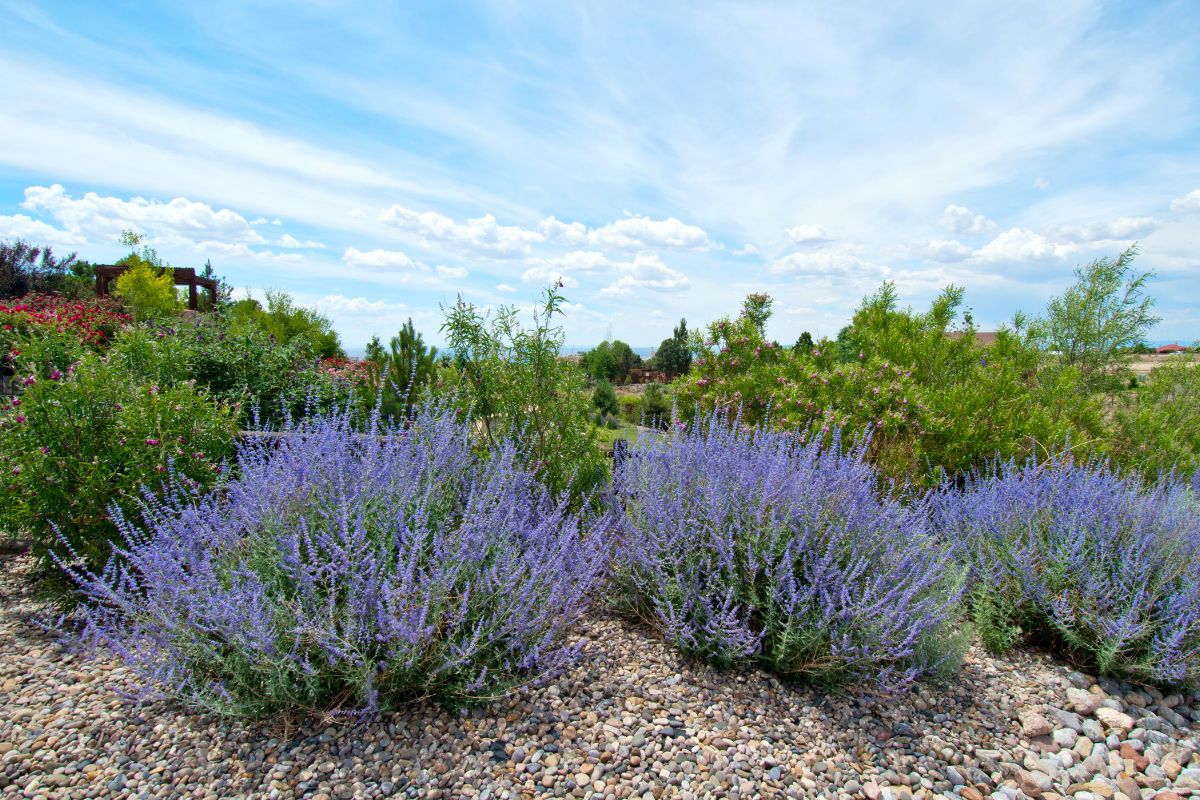
An aromatic plant with characteristic gray-green foliage and purple-blue flowers. It blooms from June to September and is drought-resistant.
6. Mint / Spearmint
A perennial herbaceous plant that reaches 30–100 cm in height. It requires soil rich in organic matter and moisture. It grows and spreads very rapidly.
7. Sage
A perennial shrubby plant with numerous branches. It tolerates strong sunlight and high heat, with distinctive narrow leaves. It has anti-inflammatory properties.
8. Dittany
A perennial aromatic herb endemic to Crete. It features round, fuzzy, silver-colored leaves that create a striking decorative effect.
9. Marjoram
An aromatic herb similar to oregano but with a milder flavor. Widely used in Mediterranean cuisine and known for its healing properties.
10. Parsley
There are four main varieties: flat-leaf, curly, Italian (broadleaf), and root parsley. It requires soil rich in organic matter and regular watering.
Designing an Aromatic Garden on Your Balcony
Choosing the Right Pots
For successful herb cultivation on a balcony, choose pots at least 20–25 cm deep and 20–30 cm in diameter. Clay pots are preferred over plastic ones as they allow better root aeration.
Soil and Fertilization
Use high-quality potting soil enriched with compost. Aromatic herbs prefer slightly alkaline soil with good drainage. Add organic fertilizer every 2 months for optimal growth.
Care and Maintenance of Aromatic Herbs
Watering and Moisture
Most aromatic herbs prefer moderate watering. Avoid overwatering, which can lead to root rot. Water the topsoil when it dries, typically every 2–3 days in summer.
Pruning and Harvesting
Regular harvesting of leaves encourages new growth. Cut flower buds before they fully open to preserve the intensity of the leaf aroma.
Culinary Uses of Aromatic Herbs
Fresh vs Dried Herbs
Fresh herbs provide more intense flavor than dried ones. Use fresh herbs at the end of cooking to maintain their aroma.
Recipes Using Herbs
• Basil Pesto: Blend fresh basil leaves with olive oil, garlic, and parmesan.
• Mint Tea: Boil fresh mint leaves for a refreshing drink.
• Thyme Oil: Infuse thyme in olive oil for a fragrant cooking oil.
Natural Insect-Repelling Properties
Many aromatic herbs serve as natural insect repellents. Mint repels ants and aphids, while thyme and oregano help protect against various insects. Place these herbs near other crops for natural protection.
Seasonal Planning – What to Do When
Spring (March–May)
Plant new herbs and repot existing ones into larger containers. It’s the ideal season to start a new herb garden.
Summer (June–August)
Increase watering and harvest regularly. Protect plants from the intense midday sun.
Autumn (September–November)
Prepare plants for winter by pruning and reducing watering. Collect seeds for the next year.
Tips for Maximum Yield
- Companion Planting: Plant herbs with similar needs together for easier care.
- Labeling: Use labels on pots for easy identification.
- Quality Seeds: Use genetically pure seeds for better results.
- Frost Protection: Move pots to a sheltered area during winter.
Growing aromatic herbs is a simple and rewarding process that any gardener, from beginner to advanced, can enjoy. With the right care and plant selection, you can enjoy fresh scents and flavors all year round.
Further reading
Permaculture and Raised Beds Cultivation for Small Spaces: The Ultimate Urban Gardening Guide
The Best Fruit Plants to Grow: Your Complete Guide to Easy, Productive Backyard Fruit Gardening
Square foot gardening: Maximize your harvest in minimal space
Drought and Heat-Resistant Herbs for Balcony Gardens: Low-Maintenance Plants for Summer
How to Keep Your Balcony Plants Alive During Summer: Care Tips for Everyday Gardeners
Transform Your Balcony into a Mediterranean Oasis: Best Summer Plants for Color & Fragrance