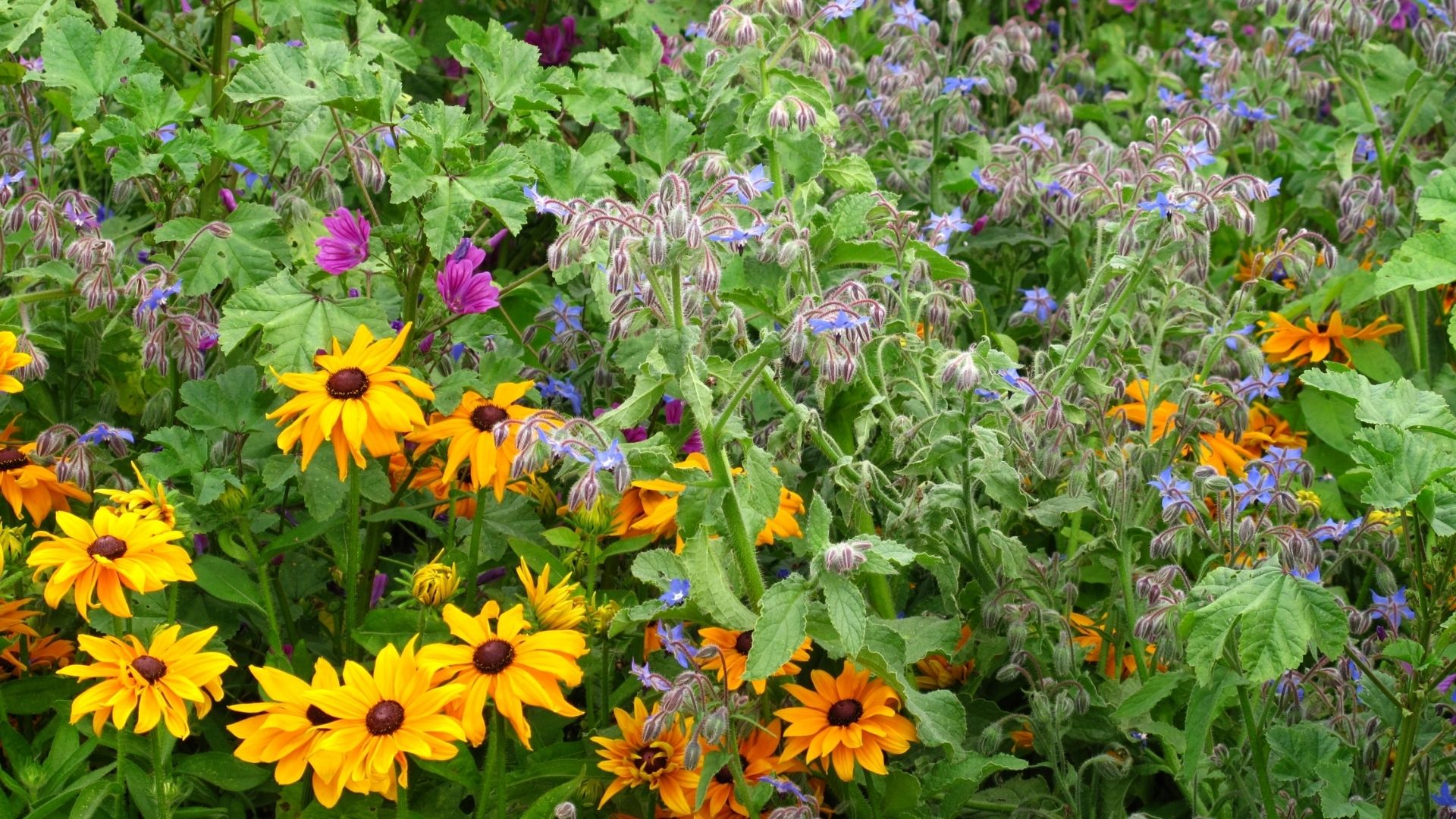
Pollinators, a diverse group that includes bees, beetles, flies, moths, butterflies, hummingbirds, and bats, are indispensable for the health of ecosystems and the production of a significant portion of the world's food crops. Like humans, these vital creatures require fundamental resources: food, water, shelter, and adequate space to sustain their populations.
These beneficial insects face significant population declines primarily due to widespread habitat loss. The encouraging news is that every garden, regardless of size, can function as a vital node in a larger urban ecological network, contributing meaningfully to pollinator survival and broader ecosystem resilience.
Urban areas present tremendous potential for providing crucial pollinator habitat. When focused on supporting these beneficial insects, individual gardening efforts create a collective impact that transforms fragmented urban landscapes into interconnected ecosystems. This approach demonstrates how personal gardening choices can contribute to larger environmental solutions.
Understanding pollinator needs
Plant Selection Strategies
- Effective pollinator gardening goes beyond simply choosing the right plants, thoughtfully planning when and how they bloom. A truly successful garden supports pollinators from early spring through late fall by offering a steady, season-long supply of nectar and pollen.
- This requires selecting a wide range of plant species with different bloom times, flower shapes, and from various plant families to meet the diverse needs of bees, butterflies, and other pollinators.
- When arranged with intention, these plants create a vibrant "nectar calendar" which serves as a dynamic and ever-changing food source that sustains pollinator activity throughout the growing season while enhancing the garden's ecological value over time.
Selection Strategies
- Native plants often attract a greater diversity of pollinators than cultivars.
- Single-flowered varieties are more beneficial than double-flowered types, as they offer easier access to nectar and pollen.
- Planting in larger blocks or clusters of the same species is more effective than scattering individual plants, making foraging easier and more efficient for pollinators.
Providing food, water, and shelter
But food alone isn’t enough.
To truly support pollinators and beneficial insects, a garden must also provide shelter and water. Many wild bees are solitary and nest in places we often overlook: undisturbed soil, hollow plant stems, or cracks between stones. Others overwinter beneath leaf litter or in mulch. Butterflies, beetles, and predatory insects also rely on quiet, protected spaces during harsh weather or life stage transitions.
You can support these needs by:
- Leaving small areas of bare, undisturbed soil for ground-nesting bees.
- Saving dead stems or setting aside brush piles as safe overwintering and nesting sites.
- Avoiding early spring cleanup, many insects are still sleeping beneath the surface.
- Using a mix of tall and short plants to mimic the layered structure of natural habitats.
Water is just as vital. Shallow dishes filled with clean water and a few stones for perching offer safe drinking spots for bees and butterflies. For birds and insects alike, a small water source can be a lifeline during hot, dry spells. Change the water regularly to keep it fresh and safe.
Adding a simple birdhouse can also make a big difference. Birds are not only pollinators in some cases but also natural pest managers, helping control insects that might otherwise damage your crops. Choose untreated wood and place the house in a quiet, sheltered spot. Just one birdhouse can bring life, song, and balance to your garden ecosystem.
Insect hotels are another excellent way to offer shelter. These simple structures, made from natural materials like bamboo, drilled wood blocks, and straw, provide safe nesting spaces for solitary bees, beetles, and other helpful insects. Place them in a sunny, sheltered location, ideally near flowering plants and away from strong winds or rain. Insect hotels are not only functional—they also add charm and curiosity to your garden.
Incorporating ornamental flowers and herbs
Many common herbs offer a dual benefit to the small-space gardener: they provide fresh ingredients for the kitchen while simultaneously serving as valuable nectar sources for pollinators, especially when allowed to flower.
Herbs such as Basil, Marjoram, Mint, Oregano, Sage, Thyme, Chives, and Garlic Chives produce flower spikes that are highly attractive to bees and other beneficial insects. The clustered nature of many of these herb flowers makes them particularly efficient foraging sites for bees, allowing them to conserve energy as they move from bloom to bloom.
Beyond nectar, certain herbs also function as crucial host plants for specific butterfly species, supporting their larval stages. Cilantro, Dill, Fennel, and Parsley, for instance, are host plants for swallowtail butterfly caterpillars. While the sight of chewed foliage might be a concern for some, recognizing this as a sign of ecological success is important; if desired, these host plants can be strategically placed towards the back of the garden where their foliage damage is less prominent.
Herbs are generally well-suited for container gardening due to their typically compact growth habits and their preference for well-drained soil. Furthermore, the mobility of containers allows gardeners to bring tender perennial herbs indoors for overwintering in colder climates, extending their productivity and enjoyment.
Ornamental plants are integral to creating visually appealing small gardens, contributing beauty, vibrant color, and delightful fragrance. Beyond their aesthetic contributions, many ornamentals also play a crucial ecological role by attracting and supporting pollinators.
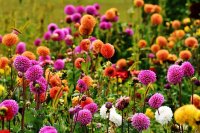
For container gardening, excellent choices among annuals that are known to be pollinator-friendly include dwarf sunflowers, various Salvia species, Black-eyed Susans, Butter Daisy, Sneezeweed, and Zinnias. These often offer continuous blooms and are well-suited for confined spaces.
For container displays, the "thriller, filler, spiller" design method creates dynamic and layered arrangements that are both attractive and functional:
- Thrillers (height/focal point): ornamental grasses, tall herbs
- Fillers (volume/mid-layer): marigolds, salvias, petunias
- Spillers (trailers): sweet alyssum, sedges, vines

Find more information on "Pollinator-Friendly Gardening: A Beginner’s Guide"
Further reading
Permaculture and Raised Beds Cultivation for Small Spaces: The Ultimate Urban Gardening Guide
The Best Fruit Plants to Grow: Your Complete Guide to Easy, Productive Backyard Fruit Gardening
Square foot gardening: Maximize your harvest in minimal space
Drought and Heat-Resistant Herbs for Balcony Gardens: Low-Maintenance Plants for Summer
How to Keep Your Balcony Plants Alive During Summer: Care Tips for Everyday Gardeners
Transform Your Balcony into a Mediterranean Oasis: Best Summer Plants for Color & Fragrance
Guide to Choosing the Best Gardening Tools
The best aromatic herbs for your garden and balcony
Complete Guide to Harvesting and Storing Summer Fruits From Your Garden
Summer Activities in the Garden and on the Balcony: A Complete Guide to Plant Care
Guide to Organic Pest and Disease Control For Your Plants in the Garden and Balcony