Summer is a critical period for our garden and balcony, where proper plant care is key to success. From pruning and fertilizing to installing automatic watering systems and protecting against harmful insects, each activity contributes to maintaining the health and beauty of our plants.
Pruning and Plant Maintenance
Summer Pruning
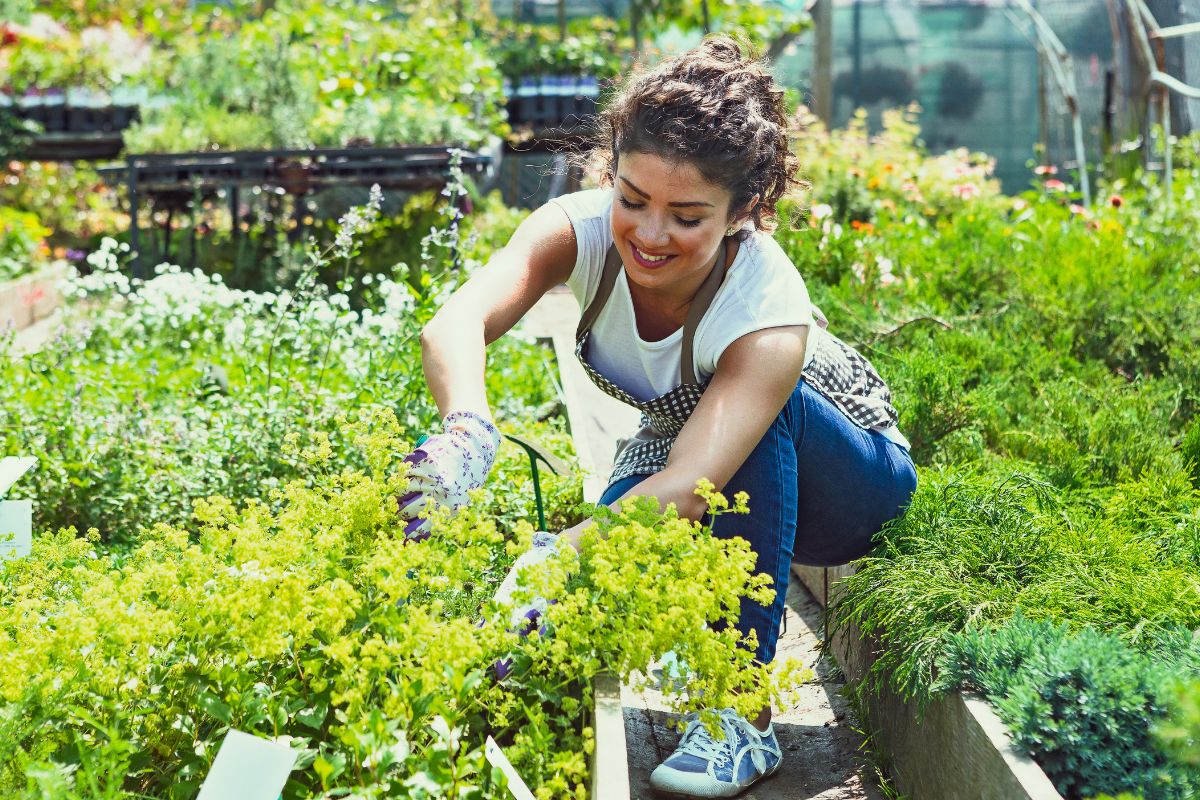
Summer pruning is necessary but differs from winter pruning. It focuses on plant maintenance and cleaning, not extensive shaping. The goal is to remove dry, diseased, or overgrown parts, manage unwanted shading, and improve air circulation.
June is an ideal time for summer pruning of:
- Lavender (after blooming, for renewal)
- Roses (deadheading – removal of wilted flowers)
- Tomatoes and peppers (cleaning side shoots)
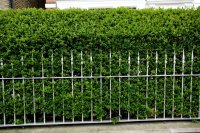
- Photinia, viburnum, and other ornamental shrubs
Important: Avoid heavy pruning on very hot days and prefer morning or evening hours.
Pruning Flowering Plants
Also known as maintenance pruning, summer pruning helps extend the flowering period. Removing faded stems encourages new growth and helps the garden stay in full bloom.
Fertilization and Plant Nutrition
Summer Fertilization
Plant and tree fertilization should be done using water-soluble crystal fertilizers or organic fertilizers—but not during heatwaves. Avoid granular fertilizers as they take longer to dissolve and act slowly.
A practical method is to combine water and fertilizer and apply it more frequently in smaller doses. Smaller and controlled amounts used regularly are more easily absorbed and more effective.
Fertilization Schedule:
- Mid-June: Second fertilization of shrubs with a slightly reduced quantity
- Summer and winter: Reduce or stop fertilization as plants enter dormancy
Watering and Moisture Management
Smart Watering
Proper watering is essential during summer. During heatwaves, water plants in the morning. First lightly moisten the soil and then, after 10–15 minutes, water thoroughly.
Automatic Irrigation
Automatic watering is a convenient, efficient, and eco-friendly solution. Main advantages include:
- Time and labor saving
- Even water distribution
- Scheduled watering at optimal times (morning or evening)
Best time to water: Early morning, so plants have all the elements they need for photosynthesis when the sun rises.
Watering Frequency:
- Cacti, succulents, and mature trees: Once a week
- Thin-stemmed plants: Daily
- Lawn: 20–25 liters per square meter, once a week
Protection from Insects and Diseases
Organic Insecticides
To combat insects, use eco-friendly insecticides that are safe for people and the environment. Natural insecticides do not harm bees and are safe for pets.
Important: Always apply insecticides in the evening, and never under direct sunlight.
Plant Spraying
Spray vegetable garden plants only with organic products in the afternoon, and ensure they are well-watered beforehand.
Mulching and Soil Protection
Benefits of Mulching
Mulching offers many benefits:
- Moisture control: Reduces evaporation from the soil surface
- Weed control: Blocks or suppresses weed seed germination
- Soil temperature regulation: Retains more moisture in the soil
Mulching Materials
Natural:
- Pine bark
- Wood shavings
- Fallen leaves
- Compost
Synthetic:
- Geotextile fabric
- Ground cover cloth
Plant Support and Protection
Supporting Vegetables
Use stakes or poles to support tomatoes and cucumbers, climbing nets for beans, and cover all vegetables with shade netting.
Protection from Weather Conditions
Shading is essential during the hot summer months. Use shade cloths or protective fabrics to shield sensitive plants from strong sunlight.
Renewal and Planting
Replacing Seasonal Plants
Replace spring seasonal plants that are wilting with new summer plants like marigolds, petunias, zinnias, and portulacas, adding fresh soil and organic fertilizer.
Sowing Aromatic Herbs
Summer is an ideal season for sowing aromatic herbs. Most aromatic herbs are sown from March to July.
Lawn Maintenance
Lawn Mowing
Mow the lawn less frequently than in spring (every 10–12 days). Fertilize after every 5 mowings, avoiding very hot days. Cutting height should not be less than 4 cm.
Lawn Watering
Water the lawn with about 20–25 liters once per week. In high temperatures, watering may be needed up to three times per week.
Preparing for Autumn
Seed Collection
One of the most important summer tasks is collecting seeds from aromatic and ornamental plants for the following year. This ensures garden continuity and saves money.
Preparing for Overwintering
Begin gradually preparing indoor plants (previously moved to the balcony) for their return indoors. Wash their leaves and pots to prevent pest infestations.
Conclusion
Summer garden and balcony care requires attention to timing and awareness of each plant’s needs. With the right approach, we can maintain a healthy and beautiful garden throughout the hot season, while also preparing the ground for autumn and winter.
Further reading
Permaculture and Raised Beds Cultivation for Small Spaces: The Ultimate Urban Gardening Guide
The Best Fruit Plants to Grow: Your Complete Guide to Easy, Productive Backyard Fruit Gardening
Square foot gardening: Maximize your harvest in minimal space
Drought and Heat-Resistant Herbs for Balcony Gardens: Low-Maintenance Plants for Summer
How to Keep Your Balcony Plants Alive During Summer: Care Tips for Everyday Gardeners
Transform Your Balcony into a Mediterranean Oasis: Best Summer Plants for Color & Fragrance