
How Functional Biscuits Are Shaping the Future of Food Innovation and Market Diversification?
What Makes Functional Foods the Next Big Market Opportunity in Health and Wellness?
Functional foods are natural or processed foods that contain biologically active compounds. When consumed in appropriate amounts, these compounds are effective, non-toxic, and provide clinically proven health benefits by targeting specific biomarkers for the prevention, management, or treatment of chronic diseases and their symptoms. Increasing consumer awareness of health and nutrition drives a shift in preferences toward functional foods, enhancing their market potential and trends. The global functional food and beverage market was valued at USD 364.18 billion in 2024. It is projected to grow from USD 398.81 billion in 2025 to USD 793.60 billion by 2032, with a compound annual growth rate (CAGR) of 10.33% during the forecast period from 2025 to 2032. In 2024, the Asia Pacific region dominated the functional food and beverage market, holding a market share of 39.45%.
Functional Biscuits Take Center Stage
Why Functional Biscuits Are Transforming the Bakery Sector
The Sweet Spot: Biscuits as a Vehicle for Health-Enhancing Ingredients
Functional foods represent an innovative approach to achieving a balance between nutrition, sensory quality, and health benefits. Ingredients suitable for functional foods can be sourced from the biodiversity of local resources, promoting food diversification. Consumer perception of "food as medicine" will shape the purpose of adding functional ingredients to meet daily nutrient needs. Gaining acceptance and trust from consumers regarding locally sourced ingredients and flavours is crucial. This perspective will help in utilizing functional ingredients from local sources, making them applicable as functional foods with diverse and global applications. Innovative functional foods are key drivers of food diversification, leveraging the synergistic potential between expanding market demand and diverse food categories. Among the most promising applications is the
functional bakery sector, particularly biscuits. Their widespread appeal, convenience, and versatility make them an ideal vehicle for delivering health-enhancing ingredients to a broad consumer base.
What Are the Best Strategies for Implementing Functional Foods in Biscuit Applications?
Biscuit Market Growth
Embracing functional foods in biscuit applications represents a groundbreaking innovation that meets the evolving demands of consumers while utilizing essential insights from the global market. As of 2023, the global biscuit market is valued at an impressive USD 108.9 billion and is projected for significant growth. It is expected to reach USD 115.3 billion in 2024 and soar to USD 172.3 billion by 2032. This reflects a robust compound annual growth rate (CAGR) of 5.9% throughout the forecast period from 2024 to 2032. The sweet biscuit segment dominated the market in 2021 and is anticipated to be the fastest-growing segment from 2022 to 2030.
Strategies for Functional Biscuit Development
Top Formulation Strategies for Healthy, High-Quality Biscuits
Sweet biscuits are a type of biscuit known for their soft dough consistency. These biscuits typically contain high levels of fat and sugar, which contribute to their tenderness. However, the growing demand for healthier options has led to the creation of low-fat and low-sugar alternatives. While developing these healthier biscuits presents challenges, it also offers opportunities for innovation in formulation and processing, which allows for the optimization of health benefits. The insights shown in Figure 1 illustrate strategies to produce high-quality functional biscuits that cater to health-conscious consumers by focusing on dough rheology and selecting appropriate types of fats.

Figure 1. Strategies to Produce High-Quality Functional Biscuits
Ingredient Innovation
How to Achieve High Quality Functional Biscuit?
Dough rheology and fat type selection are the initial stages in evaluating the desired characteristics of biscuits. The ideal biscuit dough should be cohesive without being overly elastic. Cohesiveness is essential for ensuring that the dough blends well during the biscuit processing, while the appropriate level of elasticity is necessary for achieving clean cuts during the molding phase. Dough characteristics such as plasticity, elasticity, cohesiveness, softness, and pourabili
ty can be assessed when the dough is kneaded or pulled, which reflects its consistency. Consistency in dough rheology is a crucial factor that can indicate the success of biscuit formulation development and processing. The incorporation of hydrocolloids (0-2% xanthan gum and HPMC, 0-1% CMC, and 1-2% gum arabic and guar gum), along with the type of flour and any food additives or pro
cessing aids used, is key to achieving the right viscoelasticity and rheology for a functional biscuit.
Processing Considerations
Optimizing Fat Type and Quantity for Superior Biscuit Dough
How important is fat type selection and dough rheology in functional biscuit processing?
The selection of fat type and the optimization of its quantity are essential for achieving the desired rheological properties in biscuit dough. Fat is the primary ingredient in biscuits and plays a critical role in both the dough and the final product. The type and amount of fat used significantly influence the viscoelastic and rheological properties of the dough, which, in turn, determine the desired texture, mouthfeel, and overall sensory experience of the final biscuit through its interaction with other ingredients. Texture profile analysis results indicate that the type of fat used significantly impacts dough texture. Therefore, understanding fats' characteristics and functional properties in biscuits is essential for selecting the appropriate type and quantity.
Consumer Drivers & Market Success
Key Factors Behind the Rise of Functional Biscuits
Dough characterization involves examining its viscoelastic behavior, which is essential for measuring and evaluating dough properties. Ingredients, formulation, and processing parameters influence the rheology of dough To achieve the desired dough rheology in functional biscuit processing, it is crucial to standardize the use of ingredients and processing conditions. Evaluating ingredient properties includes determining the optimal amounts to be used in the formulation, which is a critical factor in producing the right dough characteristics that ultimately reflect the quality of the final product. Figure 2 displays an image of biscuits made with the following ingredients: 0.08% citric acid, 0.11% amylase, 0.11% protease, 7% coconut flour, and 3% psyllium, all based on the total formulation. The final product has a crispy and tender texture, allowing for easy dough handling and ensuring the right consistency for the biscuit dough.
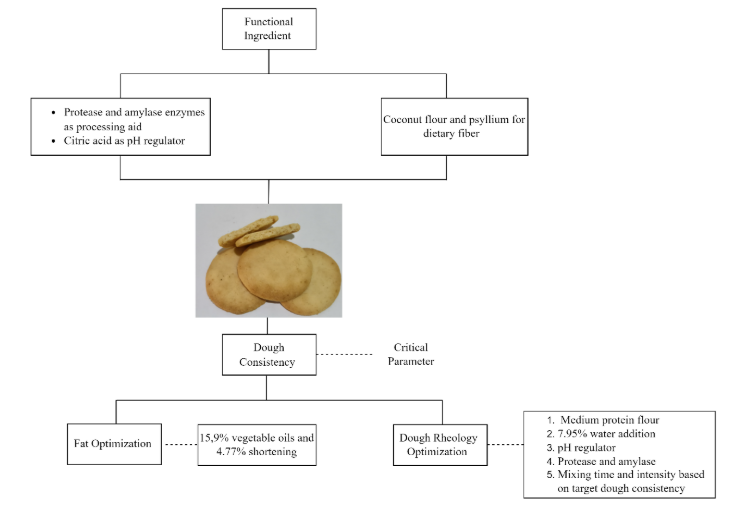
Figure 2. Functional Biscuit Application
What are the key factors behind the market success of functional biscuits?
The success of functional biscuits hinges on a strategic evaluation of several key factors that influence consumer acceptance. As demand for health-focused products grows, the integration of functional ingredients must not only deliver nutritional benefits but also align with taste, texture, and overall sensory expectations. Market sustainability will ultimately depend on how effectively these products meet evolving consumer preferences and their willingness to embrace and repeatedly purchase healthier biscuit alternatives. Innovation strategies and the development of functional biscuits are essential for aligning with consumer preferences and current market trends, thereby encouraging purchases. The key to successfully developing functional biscuits lies in integrating knowledge from scientific literature, market reports, and consumer trend analyses. Additionally, it is crucial to consider food regulations and to leverage practical insights gained from previous research collaborations between academics and the food industry.
Regulations governing functional food products must ensure that these items deliver specific physiological benefits within established safety limits. Additionally, functional foods should exhibit sensory attributes that are both appealing to consumers and suitable for regular consumption. These regulations are crucial for producers, as they help guarantee the use of quality ingredients, proper formulations, and safe processing methods. The industry plays an active role in supporting developing and commercializing new products in the functional food sector.
When incorporating functional ingredients into biscuit formulations, it is essential to maintain a balance among the components, taking into account their characteristics, interactions, and regulations pertaining to processing aids and food additives. Furthermore, determining and monitoring critical control points at each stage of the production process is necessary to ensure that the functional biscuit products are of high quality and safe for consumption. Figure 3 below illustrates the key factors that contribute to the success of the functional biscuits market.
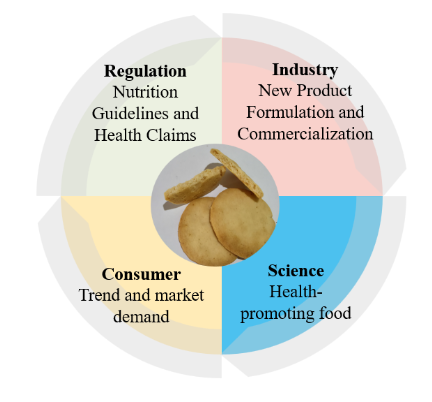
Figure 3. Key Factors Determining Success of Functional Biscuits Market.
Reference:
Fortune Business Insights. 2025. Functional Food and Beverage Market Size, Share & Industry Analysis, By Type (Functional Cereals & Grains, Functional Dairy Products, Functional Bakery Products, Functional Fats & Oils, and Other Functional/ Fortified Foods), Distribution Channel (Supermarkets/ Hypermarkets, Convenience Stores, Online Retail, and Others) and Regional Forecast, 2025-2032. Source: Functional Foods Market (Last accessed on 4 May 2025).
Market Research Future. 2025. Biscuits Market Research Report Information By Type (Crackers, Savoury Biscuits and Sweet Biscuits), By Distribution Channel (Independent Bakeries, Online Channels, Convenience Stores, Supermarkets and Others), and By Region (North America, Europe, Asia-Pacific, and Rest Of The World) Forecast Till 2032
Source: Biscuits Market 1918 (Last Access 4 May 2025)
Gur, J., Mawuntu, M., & Martirosyan, D. 2018. FFC’s advancement of functional food definition. Functional Foods in Health and Disease, 8(7), 385–397. https://doi.org/10.31989/ffhd.v8i7.531
Bank, T. W., Kotilainen, L., Rajalahti, R., Ragasa, C., and Pehu, E. 2006. Agriculture and Rural Development Discussion Paper 30 Health Enhancing Foods Opportunities for Strengthening the Sector in Developing Countries. http://www.worldbank.org/rural
Schober, T. J., O’Brien, C. M., McCarthy, D., Darnedde, A., and Arendt, E. K. 2003. Influence of gluten-free flour mixes and fat powders on the quality of gluten-free biscuits. European Food Research and Technology, 216(5), 369–376. Influence of gluten-free flour mixes and fat powders on the quality of gluten-free biscuits — European Food Research and Technology
Manley, D. 2000. Technology Of Biscuits, Crackers and Cookies. Woodhead Publishing Limited, USA.
Cauvain, S. P. 2015. Cookies, Biscuits and Crackers: Formulation, Processing and Characteristics. In Encyclopedia of Food Grains: Second Edition (Vols. 3–4, pp. 37–43). Elsevier Inc. https://doi.org/10.1016/B978-0-12-394437-5.00119-4
David Wesley, S., Helena Maria André, B., & Clerici, M. T. P. S. (2021). Gluten-free rice & bean biscuit: characterization of a new food product. Heliyon, 7(1). https://doi.org/10.1016/j.heliyon.2021.e05956
Dick, M., Limberger, C., Cruz Silveira Thys, R., de Oliveira Rios, A., and Hickmann Flôres, S. 2020. Mucilage and cladode flour from cactus (Opuntia monacantha) as alternative ingredients in gluten-free crackers. Food Chemistry, 314. Mucilage and cladode flour from cactus (Opuntia monacantha) as alternative ingredients in gluten-free crackers — Food Chemistry
Naseer, B., Naik, H. R., Hussain, S. Z., Zargar, I., Beenish, Bhat, T. A., and Nazir, N. 2021. Effect of carboxymethyl cellulose and baking conditions on in-vitro starch digestibility and physico-textural characteristics of low glycemic index gluten-free rice cookies. LWT, 141. Effect of carboxymethyl cellulose and baking conditions on in-vitro starch digestibility and physico-textural characteristics of low glycemic index gluten-free rice cookies
Further reading
Probiotics in Specialty Foods: Benefits, Strains, and Future Trends
The revolution of functional foods: Trends, markets, and opportunities
Can AI Help You Eat Smarter with Functional Foods?
Bamboo Shoots: Sustainable Superfood for Next-Gen Functional Foods
What Are Probiotics and Why Are They Beneficial?
Marine animals and plants as omega 3 fatty acids sources
Functional Foods - What does the term functional food mean?
Single Enzymes uses in Bakery Products