
In 2025, the concept of 'food as medicine' has become more and more popular, as the line between what we eat and how it impacts our health becomes difficult to define. While many functional foods have been consumed for centuries, the rise of new and emerging products (fortified and enriched foods) adds complexity to the marketplace. Nowadays, consumers have been actively seeking for products that support their health goals, are nutritious and flavorful. However, with so many options available, navigating supermarket shelves can be overwhelming and confusing, and consumers may not recognize which products will truly benefit them.
Functional food market is projected to reach $359.81 billion in 2025 and $595.49 billion by 2033 and the need for clarity is more pressing than ever. Artificial intelligence (AI), particularly tools like ChatGPT or Perplexity, can provide valuable insights to help consumers navigate the growing variety of functional foods available.
What Exactly Are Functional Foods?
There is a common misunderstanding that functional foods are an innovation, which is not true. They are products that humans have been consuming for centuries (raw or processed), but now, the ongoing scientific research has confirmed or even enhanced their value. Functional foods are simply products that provide benefits beyond basic nutrition, either through naturally occurring compounds or added ingredients.
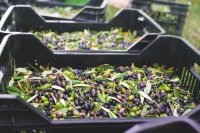
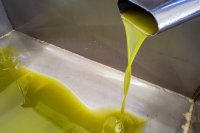
Take, for example, the Mediterranean diet, which is rich in functional foods whose health benefits are increasingly supported by scientific research. Foods like artichokes, table olives and olive oil, capers, and yogurt all contain rich profiles of bioactive compounds such as monounsaturated fatty acids, phenols, flavonoids, isoflavonoids, phytosterols, and phytic acid—each known for their health-promoting properties. Another example is Indian cuisine, which uses traditional ingredients such as turmeric and ginger. Turmeric contains curcumin, a powerful compound with anti-inflammatory and antioxidant properties, while ginger is known for aiding digestion, reducing nausea, and supporting immune health.
It's clear that many functional foods likely already have a place in your kitchen. But how can we incorporate them into our diets more regularly and structured? Despite the growing awareness of their benefits, many people struggle to include functional foods in their daily routines. Busy schedules, lack of time for meal preparation, and the convenience of processed alternatives (or supplements) often stand in the way. Additionally, not everyone knows how to cook with certain functional ingredients or how to combine them effectively for maximum health benefits.
The 2025 Functional Food Landscape
As we progress through 2025, several areas of human health are dominating the functional food space:
Gut Health
The gut microbiota is fundamental in human health, as it influences digestion, immunity, metabolism, and even mental well-being. Advances in research highlight the importance of functional foods in shaping this microbial ecosystem, with prebiotics standing out as key dietary compounds.
Prebiotics, primarily non-digestible fibers, serve as fuel for beneficial gut bacteria. Through their fermentation in our intestines, they generate short-chain fatty acids (SCFAs) such as acetate, propionate, and butyrate, which contribute to intestinal health, inflammation regulation, and energy metabolism. These compounds enhance gut barrier integrity and communicate with the immune and nervous systems, linking gut health to broader physiological functions. A diet rich in prebiotic fibers, which can be found in foods like onions, garlic, bananas, and whole grains.
Cognitive Supporters
Mental health has become, finally, a topic of great importance and open discussion. Brain-supporting functional foods are receiving increasing attention. Scientific studies examine how specific dietary components can enhance cognitive function and mental well-being. Key dietary antioxidants showing promise for cognitive support include vitamins C and E, polyphenols, and carotenoids. These compounds can counteract oxidative stress, which has been linked to cognitive decline and mental fatigue, particularly relevant for individuals experiencing high work stress.
Sleep Facilitators
As sleep quality becomes increasingly recognized as a foundation of good health, functional foods supporting restful sleep are receiving significant scientific attention.
Research has identified numerous functional foods with sleep-promoting properties, including barley grass powder, whole grains, maca, asparagus powder, lettuce, cherries, kiwifruits, walnuts, and milk.
The functional components responsible for these sleep-enhancing effects include tryptophan, GABA, calcium, potassium, melatonin, pyridoxine, L-ornithine, and hexadecanoic acid. These bioactive compounds work through various mechanisms to support the body's natural sleep cycles.
How AI Can Transform Your Functional Food Journey
So, we have established that there are countless options and that the products are easily available. Although, given the fact that everyone’s nutritional needs are unique, how do you determine which ones will truly benefit you? This is where artificial intelligence (AI) steps in.
Advanced AI systems can now analyze individual health data, dietary preferences, and wellness goals to create highly personalized nutrition plans. Rather than relying on generic advice, you receive tailored recommendations that align with your specific needs. For example, if you’re looking to improve digestion while managing a genetic predisposition to cardiovascular disease, AI can suggest an optimal combination of functional foods to address both concerns.
Bridging the Knowledge Gap with AI
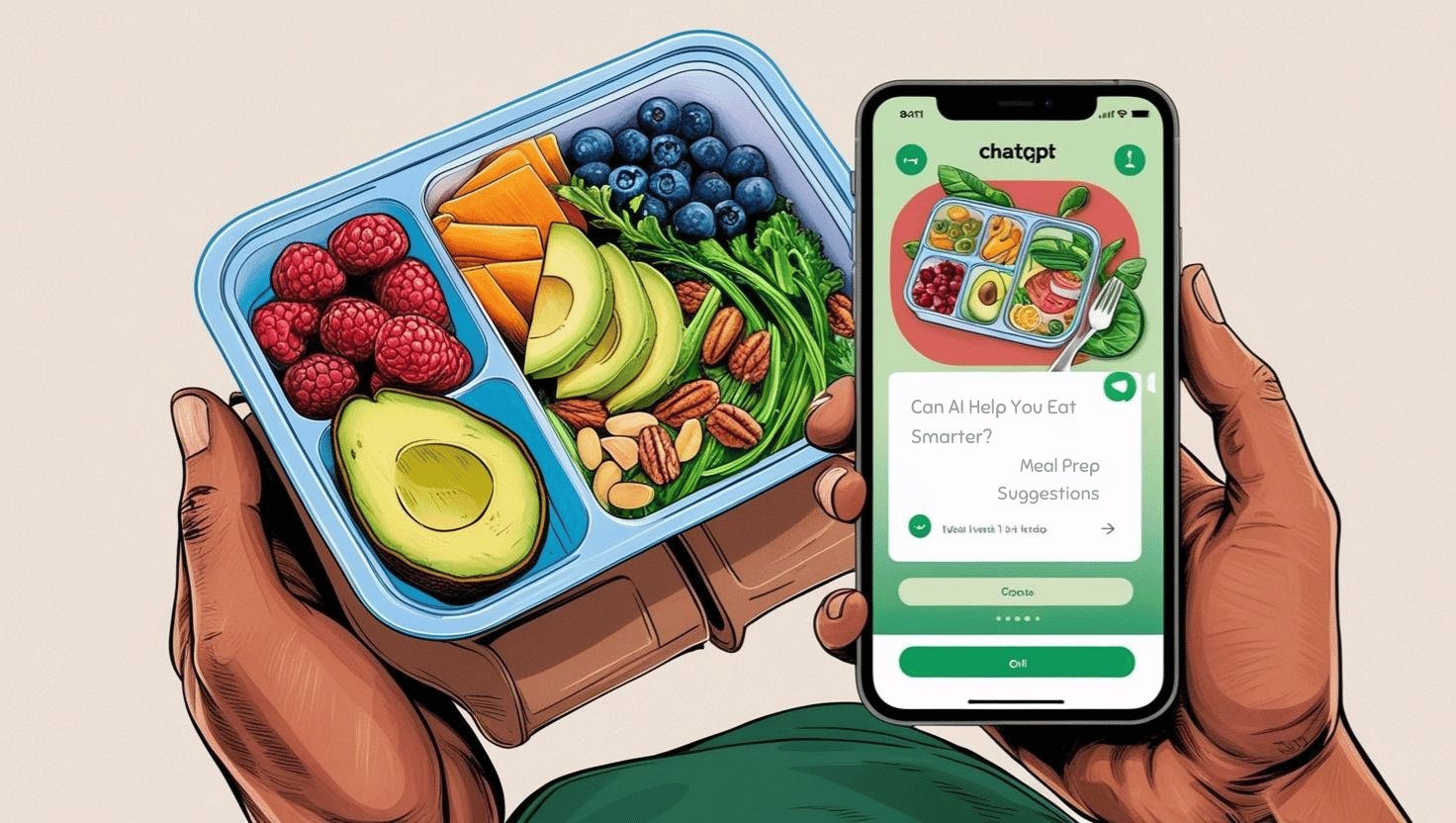
Many consumers understand the importance of functional foods but struggle to integrate them into their daily meals due to lack of time, meal-planning challenges, and overwhelming choices at the grocery store. AI-powered tools like ChatGPT and FoodiePrep AI are changing this.
- ChatGPT can act as your functional food guide. Simply ask, "I'm trying to boost my immune system but don’t know where to start with functional foods," and it will generate a tailor-made list of evidence-backed ingredients, explain their benefits in plain language, and suggest practical ways to incorporate them into your meals.
- FoodiePrep AI takes this a step further by helping users with meal planning and recipe generation based on their available ingredients and dietary needs. It removes the guesswork from preparing functional meals, making healthy eating easier and more accessible.
- GenoPalate is a platform that recommends diets based on an individual's DNA, identifying specific nutrients they may need more of (e.g., omega-3s for heart health or curcumin for inflammation).
Real-World Applications
Consider these practical scenarios:
- Smarter Meal Planning: You open your fridge and find kale, blueberries, and leftover quinoa. Instead of ordering takeout, you ask FoodiePrep AI for a functional recipe that supports heart health. Within minutes, you're preparing a nutrient-packed meal that maximizes the benefits of these ingredients.
- Weekly Meal Prep: Instead of spending hours researching recipes, you can ask ChatGPT to generate a 7-day meal plan based on your dietary preferences, available ingredients, and functional food goals. Whether you need high-protein breakfasts, quick lunches, or dinners rich in antioxidants, AI can create a structured plan that fits your lifestyle.
- More Efficient Grocery Shopping: Rather than wandering supermarket aisles overwhelmed by choices, AI can generate a shopping list of the best functional foods for your specific health goals—helping you save time and make more informed decisions.
AI-Powered Personalized Meal Planning - Real Example
I asked ChatGPT to create a personalized vegetarian meal plan focused on immune support, gut health, and balanced nutrition to explore how AI can make functional food recommendations. I included my dietary preferences (vegetarian, peanut-free) and time constraints (Monday-Friday, 9-5 job). In general, the more information you provide, the more tailored the diet will be. You can add, for example, your location so it can suggest products that are produced locally or are available in your region. Additionally, considering seasonality ensures that the meal plan includes fresh, nutrient-rich ingredients that are at their peak. You can also specify your cuisine preferences ( Mediterranean, Indian, Asian) so the plan aligns with your taste and cultural background. Here's what it generated:
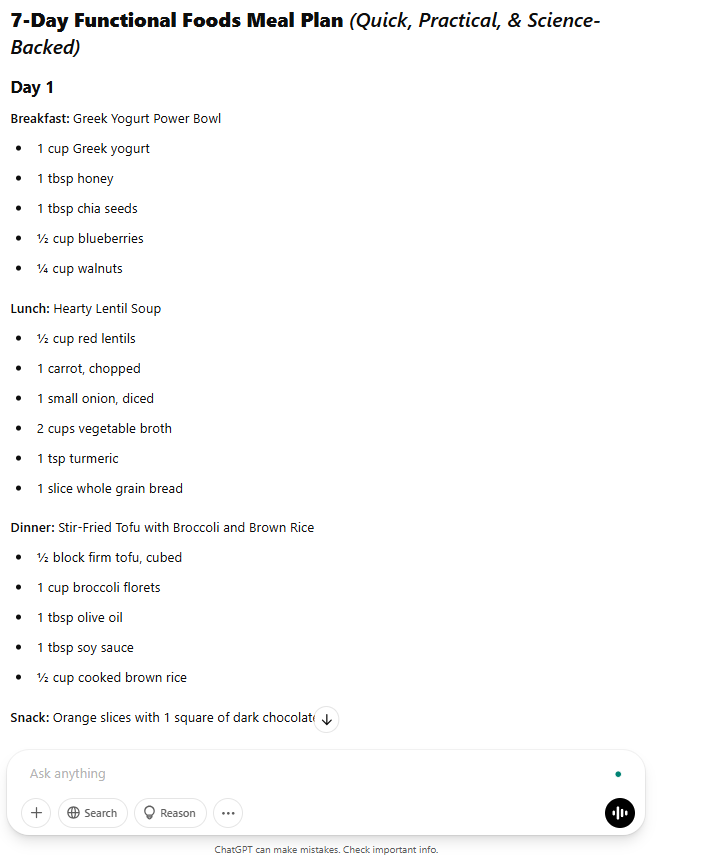
(And so on for the full week...)
Grocery List
Fruits & Vegetables
Bananas, blueberries, oranges, mango, avocados, spinach, cherry tomatoes, bell peppers, carrots
Proteins & Dairy
Greek yogurt, kefir, halloumi cheese, feta cheese, eggs, tofu
Pantry & Dry Goods
Oats, whole grain bread, quinoa, brown rice, basmati rice, lentils, chickpeas, black beans, almond milk, chia seeds, flaxseeds, sunflower seeds, almonds, walnuts, dark chocolate (70%+)
Condiments & Spices
Cinnamon, turmeric, miso paste, tahini, olive oil, honey, sea salt, black pepper, chili flakes
Why These Foods?
This AI-generated plan integrates fermented foods (kefir, miso, Greek yogurt) for gut health, legumes, and whole grains for fiber and immunity, and antioxidant-rich ingredients (turmeric, ginger, berries) to fight inflammation.
Efficiency & Meal Prep Tips
- Batch cooked lentils, quinoa, and roasted veggies for the week.
- Make smoothie bags (pre-portioned fruits + seeds) to blend in seconds.
- Prepare overnight oats or chia pudding for grab-and-go breakfasts.
- Roast a batch of chickpeas or nuts for quick snacks.
Should We Trust AI With Our Diets?
The question isn’t whether AI can manage our diets—it's whether it should. AI offers precision in analyzing data and tailoring recommendations, but it lacks the human touch required for holistic nutrition planning:
- For healthy individuals seeking general guidance, AI-powered tools are convenient and cost-effective.
- For those with complex medical conditions, unique dietary needs, or that are in sensitive consumer groups (e.g. pregnant women, children, etc), human oversight remains essential.
Ultimately, the best approach combines AI's efficiency with the empathy and expertise of dietitians or healthcare professionals.
The Bottom Line
The true innovation isn't in the functional foods themselves, which have been part of traditional diets for centuries, but in our ability to personalize their application using AI technology. This convergence creates a more accessible path to targeted nutrition that works for individual needs, transforming how we approach ".
References
- Laparra JM, Sanz Y. Interactions of gut microbiota with functional food components and nutraceuticals. Pharmacol Res. 2010 Mar;61(3):219-25. doi: 10.1016/j.phrs.2009.11.001. Epub 2009 Nov 13. PMID: 19914380.
- Sosa-Holwerda A, Park OH, Albracht-Schulte K, Niraula S, Thompson L, Oldewage-Theron W. The Role of Artificial Intelligence in Nutrition Research: A Scoping Review. Nutrients. 2024 Jun 28;16(13):2066.
- Zeng Y, Yang J, Du J, Pu X, Yang X, Yang S, Yang T. Strategies of Functional Foods Promote Sleep in Human Being. Curr Signal Transduct Ther. 2014 Dec;9(3):148-155.
- Bavaro AR, Tarantini A, Bruno A, Logrieco AF, Gallo A, Mita G, Valerio F, Bleve G, Cardinali A. Functional foods in Mediterranean diet: exploring the functional features of vegetable case-studies obtained also by biotechnological approaches. Aging Clin Exp Res. 2024 Oct 16;36(1):208.
- Kennedy SJ, Ryan L, Clegg ME. The Effects of a Functional Food Breakfast on Gluco-Regulation, Cognitive Performance, Mood, and Satiety in Adults. Nutrients. 2020 Sep 29;12(10)
- Kalogerakou T, Antoniadou M. The Role of Dietary Antioxidants, Food Supplements and Functional Foods for Energy Enhancement in Healthcare Professionals. Antioxidants (Basel). 2024 Dec 10;13(12):1508.