
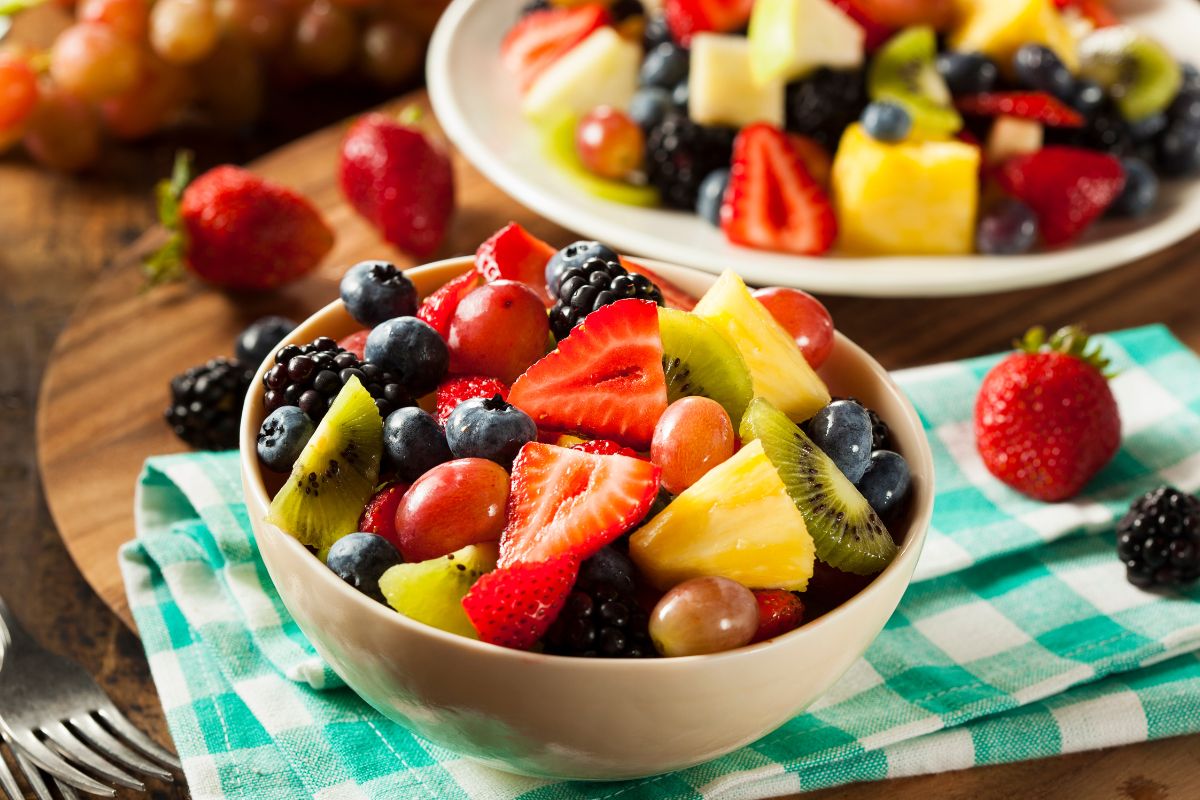
The scorching summer heat calls for light, refreshing meals that nourish the body while cooling us down. A well-crafted summer fruit salad offers the perfect solution, combining the season's finest produce with essential nutrients and vibrant flavors. But creating the ultimate summer fruit salad goes beyond simply mixing fruits in a bowl. The key lies in understanding seasonal availability, making sustainable choices, and mastering proper preparation techniques.
The Importance of Seasonal Selection
Summer fruits reach their nutritional and flavor peak during their natural harvest time. Eating fruits when they are in season guarantees that you get the highest nutritional value and the best taste. The summer months bring an incredible abundance of fruits that have been naturally ripened in optimal conditions, resulting in superior taste, texture, and nutritional content.
Best Summer Fruits Choices
Berries, melons, and stone fruits represent the pinnacle of summer produce. From late June through August, nature provides us with an exceptional variety:
Stone Fruits: Peaches, nectarines, plums, and apricots hit their stride during summer months. These fruits are best when they reach peak ripeness naturally on the tree, developing their characteristic sweetness and juiciness.
Berries: Strawberries peak in May-June, while blueberries, raspberries, and blackberries continue throughout the summer. These antioxidant powerhouses provide vibrant colors and intense flavors when consumed in season.
Melons: Watermelon, cantaloupe, and honeydew melons offer exceptional hydration and natural sweetness during the hottest months. Watermelon is often known as the fruit of this season due to its refreshing and hydrating qualities.
Other Summer Favorites: Cherries, grapes, mangoes, pineapples, and kiwi fruit also shine during summer months, each contributing unique flavors and nutritional profiles to your fruit salad.
Choosing Organic: Health and Environmental Benefits
When creating your summer fruit salad, prioritizing organically grown fruits provides significant advantages for both your health and the environment. Research consistently demonstrates that organic fruits and vegetables could increase your antioxidant intake by 20-40%.
Superior Nutritional Profile
Organic strawberries have more nutrients and antioxidants than their conventional counterparts. Studies show that organic tomatoes are 50% higher in vitamin C content than conventional tomatoes, indicating similar benefits likely extend to other organic fruits. The enhanced nutritional density occurs because organic produce contains 19% higher levels of phenolic acids, 69% higher levels of flavanones, 28% higher levels of stilbenes, 26% higher levels of flavones, 50% higher levels of flavonols, and 51% higher levels of anthocyanins compared to conventionally grown produce.
Choose Sustainable and Organic
Organic products reduce public health risks to farm workers, their families, and consumers by minimizing their exposure to toxic and persistent chemicals. Children are especially vulnerable to pesticides, making organic choices particularly important for families.
Supporting Local Farmers: Building Stronger Communities
Purchasing fruits from local farmers markets provides benefits that extend far beyond the immediate nutrition and taste advantages. When you buy from local farmers, you're doing more than just purchasing food; you're investing in your community.
Economic Impact
Freshly picked produce is guaranteed to be in season, ensuring the best flavor and nutritional value possible. But the benefits extend to economic sustainability as well. Buying directly from the farmer cuts out the middleman and increases profitability. While the average farmer receives only 10 cents of each food dollar when selling through conventional retail channels, farmers who sell direct to consumers receive 80 cents of each food dollar—a significant economic boost that helps sustain local agricultural operations.
Environmental Benefits
Local food production over imported substitutes can lead to significant cost and carbon savings. While food transportation accounts for approximately 11 percent of global greenhouse gas emissions from food, buying locally reduces these emissions by minimizing the distance food travels from farm to table.
Most of the fruits and vegetables sold at Farmers Markets were picked that day, or within a day or two, contrasting sharply with supermarket produce that may travel 1500 miles to get from farm to table. This freshness translates to higher levels of vitamins and minerals since fruits and veggies may lose some of their nutrients during transportation and processing.
Community Connection
Shopping at farmers markets creates valuable connections between consumers and producers. These people are often knowledgeable about the food and how to prepare the food if it is something new to you. This personal interaction helps you make informed choices about ripeness, storage, and preparation methods while building relationships within your community.
Nutritional Powerhouse: Health Benefits of Fruit Salads
Summer fruit salads offer exceptional nutritional value that supports overall health and wellness. Fruit salad is a treasure trove of vitamins and minerals, each fruit adding its unique contribution.
Essential Vitamins and Minerals
Fruits like oranges, strawberries, and kiwis are rich in vitamin C, which supports immune function and skin health. Meanwhile, fruits such as cantaloupe and mangoes are abundant in vitamin A, which support vision health, immune function, and cell growth. Bananas, peaches, and apricots provide much needed potassium, an electrolyte that helps regulate blood pressure and maintain proper heart function.
Antioxidant Protection
Fruit salad, with its diverse range of fruits, provides a rich source of antioxidants. Berries, such as blueberries, strawberries, and raspberries, are particularly high in antioxidants, helping to combat oxidative stress and reduce the risk of chronic conditions. These antioxidants protect our bodies from free radicals and may help prevent various diseases.
Digestive Health
Fruit salad is a fantastic source of dietary fiber, aiding digestion and promoting a healthy gut. Fiber adds bulk to your diet, helping prevent constipation and promoting regular bowel movements. This high fiber content also contributes to weight management by moving slowly through the digestive tract and improving satiety.
Creating the Perfect Summer Fruit Salad
Selection and Preparation
Your fruit salad's success hinges on the quality of fruits you choose. Opt for ripe fruits that exhibit vibrant colors, a firm texture, and a pleasing aroma, indicating peak freshness. For the best results:
Stone Fruits: Choose peaches, nectarines, and plums that are slightly soft to the touch, indicating ripeness.
Berries: Select plump, bright berries without signs of mold or mushiness. Berries are the best part of any fruit salad, so choose the highest quality available.
Melons: Watermelons should sound hollow when tapped, while cantaloupes should have a sweet aroma at the stem end.
Citrus Fruits: Oranges and other citrus should be firm and heavy for their size, indicating juiciness.
Essential Dressings
A well-crafted dressing elevates fruit salad from simple to spectacular. The acid from citrus juice keeps things from getting discolored while adding flavor complexity.
Honey-Lime Dressing: Combine fresh lime juice, honey, and a touch of lime zest for a classic combination that adds a touch of sweetness and shine to the fruit.
Lemon-Honey Syrup: A simple honey lemon dressing works wonderfully, whisking the two ingredients together for a basic but effective coating.
Orange-Mint Dressing: For something special, try orange zest and juice, maple syrup, vanilla, sumac (tangy and lemony), fine salt, and a touch of grassy olive oil for an elevated flavor profile.
Storage and Freshness
Proper storage ensures your fruit salad maintains its quality and safety. Store fruit salad in an airtight container in the refrigerator. These containers create the perfect level of moisture and humidity for cut fruit, helping the pieces stay fresher for longer.
Fruit salad tastes best when enjoyed within three days, but it will last up to five days in the refrigerator in an airtight container. Wait as long as possible to start making your fruit salad and save your fruit salad for last when you're preparing a big meal.
Douse the fruits in an acidic juice immediately after cutting to prevent enzymatic browning. The citrus juice acts as a natural preservative while enhancing flavors.
Environmental Considerations
Making sustainable choices when creating your fruit salad contributes to environmental protection. Sustainable food is better for the environment because it minimizes the use of finite resources, reduces waste and pollution, and supports biodiversity.
Choosing seasonal produce not only ensures optimal taste and freshness but also aligns with the body's nutritional needs during that time of the year. Summer fruits hydrate and cool the body, perfectly matching our physiological needs during hot weather.
By focusing on local and organic farming practices, the industry can significantly lower its carbon footprint. Supporting these practices through your purchasing decisions helps create a more sustainable food system while ensuring access to the highest quality produce.
Conclusion
Creating the perfect summer fruit salad is an art that combines seasonal awareness, sustainable choices, and proper technique. By selecting peak-season fruits, choosing organic options when possible, and supporting local farmers through farmers market purchases, you create not only a delicious and nutritious meal but also contribute to environmental sustainability and community strength.
The investment in quality ingredients and thoughtful preparation pays dividends in flavor, nutrition, and satisfaction. Seasonal fruits are harvested at their peak ripeness, which ensures better taste, higher nutritional value, and lower environmental impact. Whether served as a refreshing breakfast, light lunch, or healthy dessert, a well-crafted summer fruit salad represents the best of what the season has to offer—pure, natural flavors that nourish both body and soul while supporting the farmers and communities that make it possible.
Remember that the best fruit salad starts with the best ingredients, prepared with care and enjoyed fresh. By following these guidelines for seasonal selection, sustainable sourcing, and proper preparation, you'll create memorable fruit salads that celebrate summer's bounty while supporting your health and the health of the planet.
Further reading
Consumer Acceptance and Challenges of Plant-Based Meat Alternatives
Microbial Solutions in Dairy and Dairy Alternatives
Alternative proteins: a key to the future of the global food system
Plant-Based Diet: A Sustainable Choice for Health and the Environment
Smart Harvesting & Market Moves for Mediterranean Watermelons in the 2025 EU Season
How to Exploit Watermelon Rinds
8 things to consider when growing Watermelons in your Backyard
12 Amazing Health Benefits of Eating Watermelon
7 interesting facts about Watermelon you probably ignored
Strawberry Yield, Harvest, and Storage