



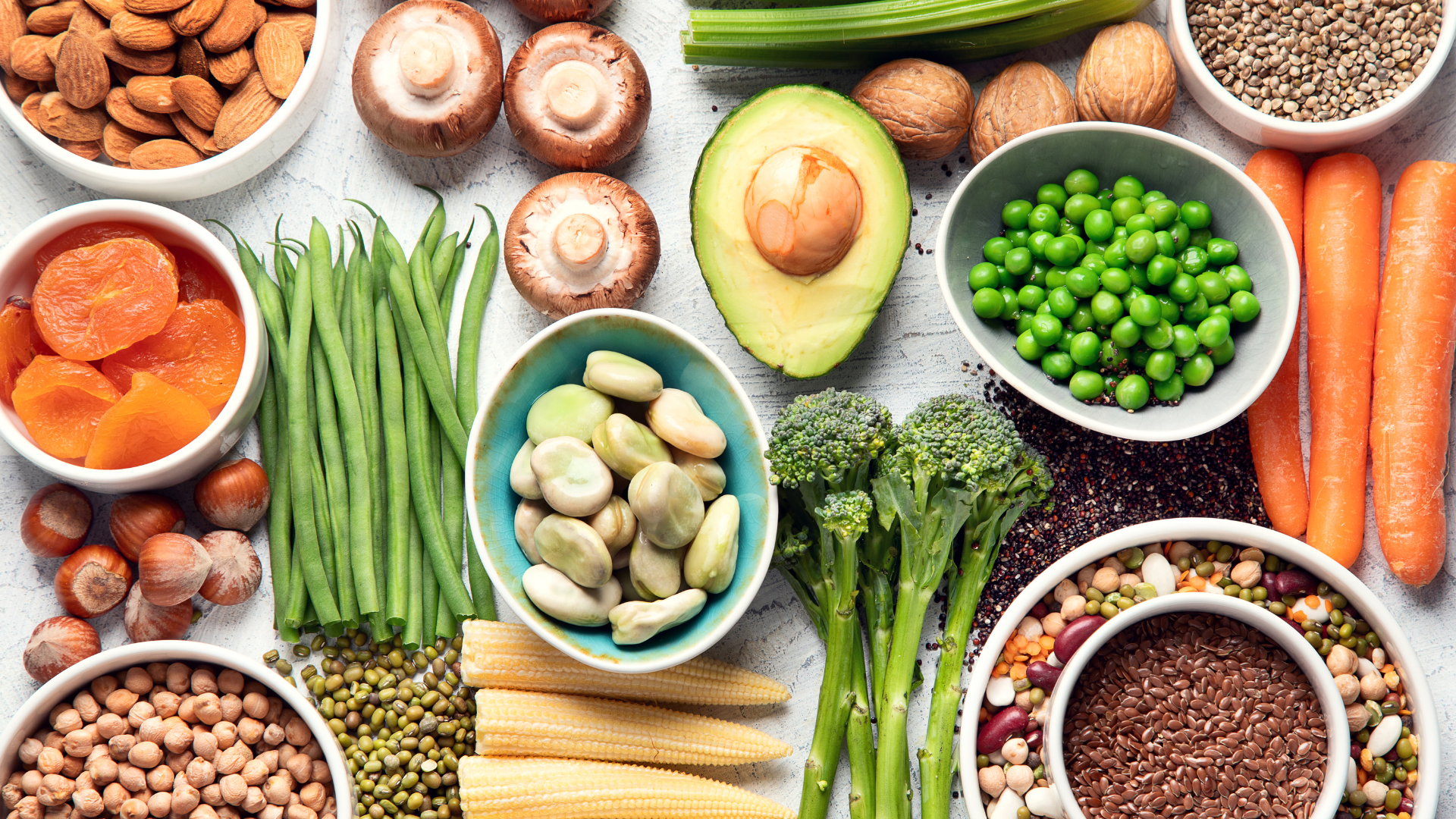
Over the years, alternative proteins have been mentioned numerously in the media for various reasons. It captured the spotlight as an advocacy by environmental activists as a way to protect the planet by reducing CO₂ emissions and, thus, taking a positive step toward the fight against global warming. It wasn't long after that plant-based diets became an international food trend projected under the influence of social media. Recently, a growing shift towards plant-based options has been driven by concerns about sustainability and personal health.
This article aims to introduce readers to alternative proteins and help them explore more about their applications in the global food system and their contribution to human nutrition, sustainability, and potentially the future economy.
What are alternative proteins?
Alternative proteins are plant-based and food-technology alternatives meant to replace traditional animal proteins, such as those found in meat, dairy products, seafood, and eggs. They include food products made from plants (for example, grains, legumes, and nuts), fungi (mushrooms), algae, insects, and even cultured (lab-grown) meat. Some of those mentioned above are traditional yet undervalued proteins, while others are a result of biotechnological innovations. These foods are designed to match the taste, texture, and culinary applications at the same price and availability as conventional animal proteins (Bright Green Partners, 2022; FAO, 2021; Good Food Institute, 2022; Lacy-Nichols et al., 2021).
Are there different types of alternative proteins?
As mentioned above, there are numerous sources of alternative proteins. However, they can be categorized into two main groups: Plant-based and Non-plant-based alternatives.
Plant-based alternatives
This category includes a spectrum of sources: from plants rich in protein (unprocessed or minimally processed), such as peas and lentils, to more processed products, such as soy-based tofu and highly processed plant-based products (e.g., vegan nuggets, sausages, and burgers). The latter are produced utilizing biotechnological advances to replicate as closely as possible the taste and texture of meat and dairy products (Bright Green Partners, 2022; FAO, 2021; National Academies of Sciences, Engineering, and Medicine; Health and Medicine Division; Food and Nutrition Board; Food Forum, 2022; Smith et al., 2024).
Non-plant-based alternatives
In this category, the alternative proteins are relatively new to the EU or specifically for protein production. Still, long-running precedents exist for their use in other cultures and contexts, including micro- and macro-algae cultivation and insects. There are also included alternatives that are entirely new in the sense that they have not until very recently been a protein source for human or animal diets anywhere: they are microbial fermentation and cultured meat (Bright Green Partners, 2022; FAO, 2021; National Academies of Sciences, Engineering, and Medicine; Health and Medicine Division; Food and Nutrition Board; Food Forum, 2022; Smith et al., 2024).
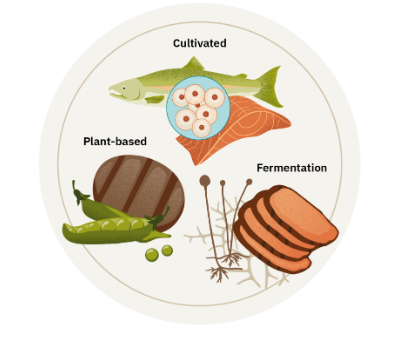
Figure 1. Categories of alternative proteins
Source: Good Food Institute
Nutritional advantages of alternative sources of protein
The nutrient profile of alternative sources of protein matters to their ability to replace conventional sources in human or animal diets. Some alternative protein sources offer a beneficial macronutrient profile compared to conventional animal-based proteins. However, their bioavailability is shown to be dependent on the type of the alternative protein, the mode of production, and processing (Bright Green Partners, 2022; FAO, 2021; Smith et al., 2024).
Microalgae and insects have a higher protein and fiber content than their conventional counterparts, although digestibility is lower. The fat content of algae and mycoprotein is much lower than that of conventional animal-based protein sources. Algae also contain high concentrations of healthy fatty acids. Cultured meat is assumed to provide the same macronutrient profile as the conventional meat products they could replace, but the feasibility of this assumption remains uncertain (Bright Green Partners, 2022; Smith et al., 2024)
Alternative protein sources have advantageous profiles when it comes to their micronutrient content, as well. Algae, insects, and fermented alternative proteins (mycoproteins) all can provide key vitamins and minerals in higher proportions than conventional proteins. However, it is still uncertain how processing affects these micronutrients and, therefore, their bioavailability. The bioavailability of micronutrients in insects has been shown to be equivalent to or higher than beef meat's. Cultured meat offers the same micronutrient profile as conventional meat products (Bright Green Partners, 2022; Smith et al., 2024).
Plant-based diets: From food trend to major sustainability advocate
In the last two decades, plant-based diets have been transformed from “just another food trend" to, possibly, the most promising, viable, and sustainable solution to the ominous global food crisis. With the world's population projected to reach 9.7 billion in 2050 from 8 billion today, one of the greatest challenges will be to feed the extra population with adequate, safe, sustainable, and nutritious food that is produced, consumed and disposed of in a way that safeguards our precious natural ecosystems (FAO, 2021; Good Food Institute, 2022).
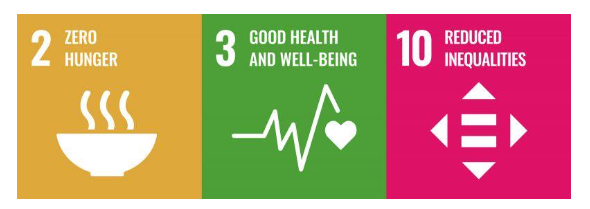
Figure 2. Sustainable Development Goals
Source: The Global Goals
The transition to more sustainable solutions has already taken place:
- Plant-based meat alternatives are present in the majority of fast-food restaurants and large chain restaurants across the globe.
- Lab-grown meat has been introduced to consumers in many countries.
- Insects are widely used to produce protein bars available in supermarkets throughout the European Union and beyond.
- Now, more than ever, the aisles, refrigerated section, and frozen food section are filled with a wide variety of meat, dairy, seafood, and egg alternatives.
- Globally, most dietary protein comes from plants (57%, and primarily grains) and secondly from animals (43%, and primarily meat, dairy, and fish).
(FAO, 2021; Smith et al., 2024)
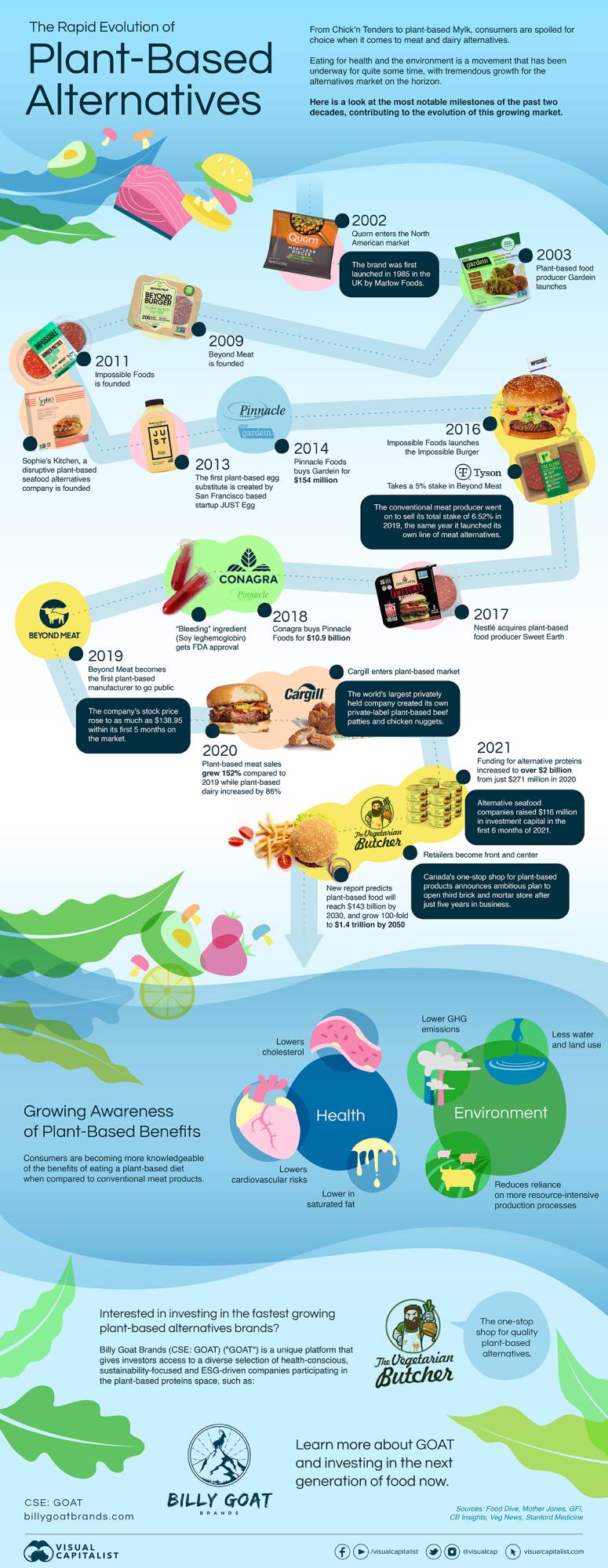
Figure 3. Timeline of the evolution of plant-based alternatives
Source: Visual Capitalist
How does this help with sustainability?
The production of alternative meat products (both plant-based and non-plant-based) can modernize mass production in ways that significantly reduce the environmental impact of the global food system while feeding more people with fewer resources, avoiding contributing to the growing threat of antibiotic resistance, and freeing up land and ocean ecosystems for biodiversity restoration and recovery (Good Food Institute, 2022; National Academies of Sciences, Engineering, and Medicine; Health and Medicine Division; Food and Nutrition Board; Food Forum, 2022; Smith et al., 2024).
Are there any hidden hurdles on the road to sustainability?
As with every path towards a meaningful change, the road to sustainability holds a few obstacles.
- Most projections for plant-based protein production to 2050 have a common denominator: the assumption of converting from meat to plant-based options and managing the overconsumption of protein globally. Scientists believe a protein availability crunch in 2030 could encourage such a shift.
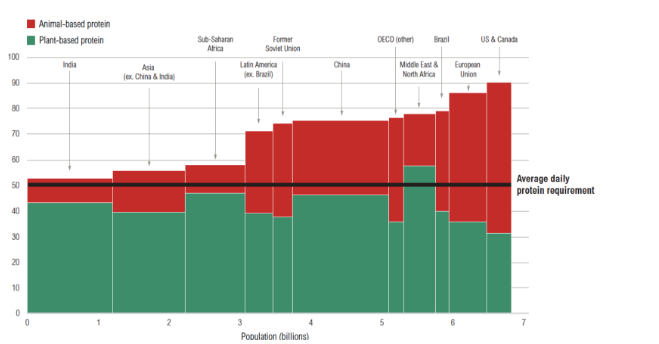
Figure 4. Protein consumption exceeds average estimated daily requirements in all the world's regions, and is highest in developed countries, g/capita/day
- Another obstacle towards the sustainability goals is the increased atmospheric CO2. Such high levels of CO2 are expected to reduce protein content in plant-based foods and, consequently, increase protein deficiency by 0.8% in Europe. Further conversion to alternative proteins could have a greater effect.
- Furthermore, the combination of increased heat and greater variations of atmospheric moisture variations is expected to impact future food production negatively is expected to impact future food production negatively. However, the projected impacts remain too inconsistent to be quantified.
(Good Food Institute, 2021; Good Food Institute, 2022; Jones, 2022; National Academies of Sciences, Engineering, and Medicine; Health and Medicine Division; Food and Nutrition Board; Food Forum, 2022; Smith et. al, 2024)
What does the future hold for alternative proteins?
- Alternative proteins (both plant-based and non-plant-based alternatives) are estimated to account for 11% of the global protein market for food by 2035 and even up to 22%.
- Algae could contribute more than the total projected protein demand by 2050.
- Insects are expected to be used mostly for feed: Fishmeal in aquaculture and as pet food is expected to account for over 80% of the EU insect production as feed (up from 50% at present).
- Microorganism-based alternatives to meat will reach 22M metric tonnes globally by 2035, or 2.5% of the global protein market for meat and meat alternatives.
- Lab-grown meat projected production volumes are generally low, with an aggregated 54% probability that less than 100,000 tonnes of cultured meat would be sold (at any price point) before the end of 2051. (Smith et. al, 2024)
Conclusion
Alternative proteins -through their vast application and ever-growing appeal from consumers- could be a valuable tool for the future of the food industry, both in terms of production and profit. However, to achieve the ultimate goal of a sustainable future for the global food system, there are a few issues that need to be addressed by the scientific community in collaboration with governments and under the guidance of organizations like FAO. If those efforts prove fruitful, the future will look more than promising.
References
- Bright Green Partners. (2022, November 15). Alternative Proteins: Benefits, Challenges and Opportunities. Bright Green Partners. https://brightgreenpartners.com/alternative-proteins-bigger-picture/
- FAO. (2021, December 8). The Need for Guidance on Alternative Proteins Highlighted to Codex Alimentarius Commission.
- Good Food Institute. (2021, January 4). What is plant-based meat? The Good Food Institute.
- Good Food Institute. (2022, July 12). Defining Alternative protein. Gfi.org.
- Jones, K. (2022, March 10). Timeline: The Rapid Evolution of Plant-Based Alternatives. Visual Capitalist.
- Lacy-Nichols, J., Scrinis, G., Moodie, R., & Hattersley, L. (2021, March 1). Alternative proteins: Testing the claimed benefits. University of Melbourne.
- National Academies of Sciences, Engineering, and Medicine; Health and Medicine Division; Food and Nutrition Board; Food Forum. (2022). Alternative Protein Sources: Balancing Food Innovation, Sustainability, Nutrition, and Health: Proceedings of a Workshop—in Brief. In A. Nicholson (Ed.), PubMed. National Academies Press (US). https://www.ncbi.nlm.nih.gov/books/NBK588012/
- Smith, E., Etienne, J., & Montanari, F. (2024). Alternative Protein Sources for Food and Feed. Panel for the Future of Science and Technology (STOA).
- The Global Goals.