Summary
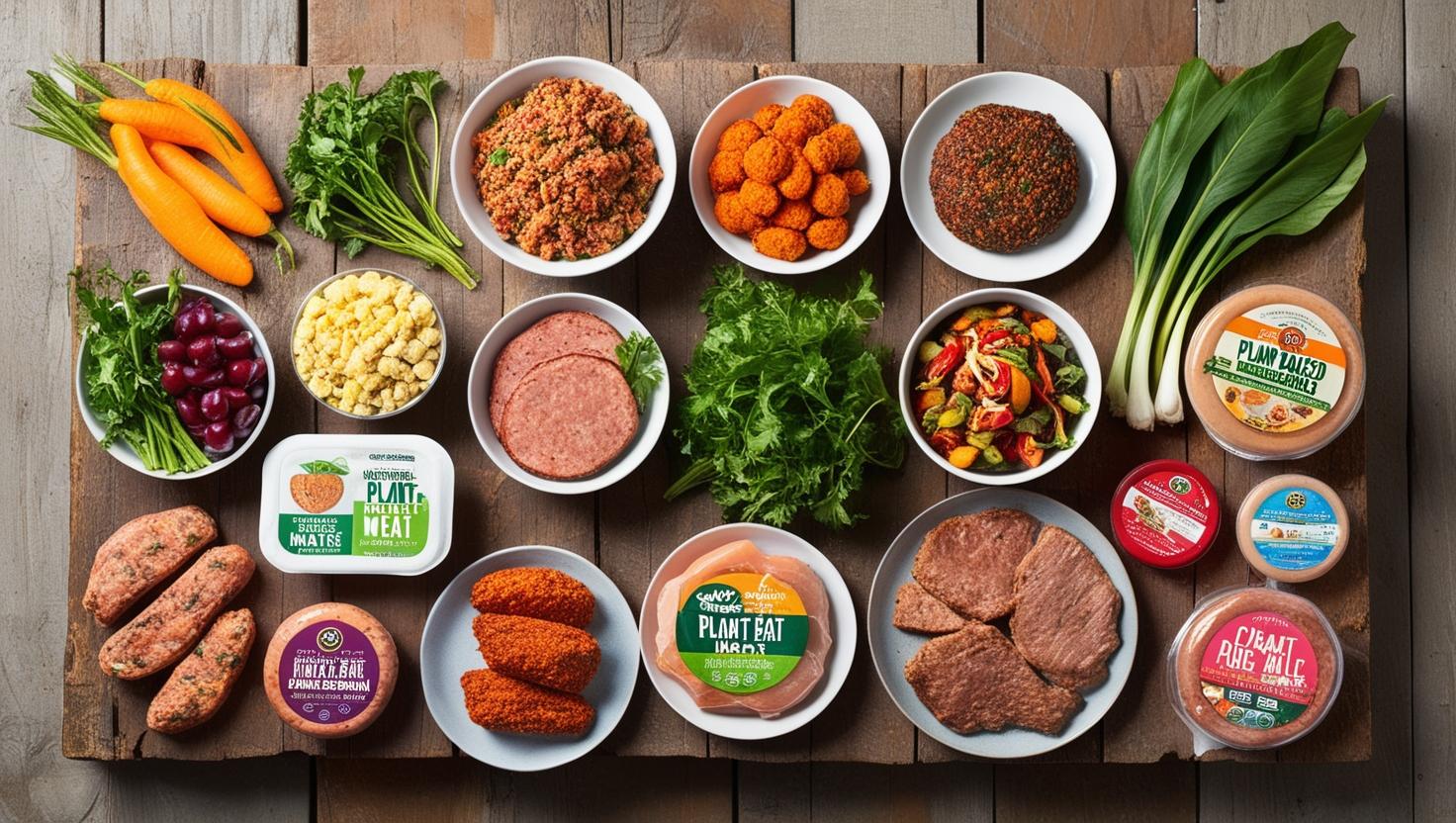
Plant-based meat alternatives (PBMAs) are innovative food products designed to mimic the taste, texture, and appearance of traditional animal-based meat (ABM). These products are gaining popularity due to growing concerns about the environmental impact of animal agriculture, health benefits, and ethical considerations regarding animal welfare. PBMAs are primarily made from plant proteins such as soy, peas, wheat, and other legumes, which are processed using advanced technologies like extrusion and fermentation to create meat-like textures.
They offer a sustainable alternative to conventional meat, with lower greenhouse gas (GHG) emissions, reduced land and water use, and potential health benefits such as lower cholesterol and saturated fat content. Despite challenges in replicating the exact sensory attributes of meat, ongoing advancements in food technology are improving the quality and acceptance of PBMAs. For farmers, the rise of PBMAs presents new opportunities to diversify crop production and meet the growing demand for plant-based protein sources. As the global population continues to grow, PBMAs are poised to play a crucial role in creating a more sustainable and resilient food system.
Introduction
Cardiovascular diseases (CVDs), including coronary disease, are the leading cause of death globally, with dietary habits playing a significant role in their prevalence (Gadzama, 2024). Risk factors such as high cholesterol, elevated triglyceride levels, increased low-density lipoprotein cholesterol (LDL-C), reduced high-density lipoprotein cholesterol (HDL-C), hypertension, overweight, and diabetes contribute significantly to CVDs (Forooghi et al., 2024). However, these factors can be mitigated through dietary and lifestyle changes (Nowbar et al., 2019). High consumption of red and processed meats has been linked to increased risks of CVDs due to their high levels of saturated fats and cholesterol (Mathanghi & Reddy, 2025). In contrast, plant-based diets have been associated with lower risks of chronic diseases, including CVDs, diabetes, and obesity (Ozogul & Abu-Khalil, 2025). This has led to a growing interest in plant-based meat alternatives, PBMAs, as a healthier and more sustainable option (Rudge et al., 2025).
Emerging research highlights that replacing animal-based proteins with plant-based alternatives, such as soy-based meat, can lower cholesterol levels and provide additional health benefits, particularly in reducing CVD risk factors (Forooghi et al., 2024). Plant-based meats are typically low in saturated fats and cholesterol, making them healthier for cardiovascular health. For instance, soy-based meat analogs contain unsaturated fats, which are beneficial for heart health, unlike animal-based meats, which are often high in saturated fats (Welty, 2020). Additionally, plant-based foods are rich in antioxidants, which are crucial in reducing oxidative stress and inflammation, further contributing to cardiovascular protection (Xu et al., 2015). These antioxidants, combined with the absence of cholesterol in plant-based meats, make them an excellent dietary choice for individuals aiming to reduce their risk of CVDs.
Moreover, studies have shown that populations with diets rich in soy products, such as those in Asian countries, exhibit lower rates of CVDs than those following Western diets (David & Kofahl, 2017). This is attributed to the cholesterol-lowering effects of soy protein and its isoflavones, which have been shown to reduce LDL-C and triglyceride levels (Jenkins et al., 2010). For example, consuming 25 grams of soy protein daily has significantly reduced LDL cholesterol, a key factor in preventing CVDs (Amer et al., 2020). These findings accentuate the potential of soy-based meat alternatives as a functional food for improving heart health (Ozogul & Abu-Khalil, 2025).
The environmental impact of traditional meat production is another critical factor driving the shift towards PBMAs. Livestock production contributes significantly to GHG emissions, deforestation, and water depletion (Gadzama, 2025; Mathanghi & Reddy, 2025; Bhardwaj et al., 2025). PBMAs, made from plant proteins such as soy, peas, and wheat, offer a sustainable alternative with a lower environmental footprint (Figure 1). These products are designed to mimic traditional meat's taste, texture, and appearance, making them an attractive option for consumers seeking to reduce their meat consumption without compromising on sensory experience (Kumar et al., 2022; Rudge et al., 2025).
Additionally, ethical concerns about animal welfare have led many consumers to seek alternatives that do not involve animal slaughter (Bhardwaj et al., 2025). The growing popularity of PBMAs presents significant opportunities for innovation in food technology and agriculture. Farmers can diversify their crop production to meet the increasing demand for plant-based protein sources. At the same time, food scientists continue to explore new ingredients and processing techniques to improve the quality and acceptance of PBMAs.
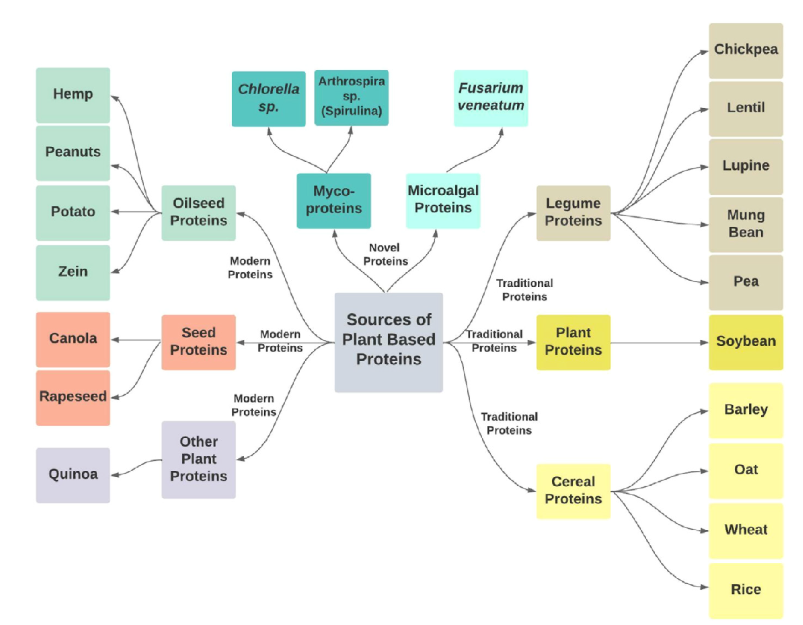
Figure 1. Plant-based proteins used in PBMA. Adapted from Sharma et al. (2024)
What are Plant-Based Meat Alternatives?
Plant-based meat alternatives, also known as meat analogs, meat alternatives, or meat substitutes, are food products made from plant-derived ingredients designed to mimic animal-based meat's sensory attributes, such as appearance, taste, and texture (Pater et al., 2022). These products are intended to be consumed as alternatives to conventional meat products (Pater et al., 2022). As Kumar et al. (2017) define them, meat analogs are "health-promising sustainable meat substitutes" that resemble meat. Pater et al. (2022) highlight that these substitutes intentionally resemble meat, distinguishing them from other plant-based proteins like beans or chickpeas. Recent advancements have led to PBMAs that closely resemble the taste and texture of real meat, making it increasingly difficult to differentiate between the two (Pater et al., 2022).
Why the Growing Interest in Plant-Based Meat?
Historically, plant-based diets were often rooted in religious and cultural practices (Toh et al., 2024). However, in recent times, there has been a resurgence of interest in PBMAs driven by significant global concerns surrounding the environment, animal welfare, and human health (Zahari et al., 2022; Toh et al., 2024; Kostrakiewicz-Gierałt, 2024). Furthermore, the conventional meat industry faces mounting pressure due to its substantial environmental footprint. Bhardwaj et al. (2025) highlighted that the increasing global demand for meat has strong environmental implications, contributing significantly to GHG emissions, deforestation for animal feed production, and depletion of water resources.
Mathanghi & Reddy (2025) further noted that livestock production contributes to 14.5% of anthropogenic GHG emissions. Inefficient conversion of vegetable protein to animal protein leads to high demand for animal feed and large land allocation for monoculture, resulting in deforestation and aquifer depletion (Bhardwaj et al., 2025). More so, ethical considerations regarding animal rearing and slaughter are key factors propelling the demand for sustainable alternatives (Kumar, 2017; Kostrakiewicz-Gierałt, 2024), with many consumers seeking alternatives that do not involve animal slaughter and intensive farming practices (Ozogul & Abu-Khalil, 2025).
From a health perspective, while meat provides essential nutrients, concerns exist regarding the consumption of red and processed meat. Mathanghi & Reddy (2025) cited the EAT-Lancet Commission's recommendation to reduce red meat consumption. Conversely, plant-based diets have been associated with a lower risk of various chronic diseases such as type 2 diabetes, CVDs, hypertension, and obesity (Mathanghi & Reddy, 2025). This has led consumers to seek plant-based options as part of a healthier lifestyle (Bhardwaj et al., 2025).
Key Plant Protein Sources for Meat Alternatives
A diverse range of plant sources can be utilized for PBMA production (Figure 2). These include:
- Legumes (Pulses): Soybeans are a widely used source due to their relatively low price, nutritional benefits, and versatile functional properties (Liu et al., 2025; Bhardwaj et al., 2025). Other pulses like peas, chickpeas, and lupin are also gaining popularity (Figure 2) (Ozogul & Abu-Khalil, 2025; Pratiwi et al., 2025).
- Cereals: Proteins from cereals such as wheat, rice, and corn can contribute to the texture and structure of PBMAs (Liu et al., 2025; Bhardwaj et al., 2025).
- Pseudocereals: Grains like quinoa, amaranth, and buckwheat are valued for their high-quality protein content and diverse range of essential amino acids (Ozogul & Abu-Khalil, 2025).
- Oilseeds: Meals derived from oilseeds like sunflower, rapeseed, and hemp after oil extraction are protein-rich side streams that can be upcycled for PBMA production (Liu et al., 2025; Bhardwaj et al., 2025).
- Fruits and Vegetables: While generally lower in protein compared to other sources, some fruits and vegetables, especially green leafy vegetables, can contribute to the overall protein content and nutritional profile of PBMAs (Kalse et al., 2025).
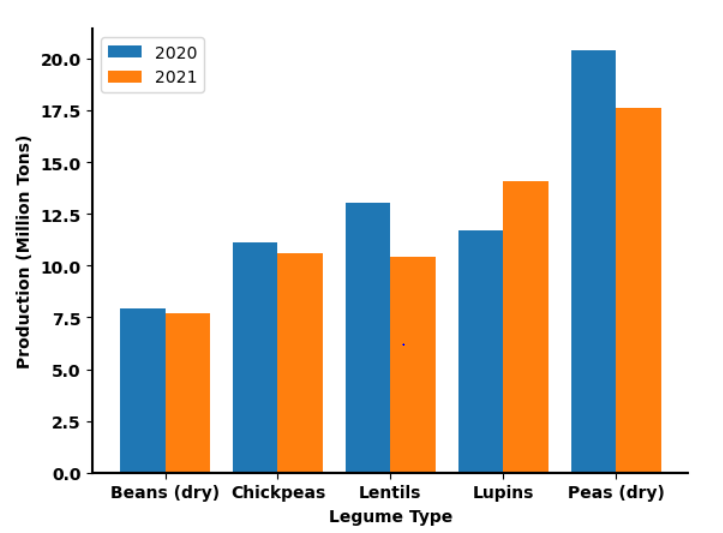
Figure 2. World Production of Different Legumes (in Million Tons, MT).
Adapted and modified from Kulikova et al. (2024).
The Technology Behind Plant-Based Meat Production
Creating convincing meat alternatives requires sophisticated technologies and a deep understanding of protein functionality. Mathanghi & Reddy (2025) pointed out that animal proteins are preferred for their high digestibility, bioavailability, and complete essential amino acid profile. Plant proteins may have lower PDCAAS (Protein Digestibility-Corrected Amino Acid Score) and PER (Protein Efficiency Ratio) due to limiting amino acids (Mathanghi & Reddy, 2025). However, Bhardwaj et al. (2025) stated that these drawbacks can be overcome by combining proteins from different plant sources to achieve a complete amino acid profile. Traditionally, combinations of cereals and pulses have been used to achieve this (Mathanghi & Reddy, 2025). Kumar et al. (2022) emphasized that plant protein-rich side streams are also valuable sources for food applications due to their nutritional quality and functional properties like water and oil holding capacity, solubility, emulsifying, foaming, and gelling properties.
Processing Techniques
Several processing techniques are employed to transform plant proteins into meat-like products (Figure 3):
- Extrusion Cooking: This is a common technique used to create textured vegetable protein (TVP), which forms the base of many PBMAs (Mathanghi & Reddy, 2025; Riaz, 2000). Extrusion involves subjecting plant protein materials to heat, pressure, and shear forces, resulting in fibrous structures that mimic meat texture (Mathanghi & Reddy, 2025).
- Grinding and Fractionation: Techniques like milling (screw grinding, pin mills, jet milling) and air classification are used to refine plant materials and enrich protein content (Liu et al., 2025; Mathanghi & Reddy, 2025; Singh et al., 2022). Sieving can also be used for protein enrichment in flours (Singh et al., 2022).
- Enzymatic Hydrolysis: This process can modify protein functionality, improve digestibility, and potentially enhance flavor profiles (Bhardwaj et al., 2025; Vogelsang-O’Dwyer et al., 2022).
- Modification Methods: Physical, chemical, and biological modifications are used to improve the functional and nutritional properties of plant-based proteins, including solubility, emulsification, and gelation (Bhardwaj et al., 2025) (Figure 3). Rudge et al. (2025) demonstrate that sensory juiciness can be objectively measured using compression-based methods, which could streamline product development and reduce the need for extensive sensory testing. The use of premixed MC foam as a strategy to enhance juiciness in PBMA could lead to more appealing products, potentially increasing consumer adoption of plant-based diets. Furthermore, the study highlights the importance of considering ingredient preparation methods and cooking conditions in optimizing the sensory properties of meat analogues.
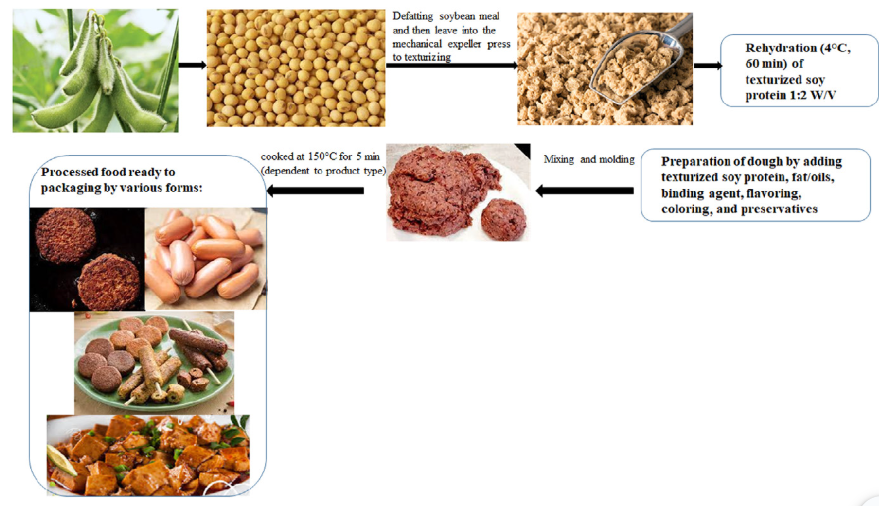
Figure 3. The manufacturing process of soy protein as a meat alternative.
Adapted from: Forooghi et al. (2024)
Applications of Plant-Based Meat Alternatives
The applications of PBMAs extend far beyond just burger patties. They are increasingly used in a wide array of food products, including:
- Sausages and minced meat alternatives (Joshi & Kumar, 2015).
- Ready-to-eat meals such as plant-based pasta sauces and stir-fries.
- Snacks and convenience foods.
- Pet food: Pulse proteins and soy-based TVP are used in pet food formulations (Joshi & Kumar, 2015; Pratiwi et al., 2025).
Kumar et al. (2022) noted the suitability of plant proteins for various food applications such as soups, emulsified meat products, beverages, and bakery platforms. The versatility of plant proteins allows for the creation of diverse meat analog products that cater to different culinary needs (Figure 4).
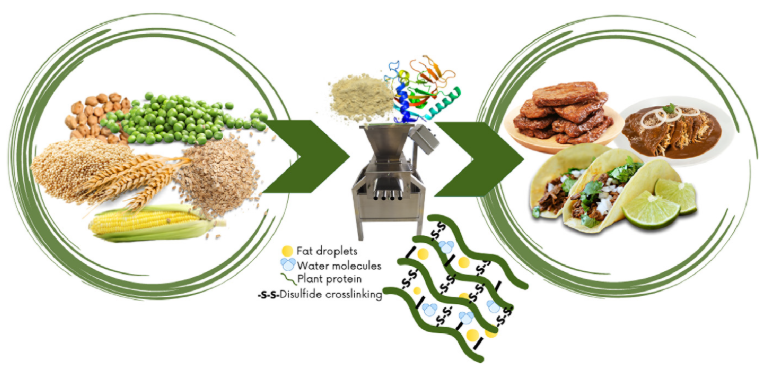
Figure 4. Plant-protein sources found in Mexico for developing traditional Mexican dishes using plant-based meat analogs. Adapted from Bernal-Mercado et al. (2024)
Challenges and the Future of Plant-Based Meat
Despite their growing popularity, PBMAs still face certain challenges:
- Consumer Acceptance: While increasing, some consumers remain reluctant to replace animal proteins with plant-based alternatives due to cultural factors, taste preferences, and perceptions about processing (Bhardwaj et al., 2025; Mathanghi & Reddy, 2025).
- Nutritional Completeness: Ensuring that PBMAs provide the same nutritional value as meat, particularly in terms of certain micronutrients and amino acid profiles, requires careful formulation and sometimes fortification (Mathanghi & Reddy, 2025; Tso & Forde, 2021).
- Regulatory Frameworks: Clear and consistent regulations regarding the production, labeling, and safety of PBMAs are still evolving in many parts of the world (Mathanghi & Reddy, 2025).
The future of PBMAs looks promising, with ongoing research and innovation focused on improving taste, texture, nutritional profiles, and production sustainability (Kumar et al., 2022; Mathanghi & Reddy, 2025). Novel protein sources and advanced processing technologies are expected to further enhance the quality and appeal of these alternatives.
Implications and Opportunities for Farmers
The rise of the plant-based protein market presents both implications and opportunities for farmers. Increased demand for crops like soybeans, peas, and other legumes and grains (Figure 2) used in PBMA production can create new markets and revenue streams for farmers (Bhardwaj et al., 2025; Ozogul & Abu-Khalil, 2025). Farmers may need to adapt their agricultural practices to meet the specific quality and quantity requirements of the plant-based protein industry. Furthermore, the valorization of side streams from crop processing for protein extraction, as discussed by Liu et al. (2025), can offer additional opportunities within the agricultural value chain. As the demand for sustainable protein sources grows, farmers who can contribute to the supply of high-quality plant-based protein ingredients will be well-positioned to benefit from this evolving food landscape.
Conclusion
Plant-based meat alternatives represent a significant development in our food systems, offering a pathway towards more sustainable and potentially healthier dietary choices. Driven by environmental concerns, health awareness, and ethical considerations, the demand for PBMAs is expected to continue its upward trajectory. Ongoing advancements in technology and the exploration of diverse plant protein sources are improving the quality and variety of these products. For farmers, this sector presents new opportunities to contribute to a growing market focused on sustainable food production.
References
- Amer, S. A., Ahmed, S. A. A., Ibrahim, R. E., Al-Gabri, N. A., Osman, A., & Sitohy, M. (2020). Impact of partial substitution of fish meal by methylated soy protein isolates on the nutritional, immunological, and health aspects of Nile tilapia, Oreochromis niloticus fingerlings. Aquaculture, 518.
- Bhardwaj, A., Sharma, N., Kaur, G., Sharma, N., & Liu, J. (2025). Plant-based proteins: overview and impact on sustainable nutrition access. In F. Ozogul, S. P. Bangar, & N. Sharma (Eds.), Plant-based proteins: Sources, extraction, applications, value-chain and sustainability (pp. 1–39). Elsevier.
- Bernal-Mercado, A. T., Heredia-Sandoval, N. G., Ayala-Zavala, J. F., & Gutiérrez-Pacheco, S. L. (2024). The potential of Mexican plant–based ingredients in meat analogs formulation: opportunities and gaps in reformulated Mexican dishes. In Handbook of Plant-Based Meat Analogs (pp. 3-16). Academic Press.
- David, W., & Kofahl, D. (2017). Food culture of Southeast Asia: Perspective of social science and food science (pp. 52–60). Kassel University Press GmbH.
- Forooghi, E., Hashempour-Baltork, F., & Rastegar, H. (2024). Soybean-based proteins as functional and nutritional ingredients of plant-based meat analogs. In Handbook of Plant-Based Meat Analogs (pp. 45-61). Academic Press.
- Gadzama, I.U. (2025). Asparagopsis Seaweed as a Feed Supplement for Dairy Cows. Nigerian Journal of Animal Science and Technology (NJAST), 7(4), 63 - 84. Retrieved from Asparagopsis Seaweed as a Feed Supplement for Dairy Cows — Nigerian Journal of Animal Science and Technology
- Gadzama, Ishaya (2024). Evaluation of fresh microalgae in ruminant nutrition: impact on rumen fermentation, productive performance and meat quality. MPhil Thesis, School of Agriculture and Food Sustainability, The University of Queensland.
- Jenkins, D. J., Mirrahimi, A., Srichaikul, K., Berryman, C. E., Wang, L., Carleton, A., Abdulnour, S., Sievenpiper, J. L., Kendall, C. W., & Kris-Etherton, P. M. (2010). Soy protein reduces serum cholesterol by both intrinsic and food displacement mechanisms. The Journal of nutrition, 140(12), 2302S–2311S.
- Joshi, V. K., & Kumar, S. (2015). Meat analogues: Plant based alternatives to meat products—A review. International Journal of Food and Fermentation Technology, 5(2), 107–119.
- Kalse, S. B., Khapre, L. S., Ranveer, R. C., & Rathod, N. B. (2025). Fruit and vegetable protein—functions and potential health benefits. In F. Ozogul, S. P. Bangar, & N. Sharma (Eds.), Plant-based proteins: Sources, extraction, applications, value-chain and sustainability (pp. 403–417). Elsevier.
- Kostrakiewicz-Gierałt K. (2024). Plant Taxa as Raw Material in Plant-Based Meat Analogues (PBMAs)-A Patent Survey. Nutrients, 16(23), 4054.
- Kumar, P., Sharma, N., Ahmed, M. A., Verma, A. K., Umaraw, P., Mehta, N., Abubakar, A. A., Hayat, M. N., Kaka, U., Lee, S. J., & Sazili, A. Q. (2022). Technological interventions in improving the functionality of proteins during processing of meat analogs. Frontiers in nutrition, 9, 1044024.
- Kumar, P., Chatli, M. K., Mehta, N., Singh, P., Malav, O. P., & Verma, A. K. (2017). Meat analogues: Health promising sustainable meat substitutes. Critical reviews in food science and nutrition, 57(5), 923–932.
- Liu, J., Sharma, N., Duan, X., & Kamani, M. H. (2025). Plant-protein extraction from side streams: upcycling strategies and applications. In F. Ozogul, S. P. Bangar, & N. Sharma (Eds.), Plant-based proteins: Sources, extraction, applications, value-chain and sustainability (pp. 341–376). Elsevier.
- Mathanghi, S. K., & Reddy, M. K. (2025). Sustainable plant-based meat protein alternatives—regulatory aspects and consumer acceptance. In F. Ozogul, S. P. Bangar, & N. Sharma (Eds.), Plant-based proteins: Sources, extraction, applications, value-chain and sustainability (pp. 377–402). Elsevier.
- Nowbar, A. N., Gitto, M., Howard, J. P., Francis, D. P., & Al-Lamee, R. (2019). Mortality From Ischemic Heart Disease. Circulation. Cardiovascular quality and outcomes, 12(6), e005375.
- Ozogul, T., & Abu-Khalil, F. (2025). Pseudocereal protein—application and health benefits. In F. Ozogul, S. P. Bangar, & N. Sharma (Eds.), Plant-based proteins: Sources, extraction, applications, value-chain and sustainability (pp. 143–162). Elsevier.
- Pater, L., Kollen, C., Damen, F. W. M., Zandstra, E. H., Fogliano, V., & Steenbekkers, B. L. P. A. (2022). The perception of 8- to 10-year-old Dutch children towards plant-based meat analogues. Appetite, 178, 106264.
- Pratiwi, W. S. W., Jain, S., & Sundarsingh, A. (2025). Processing and storage of pulse proteins. In F. Ozogul, S. P. Bangar, & N. Sharma (Eds.), Plant-based proteins: Sources, extraction, applications, value-chain and sustainability (pp. 205–228). Elsevier.
- Riaz, M. N. (2000). Extrusion cooking of plant proteins. In R. Guy (Ed.), Extrusion cooking: Technologies and applications (pp. 123–145). Woodhead Publishing.
- Rudge, R. E. D., Briner, F., Nicholson, R. A., Cottrell, C., Collins, J., Hoffman, L. C., Stokes, J. R., & Smyth, H. E. (2025). The impact of measuring conditions on the relationship between sensory and measured juiciness in plant-based burgers. Food Hydrocolloids, 162, 110849.
- Sharma, M., Kaur, I., Kumar, P., Verma, A. K., Umaraw, P., Mehta, N., ... & Sazili, A. Q. (2024). Processing of plant proteins in the development of plant-based meat analogs. In Handbook of Plant-Based Meat Analogs (pp. 17-43). Academic Press.
- Singh, N., Jain, P., Ujinwal, M., & Langyan, S. (2022). Escalate protein plates from legumes for sustainable human nutrition. Frontiers in nutrition, 9, 977986.
- Toh, D. W. K., Fu, A. S., Mehta, K. A., Lam, N. Y. L., Haldar, S., & Henry, C. J. (2024). Plant-Based Meat Analogs and Their Effects on Cardiometabolic Health: An 8-Week Randomized Controlled Trial Comparing Plant-Based Meat Analogs With Their Corresponding Animal-Based Foods. The American journal of clinical nutrition, 119(6), 1405–1416.
- Tso, R., & Forde, C. G. (2021). Unintended Consequences: Nutritional Impact and Potential Pitfalls of Switching from Animal- to Plant-Based Foods. Nutrients, 13(8), 2527.
- Vogelsang-O'Dwyer, M., Sahin, A. W., Arendt, E. K., & Zannini, E. (2022). Enzymatic Hydrolysis of Pulse Proteins as a Tool to Improve Techno-Functional Properties. Foods (Basel, Switzerland), 11(9), 1307.
- Welty F. K. (2020). Dietary treatment to lower cholesterol and triglyceride and reduce cardiovascular risk. Current opinion in lipidology, 31(4), 206–231.
- Xu, L., Du, B., & Xu, B. (2015). A systematic, comparative study on the beneficial health components and antioxidant activities of commercially fermented soy products marketed in China. Food chemistry, 174, 202–213.
- Zahari, I., Östbring, K., Purhagen, J. K., & Rayner, M. (2022). Plant-Based Meat Analogues from Alternative Protein: A Systematic Literature Review. Foods (Basel, Switzerland), 11(18), 2870.