Introduction: Why Use Grape Pomace in Cattle Feed?
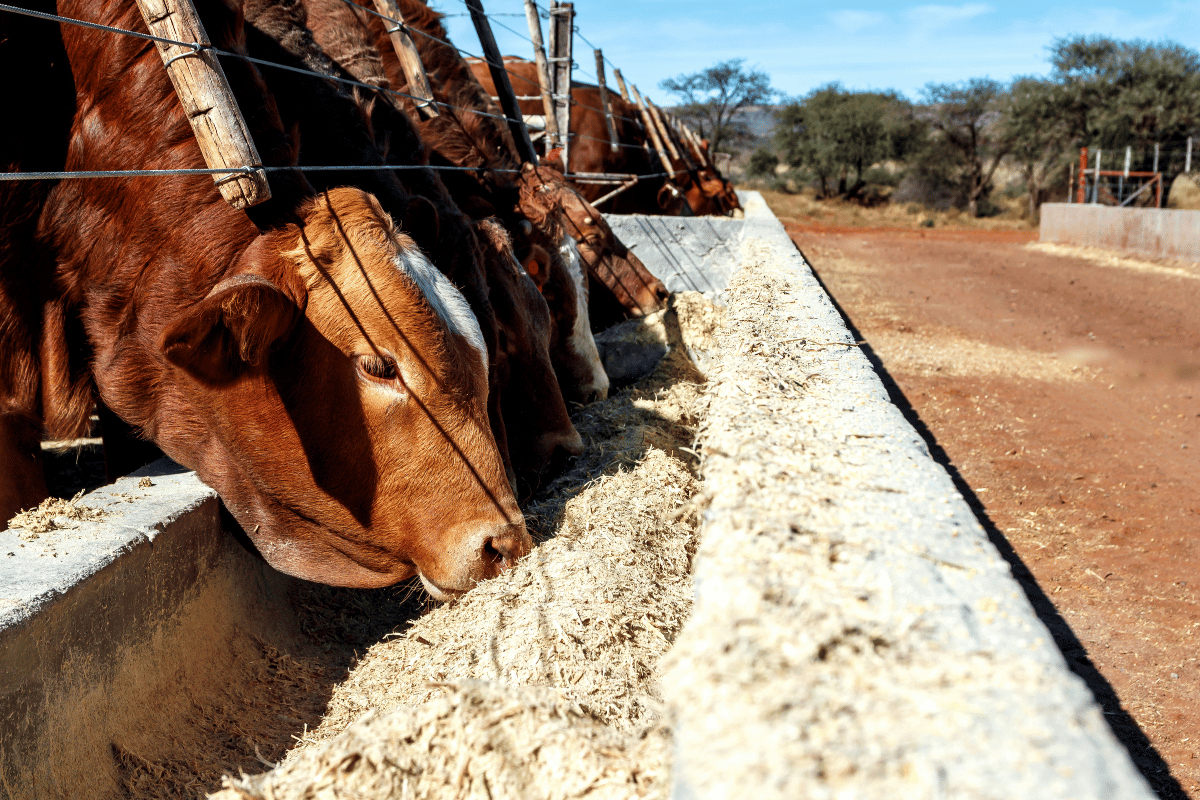
Sustainable animal production is a critical global challenge, necessitating the exploration of alternative feed sources beyond conventional ingredients to reduce costs and environmental impact (Ahmed et al., 2020; Gadzama, 2024; Gadzama et al., 2025). Agro-industrial by-products, such as grape pomace (GP), generated in vast quantities by the wine industry, present a significant opportunity for sustainable livestock farming by converting waste into valuable protein sources (Tayengwa et al., 2020).
What Is Grape Pomace? Composition and Bioactive Benefits
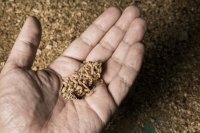
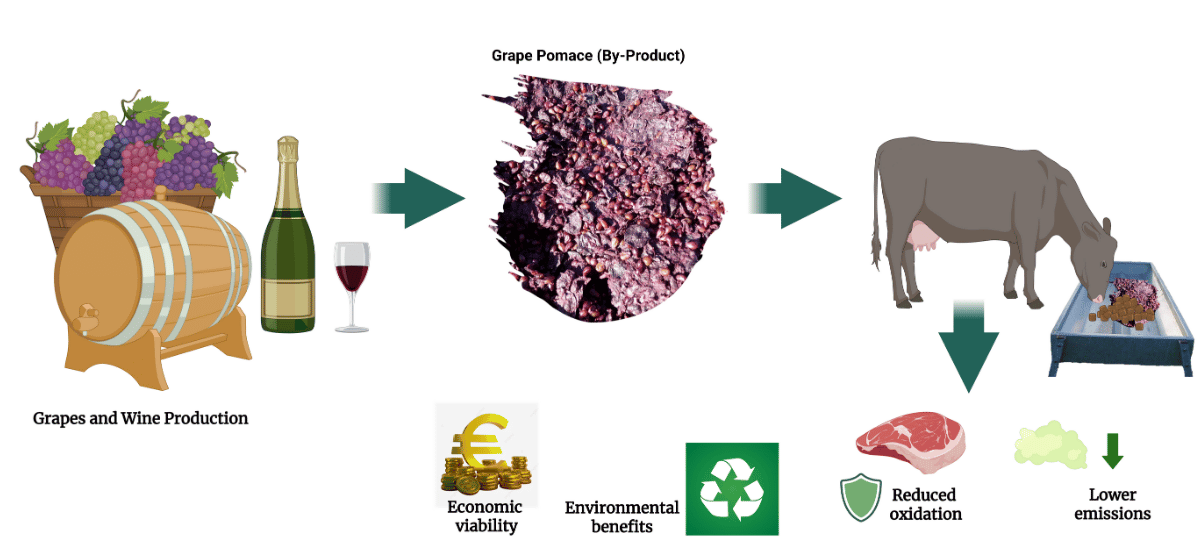
Grape pomace, also referred to as wine grape pomace (WGP), is the primary solid residue generated during the processing of grapes for the production of wine, juice, or paste (Beres et al., 2016). This significant agro-industrial by-product consists mainly of the skins, seeds, pulp, and stalks of the grape. Grape pomace represents a considerable portion of the initial grape weight, accounting for approximately 25% of the total grape used in winemaking (García-Lomillo & González-Sanjosé, 2017). Its composition varies depending on factors such as the method of wine production, grape variety, and the relative proportions of its components (Ahmed et al., 2020).
Grape pomace is recognized as a rich source of potentially beneficial compounds, including extractable polyphenols like phenolic acids, flavonoids, procyanidins, resveratrol, and anthocyanins, as well as fiber and unfermentable sugars (Yu & Ahmedna, 2013). These components are associated with numerous health benefits, including antioxidant, anti-inflammatory, and antimicrobial properties (Hassan et al., 2019). The inherent bioactive compounds make grape pomace a promising natural feed additive in the animal industry (Moate et al., 2014; Blasi et al., 2024). The disposal of GP traditionally causes environmental and economic problems (Vieira et al., 2022; Ren et al., 2023), making its revalorization as animal feed an attractive strategy (Carta et al., 2025). This process contributes to sustainable agriculture by reducing environmental pollution from waste.
Research has extensively explored GP's effects on ruminants, demonstrating the potential to improve animal health, welfare, and the quality of animal products (Akter et al., 2024; Mena et al., 2025). This article synthesizes recent findings on incorporating grape pomace into cattle diets, highlighting its potential to enhance sustainability and productivity.
Grape Pomace and Rumen Health
Grape pomace supplementation positively influences rumen microbial diversity and metabolic activity in cattle. Biscarini et al. (2018) found that Holstein-Friesian calves fed 10% dried grape pomace (DM basis) for 75 days exhibited increased microbial diversity, including enrichment of beneficial bacteria like Bacteroidales UCG-001 and Sarcina. These microbial shifts were linked to upregulated pathways for arginine/proline metabolism and reduced lipopolysaccharide biosynthesis, suggesting improved gut health and antimicrobial effects. Particularly, methane metabolism pathways increased, which may reflect adaptive responses to dietary polyphenols. In contrast, in vitro studies by Basalan et al. (2011) revealed that red grape pomace fractions (skin, pulp, and seeds) had higher dry matter (DM) and fiber digestibility compared to white pomace. The skin and pulp fraction demonstrated the highest metabolizable energy (12.70 MJ/kg), making it a promising energy source for ruminants. These findings highlight the importance of pomace type and processing in optimizing rumen function.
Growth Performance and Economic Viability
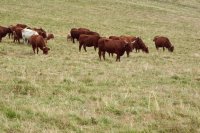
Grape pomace inclusion in cattle diets can enhance growth efficiency, but outcomes vary by breed and dosage. Giannico et al. (2025) reported that Podolian bulls fed 20% grape pomace required a longer finishing period (272 vs. 259 days) but produced meat with lower lipid oxidation (reduced malondialdehyde) and higher polyunsaturated fatty acids (PUFA), including conjugated linoleic acid (CLA). Crossbred Limousine × Podolian bulls, however, achieved superior carcass quality (SEUROP class U) and profitability (€1,947.50 gross profit) with the same 20% inclusion, highlighting breed-specific responses. Furthermore, calves supplemented with grape pomace showed no adverse effects on growth, suggesting its safety at moderate levels (Biscarini et al., 2018). Farmers should consider breed genetics and market goals when incorporating pomace, as economic returns depend on meat quality premiums and feed cost savings.
Meat Quality and Oxidative Stability
Grape pomace enhances meat quality through its antioxidant properties. Giannico et al. (2025) observed that cattle fed grape pomace had meat with 60% lower thiobarbituric acid reactive substances (TBARS), indicating reduced lipid oxidation during storage. This aligns with findings in rabbits, where pomace supplementation improved oxidative stability without altering fatty acid profiles (Carta et al., 2025). The high polyphenol content in grape pomace, particularly proanthocyanidins, scavenges free radicals, preserving meat freshness and nutritional value (Carta et al., 2025).
Environmental and Economic Benefits
Integrating grape pomace into cattle diets supports circular agriculture by repurposing winery waste. Basalan et al. (2011) estimated that red grape pomace could replace up to 10–15% of conventional feed without compromising digestibility. Additionally, reduced methane emissions linked to pomace supplementation (Biscarini et al., 2018) align with global efforts to mitigate livestock-related greenhouse gases. Economically, Giannico et al. (2025) demonstrated that crossbred cattle fed pomace achieved higher gross profit margins due to improved feed efficiency and premium meat quality. However, farmers must balance inclusion rates to avoid trade-offs, such as slower growth in certain breeds.
Future Research Directions
While current studies highlight grape pomace’s benefits, gaps remain. Long-term effects on reproductive health, optimal inclusion rates for different cattle breeds, and interactions with other feed additives require further investigation. Researchers should also explore synergies between grape pomace and probiotics to enhance gut health.
Conclusion
Grape pomace is a promising and potentially cost-effective feed additive that improves rumen health, meat quality, and profitability in cattle production. Its adoption can reduce waste in the wine industry while supporting eco-friendly farming practices. Farmers are encouraged to trial pomace in diets, tailoring strategies to their herd’s genetic and nutritional needs.
References
- Ahmed, I. A. M., Özcan, M. M., Al Juhaimi, F., Babiker, E. F. E., Ghafoor, K., Banjanin, T., Osman, M. A., Gassem, M. A., & Alqaf, H. A. S. (2020). Chemical composition, bioactive compounds, mineral contents and fatty acid composition of pomace powder of different grape varieties. Journal of Food Processing and Preservation, 44(7), e14539.
- Akter, A., Li, X., Grey, E., Wang, S. C., & Kebreab, E. (2025). Grape pomace supplementation reduced methane emissions and improved milk quality in lactating dairy cows. Journal of Dairy Science, 108(3), 2468-2480.
- Basalan, M., Gungor, T., Owens, F. N., & Yalcinkaya, I. (2011). Nutrient content and in vitro digestibility of Turkish grape pomaces. Animal Feed Science and Technology, 169(3–4), 194–198.
- Beres, C., Simas-Tosin, F. F., Cabezudo, I., Freitas, S. P., Iacomini, M., Mellinger-Silva, C., & Cabral, L. M. (2016). Antioxidant dietary fibre recovery from Brazilian Pinot noir grape pomace. Food chemistry, 201, 145–152.
- Biscarini, F., Palazzo, F., Castellani, F., Masetti, G., Grotta, L., Cichelli, A., & Martino, G. (2018). Rumen microbiome in dairy calves fed copper and grape-pomace dietary supplementations: Composition and predicted functional profile. PLOS ONE, *13*(11), e0205670.
- Blasi, F., Trovarelli, V., Mangiapelo, L., Ianni, F., & Cossignani, L. (2024). Grape Pomace for Feed Enrichment to Improve the Quality of Animal-Based Foods. Foods, 13(22), 3541.
- Carta, S., Chessa, R., Rubattu, R., Nudda, A., & Battacone, G. (2025). The Use of Grape By-Products as a Feed Additive Enhances the Oxidative Stability of Rabbit Meat. Veterinary Sciences, 12(2), 148.
- Gadzama, I. U., Ray, S., Méité, R., Mugweru, I. M., Gondo, T., Rahman, M. A., Redoy, M. R. A., Rohani, M. F., Kholif, A. E., Salahuddin, M., & Brito, A. F. (2025). Chlorella vulgaris as a Livestock Supplement and Animal Feed: A Comprehensive Review. Animals, 15(6), 879.
- Gadzama, I. U. (2024). Evaluation of fresh microalgae in ruminant nutrition: impact on rumen fermentation, productive performance and meat quality. MPhil Thesis, School of Agriculture and Food Sustainability, The University of Queensland.
- García‐Lomillo, J., & González‐SanJosé, M. L. (2017). Applications of wine pomace in the food industry: Approaches and functions. Comprehensive reviews in food science and food safety, 16(1), 3-22.
- Giannico, F., Petrontino, A., Bozzo, F., Karatosidi, D., Selvaggi, M., Carbonara, C., ... & Colonna, M. A. Grape pomace in diets for Podolian and crossbred young bulls: effects on growth performance, meat quality, and economic analysis of meat production. Frontiers in Animal Science, 6, 1547585. Grape pomace in diets for Podolian and crossbred young bulls: effects on growth performance, meat quality, and economic analysis of meat production — Frontiers in Animal Science
- Hassan, Y. I., Kosir, V., Yin, X., Ross, K., & Diarra, M. S. (2019). Grape pomace as a promising antimicrobial alternative in feed: A critical review. Journal of Agricultural and Food Chemistry, 67(35), 9705-9718.
- Mena, M. O., Trevise, G. G. O., Silva, T. N. R., Moellmann, V. M., Bassetto, C. C., Gatti, B. S., Louvandini, H., Soutello, R. V. G., Albuquerque, A. C. A., & Amarante, A. F. T. (2025). Evaluation of grape pomace supplementation in lamb diets to mitigate Haemonchus contortus infection. Agriculture, 15(3), 341.
- Moate, P. J., Williams, S. R. O., Torok, V. A., Hannah, M. C., Ribaux, B. E., Tavendale, M. H., & Eckard, R. J. (2014). Grape marc reduces methane emissions when fed to dairy cows. Journal of Dairy Science, 97(8), 5073–5087. Grape marc reduces methane emissions when fed to dairy cows — Journal of Dairy Science
- Tayengwa, T., Chikwanha, O. C., Raffrenato, E., Dugan, M. E. R., Mutsvangwa, T., & Mapiye, C. (2020). Comparative effects of feeding citrus pulp and grape pomace on nutrient digestibility and utilization in steers. Animal, 15(12), 100020. Comparative effects of feeding citrus pulp and grape pomace on nutrient digestibility and utilization in steers — Animal
- Vieira, C., Guerra-Rivas, C., Martínez, B., Rubio, B., & Manso, T. (2022). Effects of grape pomace supplementation on the diet of lactating ewes as compared to vitamin E on the meat shelf life of suckling lambs. Meat Science, 184, 108666.
- Yu, J., & Ahmedna, M. (2013). Functional components of grape pomace: Their composition, biological properties and potential applications. International Journal of Food Science and Technology, 48(2), 221-237.