
How to Grow Strawberries at Home: Easy Tips for Thriving Plants
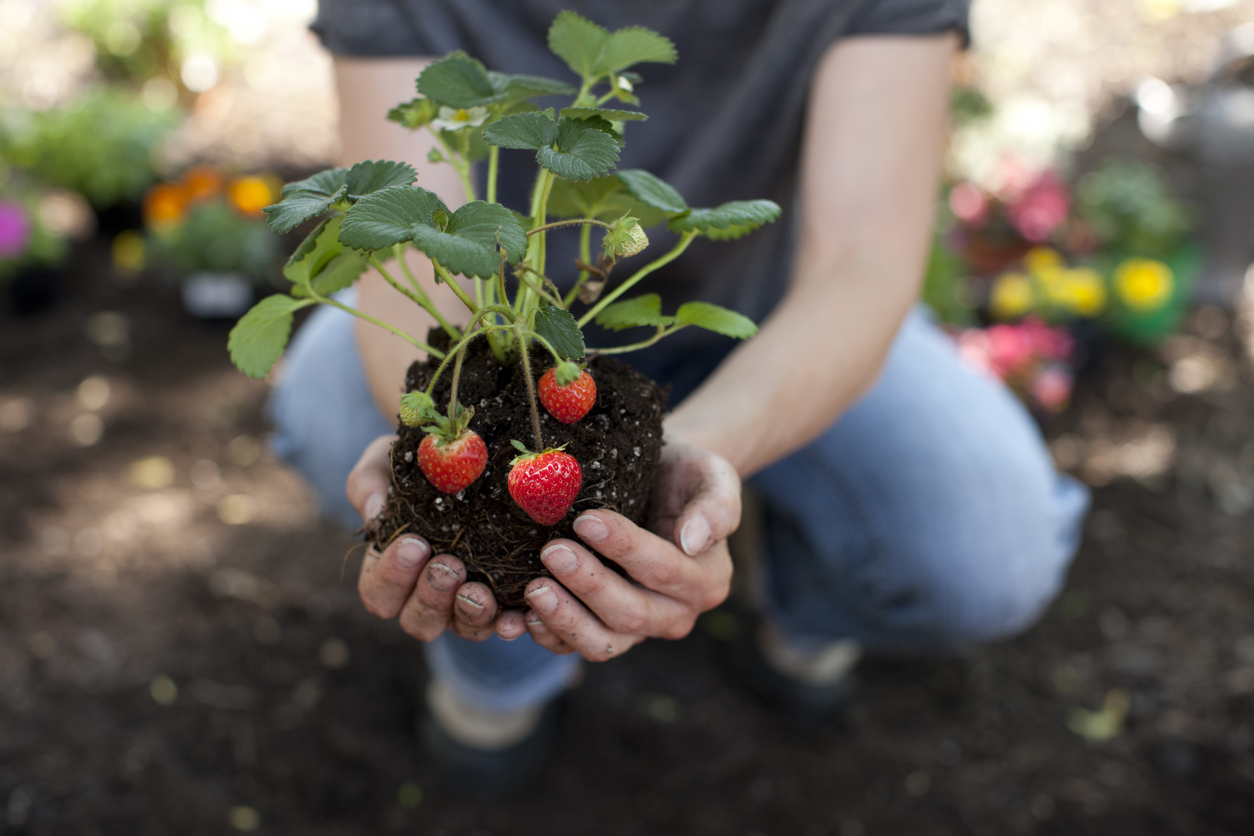
Garden Strawberry is an all-time favorite small plant. It is easy to grow at home, and many gardeners prefer it, not only because of the delicious fruit but also for decoration as well.
Strawberries are perennials, but you can treat them as an annual or biennial plant. You can grow strawberries in pots or containers, hanging baskets, and raised beds.
Strawberry plants thrive in cool weather, with an optimal temperature range between 15°C (60°F) and 27°C (80°F). The optimum soil temperature of strawberries is 12-15 ºC (54-60 °F). Temperatures below 6-7 ºC (43-45 °F) result in growth suspension, and temperatures below 0 ºC (32 °F) can severely damage the plants. Experimental results have shown that the day and night temperatures affect strawberry quality characteristics.
Before planting, you are advised always to perform a soil analysis. You can grow strawberries from seeds, seedlings, or bare-root crowns or buy small disease-free plants from an accredited nursery. Usually, you can plant 13,500 plants per hectare (5,500 plants/acre). Depending on the cultivation system, planting may be performed by hand or with a mechanical transplanter. Preferably, raised beds with flat tops covered with black plastic should be established, and the soil should be mixed with organic matter.
You can make a hole twice as large as the strawberry's root system and fill it with good topsoil. Fertiliser should not be added inside the planting hole, which may burn the plant's roots. The strawberry plants should be placed slightly deeper than in the nursery so that the soil covers the roots well enough. Watering right after planting and at least twice or thrice a week, depending on the area's rainfall.
Because Strawberries have a shallow root system, adding some organic mulch around them is beneficial (in case plastic mulch is not established). Mulch helps prevent excessive water evaporation, insulate the roots, and prevent weeds from growing. An excellent organic mulch can be wood chips, bark, leaves, shavings, or pine needles, although the latter can acidify the soil over time and is more difficult to find. If possible, avoid sawdust because it tends to compress the soil over time, making it difficult for water to reach the roots.
Strawberries are rewarding to grow at home, requiring a bit of attention/care, but they offer sweet, fresh fruit right from your garden. Following these guidelines, you can cultivate a thriving strawberry patch that brings beauty and bounty. Whether for fresh eating, freezing, or homemade jams, garden-grown strawberries offer unbeatable flavor and nutrition.
Tip: Proper planning—like choosing the right variety and ensuring soil health—will maximize your strawberry yield and enjoyment. Take the time to research and invest in disease-resistant plants and mulch options suited to your garden, and you’ll be well on your way to a successful strawberry harvest.
References
- https://sci-hub.se/10.17660/actahortic.2002.567.79
- Growing Strawberries Home Garden – University of Minnesota Extension
- Growing strawberries | Sustainable Gardening Australia
Further reading
- 10 Health Benefits of Strawberries
- 15 Interesting facts about strawberries
- History, Global Production, and Key Varieties of Strawberries
- How to Grow Strawberries in Your Garden or Balcony
- Strawberry Soil Requirements, Cultivation Systems, and Plant Density
- How and Why to cultivate Strawberries in a Hydroponic system
- Strawberry Propagation Methods
- When and How to Irrigate Strawberries
- Heat Stress in Strawberry Production: Effects, Cultivar Variability, and Solutions
- How to Fertilize Strawberry Plants
- How to Prune Strawberries
- The Most Important Strawberry Pests & Diseases and Management Strategies
- Strawberry Yield, Harvest, and Storage