

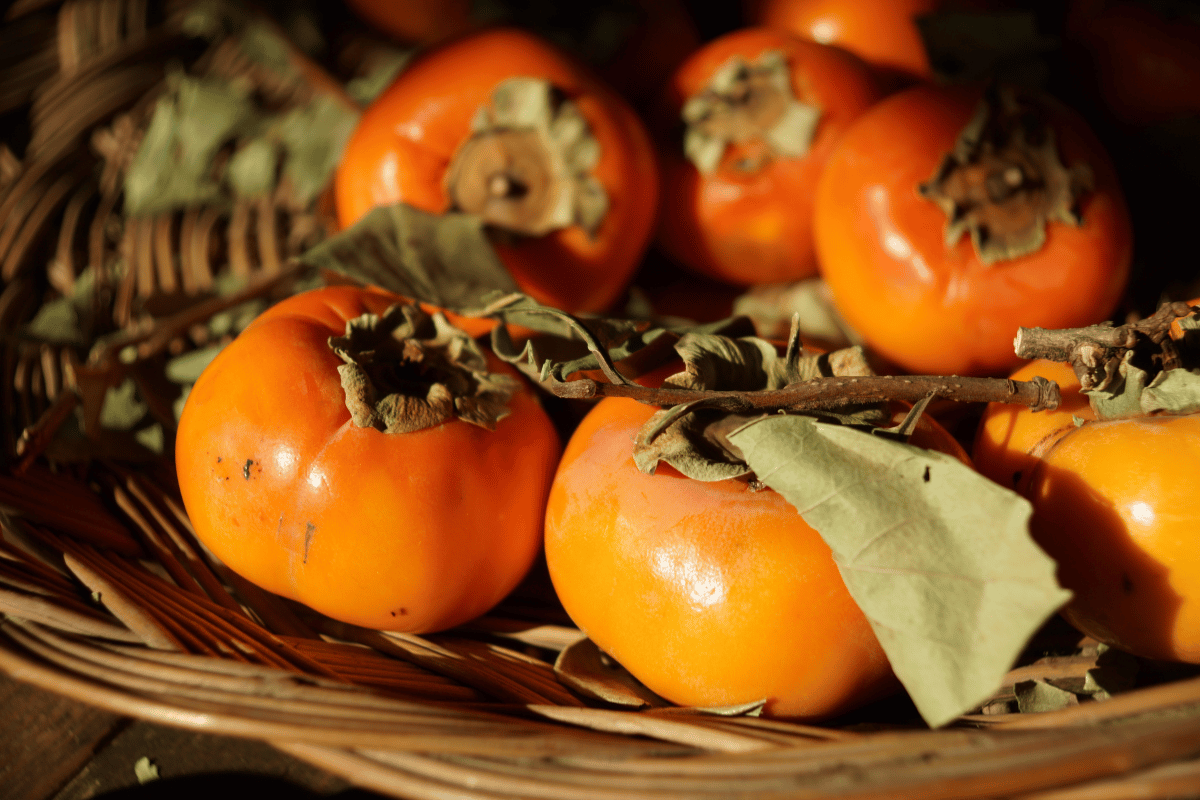
Persimmons (Kaki Fruit): Health benefits, nutrition, and taste
Persimmon (Diospyros kaki), often called Japanese persimmon or kaki fruit, is a sweet orange-colored fruit native to Asia. Persimmons have been cultivated for thousands of years and are especially popular in East Asian countries, where they are considered a delicacy for their sweetness when ripe. Beyond their delightful flavour, persimmons are nutrient-rich fruits packed with vitamins, minerals, and antioxidants, making them a healthy addition to your diet.
In this article, we explore the nutritional value of persimmons, their evidence-based health benefits, and their taste, all in accessible terms.
Nutritional profile of persimmon fruit
Persimmons boast an impressive nutritional profile for a relatively small fruit. They are an excellent source of dietary fibre and vitamins, notably vitamin A and vitamin C, and also provide vitamin B6, potassium, and manganese. In fact, one medium persimmon (about 168 grams) contains roughly 6 grams of fibre and over half of the recommended daily vitamin A intake. This same serving provides more than 20% of the daily vitamin C requirement. Persimmons also contain smaller amounts of other nutrients like vitamin E, vitamin K, copper, and folate, which contribute to their status as a nutrient-dense fruit.
Despite their sweet taste, persimmons are relatively low in calories and fat. A 100-gram portion of fresh persimmon contains about 70 calories and negligible fat. This means you can enjoy the fruit's natural sweetness without too much concern over caloric intake.
Health benefits of persimmons
Persimmons offer several science-backed health benefits thanks to their nutritional composition. Here are some of the key health advantages of including persimmon (kaki fruit) in your diet:
- Digestion support: Persimmons are packed with soluble and insoluble fibre (about 6 g per fruit), which promotes healthy digestion and regular bowel movements. Eating fibre-rich fruits like persimmons can help maintain a healthy digestive tract. In fact, persimmons can contribute to improved digestive health. Adequate fibre intake is also linked to lower cholesterol levels and better blood sugar control, further benefiting overall health.
- Heart health support: The fruit is loaded with antioxidants such as beta-carotene (which the body converts to vitamin A) and flavonoids. These antioxidants help neutralise free radicals and reduce oxidative stress in the body. The persimmon's vibrant orange hue is a sign of its beta-carotene content, a carotenoid associated with a lower risk of heart disease. Persimmons also provide flavonoid antioxidants that have been linked to improved heart health, including reduced blood pressure, less inflammation, and lower levels of "bad" LDL cholesterol. Together, these compounds make persimmons a heart-friendly fruit, potentially helping to protect against cardiovascular disease.
- Immune system and anti-inflammatory benefits: Persimmons are a great source of vitamin C, offering over 20% of the daily value per fruit. Vitamin C is well-known for boosting immune function and has anti-inflammatory properties. Getting enough vitamin C can help your body fend off infections and may reduce inflammation in tissues. Persimmons also contain vitamin A (from beta-carotene), which supports immune defences and is essential for maintaining healthy skin and mucous membranes. Persimmons help support the immune system, reinforcing the fruit's role in maintaining your overall health.
- Vision health: The high vitamin A content in persimmons contributes to good vision and eye health. One persimmon provides over half your daily vitamin A needs, which is important for maintaining healthy vision, especially night vision. Vitamin A, together with other antioxidants like lutein and zeaxanthin (present in many orange fruits), can help protect the eyes from oxidative damage and age-related vision issues.
- Weight management and metabolic health: If you're watching your weight, persimmons can be an ally. They are low in fat and calories but high in fibre and natural sweetness. This means you can satisfy a sweet craving with a persimmon, while the fibre helps keep you full. Replacing high-calorie desserts with fresh persimmons can reduce overall calorie intake while still providing essential vitamins and minerals. Additionally, the fruit's fibre can help moderate blood sugar spikes, which is beneficial for metabolic health and reducing the risk of type 2 diabetes.
- Potential anti-cancer and other benefits: Persimmons contain various phytochemicals (like tannins and flavonoids) that are being studied for their potential anti-cancer and anti-ageing effects. For example, persimmons are noted to be "densely packed with antioxidants" and bioactive compounds that may reduce the risk of chronic diseases. The carotenoids in persimmon (such as beta-carotene) have been researched for cancer prevention – one college wellness article mentions high beta-carotene intake from persimmons as a preventive agent against colorectal cancer and lung cancer. While more research is needed, these findings suggest that including persimmons in a balanced diet might contribute to lower risks of certain cancers and age-related cognitive decline, thanks to their anti-oxidative and anti-inflammatory properties.
It's clear that persimmons, like many fruits, pack a nutritional punch that can benefit multiple aspects of health. As Michigan State University Extension summarises, eating a variety of colourful fruits (including orange fruits like persimmon) every day may help lower the risk of disease and support overall health.
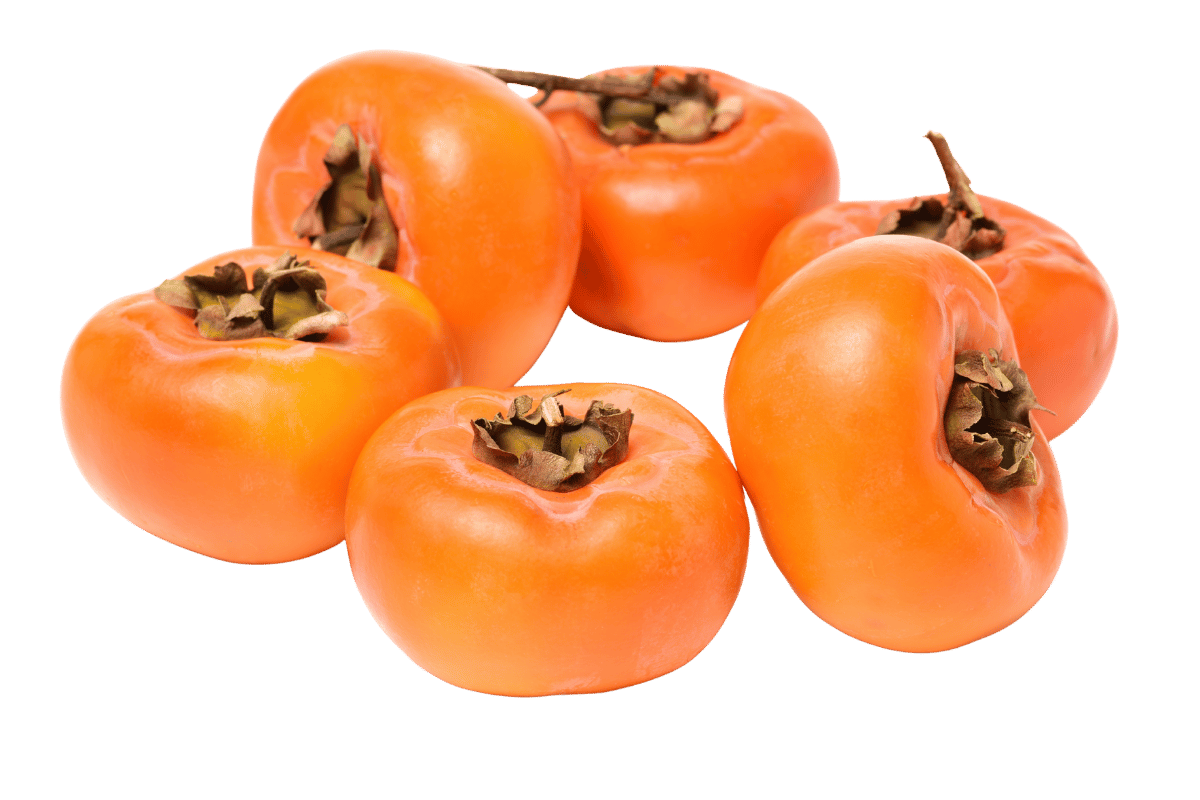
fuyu persimmon variety
What do persimmons taste like?
The answer can depend on the variety of persimmon and its ripeness. Generally, a ripe persimmon has a sweet, delicately honey-like flavor with a hint of spice or apricot. Persimmons are often described as having a sweetness that can surpass even very sweet fruits like oranges. On the Brix scale (which measures fruit sugars), ripe persimmons can reach levels of 20–25, indicating very high sweetness.
However, not all persimmons taste the same. There are two main types of cultivated persimmon fruits:
- Astringent persimmons (e.g. Hachiya): These must be eaten when extremely ripe and soft. An unripe astringent persimmon is highly tannic and mouth-puckering – biting into one too soon will dry your mouth due to the tannins. The Hachiya persimmon, for example, is very tart and bitter until it's fully ripe. Once ripe, the flesh becomes gelatinous, jelly-like, or custard-like in texture and very sweet.
- Non-astringent Persimmons (e.g. Fuyu): These persimmons can be eaten while still firm and are more like an apple or peach in texture. Fuyu is a popular non-astringent variety that is crisp and sweet when firm-ripe, with no bitterness. A ripe Fuyu persimmon has a satisfying crunch and a mild flavour that can be described as sweet with a hint of pumpkin or apricot. Non-astringent types lack the mouth-drying tannins present in unripe Hachiyas, so you can enjoy them when they are still orange and firm. They offer a more subtle sweetness compared to the syrupy sweetness of a fully ripe Hachiya.

Hachiya persimmon variety
Important note: Always remember that unripe astringent persimmons should not be eaten. Not only are they extremely bitter, but their high tannin content can cause digestive discomfort. Consuming unripe persimmons (especially in large amounts) can lead to the formation of a hard mass in the stomach, which may cause pain or blockage. For your own safety, eat persimmons when they are fully ripe or choose non-astringent varieties to avoid these issues. Peeling and cooking persimmons can also reduce astringency if needed.
If you're ready to enjoy the health benefits of persimmons for yourself, now is the perfect time. The harvest season is starting, and fresh Kaki Persimon and Rojo Brillante variety are available directly from Spanish producers on the Wikifarmer Marketplace.
Conclusion
Persimmons, also known as kaki fruit, are a nutritional powerhouse hidden in a sweet, orange package. From a health perspective, they deliver fibre, vitamins, and antioxidants that support digestion, heart health, immunity, and more. From a culinary perspective, their unique honey-like sweetness and versatile uses make them an exciting fruit to explore in the kitchen.