Italy, the largest buyer of Spanish extra virgin olive oil, paid an average of €4.88 per kg between January 2022 and July 2026, 14.6% less than Spain's other customers combined, according to a Wikifarmer analysis of Eurostat export data. Only in 2023 did Italy pay more than the rest. Czechia, Belgium and Portugal paid as little as Italy, while the United States and the United Kingdom paid more.
Italy took almost a third of Spain's extra virgin exports
Between January 2022 and July 2026, Spain exported 898,601 tonnes of extra virgin olive oil to Italy, 31.5% of all its extra virgin exports by volume. Italy paid an average of €4.88 per kg. Spain's other customers combined paid €5.71 per kg over the same months (Eurostat Comext).
These figures are export unit values, meaning the declared value of the shipments divided by their weight, for customs code 1509 20 00 (extra virgin olive oil), with Spain as the exporter. They are free on board prices at the Spanish border, before freight. Spain is the largest single source in a trade where, at EU level, olive oil led agri-food export growth.
The discount is 15% to 23% depending on the benchmark
Measured against all of Spain's other buyers together, Italy paid 14.6% less per kilo from January 2022 to July 2026. This comparison weights every destination by the volume it bought, so large buyers such as the United States and France dominate the benchmark. In this article each country is compared with all of Spain's other customers, so the benchmark is slightly different for each country.
Measured against the typical destination, the gap is wider. Among the 135 countries that bought at least 50 tonnes of Spanish extra virgin in the period, the median unit value was €6.31 per kg. Italy paid 22.6% less than that median. This benchmark gives every country one vote, so the many small markets that pay higher prices pull the median up.
Italy paid more than other buyers only in 2023
Italy bought below the rest of Spain's customers in every year except 2023. That year the average unit value of all Spanish extra virgin exports rose from €3.94 per kg in 2022 to €6.26 per kg. Italy paid 6.6% more than Spain's other buyers that year, while it took less than half the volume it had bought in 2022.
| Year | Italy, €/kg | All other buyers, €/kg | Italy vs other buyers | Italy, tonnes |
| 2022 | 3.63 | 4.08 | −11.0% | 225,363 |
| 2023 | 6.57 | 6.16 | +6.6% | 106,802 |
| 2024 | 7.39 | 8.49 | −12.9% | 152,849 |
| 2025 | 4.16 | 5.15 | −19.3% | 261,863 |
| 2026, January to July | 4.25 | 5.12 | −16.9% | 151,725 |
Source: Wikifarmer analysis of Eurostat Comext dataset DS-045409, Spanish exports under CN 1509 20 00, downloaded 15 October 2026. The 2026 figures are provisional.
In 2025 and the first seven months of 2026, as prices fell back, Italy paid 17% to 19% less than Spain's other buyers. In 2025 it bought 261,863 tonnes, more than in any other year since 2022.
Three other European buyers paid as little as Italy
Per kilo, Czechia paid €4.47 and Belgium €4.68 over January 2022 to July 2026, less than Italy's €4.88, and Portugal paid €4.89. Against all of Spain's other customers, that is 18.0% less for Czechia on 11,618 tonnes, 14.4% less for Belgium on 53,307 tonnes and 10.9% less for Portugal on 197,914 tonnes. France, the third largest destination with 320,356 tonnes, paid 6.3% less and Germany 4.7% less.
Against the median destination the gaps are larger, at 22.5% for Portugal, 25.8% for Belgium and 29.1% for Czechia. All three paid less than Spain's other buyers in every year from 2022 to 2026.
The United States pays more than the volume average
The United States was Spain's second largest extra virgin destination after Italy, with 383,470 tonnes. It paid €6.16 per kg, 15.4% more than Spain's other buyers, although that is 2.3% below the median destination. The United Kingdom paid 8.0% more than Spain's other buyers on 97,011 tonnes.
Small markets paid the most per kilo. Among destinations that took at least 50 tonnes, the highest unit values were in Congo at €9.50 per kg, Moldova at €9.00 and Turkey at €8.30. Nigeria paid 39.9% more than Spain's other buyers and Bolivia 44.8% more, on 1,316 and 647 tonnes over four and a half years. At these volumes a handful of shipments sets the average.
Bulk oil sells for less per kilo than bottled oil, and the customs code does not separate the two
The customs code mixes bulk and bottled oil
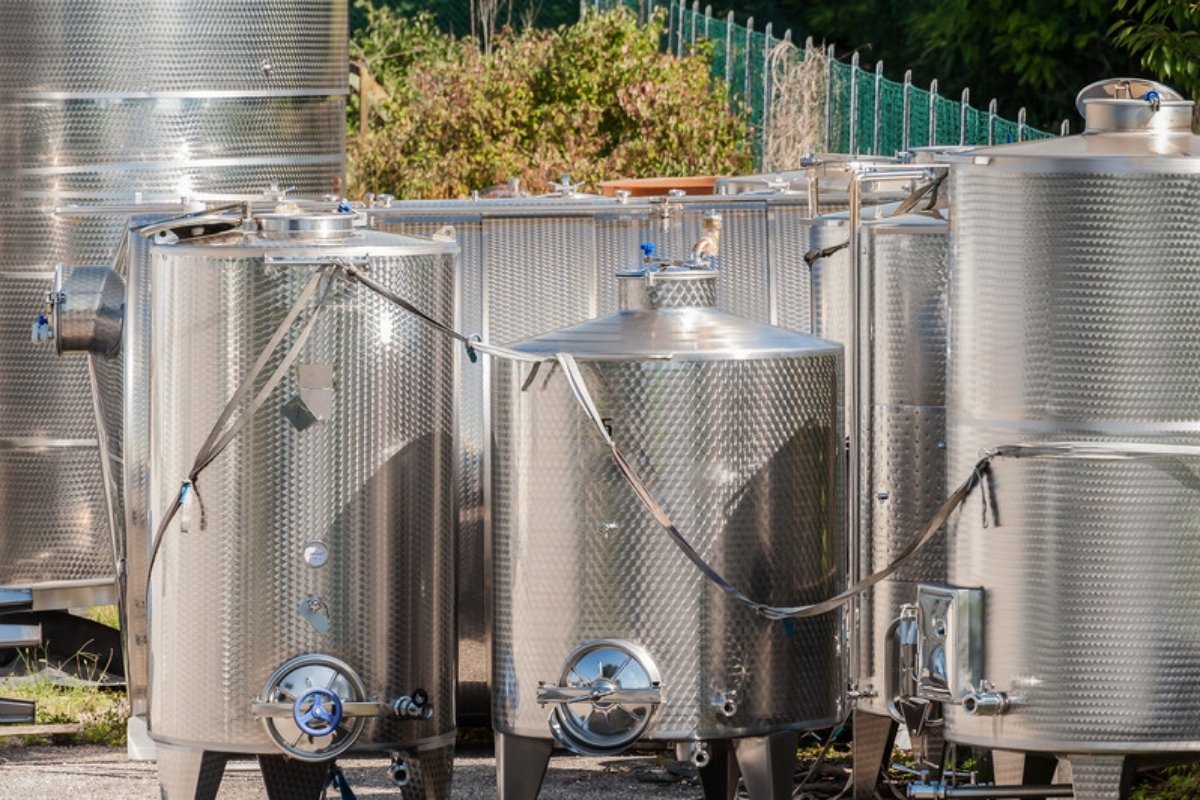
Customs code 1509 20 00 covers every container size, from road tankers to 250 ml bottles, and the trade data do not separate the two. Bulk oil sells for less per kilo than bottled oil, so a low unit value can reflect packaging as well as price. The Italian discount fits purchases of bulk oil by Italian bottlers and blenders, but the trade data alone cannot confirm it. The discount is therefore a measure of what Italy buys as much as of the price it negotiates.
Unit values work as a benchmark with limits
For buyers and sellers of Spanish extra virgin, these unit values give a public monthly reference for what each destination paid. Comparisons hold only for similar packaging, and the latest months are revised as Eurostat receives corrected declarations. Spanish export prices for the 2026/27 season will also depend on supply now that Spain expects 1.6 million tonnes of olive oil in 2026/27.
Sources
- Eurostat. (2026). International trade in goods database, Comext dataset DS-045409, EU trade since 1988 by HS2-4-6 and CN8. European Commission.
- Eurostat. (2026). Comext database API, getting started. European Commission.