
Honey is widely known as a sustainable and natural product. We acknowledge the crucial role of bees in pollination, which sustains biodiversity and agriculture. Honey is considered a minimally processed product and a natural sweetener containing enzymes, vitamins, and antioxidants, often an alternative to refined sugar.
With the rapid global rise of the vegan diet since the 2010s, labeling products as "vegan" has become essential not just for ethical ideology but for health and safety indicators and market trust. Veganism excludes animal-derived products.
And here comes the debate: bees are animals, too.
Honey is in the grey zone in public debate. First, bees are insects and non-mammals, and ethical views generally consider beekeeping less severe than the dairy or meat industries. Second, supporting beekeeping helps bee populations grow, which matters for pollination and biodiversity. Finally, vegans consume crops that require commercial pollination, such as almonds and avocados, which implicitly supports the use of bee colonies.
So, what is veganism? What are the aspects of honey production? And what are the labeling implications?
What does "vegan" actually mean?
Veganism started around the 1950s and was defined as ending the exploitation of animals by humans. It includes giving up all activities involving animals, such as food production, clothing, entertainment, labor, experimentation, and pest control.
A vegan product is therefore one free from ingredients of animal origin. As we can see in supermarkets today, there are many substitutes for animal products. Some common "non-vegan" or animal-derived products are meat, dairy, leather, silk, wool, and honey.
The controversy about the "vegan" status of honey
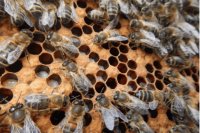
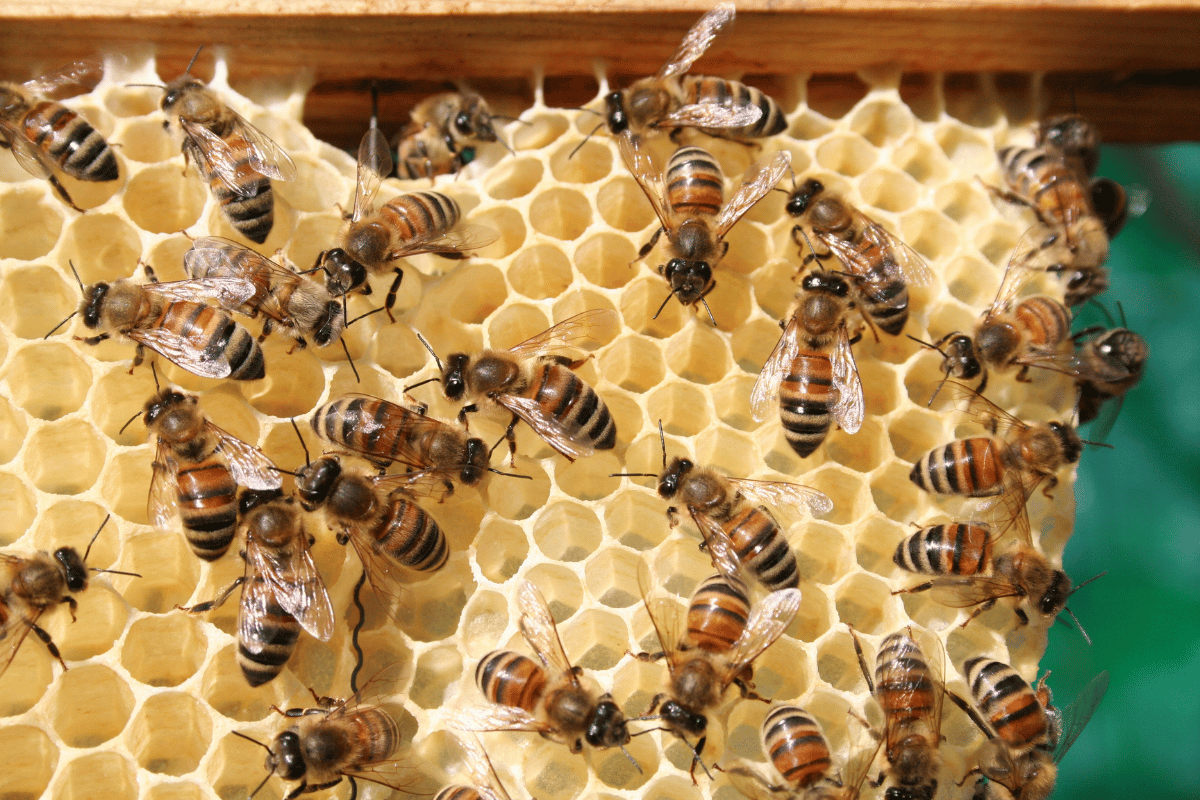
Honey, by definition, is a direct by-product of bee labor and processing. Understanding honeybee biology helps explain why. Bees collect nectar, digest it, and regurgitate it to create honey. It is the food source of their colony, produced to keep them alive.
Before getting into the details of practices used, an important note is that not all beekeepers operate this way. The following practices are mentioned only to raise awareness, and anyone exploring beekeeping for beginners will find a wide range of approaches across the industry.
Replacing honey with sugar syrup
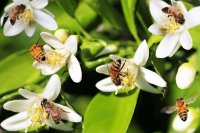
Bees do not collect nectar from up to 1,500 flowers for no reason. Honey is produced for a biological purpose, and its harvesting is often considered stealing the bees' food. The sugar syrup used as a replacement is typically less nutritious for the colony.
Queen wing clipping
To keep a colony alive, hives need a queen. Beekeepers often buy well-bred queens and clip one of the queen bee's forewings to prevent her from flying away during swarming. While it is considered a management practice to avoid losing bees, it is a direct harm to the queen.
Competition with natural bee colonies
With the increasing mass breeding of bees, honeybees are competing with bumblebees for nectar. Honeybees can also carry and transmit parasites and viruses to wild bumblebees, such as the Deformed Wing Virus, and can act as a reservoir for these pathogens.
Bees killed in the process
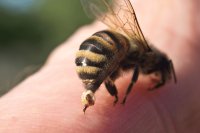
It is rarely possible to work with a beehive without crushing or killing bees during processes like removing and replacing combs or during honey harvesting.
Controlled breeding and artificial insemination
Since the mating system of honeybees is unique and complex, artificial insemination is a tool for bee breeding. It allows beekeepers to accurately determine the fathers of their colonies and select for desired traits, such as Varroa Sensitive Hygiene. However, there are negative effects, including reduced queen longevity due to lower sperm counts and increased risks of queen mortality.
Transporting hives for pollination
Migratory beekeeping is the practice of moving beehives to different locations across the seasons, following floral blooming cycles to maximize honey yield and provide pollination. Yet it imposes significant stress on colonies and reduces their lifespan.
Ethical beekeeping
A response to these concerns is ethical beekeeping, which prioritizes the health of bees and the environment over profit.
Practical approaches include harvesting only the surplus of honey and leaving enough food for the colony to survive winter, avoiding intensive beekeeping to reduce competition with wild bumblebees, limiting hive transportation to reduce stress on colonies, and replacing synthetic chemicals with natural methods for Varroa mite management.
Labeling regulations
Honey products cannot be Certified Vegan or carry Vegan Trademark status, as honey is legally defined in directives as the natural substance produced by Apis mellifera bees. However, there are substitutes on the market, often under misleading names like "vegan honey," made from plant-based syrups from apples or agave. Since there is no universal definition of "vegan," certification bodies take different positions. Vegan Trademark in the UK prohibits honey under its trademark. V-Label permits honey and other bee products only under the vegetarian category, not the vegan one.
Conclusion
No matter the debate among consumers about honey and veganism, the beekeeper's focus should not be on fitting the product into a category it was not designed for, but on highlighting ethical beekeeping. Transparent production and traceability, for example, are more effective than labels that risk misunderstandings.