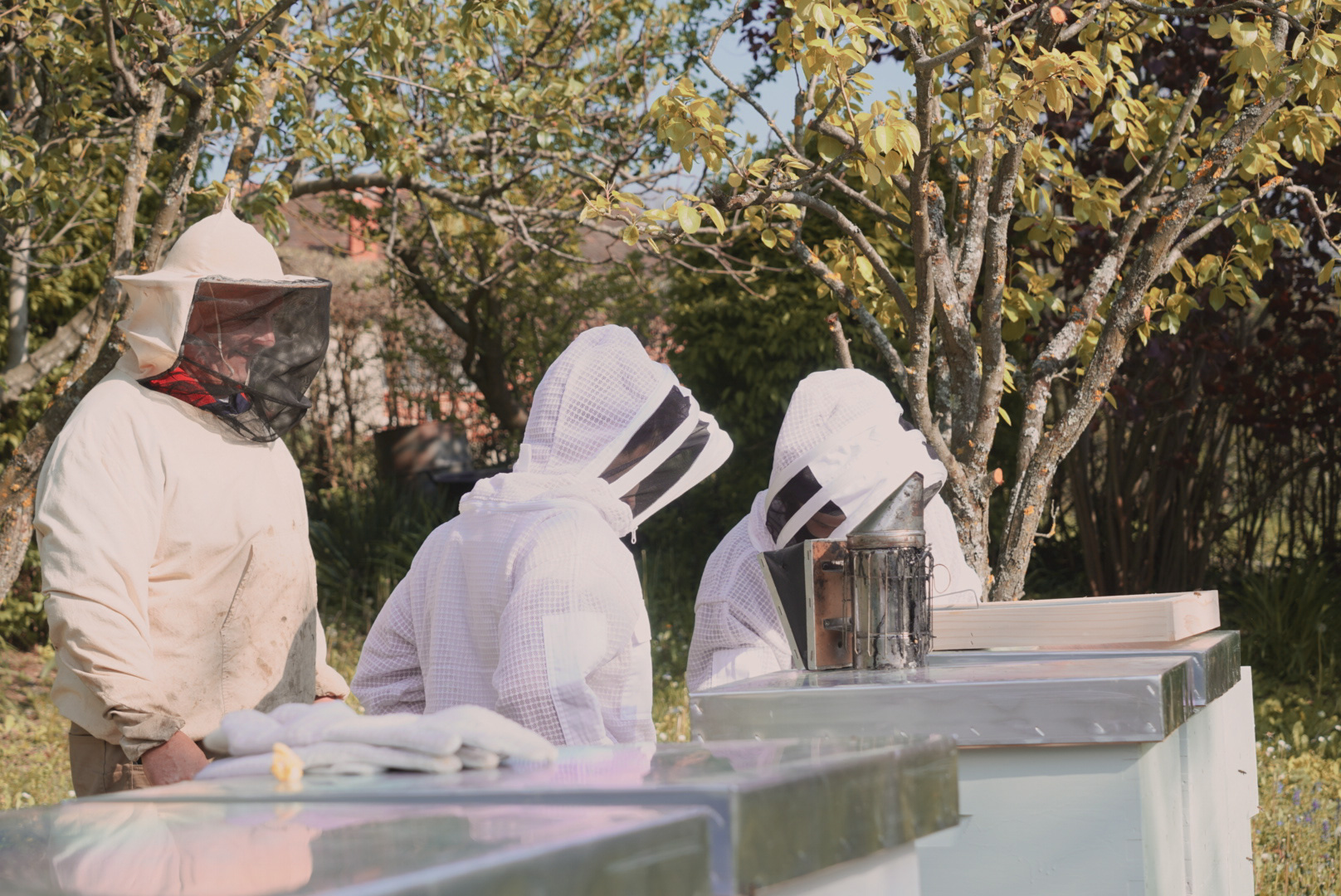
One of the enchanting qualities of beekeeping is undoubtedly the spirit of tradition permeating each step in the apiary, every sting, and often the local beekeepers' meetings. These gatherings resound with arguments and weather complaints, but sometimes the wise, quiet voice of the eldest member is heard from the back row.
As young beekeepers eager to absorb the elders' wisdom, we cherish their anecdotal tales, none more vivid than the story of Varroa (lat. Varroa destructor) during their early beekeeping days. Not native to Europe, Varroa brought no trouble to those once young, now older beekeepers and their bees in the mid-20th century, as it parasitized only the Asian honeybee. Its passage to Europe came through Russia in the 1960s-70s, first recorded in Croatia in 1978. Imagining beekeeping without battling Varroa is to envision a separate epoch. The elders stand as living proof that beekeeping history divides into two eras: before and after Varroa.
Varroa destructor - The greatest modern plague of honey bees
Varroa is today the most common parasite, and varroosis is the most widespread disease of honeybees. This mite parasitizes the bee's body, weakening and ultimately killing it. With its paired pedipalps, it penetrates the chitinous exoskeleton of adult bees and larvae, sucking their hemolymph. It feeds on the body fats of adult bees and drones. Additionally, wounds left at feeding sites become gateways for infectious microorganisms. Varroa mites are often carriers of viral diseases such as deformed wing virus, Kashmir bee virus, Israeli acute paralysis virus, and others. Because Varroa
reduces bees' immune response, simultaneous infections can be fatal for colonies. It is proven that untreated colonies succumb to Varroa infestation within 1-3 years.
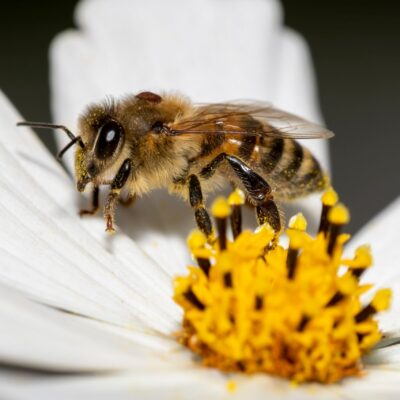
The battle and cunning required to combat Varroa stand among the most challenging skills in beekeeping. Thus, modern apiculture differentiates between conventional and innovative (modern) methods of Varroa control.
If anything, at the beekeepers' meetings, the consensus reached is simple yet profound, where there are beekeepers, there are as many Varroa control methods as hands tending the hives.
Conventional methods of varroa control
1. Synthetic acaricides
Beekeepers commonly apply synthetic acaricides based on formamidines, organophosphates, and pyrethroids, such as amitraz, coumaphos, and fluvalinate. However, frequent use of the same compounds has led to diminished efficacy due to the development of Varroa resistance. Additionally, residues from these chemicals remain in bee products consumed by humans, such as honey and pollen. Experimental evidence has demonstrated that amitraze fumigation contaminates honey with toxic metabolites.
2. Organic acids and other chemical preparations
Among organic acids, formic acid (60%), octanoic or lactic acid (15%), and oxalic acid (3.2%) are most commonly used, along with other chemical preparations such as thymol, menthol, and various essential oils. These are popular due to their high efficacy, low likelihood of Varroa developing resistance, and low cost. During the broodless winter period, oxalic acid sublimation is often applied, showing success rates up to 98%. Formic acid is applied in summer by spraying or evaporation, but requires skill and protective measures due to its corrosive nature.
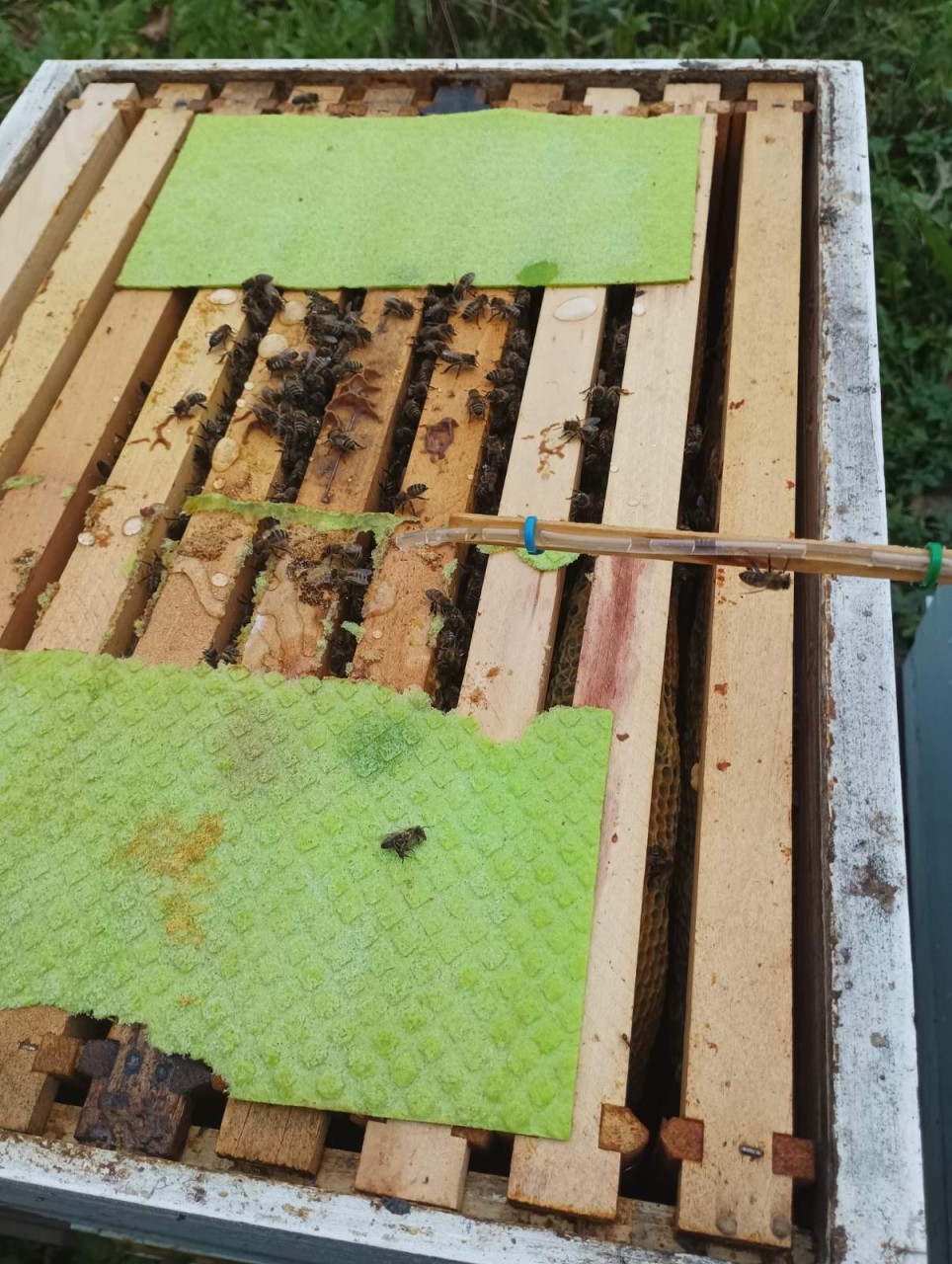
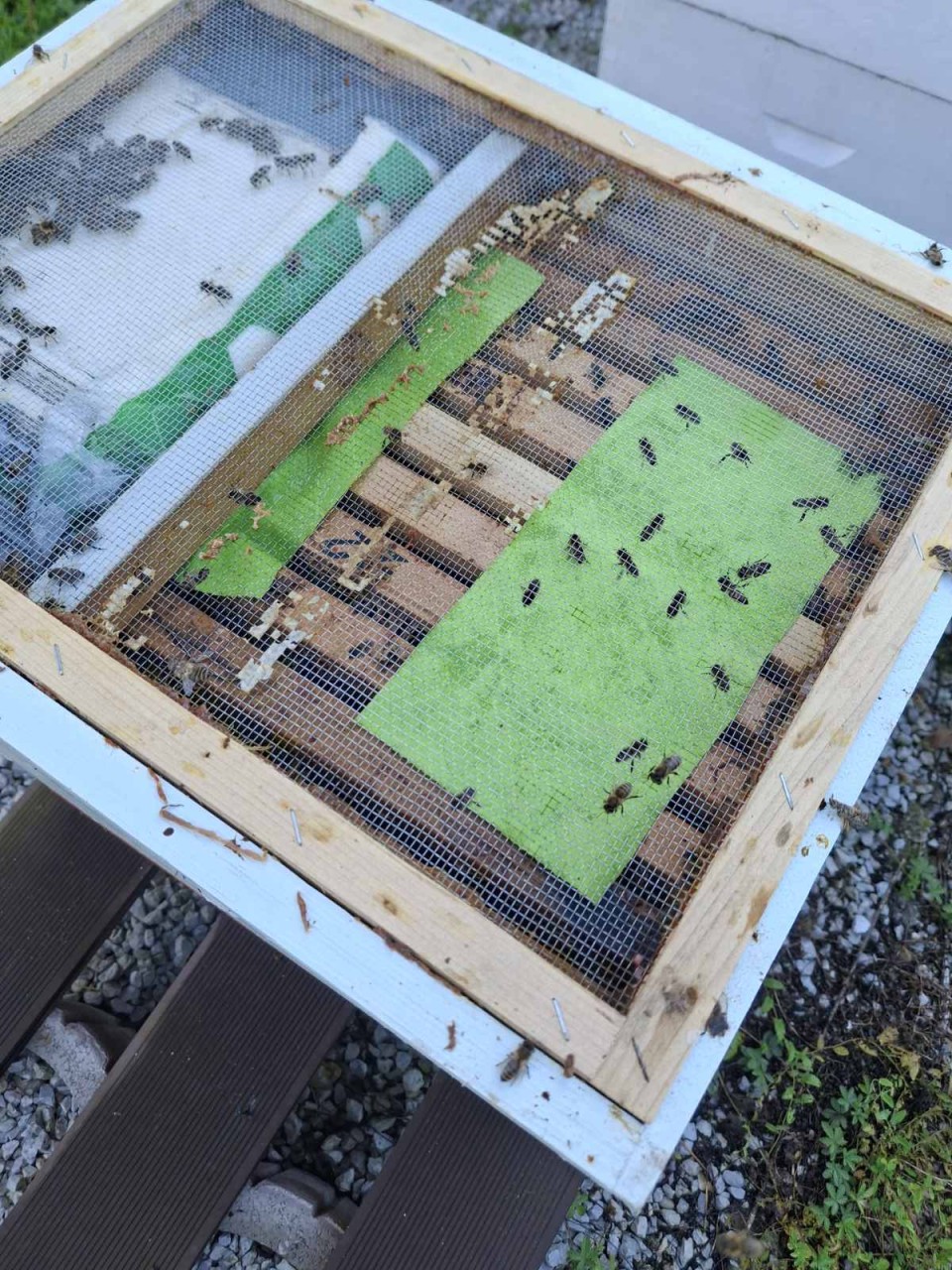
Varroa treatment using cellulose wipes soaked with glycerin and oxalic acid
VIDEO: Varroa Mite Oxalic Acid Treatment
3. Biotechnical-breeding methods
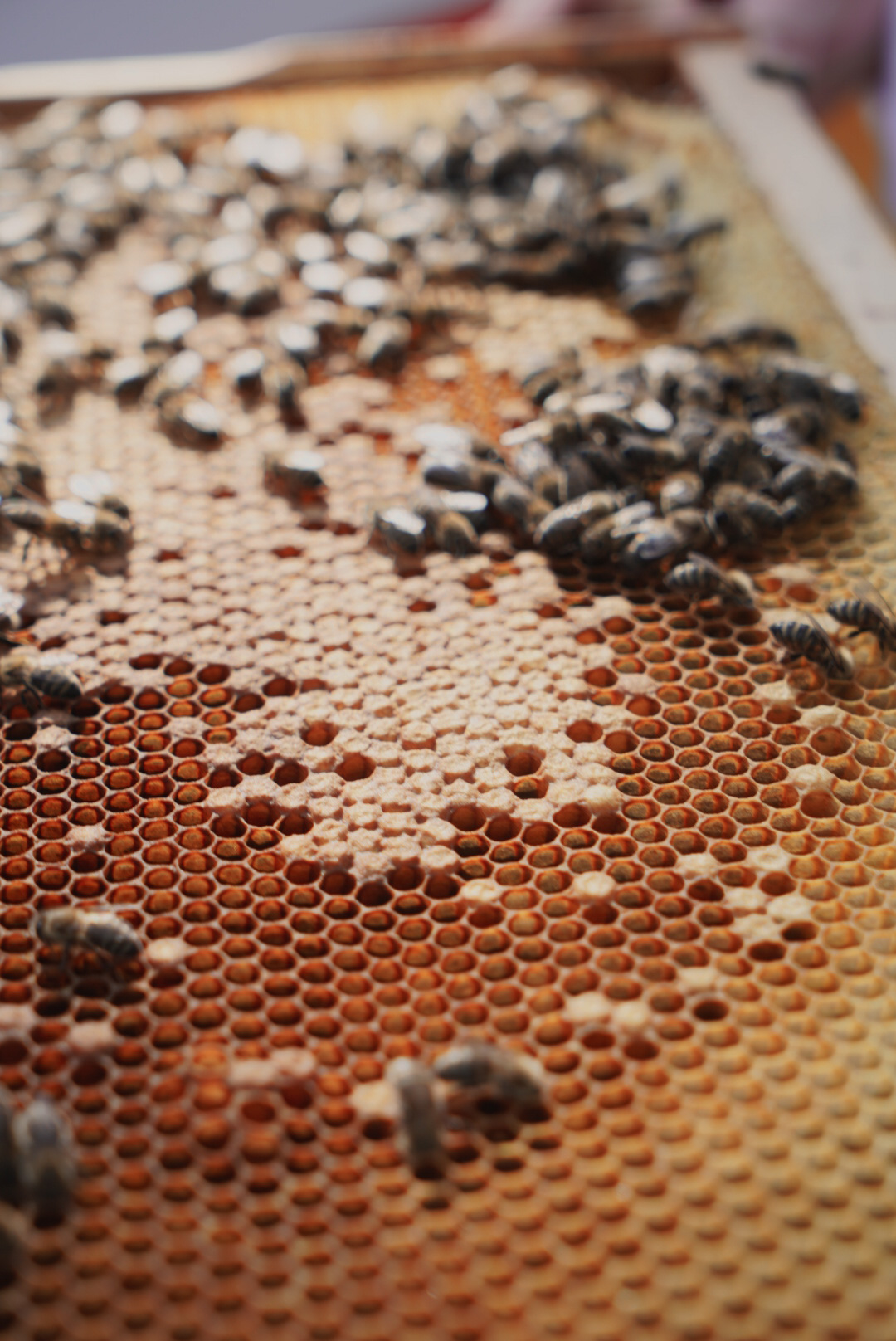
Biotechnical methods include the removal (cutting out) of drone brood, which is the preferred breeding site for Varroa (it is infested 5-10 times more heavily than worker brood), and the use of replacement frames with young uncapped brood to trap Varroa. Research shows that this method can remove over 80% of the mite population. Another biotechnical breeding method is the formation of nucleus colonies, where frames with infected brood are removed from the main colony. These frames are then used to form nuclei to which one or two queen cells are added. These nuclei can be treated with formic or lactic acid 3-4 weeks after formation (until the old queen’s brood emerges and the new brood is still uncapped), and a “builder” frame can also be placed. The third biotechnical method is the formation of package splits.
Modern innovative methods of varroa control
Due to the decreasing effectiveness of traditional and conventional Varroa control methods caused by growing resistance, there has been an increasing global demand for alternatives.
1. Predatory Biopesticides
Predatory biopesticides for Varroa control include entomopathogenic fungi, bacteria, and nematodes that naturally attack and kill Varroa. Among the most important entomopathogenic fungi are species of the genera Beauveria (lat. Beauveria bassiana) and Metarhizium (lat. Metarhizium anisopliae), which have demonstrated the ability to cause Varroa mortality effectively.
Additionally, bacteria from the Bacillaceae family, such as Bacillus thuringiensis, produce toxic proteins with acaricidal properties and are used as biological agents against Varroa. Symbiotic bacteria in the gut microbiota of bees also have additional potential to reduce Varroa populations.
Nematodes, microscopic roundworms like Halicephalobus gingivalis, have also been identified as potential biological control agents as they parasitize and reduce Varroa populations.
These methods offer environmentally friendly alternatives to synthetic acaricides, reduce the risk of resistance development, and support sustainability in beekeeping, while the greatest challenges in applying bioagents are bee safety and adapting the agents technologically to the physical conditions inside the hive.
2. RNAi Technology (RNA Interference)
RNAi technology against Varroa utilizes the mechanism of RNA interference to specifically silence essential Varroa genes. The treatment is usually administered through feeding bees a solution containing double-stranded RNA (dsRNA) targeted at Varroa genes. This technology reduces mite reproduction and causes mite death without harming the bees, as it is highly specific and safe. Field applications show infestation reductions between 33-42%.
The advantages of RNAi technology include high specificity toward Varroa, ecological safety (as RNA degrades quickly in nature), reduced risk of resistance development, and absence of harmful effects on bees and the environment. This technology represents a new era in sustainable Varroa control.
3. ThermoTherapy
ThermoTherapy for controlling Varroa is applied by controlled heating of the hive to a temperature between 40-47 °C for about 2.5 hours. This temperature is lethal to the mite (which can reproduce within a narrow temperature range of 26-33 °C), especially during the developmental stages of capped brood, while bees and their brood tolerate this heat without harm.
This method is considered a promising alternative to chemical treatments in integrated Varroa management and helps reduce pesticide use, thereby lowering environmental risks and the development of resistance.
A look at the past and into the future
The battle against Varroa is one of the pivotal challenges in modern beekeeping, where preserving tradition, intertwined with new technology, yields the best outcomes. Traditional methods still remain
widely used, yet challenges such as Varroa resistance and chemical residues in bee products demand the development of novel approaches. Innovative techniques like RNAi technology, predatory biopesticides, and ThermoTherapy offer environmentally friendly, precise, and sustainable alternatives, enabling more effective and safer Varroa control.
By integrating these approaches within comprehensive management, beekeepers can better protect their colonies and honeybees, safeguarding their vitality and legacy for generations yet to come.
Sources
- Može li se RNAi tehnologijom stati varoi na kraj? — Agroklub
- Hrvatska pčela, broj 5, Zagreb 2023, godište 142.
- Hrvatska pčela, broj 7/8, Zagreb 2023, godište 142.
- Hrvatska pčela, broj 11, Zagreb 2023, godište 142.
- Veroljub Umeljić, Pčelarstvo: Od početnika do profesionalca (2022)
- Freyja Austin, Destroying the Destroyer: Is RNAi technology effective in destroying Varroa destructor infestation of the western honey bee?
- Rose McGruddy, John Haywood, Philip J Lester, (2024) Beekeepers Support the Use of RNA Interference (RNAi) to Control Varroa destructor
- Gljive Mogu Pomoci Pcelama Protiv Varoe
- Kovačić, M., Sarajlić, A., Puškadija, Z., Kanižai Šarić, G., Laznik, Ž., Jakovljević, I., Raspudić, E., Majić, I., (2021) Biološki agensi za suzbijanje grinje Varroa destructor, parazita medonosne pčele (Apis mellifera)
- Vítězslav Bičík, Jiří Vagera, Hana Sádovská, (2016), The effectiveness of thermotherapy in the elimination of Varroa destructor