In a small town in central Croatia, a unique agricultural revolution is taking place. Near the towns of Čazma and Bjelovar lies Gruntek, an innovative startup transforming national dietary habits. Beyond independently cultivating more than 40 different (mostly) vegetable crops, their production is grounded in natural and organic principles, avoiding the use of plastics and artificial pesticides throughout the process. Gruntek also follows a zero food waste policy, with any surplus donated to Croatian schools and charities.
What sets Gruntek apart from other vegetable producers is its innovative business model of payment, distribution, and marketing. Specifically, Gruntek operates on a subscription business model, where customers make a single purchase via the website, after which the same monthly amount is automatically charged to their card. Depending on the size of the selected plan (MINI or MAXI), Gruntek delivers a basket of local, seasonal, pesticide-free vegetables to subscribers on a weekly basis. The vegetables are delivered on the same day they are harvested, currently to four locations in Croatia, with free delivery. Production is entirely natural, without chemical agents, and deliveries are usually completed within ten hours of harvest, without storage or intermediaries, thereby significantly shortening the supply chain.
In this interview, we speak with Jelena Mikuš, M.Sc. Agronomy, Head of Agricultural Production at Gruntek, one of the largest organic vegetable producers in Croatia.
1. Let us begin with the basics: please describe Gruntek’s agricultural enterprise. Where exactly is Gruntek located, and in what area do you cultivate which crops?
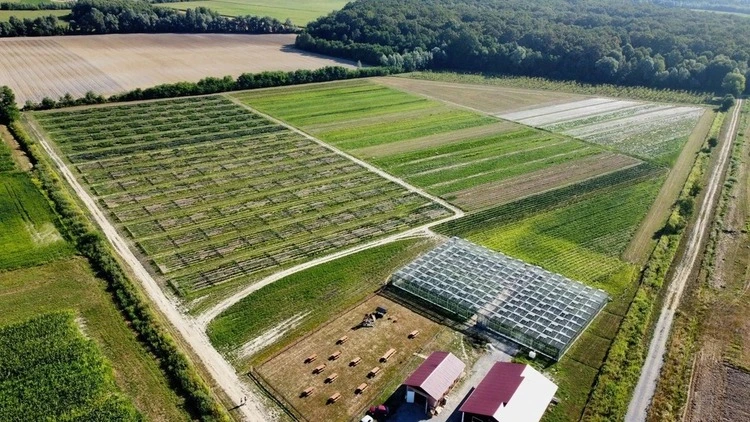
Gruntek is situated in central Croatia, in Prokljuvani, a village near the towns of Čazma and Bjelovar. This location offers excellent geographic positioning for distributing our vegetables to four delivery points. The current production area is just over 7 hectares, divided into three sectors, and we plan to expand by several more hectares in the coming season.
We cultivate more than 40 different crops, predominantly vegetables, and this year plan to produce between 250 and 300 tons.
Our agricultural production team comprises two agronomy graduates and nine workers, some of whom have been in this field since the very beginning. This makes us highly agile, cohesive, and efficient, and instills pride in our work.
2. You produce up to 300 tons of organic vegetables per season, impressive under Croatian conditions. Have you identified the potential of any indigenous vegetable cultivars?
All the crops we cultivate have generally proven successful. These are crops that naturally thrive in this region, with which we are all well acquainted and have used in our diet for many years.
I would highlight our native pumpkins, which have been grown in Croatia for over 100 years and readily adapt here. At Gruntek, we cultivate Cucurbita maxima and Cucurbita pepo.
The Posavka lettuce is our indigenous winter variety of crisphead lettuce that forms beautiful, firm heads of dark green leaves with reddish hues in early spring. This variety, cultivated in Croatia for decades or even centuries, is particularly valued for its resistance to cold conditions and its year-round production capability. In our context, it symbolizes a
long-standing tradition of cultivation adapted to local climatic conditions and is therefore an integral part of our organic production.
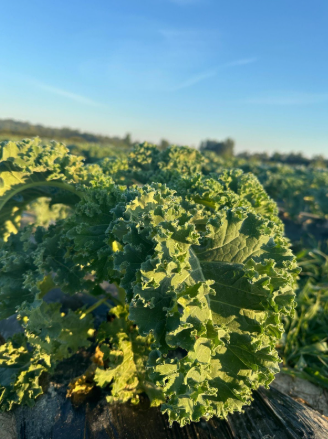
Image 1. Autochthonous variety The Posavka Lettuce (Lactuca sativa)
Most of us dream of large, ribbed tomatoes, peppers, cucumbers, beans, lettuce, and chard—all those familiar aromas and flavors from our grandmothers’ gardens, which we wish to pass on to our children. Gruntek offers just that: a garden from which products, harvested in the morning, reach our customers’ doors in several Croatian cities the same day. All of this is grown exclusively by pure, organic methods.
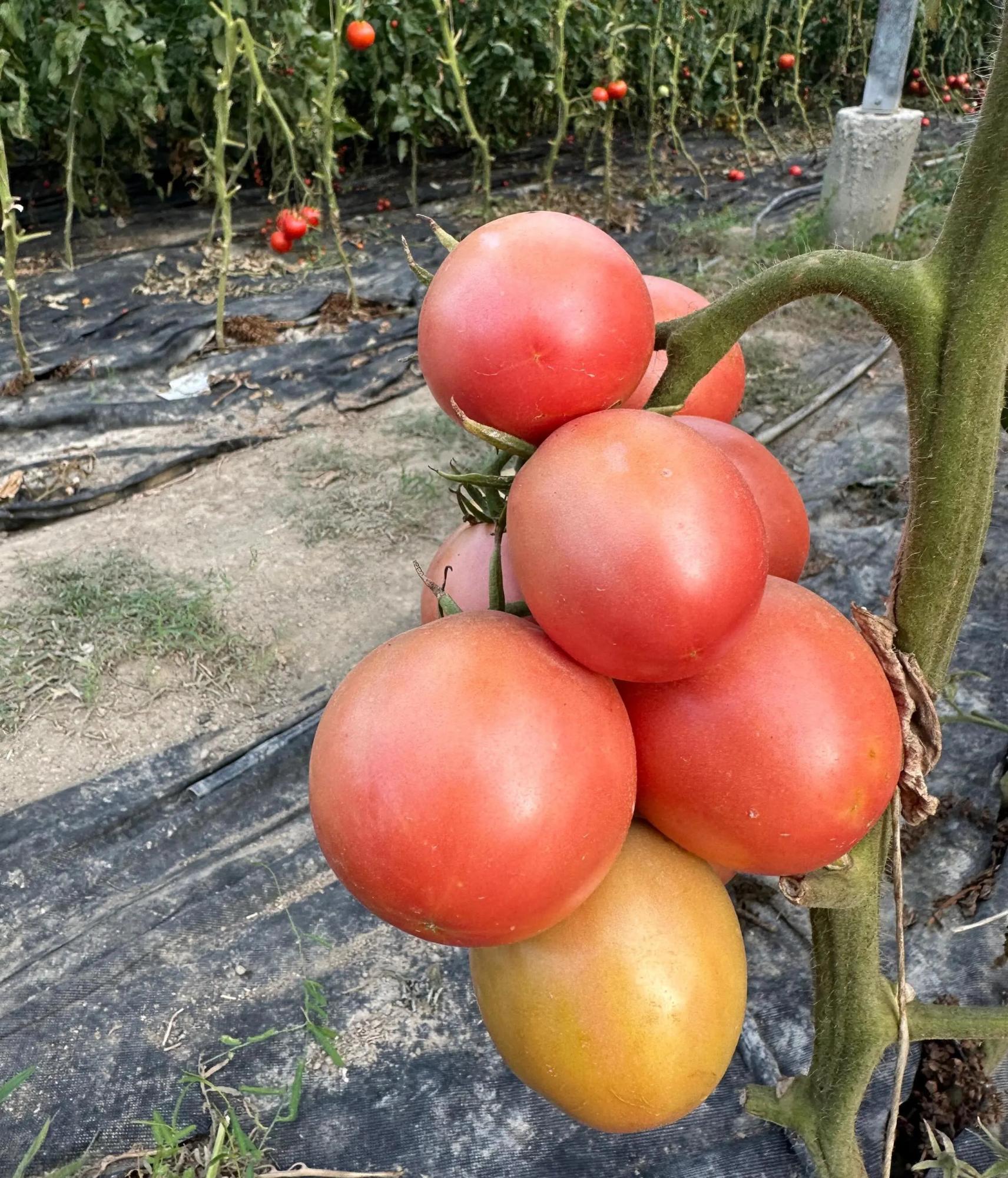
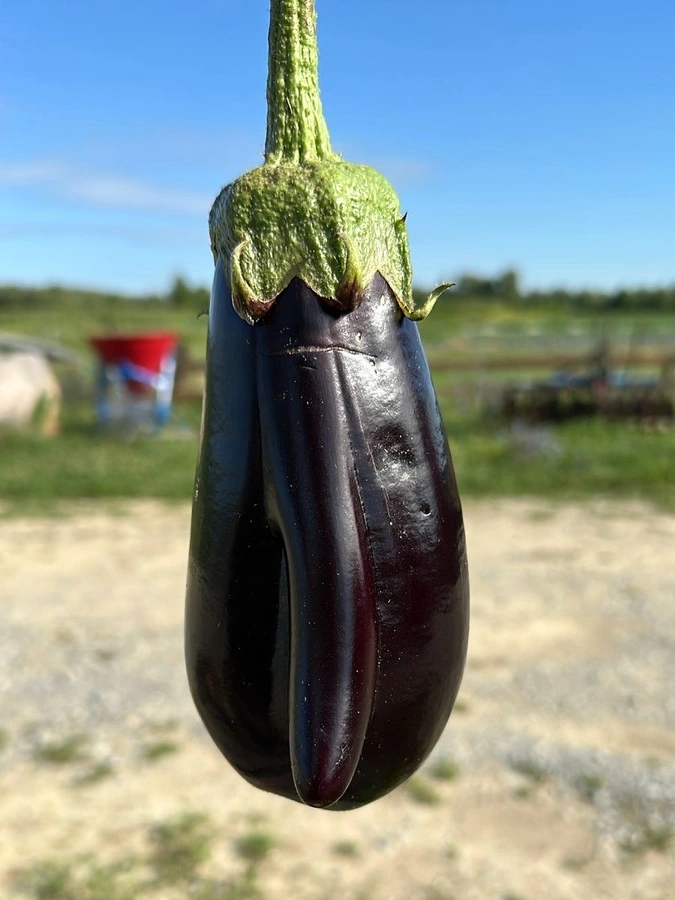
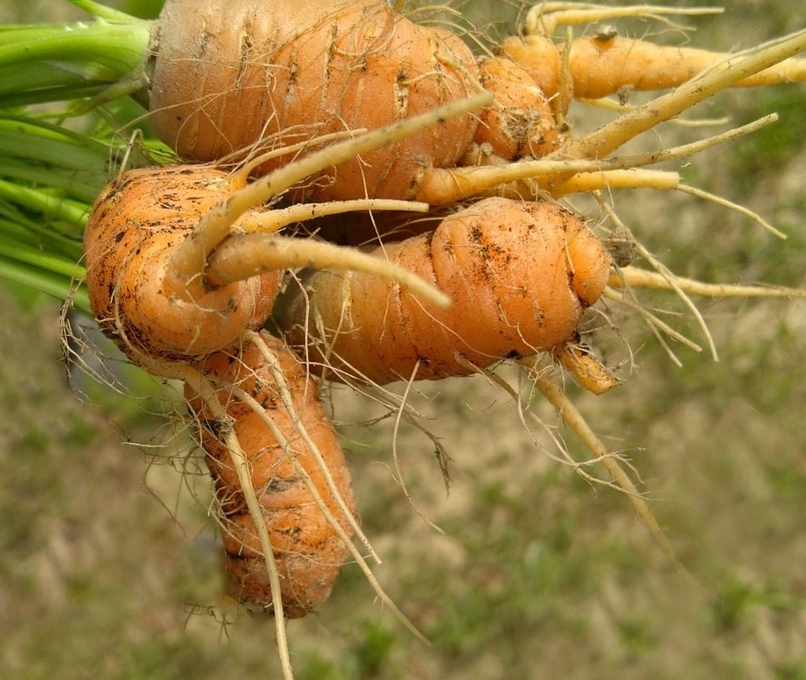
Images 2, 3, and 4. Naturally grown vegetables at Gruntek
3. Managing crop rotation for such a vast number of crops across more than 7 hectares must be complex. How do you plan your crop rotation each season?
Crop rotation is always complex, and the more consistently we adhere to it, the more entangled its network becomes. Gruntek is divided into three sectors, which allows a three-year crop rotation cycle to function very well. Three years are sufficient for the soil to cleanse itself of diseases and pests following a particular crop.
When growing crops that benefit one another, they can offer protection and support to each other. Additionally, by planting cover crops, we enhance soil quality and inhibit weed growth. Furthermore, plants that draw in helpful insects and pollinators can significantly decrease pest numbers. Understanding botanical families is essential to prevent planting similar species next to one another.
This approach in organic production can achieve a great deal—not all, but nearly 50% of the necessary protection and resistance.
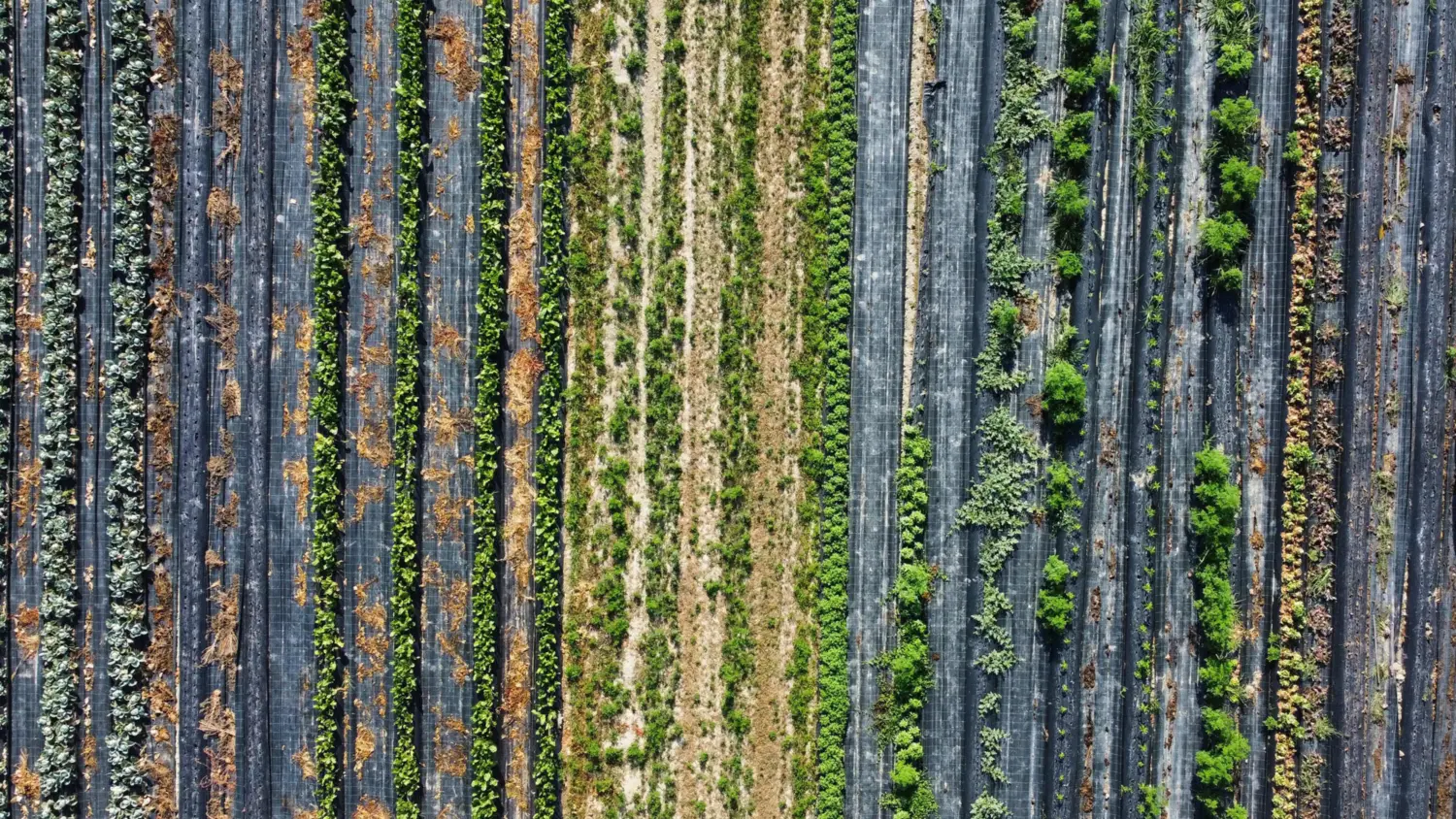
Image 5. Crop rotation at Gruntek
4. Croatian farmers struggle most with pests such as flea beetles and Colorado potato beetles, as well as with other animals. What has proven most effective in controlling these pests in line with organic standards?
Organic production itself is challenging, and on such a large area, we sometimes have to test our limits. It is a process full of trial and error, losses and problems, but also solutions. Simply put—we don’t know until we try.
At Gruntek, we learn something new every day. For example, we have learned not to plant tender heads of lettuce near the forest because deer eat them. Other lettuce varieties do not attract them, but butterhead lettuce is a favorite. We have also recognized that flea beetles cause huge problems, with almost no registered protective agents available. Those that exist can only be used a few times during the growing season. These agents repel pests for a few days, then they return.
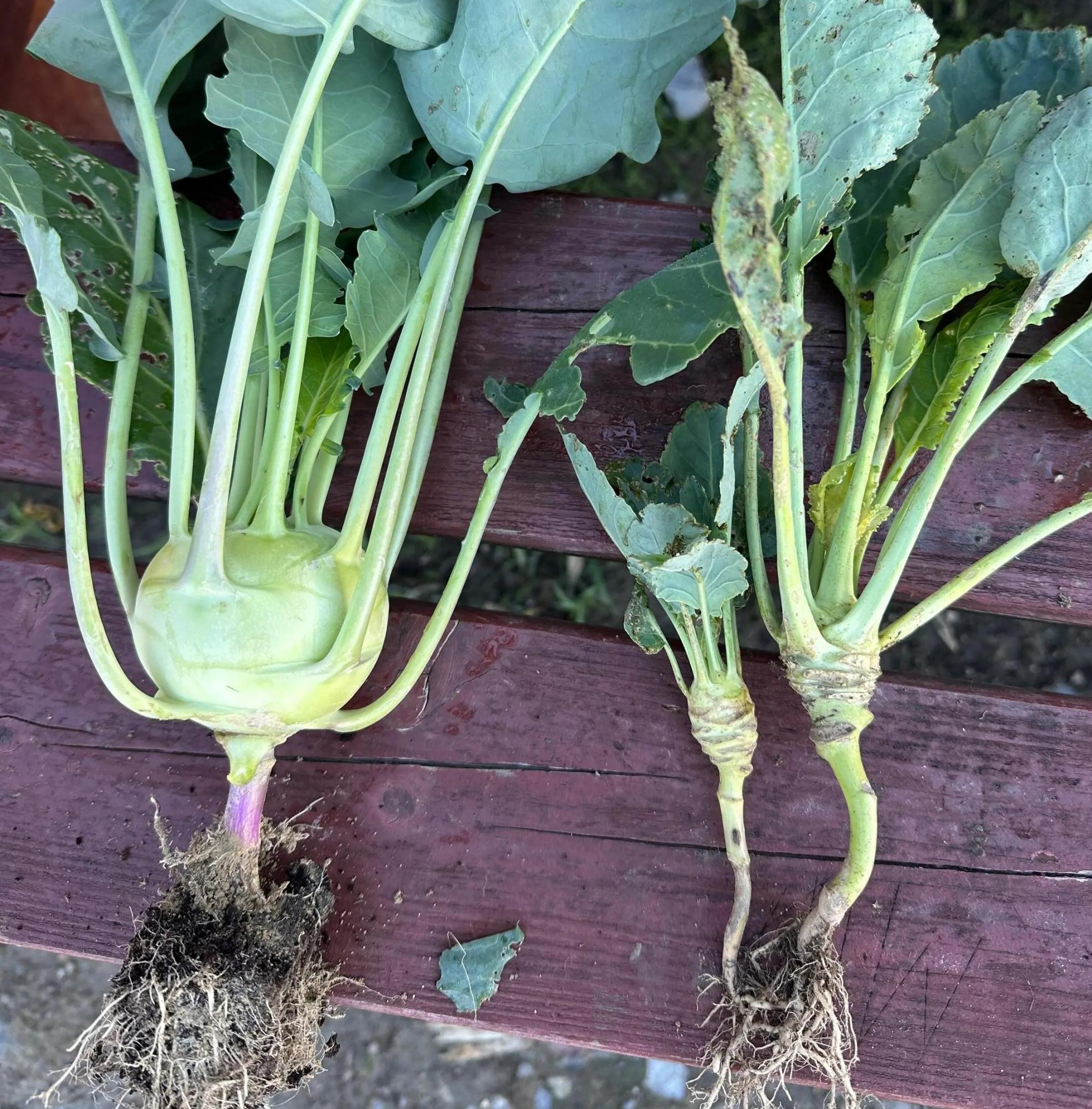
Image 6. Left: Turnip greens three weeks old, grown under flea beetle protective netting. Right: Turnip greens over two months old, under flea beetle attack.
We use insect nets, which have proven very effective. Additionally, we exploit the fact that flea beetles (Phyllotreta nemorum, P. atra, P. nigripes, and P. undulata) have “preferred” plants. For instance, having Chinese cabbage in cultivation means we rarely have to worry about other crucifers, as the beetles feed primarily there.
There are organic preparations for disease and pest control, but besides their high cost, their application is problematic. Their effectiveness often depends on temperature, humidity, photosensitivity, and precise timing (early morning or late evening).
Therefore, constant monitoring and timely intervention are vital. The rule in organic production truly applies: prevention is better than cure; curing is nearly impossible.
5. How do you control weeds without herbicides?
Weed control is one of the biggest challenges in any production because it takes much time. Our greatest challenge is ragweed. We combat it by mowing, mulching, mechanical removal, using inter-row foils, and sowing cover crops.
Weeds can be controlled, but if neglected due to other tasks, they rapidly spread and take over the crop, at which point the problem becomes much harder to manage.
6. Soil fertility is key in organic production. What is your long-term strategy for maintaining soil health and productivity?
Crop rotation, green manure, incorporation of plant residues, application of farmyard manure, mushroom substrate, and mycorrhiza.
7. Do you use any specific technologies or advanced digital systems to monitor production?
In one part of our greenhouse, we plan to install an atmospheric moisture monitoring station in cooperation with partners from Smagri Precision Irrigation System to gain precise insights into the water requirements for irrigating our crops.
8. We assume you also use traditional irrigation methods.
Certainly. We also use drip irrigation, which in itself is not particularly innovative, but since Gruntek is divided into sectors with specific numbers of beds where particular crops are grown, we automatically irrigate and fertilize each crop according to its needs.
Although drip irrigation is a traditional method in our area and not an innovation per se, organizing the system into sectors with integrated water and nutrient management represents a smart application of an established technology that increases efficiency in organic production.
9. Can you share an interesting anecdote or an unexpected challenge from this season?
As mentioned, deer particularly enjoy lettuce, while mature melons and watermelons are the main targets for rodents (we are talking about thousands of pumpkins). It has been shown that the best way to scare them away is with ordinary firecrackers, the kind used for New Year's celebrations. Our workers dig holes, place lit firecrackers inside, and the rodents flee for an extended period.
Furthermore, a major challenge in greenhouse tomato production involves numerous diseases and pests. It is similar to cucumbers — we may have a beautiful, healthy crop one day, and within 48 hours, disease and pests can completely destroy it. An even greater challenge is to try to revive the crop and explain to our subscribers why they will not receive the cucumbers we were proudly showcasing for weeks.
Thus, we constantly review what has happened, keep records and reports, and move forward, learning something new during the process.
That concludes the first part of our conversation with Jelena Mikuš, who offered a detailed look into Gruntek’s organic production methods and the challenges of maintaining both quality and consistency. Stay tuned for the second part of this interview, where Jelena will share more insights on workforce management, climate change adaptation, business challenges, and the potential of replicating the Gruntek model in other countries.