We are bringing the second part of the interview with Jelena Mikuš, M.Sc. Agronomy, Head of Agricultural Production at Gruntek. Like other organic food producers, Gruntek faces challenges that go far beyond the greenhouse - from orchestrating early-morning harvests and same-day deliveries across Croatia, to managing an international workforce and weathering climate unpredictability. This interview can serve as a live case study in marketing, sales, logistics, resilience, and strategic planning in the food production market, but also inspire other farmers to investigate and develop innovative sales methods for their products. I this part, we discuss the complexities of scaling operations, meeting subscriber expectations, and the often-unseen balancing act between growth and sustainability.
10. How do you organize the harvest and logistics to ensure that such a large quantity of fresh vegetables is taken from the fields on time and delivered the same day to your subscribers?
When I first became part of Gruntek and observed all agricultural processes, the system initially seemed quite chaotic to me. However, I soon realized that often the simplest, most primitive methods of harvesting and packaging are the most effective in practice. By observing and learning from people who have been working at Gruntek for years, I saw how important it is to organize every step – from harvesting to storage, logistics, and delivery – for the system to operate optimally. The greatest challenge is not just ensuring the product arrives on time, but also integrating the entire process so that there remains enough capacity for all other operational and agronomic tasks on the farm.
11. Labor shortages are a significant problem both in Croatia and across Europe. How do you manage your workforce, especially during peak seasonal periods?
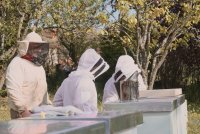
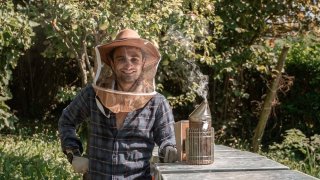
Besides my colleague and me, who are relatively new, most of the staff in Prokljvana are workers from Nepal and India. Many of them have been here since the very beginning of Gruntek, that is, for more than four years, which speaks volumes about the experience and dedication of the entire team. Their working conditions are more than good, but, as unbelievable as it may sound, there is almost no local workforce willing to work, and those who do often demand unrealistic conditions.
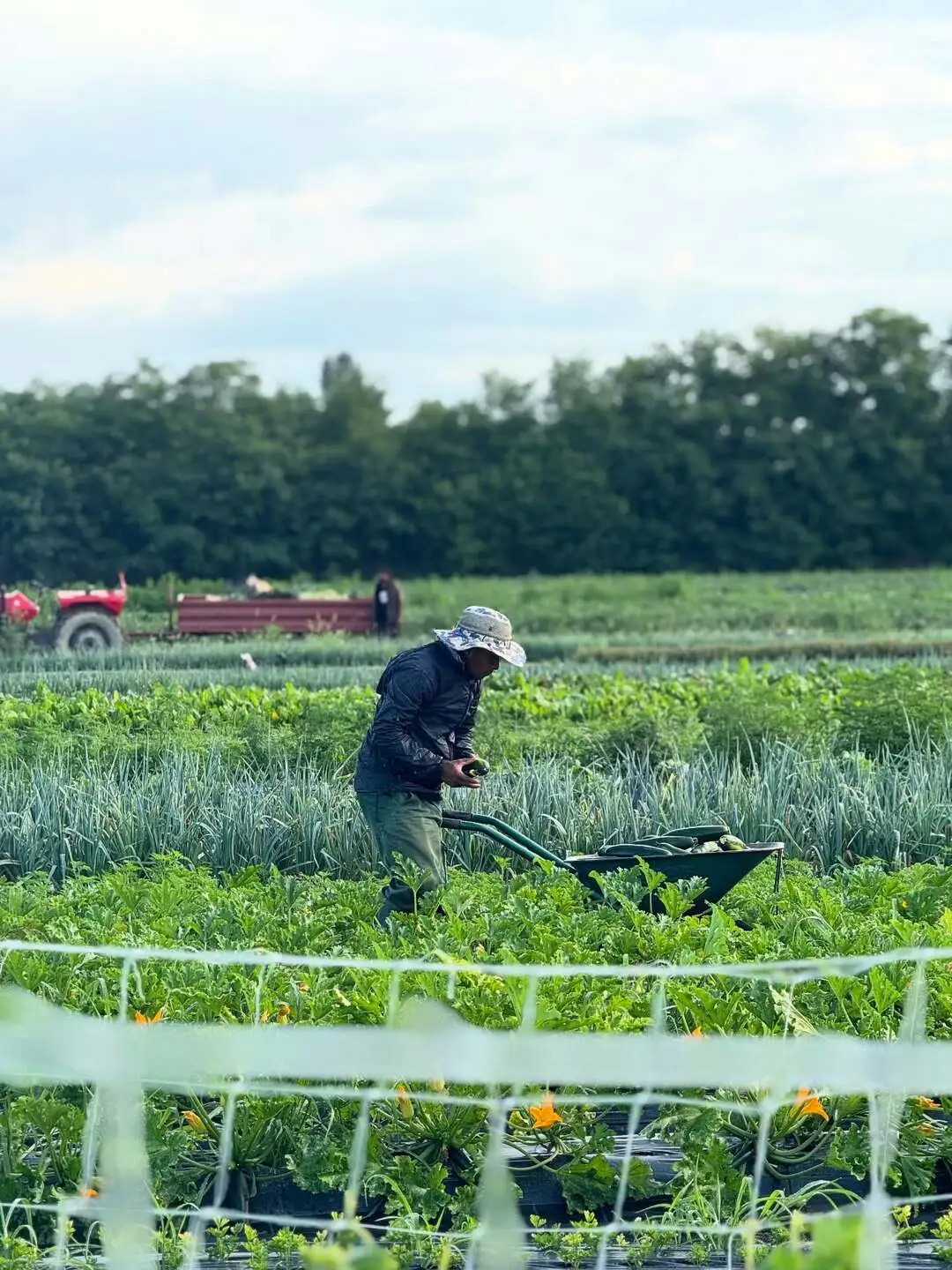
Image 7. A worker on Gruntek during early harvest.
12. From a business perspective, what has been the greatest challenge in the growth of Gruntek?
Gruntek is inherently a complex project because it involves multicultural production, large volumes, complex logistics, and digital challenges related to the online subscriber platform. However, nothing is as challenging, risky, and detrimental as the lack of qualified personnel. For the first four years, Gruntek operated largely by improvisation, with the founder fulfilling the roles of director, marketing manager, and production manager simultaneously.
Fortunately, anything that is pushed forward long enough can be achieved, and now Gruntek has reached its full potential.
13. We probably don’t even need to mention climate change and the challenges it brings. How do these changes affect your production and harvest planning for traditional crops?
I mentioned the example with cucumbers earlier, but there are many such cases. For example, I travel from Zagreb at 5 a.m. wearing short sleeves, but when I arrive in Prokljvana, only about 50 km away, I am freezing – fog, dew, and it feels like late autumn. However, by noon the sun burns and the temperature rises to +37°C. Such large daily and nightly temperature fluctuations, fog, high humidity, and extreme daytime temperatures have their consequences on the plants. These are microclimates – exceptions at first, but increasingly the norm. One strong gust of wind can destroy greenhouses at one location, while just three kilometers away, there may be no signs of damage.
Every season is different: conditions may be above expectations for one crop and unfavorable for another. But this is agriculture, and everyone entering this production, especially organic farming, must be aware of these risks. The climate is changing, and it is up to us to adapt. So far, these changes have not had a significant impact on the choice of crops we plant.
14. Gruntek’s subscribers expect approximately the same quantity of cultivated vegetables in their baskets each week. How do you manage to maintain consistency in yields throughout the season?
Consistency in basket weight is almost impossible. If we grow crops that mature in a particular part of the year, we know what to expect in the market in spring: spinach, Swiss chard, spring onions, radishes, lettuce, lamb’s lettuce… At that time, no matter how full the basket was, its weight would not have reached 10 kg. However, when crops like cauliflower, tomatoes, zucchinis, sweet potatoes, pumpkins, melons, and watermelons come into season, the same basket can weigh over 16 kg.
The point is that when everything is added up, subscribers receive the amount of vegetables and fruits promised for that season. We harvest exactly what matures that week because that is the natural ripening period. For example, you will not find zucchini in the April basket, nor strawberries in November.
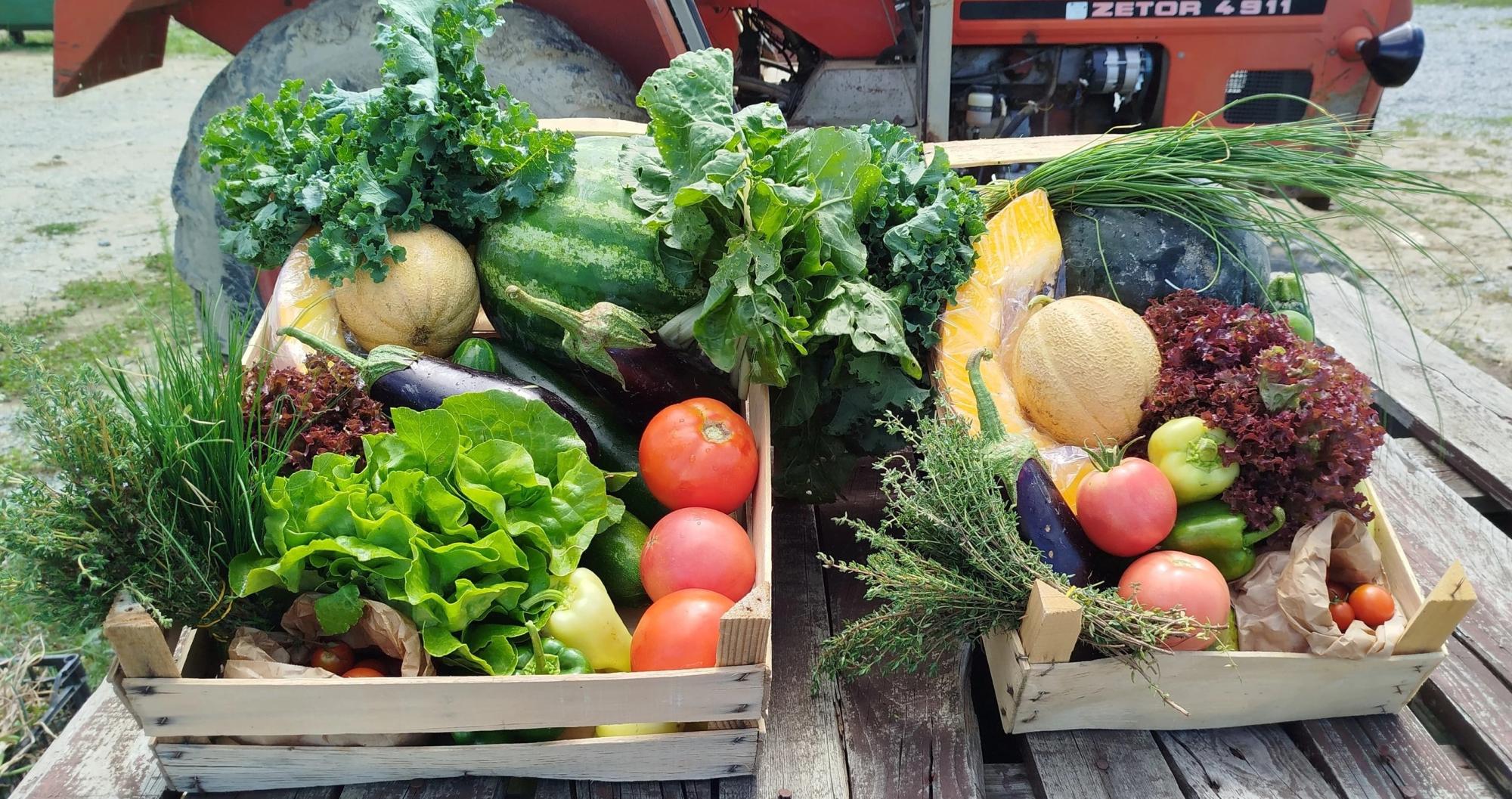
Image 8. MAXI and MINI baskets at the peak of the season (July 2025).
15. Do you believe this model can be replicated in other countries?
Certainly, but with some adjustments to local conditions. It is essential to understand the microclimate, seasonality, and specific challenges of local agriculture, as even within the same region, different locations can have completely different conditions. Additionally, managing harvesting, logistics, delivery, and workforce education and motivation are crucial for success. The model is flexible but challenging and requires dedication and adaptation to local circumstances to always deliver high-quality, seasonal products to customers.
16. Based on your experience at Gruntek, what agronomic practices would you recommend to farmers?
Giving advice in agriculture is very challenging: different varieties, soil types, microclimates, and farmers' capabilities all significantly affect nutrient needs and plant protection. This is why farmers often have to "reinvent the wheel" and find their own solutions. Universal solutions are often partially ineffective or inapplicable, making agriculture a field that requires constant professional development. The only advice worth giving is: watch, watch closely, and never stop observing your crops. Sooner or later, they will tell you everything you need to know.
17. Finally, what should agronomists working with organic producers particularly consider to make a real difference in the field?
Agronomists and organic producers must consider multiple factors in particular to make a real difference in the field. Above all, it is crucial to understand the specifics of the production area, including the number of crops, farm size, available workforce, and the entire chain from producer to consumer. Each area and production system has unique challenges and opportunities, requiring a tailored and contextual approach.
For example, in working with Gruntek, where production is unique in our region, we had to consider specific conditions such as organic production, engagement of foreign labor, and the diversity of cultivated crops. These factors influence pest control methods, maintenance of soil fertility, and optimization of yields without compromising organic principles.
Conclusion
This conversation with Jelena Mikuš provides invaluable insights into the realities of scaling organic agriculture beyond theoretical frameworks. Gruntek's journey demonstrates that successful organic farming at scale requires more than sustainable practices. It demands operational excellence, cultural adaptability, and unwavering commitment to continuous learning.