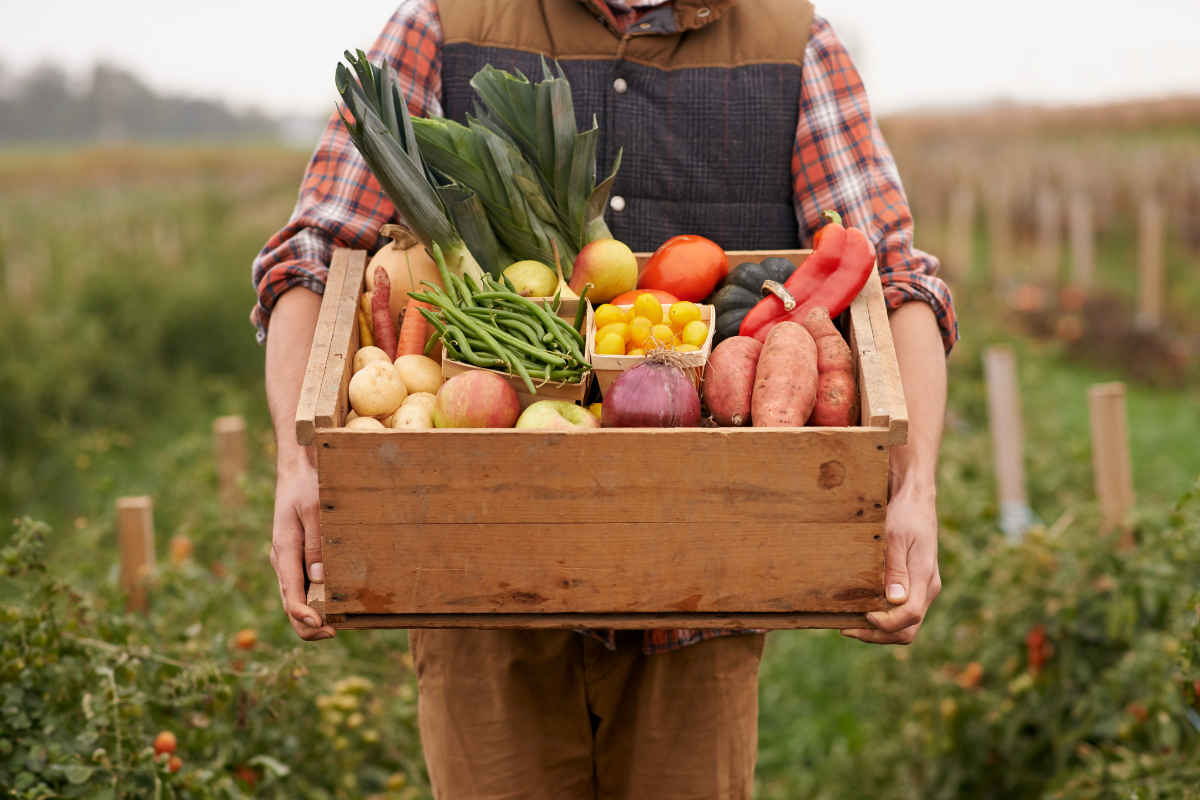
In the farmlands of Europe and beyond, a quiet battle is unfolding. Monoculture, the dominant model of contemporary farming, faces increasing scrutiny as a new wave of biodiversity-focused farming rooted in biodiversity and nature-aligned practices is gaining momentum. This kind of farming collaborates with nature instead of challenging it.
With growing concerns about climate change, soil degradation and the future of food security, a pressing question arises: it may be time to transform the way we produce our food, considering not only the crops we cultivate but also the methods, technologies and values that guide our agricultural practices. This calls on farmers, policymakers, and consumers to consider whether our current practices can sustain a growing population while safeguarding the planet's resources for generations to come.
Monoculture farming: Why efficiency comes at a high cost
Monoculture is the agricultural practice of cultivating the same crop species on the same land year after year. This method enhances short-term efficiency by streamlining mechanized planting and harvesting processes. However, it typically depends heavily on synthetic inputs such as fertilizers, pesticides and irrigation. The intensive monocropping lacks the animal and plant diversity that limit the spread of diseases and control pests, making it reliant on chemical treatments that can damage the environment. According to the EU, such intensive farming methods are considered harmful to biodiversity (European Commission, 2020).
How biodiversity-based farming boosts soil and crop health
Biodiverse agriculture is a farming system that cultivates multiple species together to mimic the diversity of natural ecosystems. They are also often referred to as agroecology or regenerative farming which involves an ecological approach to agriculture that incorporates natural processes to boost both productivity and resilience. This system emphasizes practices such as crop diversification, intercropping, reduced tillage, organic inputs and maintaining natural habitats like hedgerows, cover crops, and trees such as in agroforestry to enhance ecosystem function.
The European Union recognizes the importance of farmland biodiversity, which includes both wild and domesticated species found on agricultural land. A study conducted in the Madrid region of Spain demonstrates that agroecological practices such as crop diversification, light tillage, and organic pesticides enhance soil fertility, natural pest regulations, pollination and water management while decreasing dependence on synthetic chemicals (Tamburini et al., 2020). Across the globe, innovative farmers are increasingly adopting this kind of farming system, which includes integrating livestock into orchards for pest control or encouraging birds of prey to reduce rodent populations. In response, policymakers are working towards incorporating biodiversity into agricultural policies and systems.
From monoculture to biodiversity: Farming for resilience and food security
Environmental benefits of biodiversity farming
1. Enhanced Biodiversity & Ecosystem Function
Polyculture systems support far more species, with studies showing up to 30% more biodiversity than monocultures (Martinez et al., 2024). Diverse cropping provides habitats for beneficial insects, pollinators, soil microbes, and birds, bolstering ecosystem services like natural pest control and pollination.
2. Improved Soil Health
A variety of root systems access and cycle nutrients more effectively, enrich organic matter, and reduce erosion. Some polyculture setups even increase soil organic carbon by up to 20% compared to monoculture systems (Liu et al., 2023). Research in Spain has demonstrated that regenerative practices can boost soil organic matter by 15.2% and increase microorganism counts by 31.7% (Mongabay, 2023).
3. Lower Greenhouse Gas Emissions & Better Carbon Storage
Biodiverse systems reduce reliance on synthetic fertilizers which are energy-intensive and emit nitrous oxide by including nitrogen-fixing plants. Additionally, these systems also sequester more carbon in soil and biomass than monocultures.
4. Resilience to Pests, Diseases & Climate
Crop diversity disrupts pest lifecycles and supports natural predators (e.g., ladybugs), resulting in fewer outbreaks. The diverse systems are more resilient to droughts, floods, and extreme weather. If one crop fails, others may survive.
Economic benefits
1. Reduced Input Costs
The improved nutrient cycling and natural pest control lead to farmers spending less on fertilizers and pesticides. This is especially crucial during price volatility or supply disruptions.
2. Diversified Income & Stability
Multiple crops mean that there will be multiple revenue streams. If one fails or market prices dip, others may compensate. Many polyculture systems also produce more total yield per land unit. Intercropping systems can yield 20–70% more than monocultures when measured via Land Equivalent Ratio (Khilare et al., 2022).
3. Long-Term Profitability
Over decades, diversification can drastically increase both biodiversity and financial returns. A recent synthesis of 50 years of data from 184 meta-analyses found that diversified agricultural practices improved profitability by up to 2,823%, alongside gains in soil health and carbon capture (Renard & Tilman, 2024).
4. Market Advantages
Consumers increasingly prefer sustainably produced, organic, or locally sourced foods. Polyculture farms are well-positioned to meet these demands.
The hidden costs of industrial monoculture
The practice of repeated growing of one crop depletes soil nutrients, increases erosion risk, and it also forces reliance on chemical fertilizers and pesticides. These uniform crop landscapes become hotspots for pest and disease outbreaks, and soil health deteriorates faster. Furthermore, monocultures contribute to biodiversity loss, water pollution (e.g., algal blooms), and greenhouse gas emissions. A striking example: nutrient runoff from monocultures has contributed to massive "dead zones" in marine ecosystems. Additionally, the environmental cost can be substantial. In Europe, the EU's Common Agricultural Policy has historically incentivized large-scale monocultures, resulting in wildlife declines, degraded soils, and heightened vulnerability to extreme weather.
EU farm to fork strategy: Driving the shift toward biodiversity farming
The European Union's Farm to Fork Strategy is a key component of the European Green Deal, which aims to transform the entire food system in Europe from production and processing to distribution, consumption and waste into more equitable, healthier and environmentally sustainable. It is guided by ambitious targets for 2030, which involve reducing the risk of chemical pesticides by 50%, cutting down fertilizer use and nutrient losses by at least 20%, halving anti-microbial sales in farming, and converting at least 25% of EU farmland to organic production (European Commission, 2020).
A study of German farms highlights that these agroecological measures, such as biodiversity-based farming, are cost-effective and also support the EU's Farm-to-Fork objectives (Möhring et al., 2024). Furthermore, Central Europe's permaculture systems, rooted in agroecological principles, demonstrate improved soil health, increased earthworm activity, and richer biodiversity. Overall, this farming model aligns with the EU Green Deal and Biodiversity Strategy, which seeks to reduce pesticide and fertilizer use by 2030 and shift toward sustainable, nature-friendly agriculture.
Conclusion
The contrast between monoculture and biodiversity-based farming highlights the urgent need to rethink how we cultivate our food. Monoculture may deliver efficiency in the short term, but it comes at a heavy environmental and economic cost by damaging soils, increasing dependence on chemicals, and weakening resilience over time. While biodiversity-focused practices such as intercropping, agroforestry, and regenerative farming restore ecosystems, lower input costs, provide multiple income sources, and improve food security. With support from initiatives like the EU's Farm to Fork Strategy, these approaches show that farming in harmony with nature is not only vital for protecting the environment but also for ensuring economic stability and a secure food future for generations to come.