
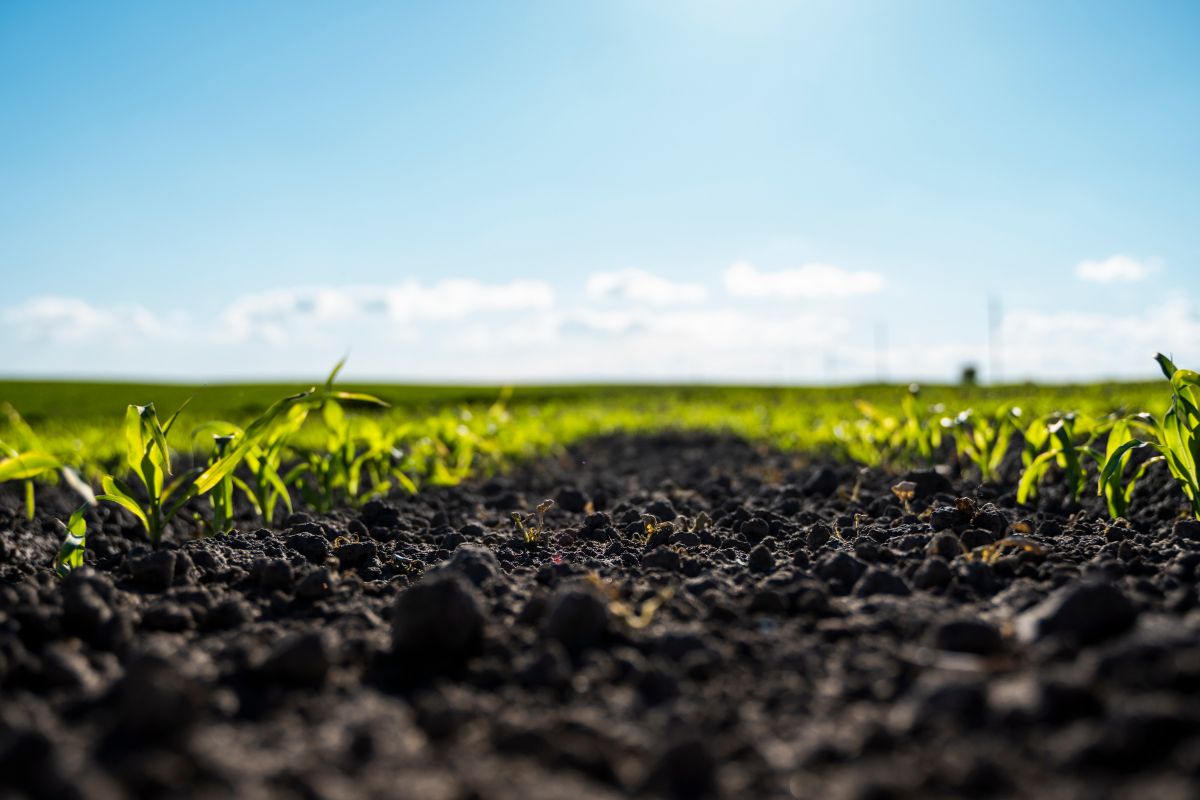
The Hidden Universe Beneath Our Feet
The soil microbiome represents a highly intricate and dynamic ecosystem composed of bacteria, fungi, viruses, protozoans, and actinomycetes that inhabit the soil environment, especially around the plant roots in the rhizosphere (O'Callaghan, 2022). These microbes are present in vast numbers, with a single gram of soil hosting up to billions of bacterial and fungal cells. Their ecological role is fundamental to sustainable agriculture and food security by enhancing crop yields, improving nutrient uptake, and supporting essential processes like nitrogen fixation, phosphorus solubilization, and carbon cycling (Sharma et al., 2025).
Furthermore, they reduce the reliance on chemical fertilizers and pesticides, aid in bioremediation, and contribute to climate change mitigation through carbon sequestration. Overall, the soil microbiome is crucial for promoting sustainable and resilient farming systems.
Overview of Soil Inoculants as Targeted Microbiome Intervention Tools
Microbial soil inoculants are bio-products packed with beneficial microorganisms, also called plant growth-promoting microorganisms (PGPMs). These microorganisms can be mycorrhizal fungi, rhizobia (legume N-fixers), free-living N-fixers (Azotobacter, Azospirillum),
phosphate-solubilizing bacteria (PSB), and various rhizobacteria. They are considered an innovative tool in sustainable agriculture, with their use tracing back to the late 19th century through nitrogen-fixing bacteria (O'Callaghan, 2022). These inoculants improve soil health and plant resilience by enhancing nutrient cycling, building soil structure, and enriching biodiversity by encouraging reduced reliance on chemical fertilizers and pesticides, which harm the environment. In practice, farmers apply inoculants via seed coatings, soil amendments, or irrigation to boost soil fertility without synthetic chemicals.

Fig 1: Overview of Soil Inoculants as Targeted Microbiome Intervention Tools Adapted from (Rojas-Sánchez et al., 2022)
The Power Players: Key Categories of Soil Inoculants
Nitrogen-fixing Bacteria (Rhizobia, PGPR)
One of the most critical inoculant groups is nitrogen-fixing bacteria. These bacteria are partners in farming systems due to their ability to support plant nutrition. Symbiotic bacteria like Rhizobium, Bradyrhizobium, and Sinorhizobium form close associations with legume roots, while free-living types, such as Azospirillum and Azotobacter, contribute independently in the soil (Ray et al., 2020). These bacteria not only convert nitrogen into forms plants can use but also support overall root development and keep the plant healthy. Research has shown that the tripartite symbiosis between legumes, rhizobia, and mycorrhizal fungi is generally considered to be beneficial for nitrogen uptake and plant growth (Frontiers in Plant Science, 2015).
Mycorrhizal Fungi for Nutrient Uptake
Mycorrhizal fungi, specifically Arbuscular Mycorrhizal (AM) fungi (AMF), are beneficial soil microorganisms that establish symbiotic relationships with plant roots. AM inoculants contain spores, mycelium, or propagules of these fungi, designed to introduce and increase their presence in agricultural soils. This close association allows the fungi to colonize the roots and interact closely with the plants. Common genera of AM fungi include Glomus, Acaulospora, Gigaspora, and Racocetra. These fungi are often included in inoculants to promote healthier plant growth and improve soil quality. Recent research demonstrates that AMF can promote host plant growth by providing mineral nutrients and improving the soil ecosystem (Frontiers in Genetics, 2020). Studies have also shown that mycorrhizal fungi enhance plant development and tolerance against biotic and abiotic stresses (Environmental Microbiome, 2024).
Biocontrol Agents
Biocontrol agent inoculants (BCA) are beneficial microbes applied to soil or plants to manage plant diseases and promote plant growth sustainably. These include bacteria and fungi acting as natural biofertilizers and pesticides. Furthermore, these inoculants support plant health through multiple mechanisms, such as producing antibiotics, competing with harmful microbes, breaking down pathogen cell walls, and boosting plant immunity. Some also enhance nutrient uptake, produce growth hormones, and improve plant tolerance to stresses like drought and salinity (Sharma et al., 2025). Common bacterial BCAs include Bacillus subtilis, Pseudomonas fluorescens, Streptomyces spp., and Azospirillum brasilense. Fungal BCAs like Trichoderma spp., Paecilomyces lilacinus, and Pochonia chlamydosporia are widely used against soil-borne pathogens and nematodes.
Multi-strain Consortium Approaches
Multi-strain consortium inoculants combine several complementary bacteria to stimulate plant growth and improve soil health. A well-known mix includes Azospirillum, Burkholderia, Gluconacetobacter, and Herbaspirillum, which help with nitrogen fixation, nutrient uptake, and disease resistance in crops. Traditionally, each strain is cultured in a separate fermenter before being blended, driving up costs and complexity. Co-culture fermentation grows all strains in one process, reducing the number of steps, lowering production costs, and fostering natural microbial interactions (Sharma et al., 2025).
Transforming Agriculture: How Inoculants Boost Crop Productivity
Certain microbes act as natural nutrient recyclers. Nitrogen-fixing bacteria, for example, take nitrogen from the atmosphere and turn it into a form plants can use, functioning like miniature fertilizer factories. Other microbes help release locked-up nutrients like phosphorus and potassium that are stuck in the soil. Instead of relying on synthetic fertilizers, which can harm soil over time, inoculants nourish the plant in a natural way, building a more balanced and self-sustaining soil ecosystem (Calderon & Dangi, 2024).
Fungi like mycorrhizae send out underground networks of fine filaments that spread through the soil like a web, binding soil particles together into small, stable clumps called aggregates. These aggregates make soil loose and airy, where plant roots can grow freely and help water soak in rather than run off. Some microbes even produce sticky substances that trap moisture and keep soil from drying out. All of this improves the soil's texture, strength, and water-holding ability, which are crucial for rebuilding degraded land.
Healthy soils naturally fight off diseases. Many inoculants work as bodyguards for plants by outcompeting harmful microbes and blocking pathogens from attacking plant roots. Others boost the plant's immune system, making it tougher against stress from pests or drought.
Research has demonstrated that microbial inoculants with a higher capacity to colonize soils improved wheat drought tolerance (PMC, 2023). This resulted in stronger, more resilient crops and soil that can bounce back more easily from damage or extreme weather.
As these tiny soil builders called microbes do their work—building structure, cycling nutrients, and helping plants grow—they also help capture and store carbon in the soil by forming stable organic matter like humus. The healthy, living soil acts as a carbon sponge, locking away CO₂ from the atmosphere. This natural storing of carbon not only improves soil fertility over time but also plays a powerful role in slowing climate change by creating a powerful cycle where microbes rebuild degraded soil, leading to healthier plant growth, which in turn nourishes beneficial microbes that continually enhance soil fertility and create a resilient ecosystem.
Supporting the Soil Community: Practices That Enhance Microbiome Health
Cover Cropping & Intercropping
Growing additional or mixed crops during the off-season as cover crops or alongside main crops as intercrops maintains diverse plant species for year-round soil coverage. Planting different crops together promotes a diverse and active community of soil microbes and improves the nutrient cycle. Research by Domeignoz-Horta et al. (2024) demonstrated that increasing plant diversity enhanced positive microbial associations in the rhizosphere, improving microbial growth and carbon retention.
Reduced Tillage
Adopting reduced tillage methods such as strip-till or no-till systems helps preserve soil structure and fosters a healthier, more diverse soil microbiome by minimizing soil disturbance. By doing so, these systems maintain soil aggregates and pore networks, which support beneficial fungi and bacteria. Research shows that no-till systems host a greater diversity of fungi and bacteria than conventionally tilled soils. The reduced tillage also builds organic matter, enhances nutrient retention, and promotes efficient cycling through surface residues, causing better water infiltration and microhabitats that make the soil a thriving ecosystem.
Crop Rotation
Rotating crops prevents monoculture stress by maintaining beneficial microbes across different crops. Alternating crops with different root systems, such as soybean and maize rotations, creates a wider range of microbes. They improve soil carbon, nutrients, and yields while breaking pest and disease cycles by reducing pathogen build-up. Including legumes helps in natural nitrogen fixation while alternating deep and shallow-rooted crops enhances nutrient use.
Organic Amendments and Composting
Combining inoculants with organic amendments such as manure, compost, and biochar enhances the establishment of soil microbiomes. Fresh manure delivers quick nutrients, while composted manure offers more stability and supports greater microbial diversity. Research has shown that organic amendments enhance plant nodulation by influencing interactions between rhizobia and arbuscular mycorrhizal fungi in the rhizosphere (Agronomy, 2024). Biochar also improves structure and moisture retention, creating microbial habitats, though effects vary by type. Some amendments also adjust soil pH, indirectly influencing microbial communities.
Conclusion
Microbial inoculants play a promising role as catalysts for improving soil health. However, they are most effective when used alongside other regenerative practices that support microbial life, such as reduced tillage, organic amendments, and diverse crop rotations. Inoculants can boost nutrient cycling, improve plant growth, and enhance soil resilience when integrated into these systems. Studies show the benefits of inoculants in sustainable farming, especially for restoring degraded land and supporting long-term productivity. As regenerative agriculture gains momentum, microbial inoculants offer a practical way to regenerate natural soil systems. The real strength lies in working with nature rather than replacing natural processes, helping to rebuild healthy soil that supports crops and ecosystems for the future.
References
Calderon, R. B., & Dangi, S. R. (2024). Arbuscular mycorrhizal fungi and rhizobium improve nutrient uptake and microbial diversity relative to dryland site-specific soil conditions.
Microorganisms, 12(4), 667. doi: 10.3390/microorganisms12040667
Domeignoz-Horta, L. A., et al. (2024). Plant diversity effects on soil microbial functions and connect to carbon and nitrogen cycling. Nature Communications, 15, 1-12.
Environmental Microbiome. (2024). Unveiling the hidden world: How arbuscular mycorrhizal fungi and its regulated core fungi modify the composition and metabolism of soybean rhizosphere microbiome. Environmental Microbiome, 19, 1-15.
Frontiers in Genetics. (2020). The impacts of domestication and agricultural practices on legume nutrient acquisition through symbiosis with rhizobia and arbuscular mycorrhizal fungi. Frontiers in Genetics, 11, 583954.
Frontiers in Plant Science. (2015). Arbuscular mycorrhizal fungi and rhizobium facilitate nitrogen uptake and transfer in soybean/maize intercropping system. Frontiers in Plant Science, 6, 339.
Huang, X., et al. (2024). Organic amendments enhance peanut nodulation by influencing interactions between rhizobia and arbuscular mycorrhizal fungi in the peanut rhizosphere. Agronomy, 14(12), 3004.
O'Callaghan, M. (2022). Soil microbial inoculants for sustainable agriculture: Limitations and opportunities. Soil Use and Management, 38(4), 1340-1369.
PMC. (2023). Microbial inoculants with higher capacity to colonize soils improved wheat drought tolerance. PMC, Article ID: PMC10616649.
Ray, P., et al. (2020). Are we there yet? The long walk towards the development of efficient symbiotic associations between nitrogen-fixing bacteria and non-leguminous crops. BMC Biology, 18, 1-17.
Rojas-Sánchez, B., Guzmán-Guzmán, P., Morales-Cedeño, L. R., Orozco-Mosqueda, M. d. C., Saucedo-Martínez, B. C., Sánchez-Yáñez, J. M., Fadiji, A. E., Babalola, O. O., Glick, B. R., & Santoyo, G. (2022). Bioencapsulation of Microbial Inoculants: Mechanisms, Formulation Types and Application Techniques. Applied Biosciences, 1(2), 198-220. https://doi.org/10.3390/applbiosci1020013
Scientific Reports. (2024). Survival of a microbial inoculant in soil after recurrent inoculations.
Scientific Reports, 14, 4177.
Sharma, A., et al. (2025). Microbial inoculants in sustainable agriculture: Advancements, challenges, and future directions. Plants, 14(2), 191.