





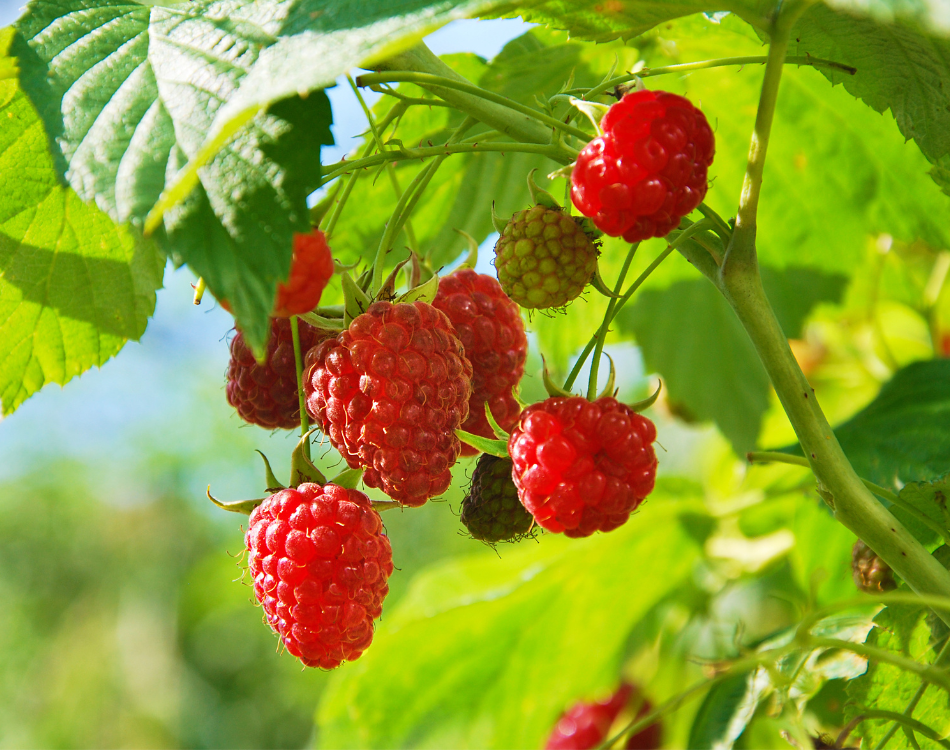
- Raspberry is a symbol in Russian folklore. There is a proverb in Russia, ' Life's a real picnic,' which translates to 'Life is raspberry.'
- A raspberry flower looks down, looking like an umbrella. This structure helps bees hide under it while sipping honeydew in the rain.
- There are 200 species of raspberries
- Raspberry nectar can increase honey yield by 60-100%.
- Raspberry can treat a hangover because of its fruit acids.
- Serbia is the fourth biggest producer of Raspberries, even though it is small in size.
- Red and Yellow Raspberries are the same species, but Black Raspberries belong to different species.
- Raspberries are very high in antioxidants
Toxic berries
Some toxic berries grow in the wild and can be mistaken for edible. Eating just a couple of these poisonous berries can cause nausea, vomiting, diarrhea, and changes in heart rate.
Some of the toxic berries are:
- Baneberry. They are small, hard red or white berries.
- Bittersweet. These are bright orange berries that grow on vines in New England. The berries are very bitter, and their use is only for decoration.
- American bittersweet
- Cotoneaster
- Holly berry
- Ivy berry
- Juniper
- Mistletoe berry
- Pokeberry. It looks like blueberries, but all the plant parts are toxic. Pokeweed can grow up to 5 feet (1.5 m) tall and has a thick green-purple stem. The fruits grow in clusters, like grapes.
- Privet berry
- Yew berry
If you cultivate berries or you like picking the fruits for personal consumption, it is life-saving to be able to recognize the different species and avoid eating unknown wild berries. Learn about the local plants and whatever is growing around your home and your garden. If you can, write on a rain-proof tag the scientific name and the common name of your plants. If you are not sure, just cut a little piece of the plant and take it to your local specialist to identify it. If you accidentally eat any of those berries, this information can prove very helpful to the doctors.
Further reading
10 Health Benefits of Raspberries
Interesting facts about Raspberries
Raspberry Plant Information and Variety Selection
How to Cultivate Raspberries Commercially
Raspberry Soil Requirements, Site Preparation and Planting
How to Grow Raspberries from Seed
How to Grow Raspberries in Containers
Raspberries Propagation and Pollination
Raspberry Irrigation: Best Practices for Healthy Growth and High Yields
How to Train and Prune Raspberries
Raspberry Yield, Harvest, and Storage
Raspberry Pests & Diseases and Best Management Practices
References:
Poison Control Center: Poisonous Berries