


Acai Berry (Euterpe oleracea): Amazon superfruit
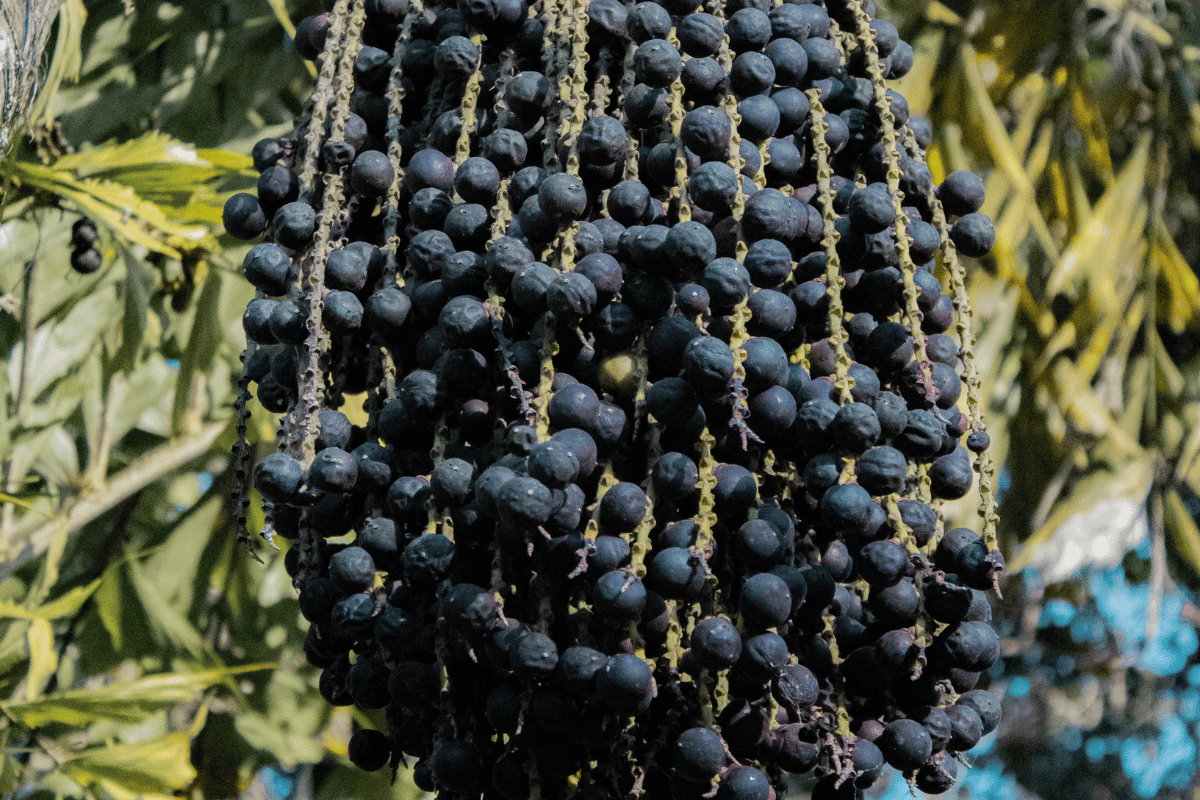
Acai (pronounced ah-sigh-EE) is the small, round, dark-purple berry of the Amazonian acai palm (Euterpe oleracea). This berry (about 1.5–2.0 cm or 0.6-0.8 in across) is harvested in huge clusters high in the canopy. Most of each berry is a large seed (80–95%), with only a thin layer of edible pulp. The fruit’s deep purple color comes from anthocyanin antioxidants, which have made acai a “superfood” buzzword worldwide. Native Amazonians have long relied on acai as a dietary staple and medicinal plant. In recent decades, its exotic flavor and nutrient profile have sparked global demand – acai bowls and smoothies are now ubiquitous in North America, Europe and beyond.
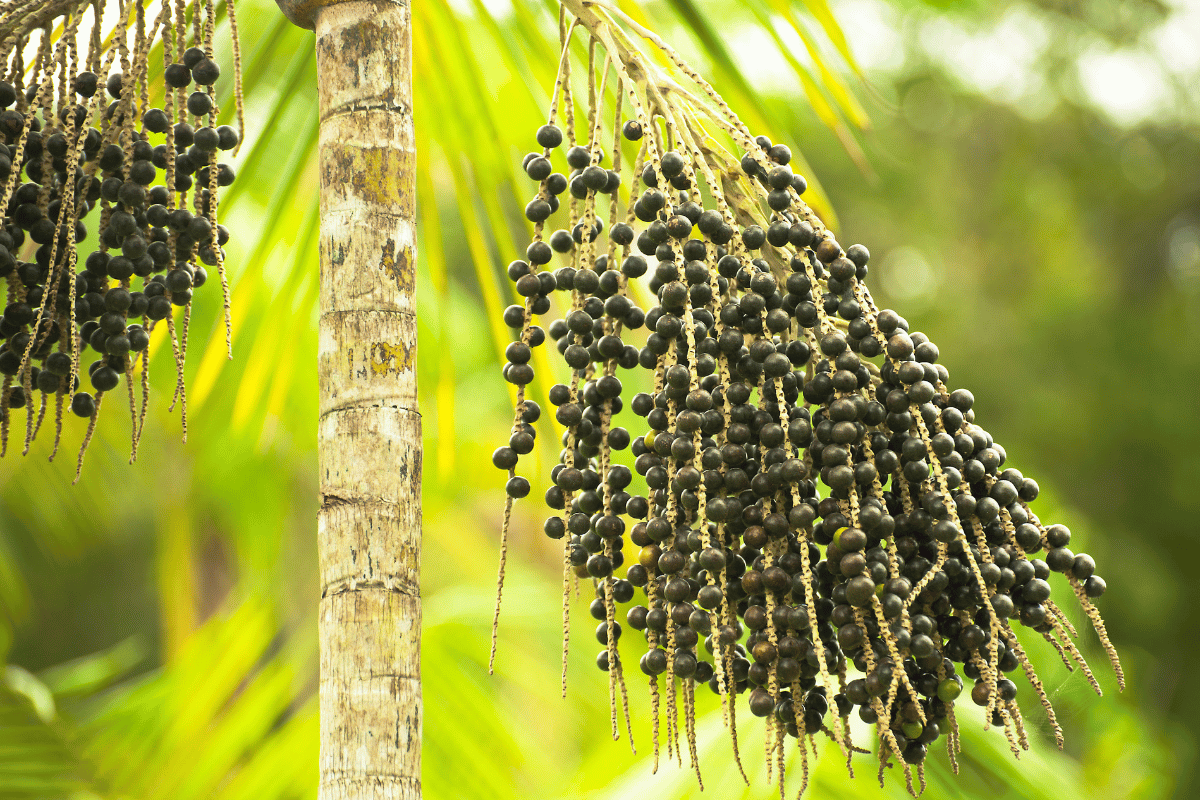
Image: Fresh acai berries (dark purple drupes) are harvested from tall multi-stemmed palms in the Amazon rainforest.
What is Acai Berry?
Acai comes from a slender, multi-stemmed palm tree native to the Amazon Basin. The acai palm can grow 15–30 m (~50-100 ft) tall in the wild, often with 8–10 trunks clumping from the same roott. Its pinnate fronds are long and feathery, giving the tree a graceful tropical look. Each palm produces long fruit stalks bearing hundreds or thousands of berries at once. Botanically, the acai fruit is a small drupe: when ripe it is glossy and deep purple-black. It is less sweet and more earthy-tasting than berries like blueberries, and spoils quickly, so it is usually processed soon after harvest. In its botanical name, oleracea refers to "oil" – reflecting the fruit's unusually high oil content for a berry.
Key Nutrients: Acai is prized for its dense nutrition. Its pulp is about 50% lipids (mostly healthy unsaturated oils) and high in dietary fiber. It also contains protein and significant micronutrients. In fact, acai pulp has more fiber and less sugar than many other fruits. Its vitamins and minerals include thiamine (B₁), pyridoxine (B₆), calcium, magnesium, potassium and trace elements. Most famously, acai is very rich in polyphenol antioxidants (especially anthocyanins), giving it antioxidant power that rivals or exceeds other “superberries". Its omega-9 and omega-6 fatty acids (like oleic acid) also contribute to its health appeal.
- Antioxidants: Acai's dark color comes from anthocyanins and other polyphenols. These compounds help neutralize free radicals. Laboratory studies show acai has extremely high antioxidant activity.
- Fiber & Carbs: Compared to sweet fruits, acai is higher in fiber and lower in sugars. This fiber (and its healthy fats) makes acai energy-dense and may aid digestion.
- Healthy Fats: Unusual for a fruit, about half of acai's calories are healthy oils. These include oleic acid (also found in olive oil) and polyunsaturated fats.
- Vitamins & Minerals: The berry provides vitamins B₁ and B₆, plus minerals like calcium, magnesium, iron, copper and potassium. These nutrients support metabolism, bone health and electrolyte balance.
Origin and cultivation
Acai is native to tropical South America. Wild palms grow throughout the Amazon Basin – especially in northern Brazil (Pará and Amapá states) and across Peru, Colombia, Venezuela and the Guianas. In the wild, acai palms thrive in floodplain forests and swampy habitats along riverbanks. They require a hot, humid climate with abundant water (USDA zone 10–11). The trees do not tolerate frost or cool dry conditions. In fact, most acai still comes from its native range: fresh acai fruit and frozen pulp are virtually all produced in the Amazon region. Brazil is by far the largest producer and exporter.
Today, Pará in Brazil is the center of acai farming. Its floodplain “várzea” soils and year-round rainfall make it ideal. Producers harvest acai bunches several times a year at peak ripeness. The berries perish quickly, so they are usually pulped, freeze-dried or frozen soon after harvest. Cultivation outside the Amazon is limited. Small plantings in Brazil's Espírito Santo and even parts of Florida (zone 10B) have been tried, but large-scale farming there remains impractical. As some experts note, acai palms still grow exclusively in the Amazon basin; fresh berries are virtually unattainable outside Brazil.
Health benefits and nutrition
Acai’s nutrient profile gives it strong health potential, and research into its benefits is growing. Its high antioxidant and anti-inflammatory compounds may support several aspects of health. For example, laboratory and animal studies suggest acai extracts can help protect the heart by improving cholesterol levels and reducing oxidative stress. Some data also hint at better blood sugar and blood pressure control (supporting metabolic health). Small human trials have found that eating acai pulp can boost antioxidant levels in the body.
However, it is important to separate hype from evidence. Clinical research in people is very limited. No high-quality human trials prove that acai cures disease or causes weight loss. In fact, a government review notes that acai's claimed weight-loss and disease-prevention benefits lack reliable clinical support. The FDA and health experts say more research is needed before any definitive claims. Acai should be viewed as a nutritious food, not a magic cure.
Key points on acai's effects:
- Antioxidant support: Rich anthocyanins likely improve the body's antioxidant defenses.
- Heart & Metabolism: Lab data suggest acai compounds may lower “bad” cholesterol and inflammation, but proven clinical outcomes are unconfirmed.
- Energy and Immunity: Marketing often touts acai as an energy booster or immune aid, but these uses are not scientifically established.
In summary, acai berries are nutritious and a healthy addition to the diet, but many popular “acai benefits” claims exceed the current science. It’s best enjoyed as part of a balanced diet.
Uses of Acai Berry
Traditional Uses
In the Amazon, acai has been a food staple and folk remedy for generations. Indigenous and riverbank communities harvest and sell acai daily. They typically press the fresh berries into a thick purple pulp. Locals then blend this pulp into acai na tigela (a smoothie-bowl of acai, banana, manioc flour, etc.) or mix it with manioc porridge. In some villages, acai pulp (often mixed with other fruits or starch) provides up to 40–50% of the calories in a meal. Every part of the plant is valued: besides the fruit, the tender palm “heart” (center shoot) is harvested as a vegetable (heart of palm), and the fibers and leaves are used for crafts and thatching.
Modern and global uses
Today acai’s uses have spread worldwide. The perishable berries are mostly frozen or dried for export. Common modern forms include:
- Frozen pulp and juice: Pureed acai (often mixed with other juices) is sold in packets or cartons. Many people start the day with an acai smoothie or bowl. In North America and Europe, acai smoothie-bowls topped with granola, fruit and honey have become a trendy breakfast or snack.
- Freeze-dried powder: Acai pulp is dried into a fine powder, preserving its nutrients. This powder is added to smoothie mixes, energy bars, yogurts, or taken in capsules as a dietary supplement.
- Foods and Beverages: Acai pulp and syrup are used in ice creams, jams, and dessert sauces. The pulp’s rich purple color makes visually striking treats. Acai is even being formulated into sports drinks and health shots.
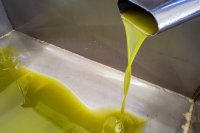
- Oils and Cosmetics: Acai oil (pressed from the pulp) is high in skin-nourishing lipids and antioxidants. It is used in cosmetic creams, shampoos and serums for its anti-aging reputation. In Brazil, acai oil also flavors gourmet cooking oils and salad dressings.
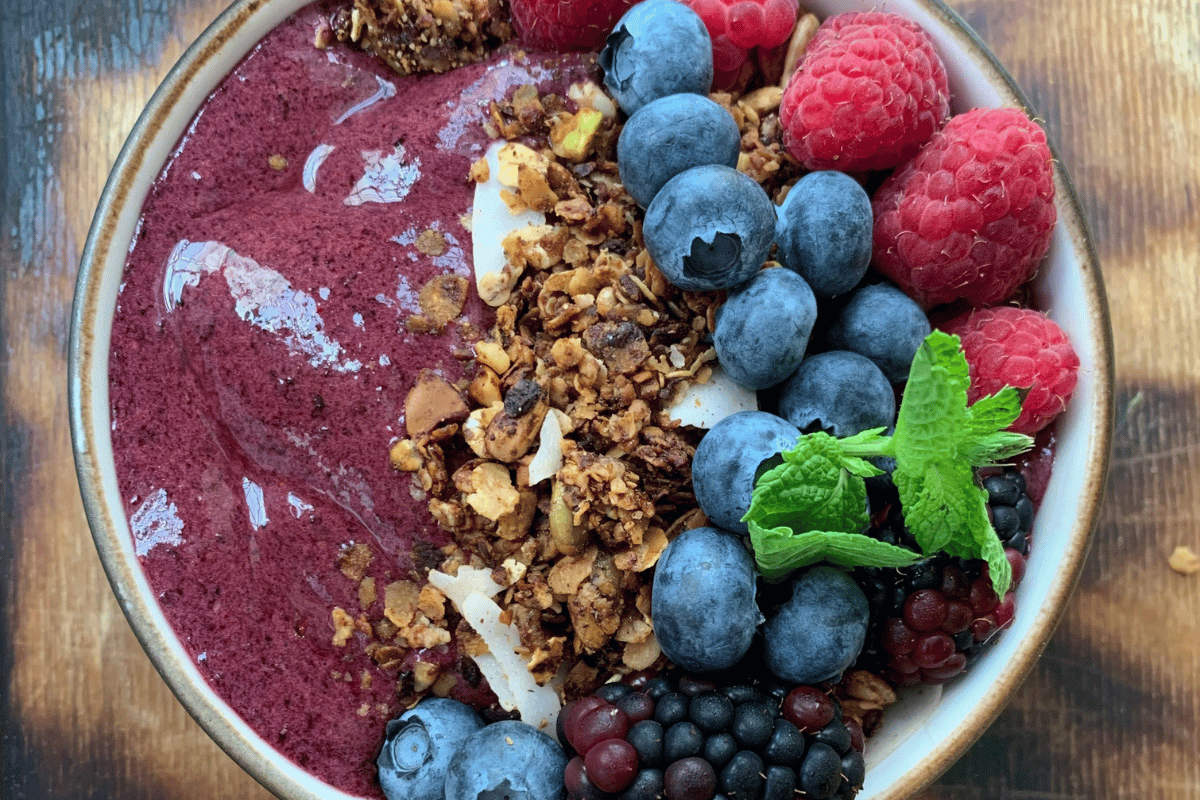
Image: Acai bowls and smoothies have become popular worldwide. The berries are often blended into a thick purple puree and served with fruit, granola or other toppings.
Health and folk remedies
Apart from culinary uses, acai has a history in Amazonian folk medicine. Various parts of the plant have been used traditionally to treat fevers, digestive complaints, skin conditions and infections. For example, tribal healers might apply acai oil to skin wounds or drink acai tea for stomach upset. These traditional practices reflect the fruit’s anti-inflammatory reputation, though formal clinical evidence is scarce. In modern naturopathy, acai extracts are sometimes marketed for immune support and anti-inflammatory effects – reflecting what lab studies suggest but not proven in people.
Global market and "superfood" status
In the last 15 years, acai has gone from a local Amazon commodity to a global phenomenon. The world market for acai berries (and products) is booming. Brazil’s official statistics show dramatic growth: production jumped from roughly 150,000 metric tons in 2015 to nearly 2 million tons by 2024. Acai now generates on the order of $9 billion USD per year for Brazil. Nearly all of this goes to exports (frozen pulp, puree, powder) and domestic smoothie shops.
The United States is by far the largest importer of Brazilian acai, followed by Europe and Japan. Acai smoothie cafés have sprung up in hundreds of US cities – some chains report hundreds of stores nationwide. If recent trade news is any indication, Americans have developed an almost insatiable taste for acai bowls. Retailers proudly market acai as an “energy-boosting, antioxidant superfood,” and it often appears on health-food menus. (Regulators caution that consumers should view it simply as a nutritious fruit, since definitive health claims aren’t backed by solid trials.)
Market facts at a glance:
- Brazil produces nearly 2 million tons of acai fruit annually.
- The acai industry brings in on the order of $9+ billion USD per year for Brazil.
- The U.S. is the top export market, with most Brazilian acai exports shipped there.
- Hundreds of acai-branded restaurants now serve bowls and smoothies in North America, Europe and Asia.
Overall, acai has firmly earned its place as a popular “superfruit.” Its combination of rich nutrition and exotic appeal makes it a significant crop for consumers and farmers alike. Farmers considering acai should note that it requires a true tropical climate and intensive harvesting, but those who can supply it can tap a thriving market.
References
Açaí (Euterpe oleracea Mart.) in Health and Disease: A Critical Review
National Center for Complementary and Integrative Health: Acai