
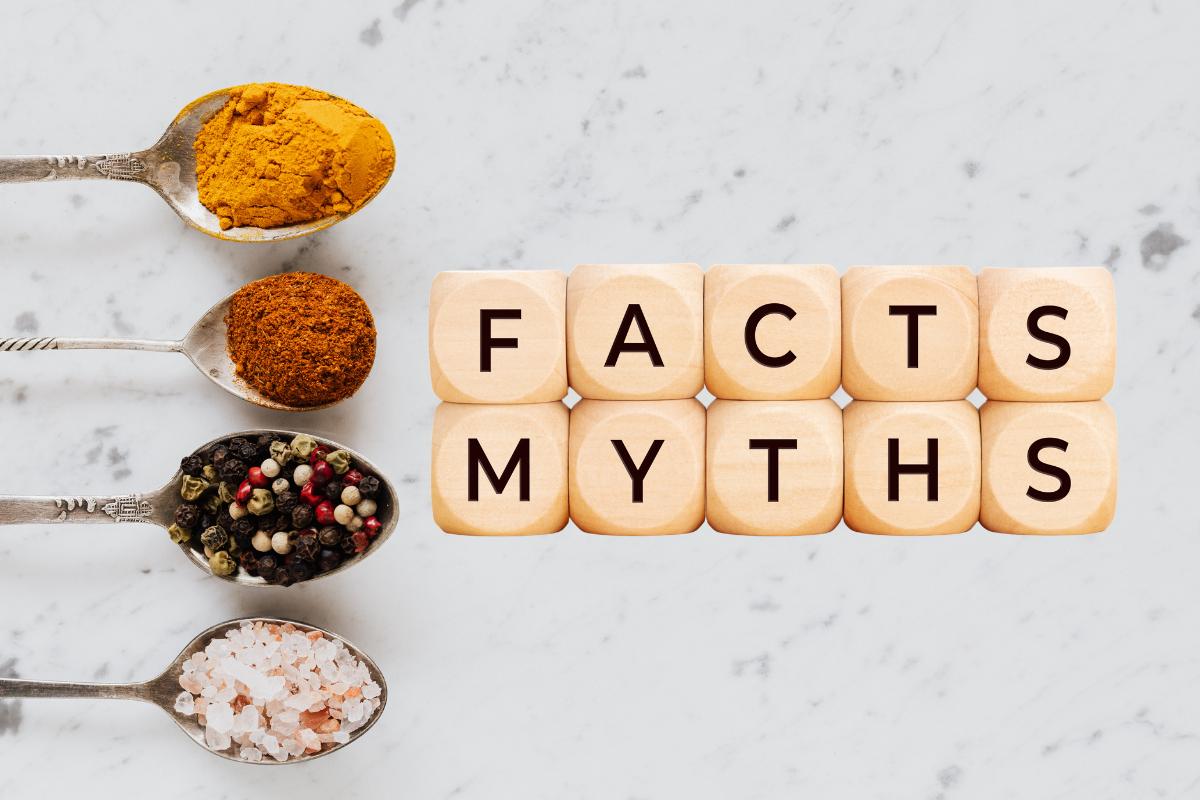
Are you confused by the endless stream of food advice online? With so much conflicting information, it’s easy to fall for popular food myths that can mislead your choices and affect your health. In this comprehensive guide, we’ll debunk the top nutrition misconceptions for 2025. Backed by science, these facts will help you make smarter decisions and boost your confidence in what you eat. Whether you’re searching for healthy eating tips, the truth about GMOs, or clarity on organic foods, this article is your go-to resource for reliable information.
Myth No. 1: Seed Oils Are Toxic
Despite claims on social media, research shows that seed oils (like sunflower, canola, and soybean oil) are not toxic. Swapping saturated fats for polyunsaturated fats found in seed oils can benefit heart health, reduce inflammation, and may even lower the risk of some diseases. Plus, seed oils are also used in confectionery for lighter-tasting recipes.
Myth No. 2: Sugar Is Addictive Like Drugs
While excessive sugar intake can be unhealthy, the idea that sugar is as addictive as drugs is not supported by scientific evidence. Sugar can stimulate pleasure centers in the brain and provide an energy boost, but it does not cause physical dependency like narcotics.
Myth No. 3: Dairy Is Inflammatory
Dairy products do not cause inflammation in most people. In fact, they can reduce inflammatory markers in people without allergies or lactose intolerance. Dairy also provides essential nutrients like protein and calcium.
Myth No. 4: Eggs Are Unhealthy
Eggs are a nutrient-dense food. The cholesterol in eggs does not significantly raise blood cholesterol for most people. The risk comes from consuming eggs with high saturated fats, not from eggs themselves.
Myth No. 5: You Need to Drink 8 Glasses of Water a Day
Hydration needs vary by individual, climate, and activity level. There is no scientific basis for the “8 glasses a day” rule. Listen to your body’s thirst cues and adjust your intake accordingly.
Myth No. 6: Low-Fat Foods Are Always Healthier
Many low-fat foods are high in added sugars or refined carbohydrates, which can be less healthy than their full-fat counterparts. Focus on whole, minimally processed foods rather than just fat content.
Myth No. 7: Frozen Fruits and Vegetables Are Less Nutritious Than Fresh
Frozen fruits and vegetables are often picked and frozen at peak ripeness, locking in nutrients. They can be just as nutritious, or even more so, than fresh produce that has been transported long distances.
Myth No. 8: All Calories Are Equal
The source of your calories matters. Calories from whole foods, rich in fiber and nutrients, affect your metabolism and satiety differently than calories from processed foods.
Myth No. 9: Skipping Breakfast Helps You Lose Weight
Skipping breakfast does not guarantee weight loss and may lead to overeating later in the day. A balanced breakfast can improve concentration and help regulate appetite.
Myth No. 10: The Five-Second Rule Makes Dropped Food Safe
Bacteria can transfer to food instantly upon contact with the floor. The five-second rule is a myth—dropped food should be discarded if it can't be washed.
Myth No. 11: Washing Raw Chicken Removes Bacteria
Washing raw chicken can only spread bacteria around your kitchen. Cooking poultry to the right temperature is the only way to ensure it’s safe to eat.
Myth No. 12: Going Vegetarian Guarantees Weight Loss
A vegetarian diet can be healthy, but weight loss depends on overall calorie intake and food choices. Vegetarians can still gain weight if they consume excess calories from processed foods.
Myth No. 13: Soup Ingredients Have No Nutritional Value After Boiling
Most nutrients remain in the soup ingredients, not just in the broth. Eating both the soup and its ingredients provides the most nutrition.
Myth No. 14: GMOs Are Unhealthy or Dangerous and Can Alter Your DNA
GMO foods have been rigorously tested and are considered as safe as their conventional counterparts by major health organizations worldwide. There is no credible evidence linking GMOs to health problems or diseases. In addition, eating any food, GMO or not, does not affect your DNA. Our digestive system breaks down DNA from all foods before absorption.
Myth No. 15: Organic Food Is Grown Without Pesticides
Organic farming does use pesticides, but they are generally derived from natural sources. Both natural and synthetic pesticides can be harmful if misused, and organic does not mean pesticide-free.
Myth No. 16: Organic Food Is Always More Nutritious
Scientific reviews have found no significant differences in nutrient content between organic and conventionally grown foods. Any differences are minor and do not translate to meaningful health benefits.
Myth No. 17: Organic Food Is Always Better for the Environment
While organic farming avoids synthetic pesticides, it is not automatically more sustainable. Depending on their practices, both organic and conventional farms vary widely in their environmental impact.
Conclusion
Understanding the truth behind food myths can help you make healthier choices and avoid common pitfalls. For more expert-backed nutrition advice and the latest updates, explore the Wikifarmer Library and empower yourself with the latest about food and nutrition.
Sources
- Myths Nutrition Physical Activity
- https://habs.uq.edu.au
- Common Misconceptions about Diet — Centre for Health Protection, Hong Kong
- Food Safety Myths
- Food Myths or Food Facts? Study about Perceptions and Knowledge in a Portuguese Sample. — Foods (Basel, Switzerland)