

European food-safety authorities recorded 109 alerts in the Rapid Alert System for Food and Feed (RASFF) last week. Fresh produce growers, exporters and wholesale buyers should pay close attention: fruit, vegetables, cereals, herbs and spices accounted for nearly half of all notifications, with microbiological and chemical hazards ranging from Salmonella to pesticide residues.
Weekly highlights at a glance
- 109 new recalls were issued across the EU.
- Fruits & Vegetables (20 alerts) and Nuts/Seeds (19 alerts) remained the most affected categories, driven largely by pathogen and mycotoxin findings.
- China (10 alerts), India (8), and Germany (7) topped the list of origin countries.
- Salmonella (16 alerts) and aflatoxins (9) were the week's most frequent hazards.
- Four out of every five alerts (83%) carried a “serious” or “potentially serious” risk decision, a reminder of the system’s low tolerance for sloppy food-safety management.
Fresh produce focus
Fruit & Vegetable Recalls in Europe
Below is a list of every fruit, vegetable, cereal, herb and spice product recalled last week, formatted for quick scanning:
- Aflatoxin-positive Dried Apricot (Turkey): ochratoxin A
- Banana Chips (Philippines): mineral-oil aromatics
- Blueberries (organic) (Albania): documentation/identity failure
- Brown Raisins (Uzbekistan): ochratoxin A 17 ± 6 µg/kg
- Chili (Dried Chopped) (China): chlorfenapyr (unauthorised)
- Chili (Fresh Red) (Cambodia): chlorfenapyr, fenobucarb, hexaconazole
- Coconuts (Whole) (Vietnam via Spain): spoilage/organoleptic defects
- Green Beans (Kenya): chlorfenapyr
- Green Chillies (Uganda): dimethoate, omethoate
- Lupins (Peru): insufficient labelling
- Lychees (Vietnam): 8 pesticide residues incl. clothianidin & quinalphos
- Nutmeg (Indonesia): aflatoxin B1 + total
- Pani-Puri Masala (India): chlorpyrifos (unauthorised)
- Peppers (Fresh) (Albania): tebufenpyrad
- Peppers (Fresh) (Jordan): nitenpyram (unauthorised)
- Poppy Seed (Blue) (Hungary): morphine alkaloids
- Raisins (Afghanistan): propargite
- Rice (Pakistan): acetamiprid
- Rice (Basmati) (India): chlorpyrifos
- Rice (Milled) (Pakistan): imidacloprid, thiamethoxam
- Seaweed (China): high iodine
- Sesame Seeds (India): Salmonella Agona
- Sprouts (Italy): produced in non-approved establishment
- Tarragon (Dehydrated) (France): cadmium migration
- Tea (China): rodent parts
- Tea (India): dimethoate
- Wheat Flour (Wholemeal) (France): ergot alkaloids, ochratoxin A
What stands out?
- Multiple multi-pesticide detections (lychees, rambutan, chillies) hint at inadequate Integrated Pest Management (IPM) compliance in South-East Asia.
- High-value niche products (organic blueberries, seaweed strips, tarragon) were not immune, underscoring that premium branding does not guarantee safety.
- Mycotoxin pressure is intensifying in dried fruit streams (apricot, raisins) as warm weather aids fungal growth.
Top product categories affected
Fruits & Vegetables and Nuts/Seeds together accounted for 39 alerts (36%). Cereal-based items (8) and Herbs/Spices (6) followed, driven mainly by pesticide non-compliance.

Graph 1: Top 5 Product Categories with the Most RASFF Alerts (Week 29)
Geographic risk patterns
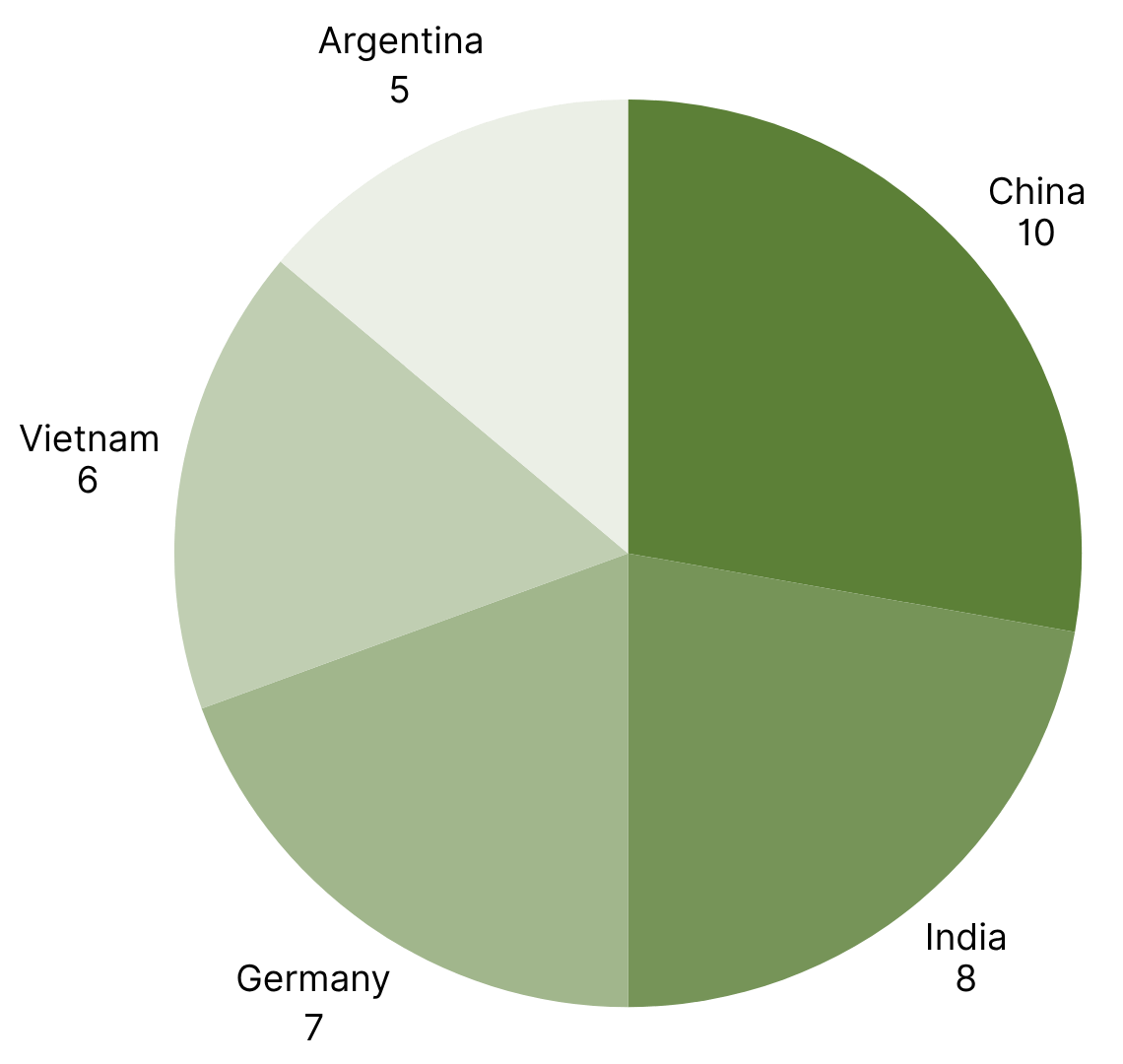
Graph 2: Top 5 Countries with the Most RASFF Alerts (Week 29)
Key observation
- China remains the principal source of diverse hazards, from pesticide residues to foreign bodies.
- India’s eight alerts were dominated by mycotoxins (peanuts, groundnuts) and Salmonella in sesame seeds.
- Intra-EU issues persist: Germany generated seven self-reported alerts, mainly pathogens in confectionery and fish.
Hazard Recalls Commonly Affected Commodities
|
Hazard |
Recalls |
Commonly Affected Commodities |
|
Salmonella |
16 |
Sesame seeds, poultry, seafood |
|
Aflatoxin B1 |
8 |
Groundnuts, peanut butter, chocolate |
|
Total aflatoxins |
6 |
Mixed nut products |
|
Listeria monocytogenes |
4 |
Raw milk, chilled beef tartare, enoki mushrooms |
|
Acetamiprid (pesticide) |
3 |
Lychees, rambutan, rice |
|
Dimethoate (pesticide) |
3 |
Green chilies, tea |
|
Mercury |
3 |
Swordfish, blue shark |
|
Ochratoxin A |
3 |
Raisins, dried apricots, wheat flour |
Pathogens and mycotoxins continue to dominate, but pesticide exceedances are rising, especially in tropical fruits and Asian teas.
Long-term trends worth watching
- Unregulated novel ingredients: CBD, HHC, and functional mushrooms are entering foods and supplements without approval. Expect enforcement to rise.
- Mycotoxin risks and climate change: Hot, wet harvest conditions are increasing aflatoxin levels, particularly in the Southern Hemisphere.
- Stricter EU pesticide standards: Exporters of lychees, rambutan, and peppers need to adapt to reduced neonicotinoid thresholds.
- Digital traceability: QR code–linked blockchain systems are being piloted for sesame and cocoa. These may become standard by 2026.