
Why Fish are Healty For Us?
For ages, fish have been a key part of human food, providing food and support across cultures and places. Now, with the rise in long-lasting sicknesses, environmental problems, and challenges, eating fish is more important than ever. It stands for a special mix of good eating, health, and staying safe — three main things needed to ensure our future together.
From the fat, smooth meat of salmon to the tiny, healthy sardine, fish provide a matchless bundle of needed nutrients. But their benefits go beyond personal health, offering hope for feeding a rising world population without hurting our earth more.
The Nutritional Powerhouse: More Than Just Protein
Fish is celebrated not only for its high-quality protein but also for its rich content of omega-3 fatty acids (EPA and DHA), which are essential fats our bodies cannot produce efficiently. These fats are vital in maintaining heart health, brain function, immune defense, and inflammatory regulation.
Unlike most land-based animal proteins, fish provide vitamins D, A, and B12, along with minerals such as selenium, iodine, and zinc. These nutrients support hormone function, neurological development, and antioxidant defenses. Modern diets often lack these nutrients, highlighting the importance of regular fish consumption.
Heart Disease: Fish as a Natural Guard
Cardiovascular disease (CVD) is still the top killer all over the world. The proof showing how fish intake lowers heart risks is strong and convincing. Omega-3s in fish can:
- Lower fat levels and reduce LDL ("bad") cholesterol.
- Bring down blood pressure and swelling in the arteries.
- Keep heartbeat steady and lower the chance of irregular heartbeats.
- Cut down on blood clots and improve the work of the blood vessels.
A landmark meta-analysis published in the Journal of the American College of Cardiology concluded that regular fish intake (at least twice weekly) is associated with a 15-30% reduction in fatal heart attacks and stroke. This makes fish not just food — but a natural form of medicine.
Brain and Mental Health: Fueling Cognitive Vitality
Our brains are nearly 60% fat, and a significant portion is made up of DHA, an omega-3 fatty acid found abundantly in fish. Studies link higher fish consumption with better memory, slower cognitive decline, and a lower risk of neurodegenerative diseases such as Alzheimer's.
Moreover, omega-3s are linked to improvements in mood disorders, including depression and anxiety. They modulate neurotransmitters, reduce neuroinflammation, and enhance synaptic plasticity — all crucial for emotional well-being.
Fish is Critical for Early Life: Support of Mother and Baby
Pregnant and lactating women have an increased requirement for nutrients, particularly omega-3, which is essential for the development of the brain of the fetus and infant. Children whose mothers consumed fish well during pregnancy perform better on cognitive tests and have better visual acuity.
Beginning fish early in life — watching for safety and mercury levels — builds a strong foundation for lifelong health by way of immune support with less allergies.
Environmental Sustainability: Fish are the smart choice for the planet.
As global food demand increases, it is essential to consider protein sources that best minimize environmental impact. Compared to beef or pork, seafood generally uses less land, water, and energy and emits fewer greenhouse gases across the supply chain.
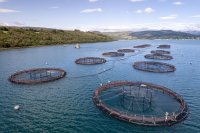
Sustainable fisheries and responsible aquaculture are key. Modern fish farming techniques are becoming more efficient and eco-friendlier, utilizing innovations such as:
- Algae-based and insect-based feeds to reduce reliance on wild fish stocks.
- Closed-loop water closed-loop to minimize pollution.
- Waste recycling and circular economy models to reduce environmental footprint.
The Food and Agriculture Organization of the United Nations emphasizes seafood’s potential to help meet global nutritional needs while protecting ecosystems.
Despite the benefits, there are important caveats. Large predatory fish, such as swordfish and sharks, accumulate mercury and other contaminants that can pose health risks, especially to vulnerable populations. Consumers should prioritize smaller fish (e.g., sardines, and anchovies) and those certified by reputable organizations such as the Marine Stewardship Council (MSC). Transparency and traceability are crucial to ensuring sustainable sourcing and protecting biodiversity.
The evidence is clear: fish consumption is a cornerstone of optimal human health and planetary well-being. It delivers vital nutrients that protect against disease, supports brain development and mental health, and offers a more sustainable protein choice. In a world grappling with diet-related illnesses and environmental crises, embracing fish as a regular part of our diet is not just a personal benefit but a collective responsibility. By making informed, sustainable choices, we can enjoy the flavors and benefits of the sea while preserving it for generations to come.
References
Action, S. I. (2020). World fisheries and aquaculture. Food and Agriculture Organization, 2020, 1-244.
Agriculture Organization of the United Nations. Fisheries Department. (2018). The state of world fisheries and aquaculture. Food and Agriculture Organization of the United Nations.
Gagesch, M., Wieczorek, M., Vellas, B., Kressig, R. W., Rizzoli, R., Kanis, J., ... & Bischoff-Ferrari, H. A. (2023). Effects of vitamin D, Omega-3 fatty acids and a home exercise program on prevention of pre-frailty in older adults: the DO-HEALTH randomized clinical trial. The Journal of frailty & aging, 12(1), 71-77.
Tabue-Teguo, M., Barreto de Souza, P., Cantet, C., Andrieu, S., Simo, N., Fougère, B., ... & Vellas, B. (2018). Effect of multidomain intervention, omega-3 polyunsaturated fatty acids supplementation or their combinaison on cognitive function in non-demented older adults according to frail status: results from the MAPT study. The journal of nutrition, health & aging, 22(8), 923-927.
Further reading
17 Food Myths Debunked: What You Need to Know in 2025
Creating the perfect summer fruit salad: A complete guide to seasonal eating and sustainable choice
How Functional Biscuits Are Shaping the Future of Food Innovation and Market Diversification
Creating Sustainable Diets with Legumes: Tips for Consumers
Ginger Cultivation, Health Benefits, and Value-Added Products: A Comprehensive Guide