



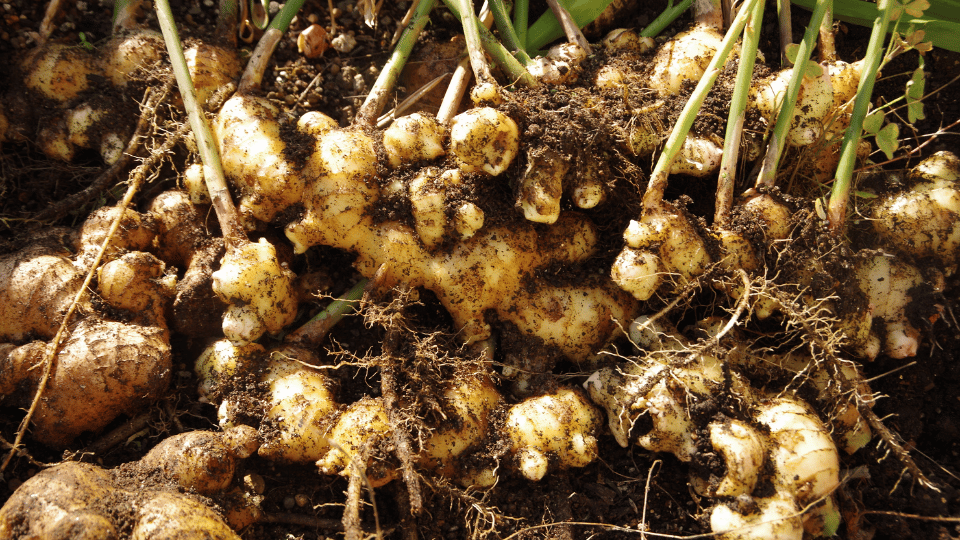
Ginger uses, chemical composition, cultivation, post-harvest management, health benefits and value addition
Ginger, scientifically known as "Zingiber officinale", is a widely used spice worldwide in many culinary dishes and beverages. Its rhizome contains a distinctive brown outer layer with a yellow interior, characterised by its unique flavour and spicy, citrusy aroma.
Apart from the culinary uses, it has been used as a traditional medicine across various cultures for centuries.
Origin and historical content
Ginger is believed to have originated in Southeast Asia and has been cultivated for over 3,000 years. It was one of the first spices traded with Europe. Ginger gained popularity in Roman and ancient Greek cuisines. It has been valued for its unique flavor and medicinal properties. In traditional medicine, ginger has often been used to treat digestive issues and inflammation.
Chemical Composition and Health Benefits
Ginger rhizomes are rich in various bioactive compounds, mainly gingerols, shogaols, and paradols which results in its characteristic spiciness and numerous medicinal properties. Gingerols (especially 6-gingerol) are the most abundant bioactive compound found in fresh ginger, while shogaols are more prevalent in dehydrated ones. However, its aroma is the result of essential oils such as beta-bisabolene and zingiberene. Surprisingly, ginger rhizomes contain 60-70% carbohydrates, 9% proteins, and various polyphenolic compounds accountable for their antioxidant and anti-inflammatory effects. The synergistic effect of these compounds aids in reducing inflammation and oxidative stress, making it a remarkable addition to traditional medicine and culinary practices.
Cultivation Practices
Ginger is a tropical plant that thrives in warm and humid conditions. Selected healthy sprouts with several buds, indicating their potential to sprout, are allowed to air dry for a few days before planting to dry any cuts to prevent rot. Then, they are soaked in warm water overnight to encourage their growth. Then, the rhizomes are planted in well-drained soil at an approximate depth of 5 cm, in a direction where buds face upwards.
The entire period from planting to harvesting takes around 4-10 months, which makes the spring, after the last frost, the ideal time for planting. The pre-sprouted rhizomes can be first planted indoors, in cooler climates, and can be transferred to soil outside when conditions are warmer to kick-start their growth. Ginger plants thrive in a partially shaded environment with a consistent yet controlled supply of moisture to prevent root rot. Harvesting typically occurs when the leaves turn yellow and begin to die back.
For mature ginger intended for drying, harvesting is delayed until the rhizomes are fully developed. After harvesting, the rhizomes should be carefully cleaned and stored under appropriate conditions to ensure their quality for future use or replanting. Proper storage involves maintaining suitable temperature and moisture levels to prevent spoilage. Additionally, paying close attention to soil quality and the timing of harvest is essential for promoting healthy growth and achieving optimal ginger yields.
Post-harvest handling of ginger
Post-harvest handling of ginger is crucial for minimizing losses while maintaining its quality. The ginger rhizomes should be cleaned promptly after harvesting to remove soil and debris. Delaying this process can make cleaning more difficult and increase the risk of decay and damage to the rhizomes.
Cleaning typically involves washing the rhizomes in sanitized water, often treated with hypochlorous acid, and hand-scrubbing to ensure thorough cleaning, followed by air-drying and sorting to remove damaged pieces, which are susceptible to rot.
Proper storage conditions with a relative humidity of 70-75% and a temperature of around 12.5°C (54.5°F) are essential to prevent mould growth and dehydration. Additionally, applying fungicides such as carbendazim, Bitertanol, Thiopanate-methyl, Mancozed, Metalaxyl etc., post-cleaning could help to control potential diseases, ensuring that the ginger remains marketable for extended periods.
Ginger value-added products
Ginger value-added products enhance the crop's economic potential and market appeal. Processing fresh ginger in various forms not only addresses its perishable nature but also extends its shelf life and boosts profitability for farmers.
Key value-added products include:
- Ginger Powder: Made by drying and grinding ginger rhizomes, it is widely used for cooking, baking, and as a flavoring ingredient in beverages
- Ginger Extract: a concentrated form of bioactive compounds of ginger including gingerols and shogaols. This product is often used in dietary supplements and herbal remedies.
- Candied Ginger: Fresh ginger pieces cooked in sugar syrup followed by drying, making them a popular snack and ingredient in various culinary applications, especially fruit cakes and other desserts.
- Ginger Oil: Typically extracted via cold pressing. The oil is utilized in cosmetics, aromatherapy, and as a flavoring agent.
- Beverages: Ginger is an ingredient in many beverages, including ginger ale, ginger tea, and health tonics, which capitalize on its medicinal properties.
Ginger processing reduces postharvest losses while increasing nutritional value by keeping bioactive components with anti-inflammatory and antioxidant characteristics. This change can potentially boost farmers' revenue by diversifying their sources of income and lowering the market risks connected with selling fresh products. Ginger value addition promotes sustainable rural development by boosting livelihoods and encouraging agricultural innovation.