
Creating Sustainable Diets: Harness the Power of Legumes for Health and the Planet
Have you ever thought about how your eating habits affect not only your health but also the future of our planet? As consumers, we often overlook our role in shaping sustainability. While choosing clothes made from recycled materials and reducing waste are important, food choices can be just as impactful.
The production of animal-based foods is highly resource-intensive. So, the more we consume these products, the higher the production demand and the greater the harm to our planet. In contrast, crops, such as legumes, require minimal water, adapt to diverse climates and soil conditions, and are full of protein, fiber, vitamins, and minerals-making them a great plant-based option.
In this article, find out how adopting sustainable diets with legumes can support your health and make a big difference for the environment.
Understand Your Impact
Even though you might think that your individual choices don't affect the environment much, the truth is (at least in this case) that change begins with what's on your plate.
According to The Guardian, Plant-based diets can reduce climate heating emissions, water pollution, and land use by up to 75% compared to diets with more than 100 grams of meat consumed daily.
Many people think, "But I don't eat that much meat." However, according to the National Institutes of Health, portion sizes in the United States have doubled or even tripled over the last twenty years, and our sense of what constitutes a proper serving has become crooked.
Take Baby Steps, Not Giant Leaps
Here's the good news: you don't need to switch to an entirely plant-based diet overnight to make a difference.
Start small by cutting animal-based food just a few meals weekly, and then gradually work your way to the entire day and beyond.
A great way to ease into this habit is by adopting "Meatless Mondays." This approach involves replacing animal-based products with nutritious alternatives, like legumes, for just one day per week. Over time, adding more plant-based meals into your routine becomes easier.
Flip the Script: Make Plants the Star
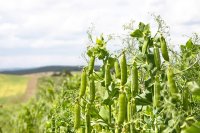
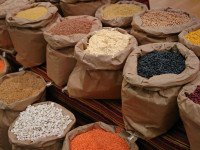
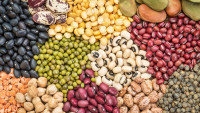
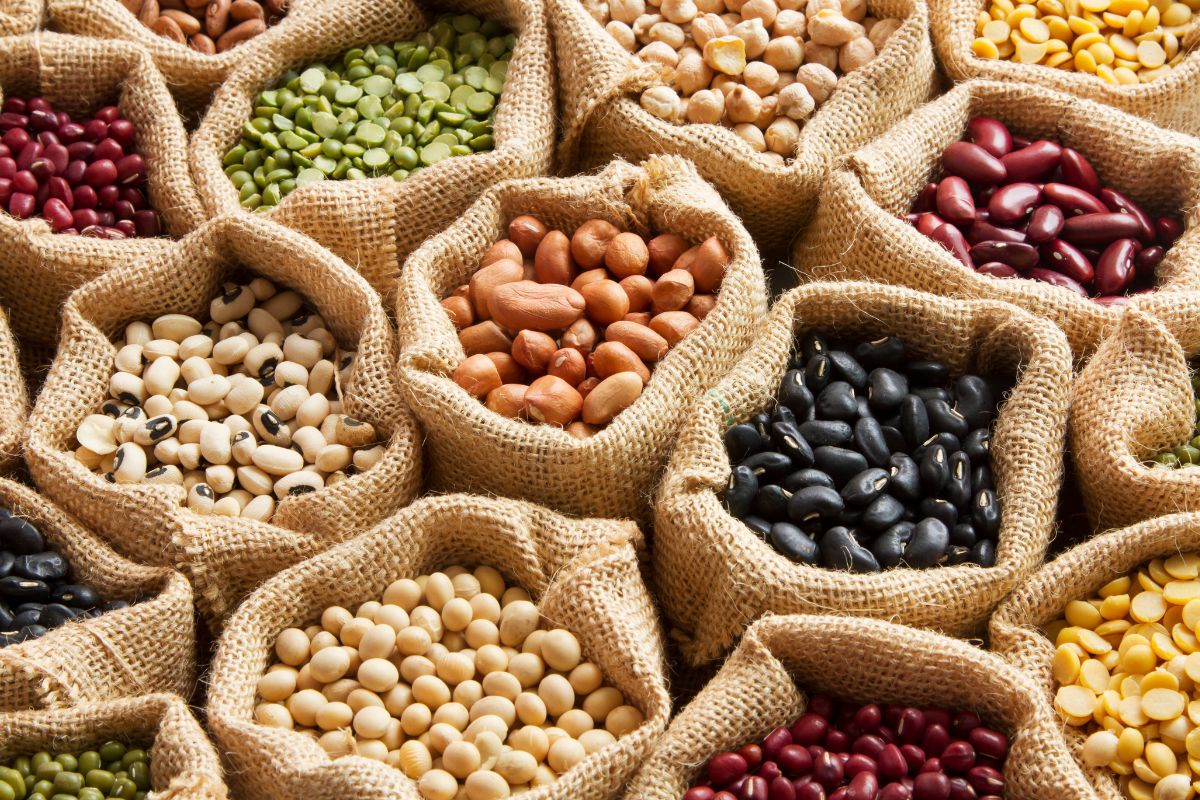
Legumes, such as beans, peas, chickpeas, and lentils, are often seen as a side dish, but they offer a wealth of health benefits and deserve a central place on your plate. Here is why:
- Nutrient-Rich: Legumes contain essential nutrients, including proteins, fiber, B vitamins, iron, zinc, calcium, magnesium, and folate. These nutrients enhance metabolic function, support gut health, and improve digestion. For example, just one cup of cooked chickpeas provides 14.5 grams of protein, 12.5 grams of fiber, 71% of the Daily Value (DV) of folate, 64% of the DV of copper, 73% of the DV of manganese, and 26% of the DV of iron.
- Heart Health: Low in fat and rich in antioxidants, legumes help lower cholesterol and reduce the risk of cardiovascular diseases.
- Blood sugar control: Thanks to complex carbohydrates and a low glycemic index, legumes help maintain stable blood sugar levels and keep you feeling full for longer.
- Weight management: The high fibre and protein content of legumes promotes satiety, aiding appetite control and weight management.
Legumes: A Sustainable Superfood
Legumes not only provide high-quality nutrition but also align with sustainability principles and benefit the environment in multiple ways.
- Low carbon footprint: Legumes can help fight climate change. They enhance carbon sequestration and reduce greenhouse gas emissions compared to animal-based proteins.
- Water Conservation: Legumes require far less water than animal farming. For example, producing 1 kg of lentils uses only about 5875 liters of water while producing 1 kg of beef requires over 15 000 liters.
- Soil enrichment: Legumes improve soil fertility by fixing atmospheric nitrogen. This process releases high-quality organic matter in the soil and reduces the need for synthetic fertilizers.
Legumes recipes
1. Protein bread with lentils
This bread is gluten-free, yeast-free, oil-free, egg-free, and dairy-free. All you need to do is combine the ingredients into a batter and pour it into the pan.
Ingredients
- Dried lentils
- Ground oats/oat flour
- Chickpea flour
- Seeds of your choice
- Psyllium husk powder
- Baking soda
- Salt
- Cider vinegar or lemon juice
Instructions
- Soal lentils for at least 2 hours or overnight. Then drain the water.
- Preheat the oven to 400 °F/205 °C and line a pan with parchment paper.
- Blend the lentils with 320 ml of fresh water until pureed.
- Transfer the pureed lentils to a bowl with all the remaining ingredients and mix using a spatula.
- Pour the bread batter into the prepared pan.
- Bake the bread in the oven for 45 minutes.
2. Chickpea Salad
Mix cooked chickpeas with cucumber, tomato, avocado, red onion and tofu. For dressing combine lemon juice, extra virgin olive oil, garlic, salt, and pepper.
Find more delicious recipes with legumes.
How VALPRO Path helps
VALPRO Path is dedicated to developing innovative business models for plant-based protein production. Our vision is to offer alternatives to animal protein while highlighting the potential of legumes in addressing health and environmental concerns. Central to the VALPRO Path initiative are five Innovation Production Systems (IPSs) located across the EU. These systems serve as dynamic test environments for creating cutting-edge production and processing systems that maximize the value of protein crops like peas, lupin, chickpeas, fava beans, and lentils.
Conclusion
The growing popularity of sustainable diets is not surprising, given the many health and environmental benefits of plant-based protein. Small changes in your kitchen can improve your overall health and support sustainability.
Visit the VALPRO Path NEWSROOM to stay updated on the exciting evolution of plant-based food.
Further reading
Alternative Proteins & Plant-Based Products
Microgreens: A Superfood Packed with Nutrients and Easy to Grow at Home