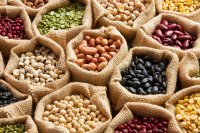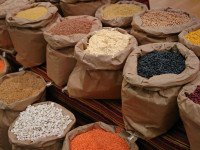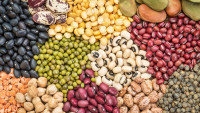
Have you ever wondered if legumes could benefit both the land and your health?
Legumes are doing just that-supporting farmers, improving soil, and adding nutrition to our plates.
From fertile fields to healthy intestines, lentils, chickpeas, and peas are proving to be far more than ordinary crops. They're efficient and low-impact, improving soil health, reducing the need for synthetic fertilizers, and requiring far less water than many other protein sources. But their benefits do not stop at the farm gate: Once on your plate, legumes continue working, supporting gut health, strengthening the immune system, and feeding the good bacteria that keep your digestion (and even your mood) balanced.
Farming for the Future: How Legumes Help the Land
1. Water-Wise and Climate-Resilient
Agriculture consumes around 70% of global freshwater (FAO, 2021), so crops that require less irrigation are key to climate-smart farming. Legumes are naturally efficient water users. Their deep roots and specialized leaf structures help them retain moisture even in hot, dry climates.
Even under future climate conditions, such as the higher temperatures we experience every day and elevated CO₂, many legumes maintain stable productivity while using less water, thanks to biological mechanisms like aquaporins (proteins that help regulate water movement within the plant). This allows farmers to preserve soil moisture and cut down on irrigation without sacrificing yields.
2. Boosting Biodiversity Above and Below Ground
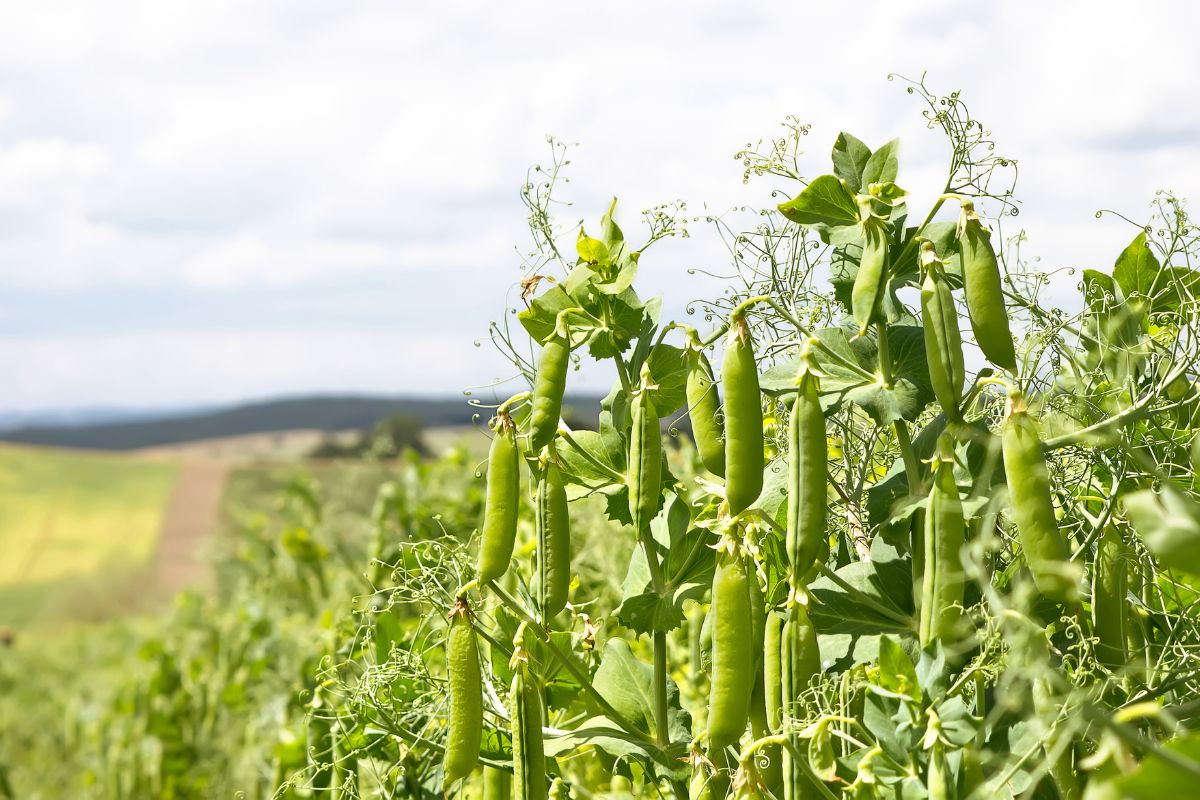
It is very interesting that legumes support a richer, more resilient farm ecosystem. Their flowers attract pollinators like bees and butterflies, while their roots improve soil structure and support beneficial soil life, from microbes to earthworms. Why is it so? With fewer chemical inputs and more natural interactions, legume-based farming helps safeguard the delicate balance of life in and around agricultural landscapes.
3. Natural Nitrogen Fixers
One of the legumes' superpowers is their ability to convert nitrogen from the air into plant-friendly nutrients, a process called biological nitrogen fixation. This reduces the need for synthetic fertilizers, which are both costly and environmentally damaging. The nitrogen left behind in the soil after legumes are harvested continues to benefit the next crop, making rotations more productive and eco-friendly. In Europe alone, legumes help fixBiological Nitrogen Fixation in Legumeshundreds of thousands of tons of nitrogen per year, improving soil health and reducing a potent greenhouse gas.
A Holistic Approach to Health
You are not the only one who enjoys a lentil stew - your gut bacteria loves it too.
Inside our intestines lives a vast and complex community of microbes known as the gut microbiome. These microorganisms do not just digest your food; they influence your immune system, metabolism, and even your mood through the gut-brain axis.
Here is where legumes step in: Not all plant protein you eat is absorbed in the small intestine. Some of it makes its way to the large intestine, where it becomes food for your gut microbes. As they ferment these undigested proteins, beneficial bacteria produce short-chain fatty acids (SCFAs), natural compounds that strengthen the gut barrier, fight inflammation, and support immune health.
But that's not all. Legumes are also packed with fiber and polyphenols:
- Fiber acts as a prebiotic, feeding the “good” bacteria and helping maintain microbial balance.
- Polyphenols, plant compounds with antioxidant properties, further shape the microbiome in ways that protect against chronic diseases.
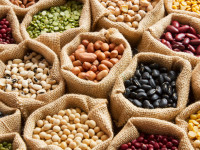
Furthermore, legumes, such as lentils, chickpeas, and beans, are rich in plant-based protein, fibre, vitamins, and minerals. Eating legumes regularly is linked to a lower risk of heart disease, type 2 diabetes, and certain cancers. Their low glycemic index also makes them beneficial for blood sugar management, particularly for people with diabetes.
Beyond the kitchen, legumes are attracting attention in the pharmaceutical world. Compounds derived from legumes, such as lectins and isoflavones, are being studied for their potential anti-inflammatory and anti-cancer properties. For example, genistein-a compound found in soybeans-has shown promise in lab studies for inhibiting the growth of certain cancer cells. Meanwhile, lentil and pea extracts are being explored in drug delivery systems due to their natural bioactivity and compatibility with human tissue. These findings suggest legumes may play a role not only in prevention but also in future medical treatments.
How VALPRO Path contributes to full-circle impact
The beauty of legumes lies in their full-circle impact. When grown responsibly, they reduce agriculture’s environmental footprint, saving water, enriching soils, and cutting emissions. When eaten regularly, they nurture our internal ecosystems, keeping our digestive and immune systems strong.
VALPRO Path drives sustainable, locally sourced food innovations to meet the growing demand for healthy, eco-friendly products. By developing business models for high-protein crops like peas, lupins, chickpeas, fava beans, and lentils, the VALPRO Path team enhances the value chain and reduces environmental impact. Five Innovation Production Systems (IPSs) that act as Living Labs across Germany, Ireland, Italy, Portugal, and Denmark use advanced technology and strategic partnerships to create scalable, sustainable solutions for consumers, producers, and the agri-food sector, from plant-based burgers and beverages to legume pasta and crop optimization tools, VALPRO Path’s business models enhance the value chain, while promoting transparent, future-focused food systems.
Further reading
Complete Guide to Growing and Harvesting Cowpeas: Planting Tips and Care
Cowpea Plant Information and Variety Selection
Managing Cowpea Pests and Diseases: Effective Control Strategies
Enhancing Groundnut Yield Sustainability in Drought-Prone Anantapur, India
Harvesting, Drying, Curing, and Storage of Groundnut
Lentil Inoculation: Optimizing Nitrogen Fixation for Higher Yields
Lentil Yield, Harvest, and Storage
How legumes improve carbon sequestration and mitigate climate change in agriculture
Sustainability Unearthed: The Extraordinary Journey of “Ordinary” Peas
Desmodium Legumes: A Climate Resilient Adaptation in Coffee Production
Mung Bean: Plant Information, Uses, Nutritional Value and Health Benefits
The use of Greek fodder legume varieties for a sustainable, low-input cropping system
Harvesting, Drying, Processing, and Storage of Pigeon pea
Pigeon pea Diseases and Management Practices
Soybean Pests and their Management Practices
Soybean Diseases and Management Practice
Soybean Pre-Planting Practices: Soil Preparation and Planting Dates and Distances