Regenerative Agriculture Explained: Principles, Practices, and Global Success Stories
Regenerative agriculture is transforming how we think about food, farming, and the future of our planet. As a holistic approach to land management, it aims not just to sustain but to restore and enhance ecosystems, soil health, and rural livelihoods. This comprehensive pillar page serves as your central hub for understanding regenerative agriculture, exploring its principles, practices, and real-world impact. Dive into the essential concepts, discover actionable steps for consumers and farmers, and explore inspiring stories from around the globe.
Table of Contents
- Introduction to Regenerative Agriculture
- Principles and Goals of Regenerative Agriculture
- Key Practices in Regenerative Agriculture
- Soil Health and Biodiversity
- Regenerative Agriculture in Action: Global Case Studies
- The Role of Consumers in Regenerative Agriculture
- Regenerative Agriculture and Climate Resilience
- Challenges and Policy Considerations
- Frequently Asked Questions
- Further Reading and Resources
Introduction to Regenerative Farming
Regenerative farming or regenerative agriculture is more than a buzzword or a trend—it’s a movement. It reimagines farming as a solution to environmental degradation, climate change, and rural poverty. Unlike conventional or even some sustainable practices, regenerative agriculture seeks to restore ecosystems, improve and restore soil health, increase biodiversity, and improve the resilience of farming communities. Regenerative agriculture falls under the sustainable agriculture systems and is quickly becoming among the most popular one together with organic agriculture. To learn more about all the systems of sustainable agriculture and it key focus read the article: What are the Principle, Goals and Benefits of Sustainable Agriculture?
What is Regenerative Agriculture?
Regenerative agriculture is a system of farming principles and practices that aims to rehabilitate and enhance the entire ecosystem of the farm. It places a heavy emphasis on soil health, water management, biodiversity, and the well-being of farmers and communities. This approach goes beyond minimizing harm; it actively seeks to regenerate and improve the land.
Principles and Goals of Regenerative Agriculture
Regenerative agriculture is guided by a set of core principles that distinguish it from other approaches:
- Restoring Soil Health: Restoring and maintain soil health is among the key focuses of regenerative agriculture. It focuses on building organic matter, enhancing soil structure, and increasing microbial life. So if you want to learn more on How to Embrace Regenerative Agriculture for Soil Health and Sustainability, please follow the link.
- Enhancing Biodiversity: Promoting a diverse range of plants, animals, and microorganisms.
- Improving Water Cycles: Increasing water retention and reducing runoff.
- Supporting Ecosystem Functions: Encouraging pollinators, natural pest control, and carbon sequestration.
- Empowering Farmers and Communities: Fostering economic resilience and social well-being. Regenerative farming is one of the most important and efficient systems for boosting family farmers’ livelihoods. Of a great interest in this area is also the article A Human-Centered Approach to Regenerative Farming.
These goals are mutually exclusive and they work together to create resilient, productive, and profitable farming systems.
Key Practices in Regenerative Agriculture
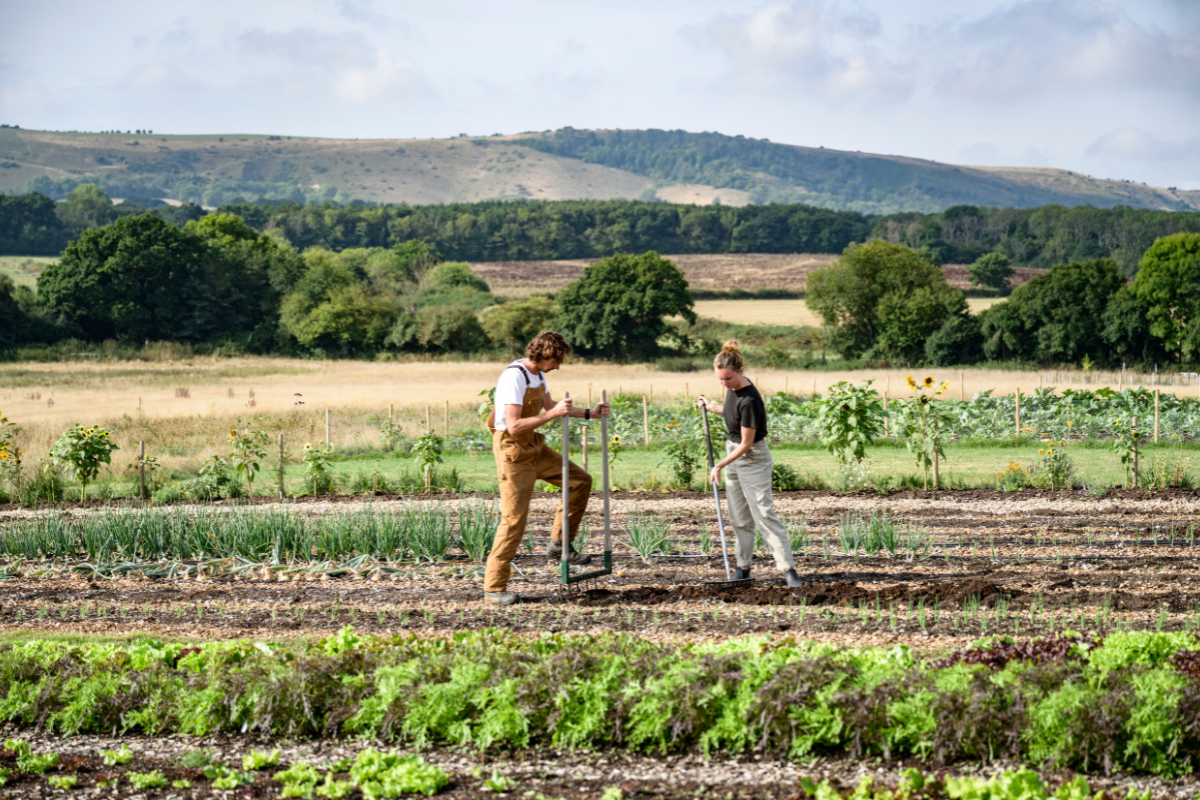
Regenerative agriculture is not a single technique but a holistic strategy and mindset, a toolkit of practices tailored to local conditions and needs. Common regenerative practices include:
- Cover Cropping: Growing plants to cover the soil, preventing erosion, and adding organic matter.
- Crop Rotation and Diversity: Alternating crops to disrupt pest cycles and improve soil fertility.
- Reduced Tillage: Minimizing soil disturbance to protect soil structure and life. Find more information about the benefits of reduced of conservation tillage by following the link.
- Composting and Organic Amendments: Recycling nutrients and building soil health.
- Integrating Livestock: Managed grazing to mimic natural ecosystems and fertilize soils.
- Agroforestry: Incorporating trees and shrubs into farmland for biodiversity and microclimate benefits.
- Use of Organomineral Fertilizers: Combining organic and mineral sources to enhance nutrient cycling, as seen in regenerative sugarcane systems.
For a deeper dive into specific regenerative practices, see Regenerative Agriculture: What is it? Who is it for? Common practices, principles and resources.
Regenerative Agriculture and Climate Resilience
Regenerative agriculture is a frontline solution to climate change. By building soil organic matter, these practices sequester carbon, reduce greenhouse gas emissions, and help farms adapt to extreme weather.
Key climate benefits:
- Carbon Sequestration: Healthy soils store more carbon, helping to mitigate global warming. While carbon farming is another sustainable farming system, the reduced disturbance of the soil that is applied in regenerative agriculture can allow farmers to also benefit from carbon sequestration. If you want to have more information on the matter visit the article What is carbon farming - carbon sequestration?
- Water Management: Improved soil structure increases water infiltration and storage, reducing vulnerability to drought and floods.
- Resilience to Desertification: Regenerative strategies can halt and reverse land degradation, as detailed in How to Combat Desertification and Drought with Regenerative Agriculture.
Soil Health and Biodiversity
Healthy soil is the foundation of regenerative agriculture. By fostering soil biodiversity—microbes, fungi, earthworms, and more—farmers unlock natural fertility, disease resistance, and water retention. Practices like cover cropping, composting, and reduced tillage all contribute to this living ecosystem beneath our feet.
Why is soil biodiversity crucial?
Soil organisms break down organic matter, cycle nutrients, and help plants access water and minerals. Diverse soil life creates a resilient system that can withstand drought, pests, and disease shocks. Learn more in Soil Biodiversity: The Key to Regenerative and Sustainable Farming.
The Role of Weeds
Contrary to conventional wisdom, some weeds can play a positive role in regenerative systems by protecting soil, attracting beneficial insects, and indicating nutrient imbalances. Explore this perspective in Unlocking the Role of Weeds in Regenerative Agriculture.
Regenerative Agriculture in Action: Global Case Studies
Regenerative agriculture is not a theory—it’s a global reality. Farmers from Kenya to India, Uganda to Brazil, are demonstrating its power to restore land and livelihoods.
|
Region/Country |
Key Focus |
Highlights |
|
Kenya |
Transition from monoculture |
Farmers are shifting to diverse cropping systems, improving yields and resilience. Read more on the article Regenerative Farming in Kenya: Transitioning from Monoculture to Sustainability and in Grassroots Soil Health Advocacy: Lessons and Stories from Cycle to Farms’ Regenerative Journey and Regenerative Agriculture and Carbon Credits in East Africa: Unlocking Climate and Economic Resilience with many inspiring stories from Africa. |
|
India |
Smallholder success |
Regenerative practices have increased incomes and ecological health. Read more on the article Regenerative Farming in India: A Smallholder Success Story |
|
Uganda |
Agroforestry |
Integrating trees with crops restores soil and supports rural communities. Regenerative Agroforestry: Lessons from Western Uganda on the article Regenerative Agroforestry: Lessons from Western Uganda |
|
Brazil |
Sugarcane innovation |
Organomineral fertilizers and CBIOs boost sustainability. Read more at the article on Regenerative Sugarcane: Sustainable Farming with Organomineral Fertilizers and CBIOs |
Reviving the Land:
Smallholder farmers are leading the way in land restoration, demonstrating that regenerative agriculture can work at any scale. See Reviving The Land with Regenerative Agriculture: Lessons From Smallholder Farmers.
The Role of Consumers in Regenerative Agriculture
Consumers have a powerful role in driving the adoption of regenerative agriculture. By making informed choices, supporting regenerative brands, and advocating for better food systems, individuals can create market demand for food that heals the land.
How can you support regenerative agriculture?
- Buy Regenerative Products: Look for certifications or brands that prioritize regenerative practices.
- Ask Questions: Engage with retailers and producers about their sourcing.
- Reduce Food Waste: Respect the resources and labor behind every meal.
- Advocate: Support policies and organizations promoting regenerative farming.
For practical steps, see How Consumers can Support Regenerative Agriculture.
Innovative Approaches:
In East Africa, carbon credits are unlocking new income streams for farmers, incentivizing climate-smart practices. Learn more in Regenerative Agriculture and Carbon Credits in East Africa: Unlocking Climate and Economic Resilience.
Challenges and Policy Considerations
Despite its promise, regenerative agriculture faces challenges:
- Vague Definitions: Lack of clear standards can hinder policy, certification, and adoption.
- Policy Gaps: Supportive policies are needed to scale regenerative practices.
- Knowledge Transfer: Farmers require training and resources to transition.
Policy and Certification:
Ambiguity in sustainable agriculture definitions can slow progress. For a critical look at these issues, see The Impact of Vague Sustainable Agriculture Definitions and Standards on Policy, Certification & Adoption.
Human-Centered Approaches:
Regenerative agriculture must be tailored to the needs and realities of farmers and communities. Explore this perspective in A Human-Centered Approach to Regenerative Farming.
Frequently Asked Questions
What’s the difference between regenerative and sustainable agriculture?
While both aim to reduce harm, regenerative agriculture focuses on restoring and improving ecosystems, not just maintaining the status quo.
Is regenerative agriculture only for large farms?
No, it’s scalable and adaptable—from smallholders to large enterprises.
How can I start practicing regenerative agriculture?
Begin with soil health: reduce tillage, add organic matter, and diversify your crops. Seek out local training and resources.
What are the economic benefits?
Healthier soils often mean lower input costs, greater resilience, and new market opportunities, such as carbon credits.
Further Reading and Resources
Explore these in-depth articles for more details and practical guidance:
- What is Regenerative Agriculture?
- How Consumers can Support Regenerative Agriculture
- Regenerative Sugarcane: Sustainable Farming with Organomineral Fertilizers and CBIOs
- How to Combat Desertification and Drought with Regenerative Agriculture
- Boosting Family Farmers’ Livelihoods with Regenerative Agriculture
- Unlocking the Role of Weeds in Regenerative Agriculture
- A Human-Centered Approach to Regenerative Farming
- Regenerative Farming in Kenya: Transitioning from Monoculture to Sustainability
- Soil Biodiversity: The Key to Regenerative and Sustainable Farming
- Regenerative Agroforestry: Lessons from Western Uganda
- Reviving The Land with Regenerative Agriculture: Lessons From Smallholder Farmers
- Regenerative Agriculture and Carbon Credits in East Africa: Unlocking Climate and Economic Resilience
- How to Embrace Regenerative Agriculture for Soil Health and Sustainability
- Regenerative Farming in India: A Smallholder Success Story
- Regenerative Agriculture: What is it? Who is it for? Common practices, principles and resources
- The Impact of Vague Sustainable Agriculture Definitions and Standards on Policy, Certification & Adoption
- What are the Principle, Goals and Benefits of Sustainable Agriculture?
- Understanding Agriculture: Its History, Importance, and Different Types
- Grassroots Soil Health Advocacy: Lessons and Stories from Cycle to Farms’ Regenerative Journey
Conclusion
Regenerative agriculture offers a hopeful path forward—for our soils, our climate, and our communities. Whether you’re a farmer, consumer, policymaker, or simply curious, this guide and its linked resources will help you understand, advocate for, and participate in the regenerative revolution.