


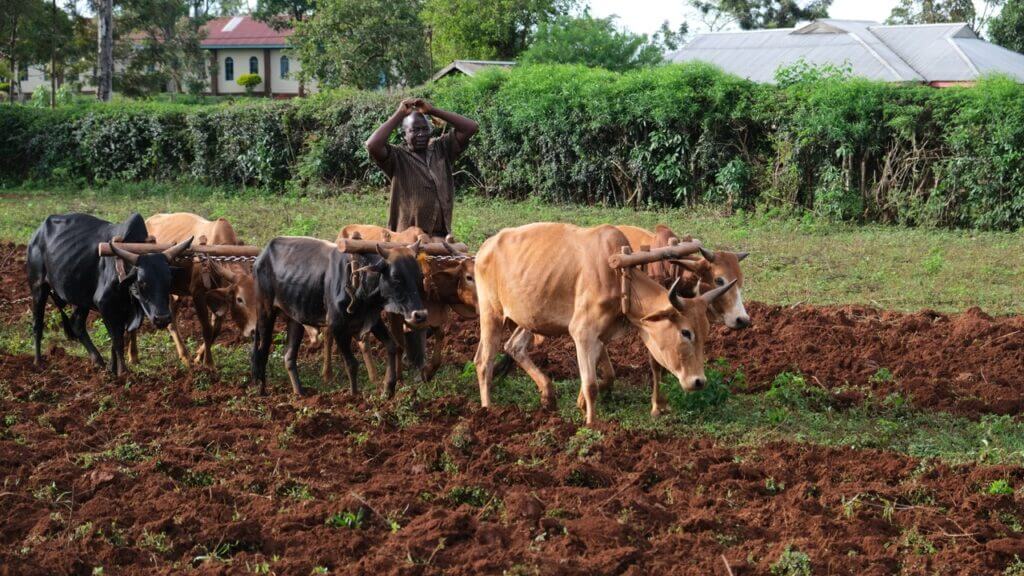
Picture credits: Cycle to Farms
The Foundation: Why Soil Health Matters for Farm Resilience
Soil health is the backbone of productive, resilient agriculture and sustainable food systems. Healthy soils do more than anchor plants—they store water, cycle nutrients, suppress disease, and support biodiversity, all of which make farms more resilient to drought, floods, and pests. At the heart of soil health is a vibrant community of microbes and organisms that help plants access nutrients and withstand stress. When managed well, soils can sequester carbon, improve water quality, and even contribute to human and animal health through the food they help produce.
Farmers who invest in soil health—by building organic matter, protecting soil structure, and fostering biological diversity—see benefits in yield stability, crop quality, and long-term sustainability. In short, resilient soils create resilient farms, able to adapt to climate challenges and market changes alike.
Cycle to Farms: Pedaling for Regeneration and Advocacy
Cycle to Farms is an active advocacy initiative founded by Aisha Hassan and Lukas Paltanavičius. Their mission is to amplify the voices of regenerative farmers across Europe, the Middle East, and Africa by cycling from farm to farm, living and working alongside those on the frontlines of sustainable agriculture. Rather than brief visits, they immerse themselves for weeks at a time, gaining hands-on experience and a deep understanding of both the challenges and solutions in the field.
Their approach is rooted in the ethos: “Don't think in problems, but think in solutions.” By documenting and sharing farmers’ stories, Cycle to Farms bridges the gap between policy and practice, inspiring others to focus on practical, context-specific strategies for soil health.

Lessons Learned: Advice for Grassroots Soil Health Advocacy
1. Focus on Solutions, Not Problems
Cycle to Farms and the farmers they meet prioritize actionable solutions over dwelling on challenges. This mindset shift—from talking about climate change problems to investing in regenerative practices—motivates real action1.
2. Patience and Persistence
Restoring soil health and raising awareness is a long-term process. The Swahili proverb “pole pole ndio mwendo” (“slowly slowly is the way to go”) became their mantra, reminding them that steady, patient effort yields lasting results.
3. Lead by Example
Farmers and advocates alike inspire others by demonstrating soil health practices in action. Authenticity and transparency—“Don't do what I say, do what I do"—build trust and encourage adoption of new methods.
4. Build Community and Partnerships
Change is most effective when it’s collective. Engaging local communities, forming partnerships, and sharing knowledge amplify the impact of soil health initiatives.
5. Stay Open to Learning
Continuous learning, across disciplines and from both successes and failures, is key to effective advocacy and innovation in soil health.
Inspiring Stories from the Field
Priceless Farms, Uganda: Building Soil and Community
At Priceless Farms, Cycle to Farms worked alongside a team committed to permaculture and agroforestry. Despite neighboring large-scale monocultures, this farm thrives on biodiversity, composting, and mulching. Their success shows how restoring soil health can also build community and economic resilience.
Kazinga Community Farm, Uganda: Learning by Doing
In Kazinga, Aisha and Lukas immersed themselves in daily farm life, learning from local farmers about conservation agriculture and composting. The farm's peer-to-peer learning model empowers others to adopt regenerative practices, improving yields and protecting the land for future generations.
Mainsprings, Tanzania: A Permaculture Journey
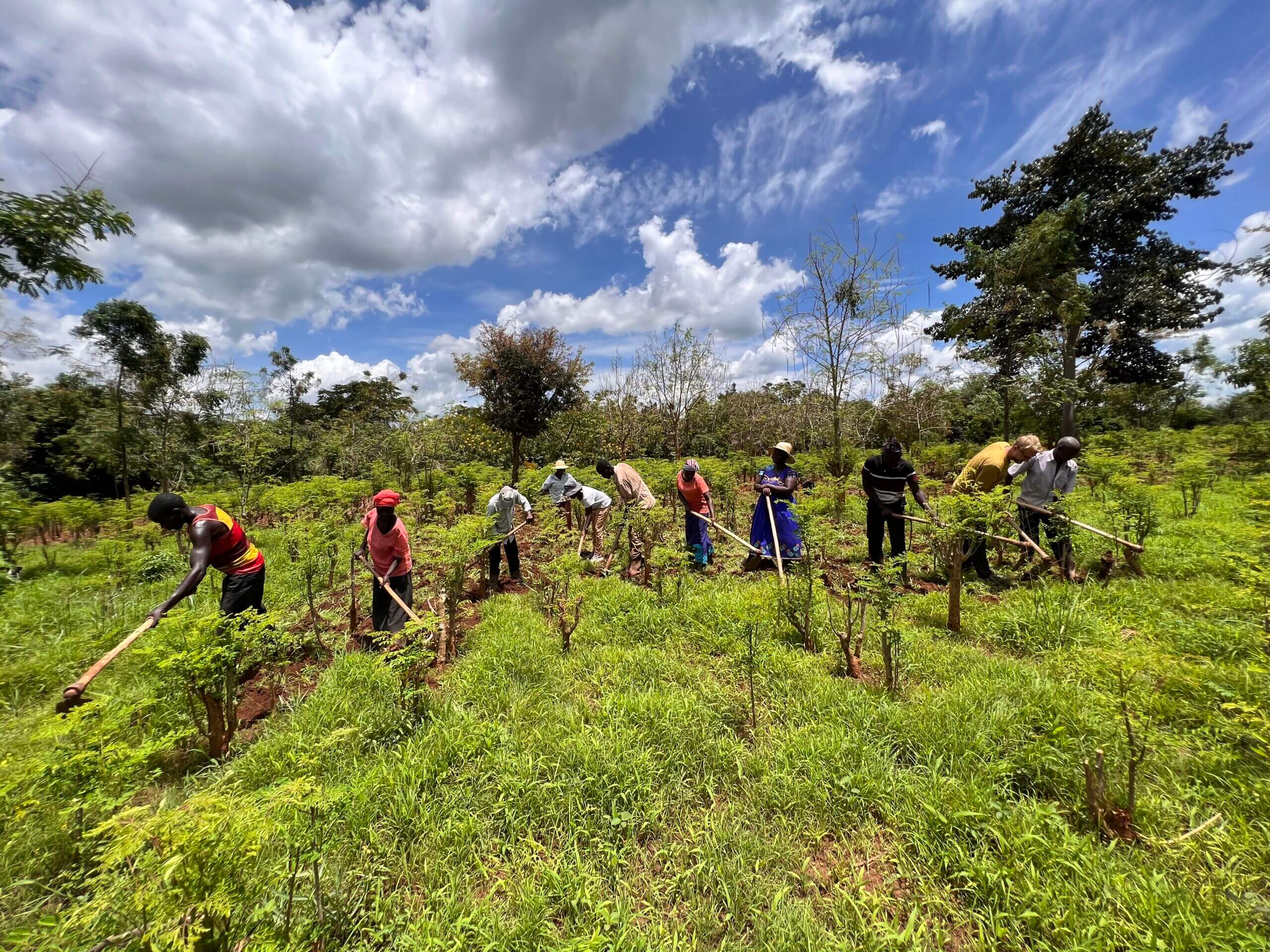
At Mainsprings, they immersed themselves in a Permaculture Design Course at its peaceful Kitongo center. They learned the principles of people care, earth care, and future care from founder Chris Gate, whose 17 years of dedication to community and regenerative practices inspired them. The course blended theory with hands-on learning, emphasizing collaboration—a principle mirrored in the delicious, farm-fresh meals that highlighted the superior taste of food grown with care.
KYETE BIINGI TAI NYEME (KBTN), Uganda: Soil Health for Refugee Resilience
KBTN is a refugee-led initiative where soil health is central to food security and self-reliance. By establishing communal gardens, offering training in agroforestry and composting, and encouraging knowledge exchange, KBTN empowers refugees to regenerate degraded land and build livelihoods, demonstrating the power of community-driven action.
Conclusion: One Pedal, One Field, One Future
The journey of Cycle to Farms shows that real change in soil health advocacy starts on the ground—with patience, persistence, and a focus on solutions. Healthy soils are the living foundation of resilient farms, supporting productivity, biodiversity, and the ability to withstand climate shocks. By working alongside farmers, sharing their stories, and fostering community, Cycle to Farms inspires all of us—farmers, agronomists, and advocates—to champion soil health from the ground up.
As we face the challenges of climate change and food security, every small step matters. Whether it’s cover cropping, composting, or simply sharing your story, each action helps cultivate hope and resilience. Change grows from the ground up, one field and one story at a time.
Based on the case study, “Advocating for Soil Health on the Ground, in the report: https://www.coalitionforsoilhealth.org/resource-library/youth-initiatives-for-scaling-soil-health-advice-from-youth4soil-global-advocates?fbclid=IwY2xjawG3B9FleHRuA2FlbQIxMQABHWB5UXzw1ZiemtzZWpcW2tmBOxwmpQlH6ljyJhsxxcmCrDOvIwoC6Q4wBg_aem_b0TurnORgSXGlYAtzLb88w
Further reading
Biocyclic Vegan Farming: Sustainable, Animal-Free Soil Fertility and Circular Agriculture
Climate-Smart Agriculture: Resilient, Sustainable Farming
Double Yields and Income with Maize-Vegetable Intercropping
Farming in harmony with nature: Real-world solutions for biodiversity and economic resilience
Community-Based Food Systems: Growing Local, Eating Better
Can Young Farmers Afford Climate-Smart Agriculture? - The Profitability Challenge Explained