Regenerative farming is often described through its practices, benefits, and measurable outcomes—such as promoting soil health, restoring ecosystems, and increasing biodiversity. Yet, one vital aspect is often overlooked: the connection between farming practices and human choices.
The Human Connection in Regenerative Farming
A human-centered approach to regenerative farming focuses on sustainable, long-term solutions that go beyond just soil and crop health. Farmers face a wide range of challenges, including pests, climate change, and economic pressures. Without addressing the human factors—such as decision-making, financial resilience, and community support—many may revert to conventional farming methods when these pressures become overwhelming.
This approach emphasizes the deep connection between the farmer, their community, and the land. By prioritizing the well-being of all three, farmers can view regenerative farming not as a temporary fix but as a path toward long-term prosperity. Encouraging farmers to adopt a broader perspective on their role within the environment cultivates a stronger dedication to sustainable practices. When farmers can envision a future where their efforts not only sustain their families but also uplift their communities and safeguard the planet, they are more likely to commit to regenerative methods over the long term.
Regenerative Leadership: More Than Technical Skills
Building regenerative leaders isn’t just about teaching farmers how to rotate crops, use cover crops, or manage grazing. While technical knowledge is critical, it is only one piece of the puzzle. True leadership in regenerative farming requires cultivating a sense of ownership and responsibility for the land, alongside emotional resilience and a deeper understanding of the ecosystems that sustain farming.
These leaders are individuals who not only implement practices to rebuild soil health and increase biodiversity but also inspire and mentor others. They are champions of innovation and knowledge-sharing, creating a ripple effect that spreads regenerative practices far beyond their own farms. This is what is meant by “regenerative leadership”—a holistic approach to fostering both environmental and human well-being.
Sharing Success Across Continents
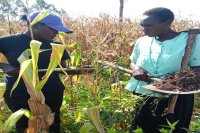
In many farming communities worldwide, transitioning to regenerative practices has shown potential to transform lives. Success stories from countries such as Kenya and Ghana demonstrate how empowering farmers as regenerative leaders can yield results far beyond ecological benefits. By focusing on the human aspect of farming, these communities have found innovative ways to overcome challenges and build resilience.
Farmers who embrace regenerative practices often report not only improved soil health and yields but also strengthened community ties and increased economic stability. These outcomes underscore the importance of aligning agricultural practices with the health of people, communities, and the planet.
Achievements in Advancing Regenerative Farming
Organizations dedicated to regenerative farming have played a pivotal role in advancing the adoption of sustainable practices. For example, eGro, a global initiative, has worked extensively with farmers across continents to promote regenerative leadership. By providing training, resources, and mentorship, they have helped farmers transition to more sustainable practices while addressing their unique challenges.
Some of eGro’s notable accomplishments include:
- Collaborating with farming communities in Kenya and Ghana to implement regenerative practices that improve soil health and biodiversity.
- Establishing mentorship programs to empower farmers as community leaders, enabling them to share knowledge and inspire others.
- Documenting success stories and creating case studies that showcase the holistic benefits of regenerative farming, encouraging broader adoption worldwide.
- Developing tools and resources tailored to the specific needs of farmers in diverse regions, ensuring practical and effective implementation.
By combining technical expertise with a human-centered approach, organizations like eGro have demonstrated that regenerative farming is not just a set of techniques but a transformative way of life. Their work highlights the power of collaboration, leadership, and innovation in creating resilient agricultural systems and thriving communities.
Further reading
How Profitable is Sustainable Farming?
How Agrifood System Transformation Leads to Sustainable Development
How Conservation Agriculture can help Agribusinesses in Climate Change Mitigation