


The Role of Soil Biodiversity in Soil Health
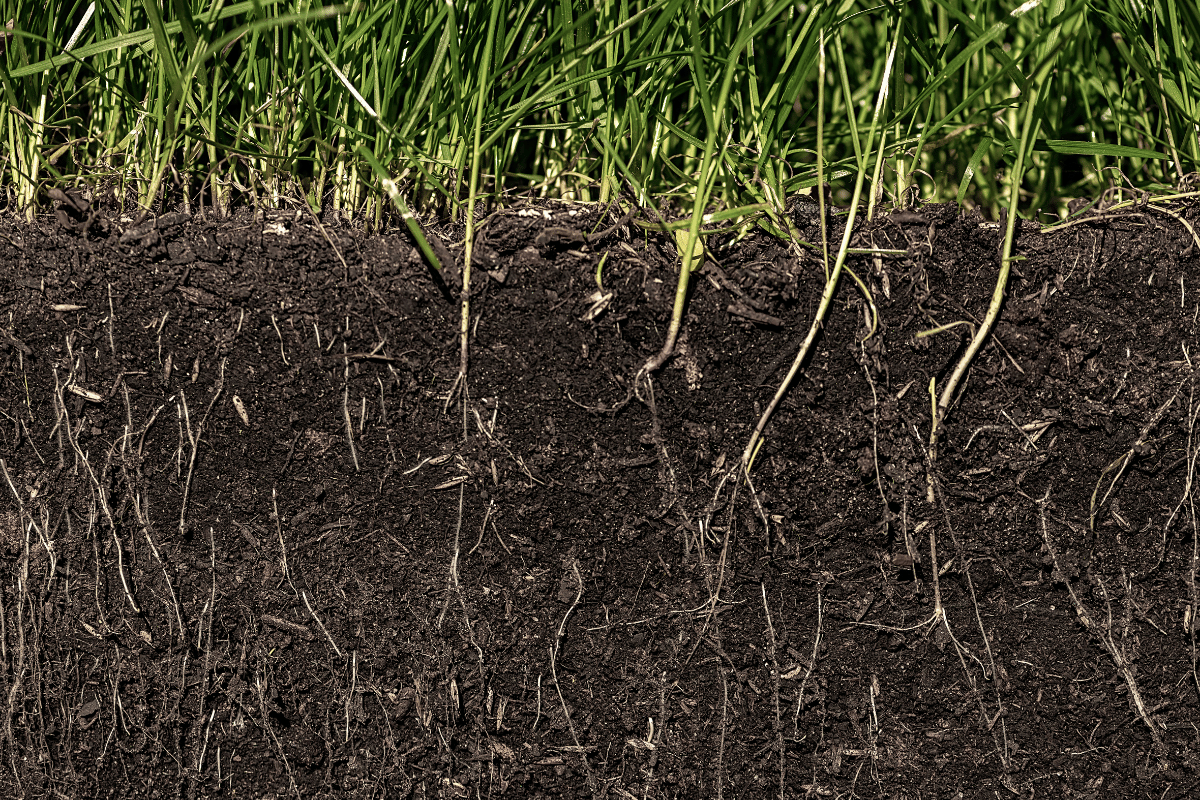
Soil biodiversity is a principal driver of the accumulation and stabilization of soil organic matter (SOM), which is crucial for soil health and ecosystem stability. Microorganisms, fungi, and soil fauna drive the decomposition of plant residues into stable organic matter. Recent research indicates that a large percentage of stable SOM originates from microbial necromass, the remnants of dead microbial cells that contribute significantly to long-term carbon storage in soils. Soil organic matter has been and still is undervalued, and its benefits extend beyond agriculture and into global sustainability.
It is central to all three Rio Conventions: the United Nations Convention on Biological Diversity (CBD), the United Nations Framework Convention on Climate Change (UNFCCC), and the United Nations Convention to Combat Desertification (UNCCD). By improving soil organic matter content, soil biodiversity directly mitigates climate change (by storing carbon), supporting biodiversity, water retention, and nutrient cycling. Thus, fostering soil biodiversity is a critical strategy for meeting global environmental goals.
Microbial Diversity: The Key to Productive and Resilient Crops
At the farm level, a diverse and active soil microbiome is essential for plant productivity and resilience by improving access to nutrients, suppressing pathogens, and promoting tolerance to abiotic stress. Beneficial microbes, such as mycorrhizal fungi and plant-growth-promoting rhizobacteria (PGPR), enhance nutrient uptake, particularly phosphorus, and nitrogen, which are crucial for crop growth and development and reduce the need for synthetic fertilizers. Microorganisms can also suppress soilborne pathogens through competitive exclusion, antibiotic production, and induced systemic resistance. For example, many Trichoderma and Bacillus species protect crops from fungal infections and other diseases. Some soil organisms can also contribute to stress tolerance, helping plants withstand drought, salinity, contaminated soils, and other environmental stresses.
Regenerative Agriculture: Building Soil Health Through Biodiversity
Regenerative agriculture, agroecology, and sustainable farming practices all rest upon the foundation of soil biodiversity. Unlike conventional farming systems that rely on external inputs, regenerative practices leverage biological processes to enhance soil fertility, reduce dependence on chemical inputs, and build resilient agroecosystems. Conventional agriculture feeds the plant at the expense of the soil, depleting soil health over time. In contrast, regenerative agriculture feeds the soil to improve plant health, creating a self-sustaining system that enhances both productivity and ecosystem resilience. Practices such as cover cropping, reduced tillage, compost application, and diversified crop rotations foster soil microbial diversity, leading to healthier, more productive soils.
Agroecology further integrates soil biodiversity into the broader ecological landscape, promoting balanced interactions between soil, plants, and livestock. By recognizing the intrinsic value of soil organisms, agroecological systems aim to create self-sustaining agricultural ecosystems that support both food production and environmental health.
Ultimately, soil biodiversity is not just a component of healthy soils.It is the engine that drives sustainable agriculture. Investing in soil health through biodiversity-friendly practices ensures long-term agricultural productivity, resilience to climate change, and the preservation of vital ecosystem services.