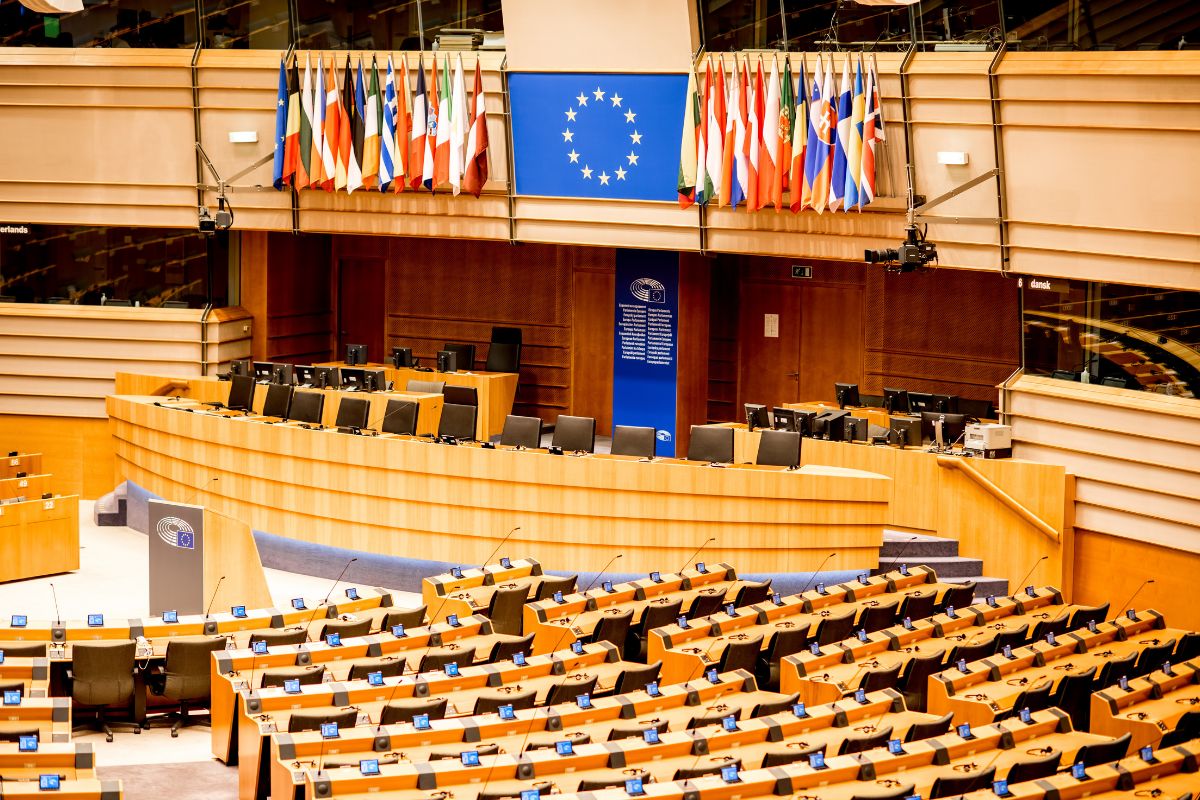
The European Parliament convened a high-stakes debate this morning (July 10, 2025) on the future of the European Union’s Common Agricultural Policy (CAP), as the European Commission prepares to unveil its 2028-2034 proposal later this month. With food security, environmental sustainability, and rural livelihoods at the forefront, lawmakers and Commissioner Christophe Hansen exchanged views on how the CAP should evolve to meet the continent’s mounting challenges.
CAP Renewal: Timeline and Expected Changes
The European Union’s Common Agricultural Policy (CAP) is set for a major renewal, with the European Commission scheduled to announce its proposal for the 2028-2034 period in mid-July 2025. This new cycle will be shaped by intense negotiations throughout 2025 and 2026, with the final agreement expected before the current CAP framework expires at the end of 2027.
When Will the Renewal of CAP Happen?
- Commission Proposal: The official proposal for the new CAP will be unveiled in mid-July 2025, alongside the draft for the next Multiannual Financial Framework (MFF), which sets the EU’s long-term budget.
- Negotiation Phase: Legislative negotiations among the European Parliament, Council, and Commission will take place from late 2025 through 2026.
- Adoption and Implementation: The renewed CAP is expected to be adopted before December 2027, ensuring a seamless transition into the new policy period starting January 2028.
What Is Expected to Change?
The upcoming CAP is anticipated to introduce several significant changes compared to the current framework:
Budget Structure and Funding:
- There is ongoing debate about merging the CAP and Cohesion Policy funds into a single, flexible fund for national and regional partnerships, though strong opposition from farmers and rural stakeholders may keep CAP as a distinct budget line.
- The budget is under pressure, with warnings that failure to adjust for inflation could erode over half of CAP’s real value by 2034, prompting calls for a major funding increase to safeguard food security and rural livelihoods.
Policy Focus and Pillars:
- Proposals include creating a third, standalone environmental pillar within CAP, offering increased rewards for farmers who adopt voluntary environmental schemes and sustainable innovations.
- The two-pillar structure (direct payments and rural development) is likely to be maintained, but with greater emphasis on environmental and climate objectives, as well as generational renewal and rural vitality.
Governance and Delivery Model:
- The Commission is considering a more performance-based, subsidiarity-driven model, building on the national strategic plans introduced in the 2023-2027 CAP. This would give Member States more flexibility but require them to meet specific milestones and targets.
- Simplification and reduced bureaucracy remain key priorities, with a push for a “farmer-friendly” delivery model that strengthens farmers’ positions in the food supply chain and cuts red tape.
Fairness and Distribution:
- There are calls to redirect CAP payments toward small and medium-sized farms and to ensure a fairer distribution of funds across Member States, addressing longstanding concerns about equity and rural decline.
- The reform will likely include mechanisms to better support disadvantaged regions, particularly those facing demographic decline or external pressures on the EU’s borders.
Strategic Priorities:
- Food security, climate resilience, and competitiveness will be central themes, reflecting lessons from recent crises and the need to prepare for further EU enlargement and global market volatility.
- The CAP is expected to align more closely with broader EU priorities, including the Green Deal, digitalization, and strategic autonomy.
What Remains Uncertain?
- The final shape of the CAP will depend on negotiations between EU institutions and Member States, with key issues including the overall budget, the balance between EU-wide rules and national flexibility, and the extent of environmental conditionality.
- The possibility of merging CAP with other funds remains contentious and may be rejected in favor of preserving the CAP’s distinct identity and purpose.
Commissioner Hansen’s Vision: Modernization and Resilience
Commissioner Hansen emphasized the need for a CAP that is “fit for purpose and better targeted,” calling for a balance between incentives, investment, and regulation. Key priorities outlined included:
- Food security as a central pillar of the next Multiannual Financial Framework (MFF)
- Fair income for farmers and support for rural communities
- Environmental and climate objectives through eco-schemes and agri-environmental measures
- Simplification to reduce red tape and make the policy more accessible
- Targeted support for disadvantaged regions, especially those on the EU’s eastern borders
Hansen warned that “without agricultural activity, land abandonment will cause demographic, environmental, and societal problems,” particularly in sensitive border areas.
Parliamentary Concerns: Budget Cuts and Policy Direction
In today's debate, lawmakers from across the political spectrum voiced deep concerns about potential cuts to the CAP budget. Herbert Doffman (EPP) warned that by 2035, CAP funding could be “a third less in real terms compared to 2020,” risking the EU’s food sovereignty and the viability of rural communities. “If the EU is not prepared to invest in agriculture and attract young people, we’re going to lose our food sovereignty step by step,” he cautioned.
Daria Nadella (S&D) echoed these fears, stating that a 15% cut would leave the CAP with less than €217 billion, putting farmers’ incomes and rural development at risk. She called for “no reduction or limitation of the legislative autonomy of the CAP,” stressing the need for sustainable farming and support for small farmers.
Raffaello Stancanelli (Patriots) and Carlo Fidanza (ECR) both rejected proposals for a single agricultural fund and voiced opposition to increasing conditionalities on aid. Fidanza insisted that “food is not just a good, it is strategic,” and warned against dependence on third countries for food supplies.
Green and Progressive Voices: Sustainability and Fairness
Representatives from the Greens and allied groups highlighted the urgent need for the CAP to address the climate crisis and biodiversity loss. They pointed out that “800 farms close every day in the European Union” and called for policies that support regional markets, short supply chains, and agroecology. “Every requirement we place upon our farmers must also apply to imports,” one speaker argued, warning that trade deals like Mercosur could disadvantage European producers.
Other lawmakers advocated for greater fairness in the distribution of CAP funds, with suggestions to increase the share allocated to small farms and to raise the minimum convergence rate to ensure more equitable payments across member states.
Farmers’ Plight and Societal Impact
Several speakers emphasized the daily struggles of European farmers, who face rising costs, unfair prices, and increasing regulatory burdens. Arno Bausema (ESN) criticized the imposition of “green requirements” and trade agreements that allow cheap imports, arguing that “producing food for 500 million citizens is only possible if we have farmers who can make a living from what they're doing.”
Christina Meister warned that cuts to CAP subsidies would leave “thousands of farmers without support and whole regions without a means of earning money and a future,” potentially undermining the single market.
The Road Ahead: Balancing Priorities
As the debate drew to a close, Carmen Crespo-Diaz called for a “new revolution” in European agriculture, one that combines climate action, rural job creation, and generational renewal. Lawmakers broadly agreed on the need to maintain Parliament’s co-decision powers and to ensure that any CAP reform reflects the realities faced by farmers and rural communities.
Commissioner Hansen pledged to incorporate Parliament’s feedback into the forthcoming CAP proposal, emphasizing that “solutions must be designed taking into account local specificities and sectorial challenges.”
Context: What’s Next?
The European Commission is expected to present its formal CAP proposal for 2028-2034 in mid-July. The debate comes at a time of heightened uncertainty, with Russia’s ongoing war in Ukraine, extreme weather events, and global market pressures underscoring the need for a resilient and well-funded agricultural policy.
As the EU grapples with competing priorities in its next budget, the fate of the CAP will serve as a litmus test for the Union’s commitment to food security, rural vitality, and sustainable development. The coming months will reveal whether lawmakers and the Commission can forge a consensus that meets the needs of both Europe’s farmers and its citizens.
From the live session today: https://multimedia.europarl.europa.eu/en/webstreaming/plenary-session_20250710-0900-PLENARY
Furthe reading
Seasonal Climate Forecast & Agricultural Outlook for Europe: July–September 2025
EU Plant Health Alerts 4th quarter of June 2025 - Overview for Farmers
May 2025 EU plant protection changes: New pesticide rules & resistant crop varieties
Top 5 Crop Diseases and Pest Threats to EU Agriculture in 2025
How Biopesticides & AI Are Revolutionizing Crop Protection
Floods Are Reshaping Mediterranean Agriculture – Can EU Policies Keep Up?
EU's 2025 Tariffs on Russian Farm Imports: Fertilizer Price Surge & Farmer Impact
Lower Acetamiprid MRLs in Key Crops - New EU Regulation
Tariffs, Trade, and Strategy: Olive Oil Experts Decode the U.S.-EU Market Shock