


A multi-generational family farm transformed into Venezuela's second-largest rice financing operation, enduring decades of economic turmoil while feeding a nation.
Origins and History
The story of Arroz Gran Marqués began in the 1960s, when an Italian immigrant arrived in Venezuela. Through family connections, he started working on a farm in the state of Portuguesa, but struggled to make progress. Determined to succeed, he purchased his own land and began cultivating rice.
The breakthrough came when, after traveling abroad, he returned with revolutionary laser land-leveling technology. "He was the first in Venezuela to do it," said Diego Mantovani, the founder's grandson and current Director of Operations. Rice fields must be perfectly level for proper water management, and this system—using laser-guided automatic blades attached to tractors—dramatically increased efficiency. The innovation led to the creation of Servilaser, a land-leveling company that eventually operated eight laser units nationwide.
By the late 1980s, the family business began milling rice. Diego's father, Enrique, joined the company, and together they installed their first dehusking machine, processing 1,000 kilograms per hour (~2,200 lbs). Initially, rice was sold in bulk sacks with no brand; however, around 2000, Arroz Gran Marqués was launched, inspired by a car model Enrique liked. The brand recently celebrated its 25th anniversary.
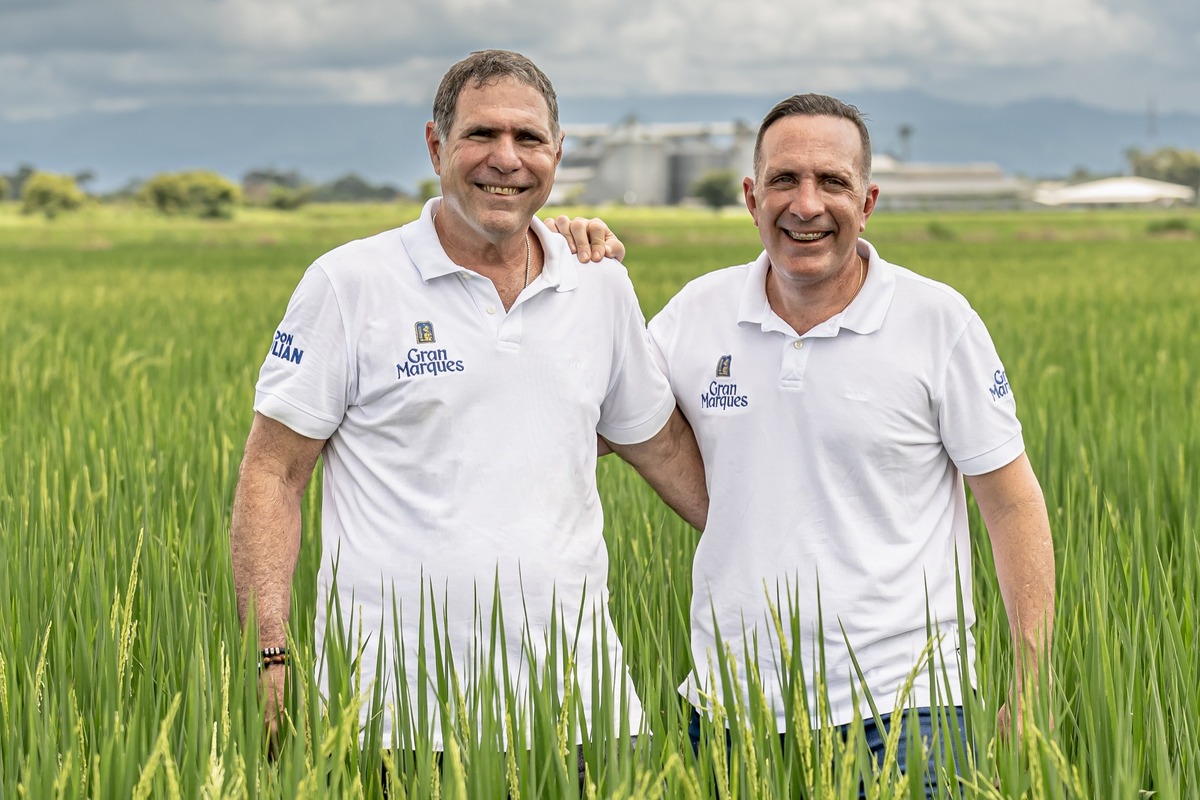 Gimi and Enrique Mantovani, the second-generation of Arroz Gran Marqués.
Vertical Integration: From Seed to Shelf
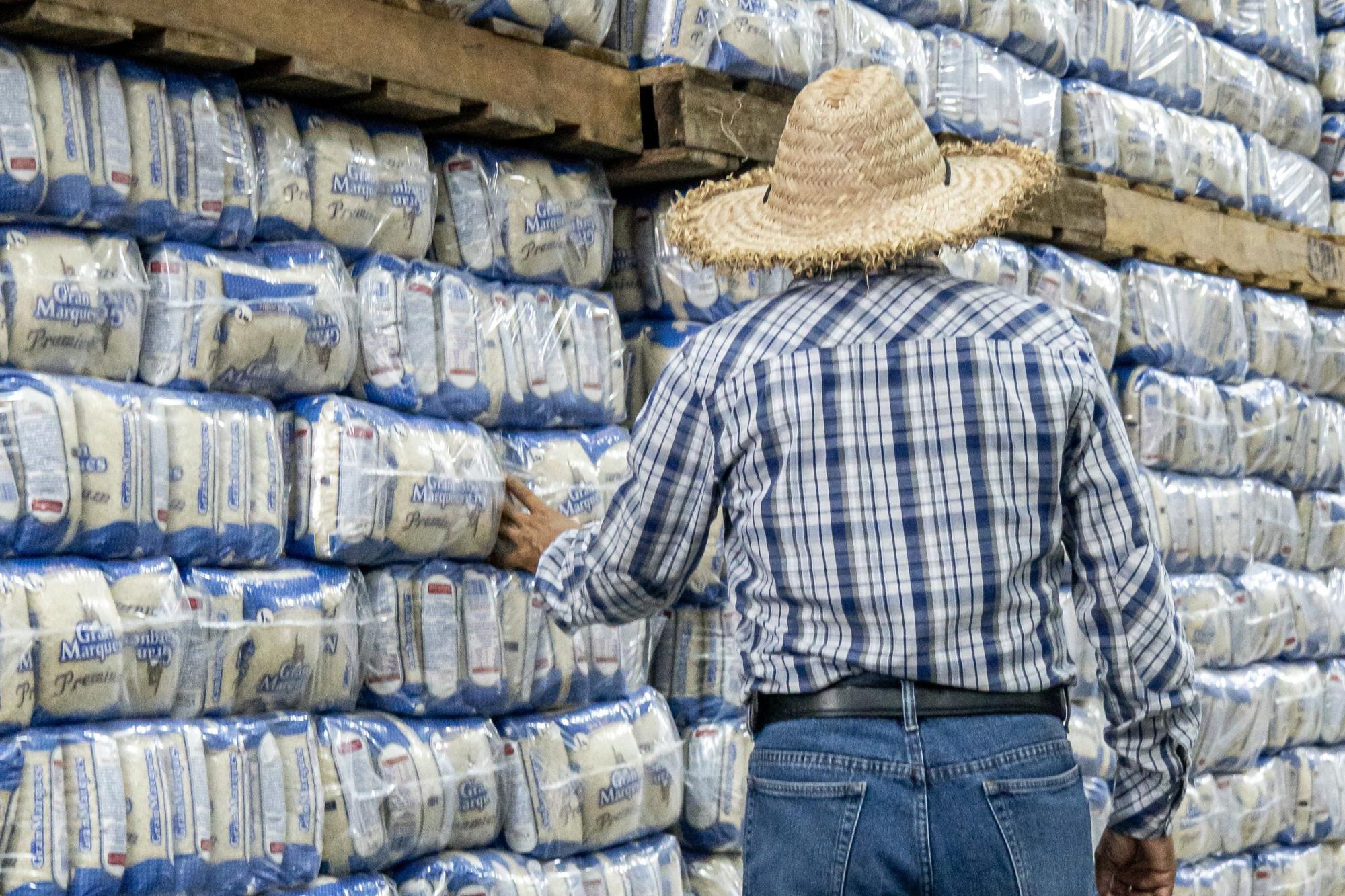
Gran Marqués is vertically integrated, controlling production from seed to supermarket. Diego explained the process handled on-site:
- Seed Preparation: Seeds are conditioned, dried to 12% humidity, and stored in cold chambers until planting.
- Planting: Farmers plant two crops per year (winter and summer).
- Harvesting & Drying: After being harvested, rice is dried within 24 hours to 12% humidity and stored in silos for 3 weeks to 6 months to improve quality.
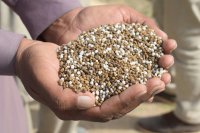
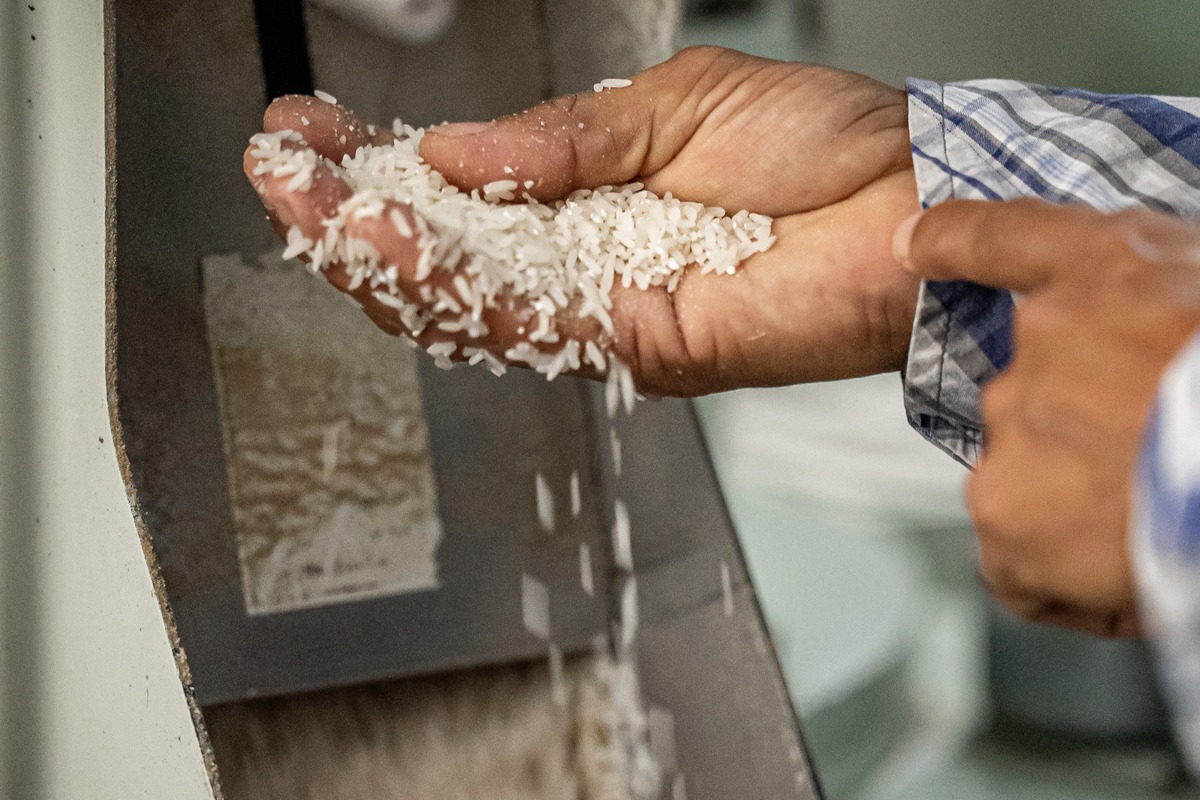
- Processing: Paddy rice is hulled to remove the husk and polished to remove bran. Optical sorters detect defective grains to ensure only top-quality grains reach consumers.
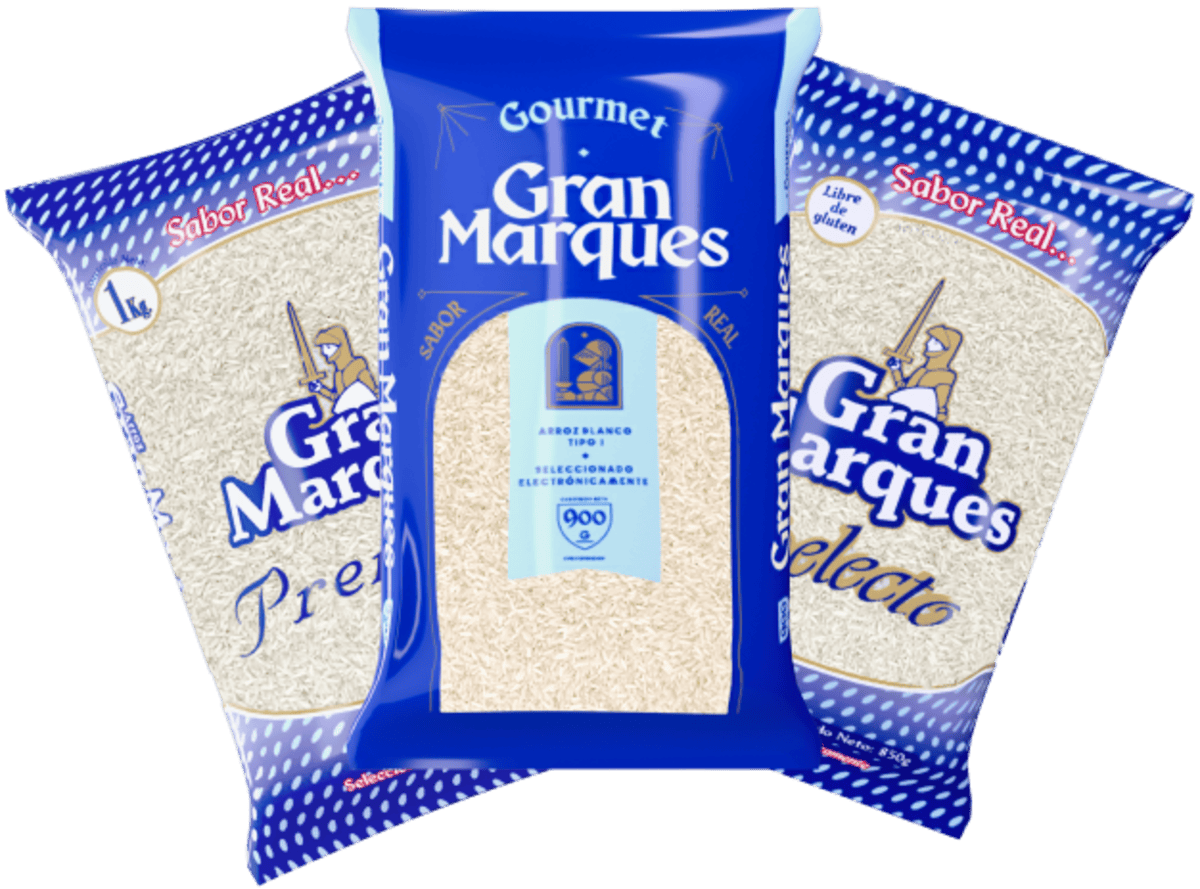
Gran Marqués offers three product lines: premium, gourmet, and Don Julián (up to 20% broken grains).
Crisis and Challenges
Gran Marqués has endured Venezuela's most challenging economic crises. Price controls on essentials like rice often meant selling prices didn’t cover production costs. Meanwhile, hyperinflation and the rapid devaluation of the bolívar made running the business increasingly difficult, as input costs soared and revenues fell sharply. To preserve value, Gran Marqués frequently invests in tangible assets such as rice and machinery. During periods of food scarcity in the late 2010s, even theft became a serious concern.
In the early 2020s, bank financing disappeared, leaving farmers without credit. Planting one hectare costs roughly USD 2,000, making farming effectively impossible. "Without support, farmers go bankrupt," said Diego.
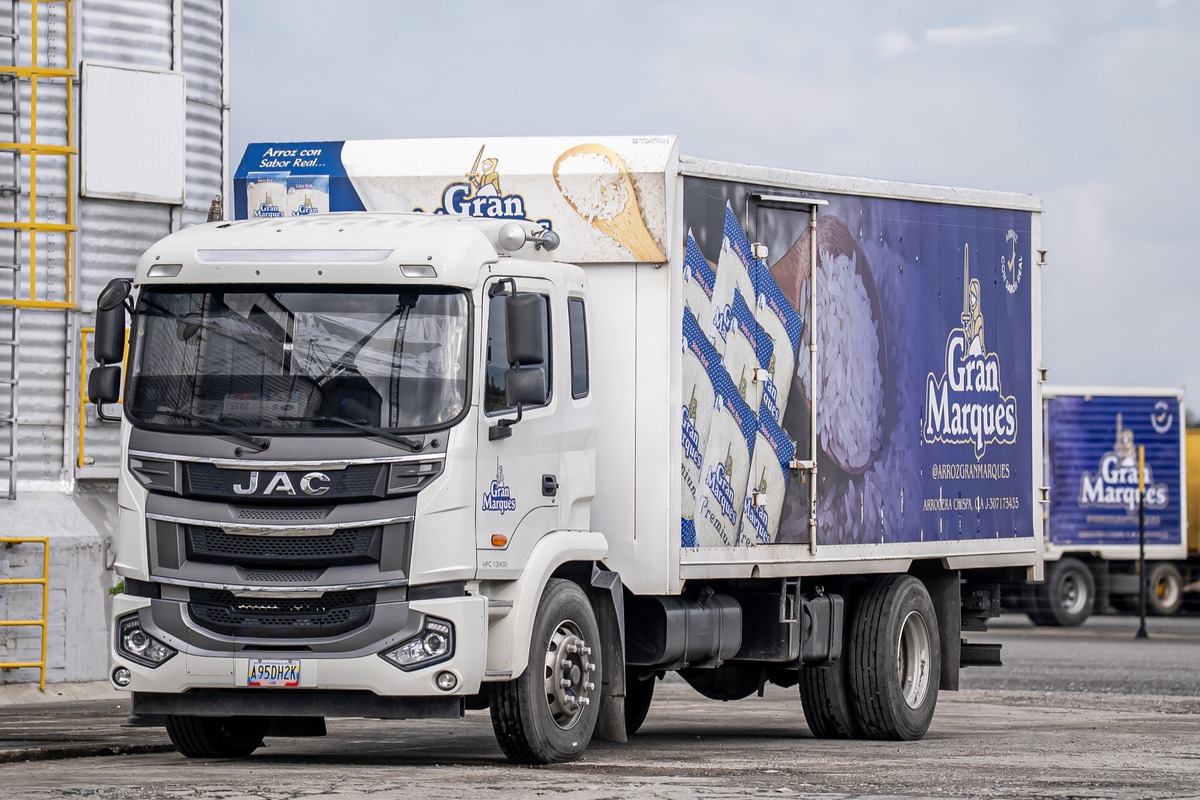
To address this, Gran Marqués created Agroinsumos Chispa, which supplies seeds, fertilizers, and machinery to farmers in exchange for rice, which Diego calls “a bank for farmers.” Farmers also receive free technical support and cash advances. This initiative is Venezuela's second-largest rice financing program, covering 12,000 hectares (~29,700 acres) last year — 95% of Gran Marqués' annual supply.
During the pandemic, production dropped from 150,000 packs per month to 60,000, yet the company remained operational, choosing to safeguard employees and market presence regardless of the challenges.
Weather is another challenge, as rice cultivation is highly sensitive to rainfall. Successful planting requires careful water management during narrow windows—enough moisture for growth but not so much that seedlings drown. “Last year, 1,200 hectares (~2965 acres) couldn't be planted because it rained every single day. Rice doesn't grow underwater,” said Diego.
Current Production and Growth
Gran Marqués produces about 50 million kilograms (~55,100 US tons) of rice annually, with monthly production between 120,000 and 140,000 packages. Their goal is to produce 200,000 packages monthly next year. They have between 250 and 300 employees.
"We just keep growing," said Diego. The company has expanded from the original 1,000 kg/hour (~2,205 lbs/hour) dehusking machine to seven, each capable of 5,000 kg/hour (~11,023 lbs/hour).
"The people are what have pushed this company forward, more than anything,” said Diego. Many employees have decades of service, some predating the brand itself: "The woman who handles payments has been with us since my grandfather's time. She's now 82 years old.” Employee turnover is less than 0.5% annually.
While rice remains Gran Marqués' core business, the company is expanding into coffee production, with new coffee lines under construction. Investment in rice remains the priority due to strong domestic demand.
The Importance of Rice in Venezuelan Life
Rice is a staple carbohydrate in Venezuelan cuisine, alongside precooked corn flour and pasta. Venezuelans consume 22 kilograms (~48.5 lbs) per person per year, compared to just 5–7 kilograms (~11–15 lbs) in the EU.
"Here you win with consistency in quality and secondly, with always being present in the market," said Diego. Gran Marqués' year-round supply is crucial. Smaller producers often run out mid-year, leaving supermarket shelves empty for months.
A Message to Entrepreneurs
When asked what message he would give to agricultural entrepreneurs worldwide, Diego said:
"Believe that things will work out. We tend to focus on what could go wrong or feel we can't get involved in something unfamiliar. You must have faith that things can work out, and remember that successful companies exist for a reason. The key is for people to keep chasing their dreams and to work wholeheartedly, with conviction in what they believe in."
Contact:
Diego Mantovani, Director of Operations
+58 424-5136313