



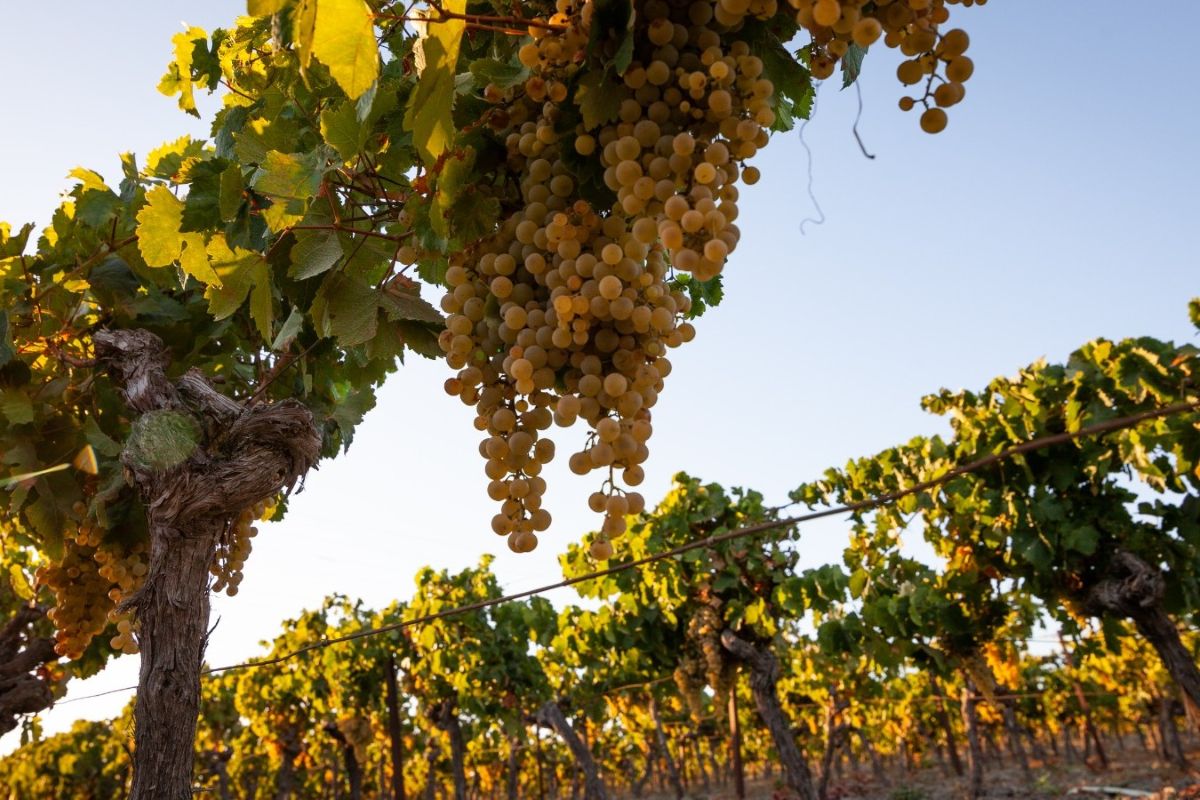
In the sun-soaked vineyards of Jerez de la Frontera, Spain, Cayetano del Pino & Cía. has been shaping the region's winemaking heritage for over 135 years. Founded in 1886 by 23-year-old Cayetano del Pino Vázquez from La Carlota, Córdoba, the winery grew from a modest cellar into a testament to what ingenuity and perseverance can achieve in agriculture. Today, the winery manages 35 hectares (~86 acres) of Palomino Fino vineyards.
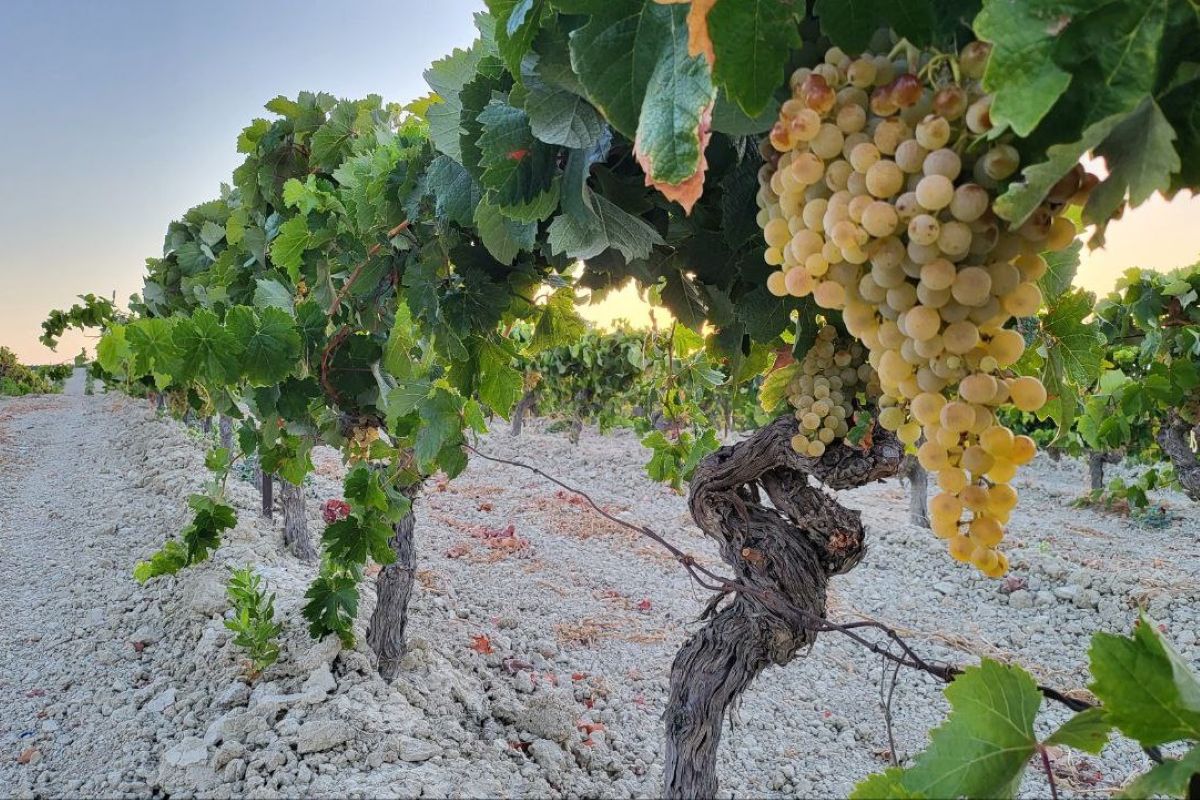
"At a farming or agricultural level, the Jerez region has a millennia-old history. We have a land, the Albariza soil, which is millions of years old and comes from the Oligocene period, when this whole area of the Guadalquivir Valley was part of the Atlantic Ocean. That land is clay-rich, with a lot of calcium carbonate, and above all, very low in nutrients, which is capable of nourishing the vines: Palomino, Pedro Ximénez, and Moscatel, the three grape varieties of this area," said David Puerto, Marketing and Communications Manager at Cayetano del Pino.
Vision and Innovation in the 19th Century
Cayetano del Pino Vázquez studied Business before entering the wine industry. Early on, he demonstrated a knack for innovation, working for a local wine brand and developing ideas that would later shape his own winery.
Long before the Denomination of Origin of Jerez was established in 1935, Cayetano del Pino Vázquez was already thinking about quality control and brand protection.
"He was a great inventor and created a series of patents to protect the wines, back when there was no organization to defend the Jerez brand," said Puerto.
He also invented a method to prevent wine bottles from being refilled, ensuring that every bottle reaching the market contained authentic, untampered wine. In an era when unscrupulous practices could easily damage a winery's reputation, this innovation safeguarded both the product and the family legacy.
Teaming up with a friend, Manuel de la Calzada, the son of a prominent banker, Cayetano del Pino Vázquez opened Cayetano del Pino & Cía. on November 19, 1886, in a small cellar in central Jerez. From these humble beginnings, they nurtured a vision of creating wines that reflected both the land and time, pioneering production and storage systems that allowed their wines to age gracefully for decades.
By 1890, the partners had expanded to a larger estate in one of Jerez's most prosperous areas. The new facilities included 11 buildings, their own cooperage, a labeling workshop, and multiple production warehouses. By the late 19th century, the brand was exporting internationally with offices in Madrid and Paris.
Transitions and Change
After Cayetano del Pino Vázquez’s death in 1918, his son Cayetano del Pino Balbontín carried on the work. When Balbontín died, his own children were too young to lead, so his brother Enrique took charge.
"It became a storage winery. All branded bottles disappeared from the market, and we sold large quantities of wine to other wineries. Economically, it remained viable, but from a marketing perspective, the Cayetano del Pino brand was absent," said Puerto.
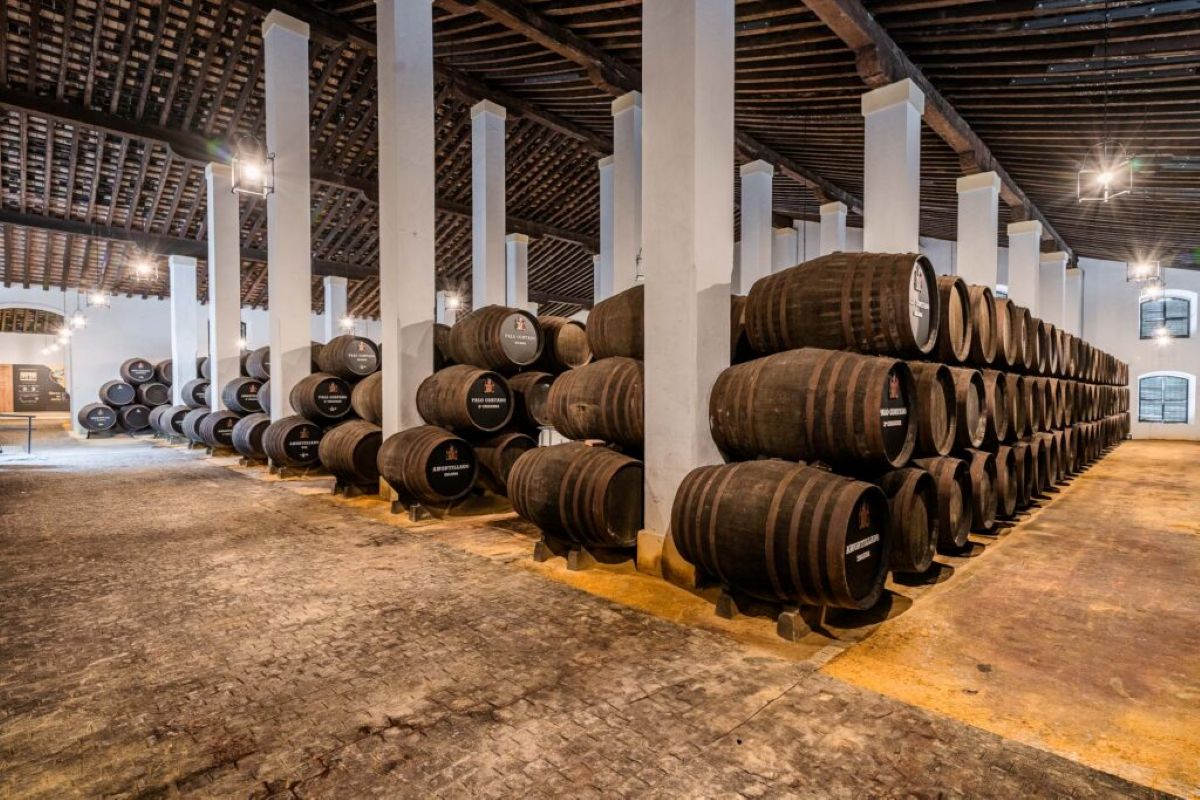
Between 1935 and 2000, Cayetano del Pino operated quietly as an almacenista (warehouse keeper), maintaining the solera system—a traditional aging and blending method used to create consistent style and quality. Over these decades, their wines matured slowly and undisturbed, gaining remarkable depth and complexity. The company changed locations several times before finally settling in its current home at Plaza Silos in 1983.
A Modern Revival
In 2014–2015, the fourth generation of the family resumed bottling, starting with the house's signature styles: Amontillado and Palo Cortado.
In 2022, ownership passed to Jerez entrepreneur Fulgencio Meseguer and Grupo Mezcal, providing new investment and a strengthened brand identity. The company then launched new sherries, including Fino and Cream, and created a visitor center to share the magic of sherry-making with the world.
Vineyards, Harvest, and Production
The winery farms 38 hectares (~94 acres) at the historic Pago de Corchuelo, 35 (~86 acres) of which are planted with Palomino Fino. It also purchases two- to four-year-old wines to enrich the solera.
The 2025 grape season brought significant challenges: "The harvest this year was very complicated. The entire Jerez region suffered from mildew, which eats the plants and prevents optimal growth. Mid-harvest, a heatwave destroyed a large portion of the crop, so we harvested 40% less than last year," said Puerto.
Cayetano del Pino produces just under 100,000 bottles annually, with about 1,000 bottles of each core style and 300 bottles of their rarest old reserves (the VORS Amontillado and Palo Cortado). Around 20 employees keep operations running.
Innovation Meets Tradition
Cayetano del Pino continues to use the solera and criadera system, a centuries-old method that blends younger wines into older barrels over time.
"The new wine enters the youngest criadera, called 'sobretablas,' and gradually moves through the solera. This allows our Amontillado and Palo Cortado to achieve long-term, complex aging, averaging 18 years," explained Puerto.
The winery also produces Fino (eight years of ageing) and Cream, a Palo Cortado blend with less than 20% Pedro Ximénez, exemplifying how innovation can coexist with tradition.
Sharing the Art of Sherry-Making with the World
Long devoted to cultivating its vineyards and turning grapes into sherry, the bodega had always been focused on perfecting its craft rather than engaging the public. Opening up to visitors was a major shift, especially given that many people outside Jerez may not fully understand what sherry is.
"Our biggest challenge so far was opening the visitor center, because the bodega had never had one," said Puerto.
Guided tours are offered in Spanish, English, German, French, and Italian. They explore the region's geography, climate, grape varieties, and the sherry-making process, with historical exhibits, a timeline of Jerez's sherry trade, and a display of 50 original labels. Naturally, the experience concludes with a sherry tasting.
Roughly 60% of visitors are local, 35% are from elsewhere in Spain, and only 5% are international.
Lessons for Farmers Worldwide
Cayetano del Pino's story offers timeless lessons in agriculture:
- Respect the land: Jerez's Albariza soil is delicate but capable of producing extraordinary grapes under careful stewardship.
- Patience is key: Decades of solera aging reward those willing to nurture their craft over time.
- Innovation sustains tradition: From Cayetano's 19th-century patents to today's visitor experiences, creativity preserves heritage.
"When you understand the uniqueness of these wines and the land that nurtures them, you fall in love with the process for life," said Puerto.
Contact:
David Puerto, Marketing and Communications Manager
+34 675 18 01 21