


Weekly highlights at a glance (30 June - 6 July 2025)
Food safety concerns surged across Europe in the first week of July 2025, with 97 alerts reported in the EU’s Rapid Alert System for Food and Feed (RASFF). Nearly half (47.4%) were categorized as serious, posing immediate health risks to consumers. Fresh produce was among the most affected sectors, a trend that raises red flags for farmers, exporters, and wholesale buyers alike.
The big picture: Fresh produce at risk
July 4th marked the week’s peak, with 26 alerts recorded in a single day — a clear sign that the food safety landscape remains volatile. In total, 31 alerts were related to fruits, vegetables, herbs, and cereals, confirming once again that fresh produce continues to carry a high contamination risk across global supply chains.
Microbiological threats such as Salmonella and Listeria, alongside pesticide residues and mycotoxins, dominated the alert profiles. Countries like Egypt, Spain, and Turkey were flagged multiple times as the origin of contaminated produce.
But beyond the numbers lies a deeper question: What can the industry do about it?

Graph 1: Top 5 Product Categories with the Most RASFF Alerts (Week 27)
Critical recalls: what got pulled from the shelves?
Several high-profile recalls during the week should serve as case studies for both producers and importers:
- Egyptian strawberries tested positive for oxamyl, a toxic carbamate insecticide
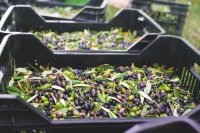
- Turkish olives were contaminated with Listeria monocytogenes
- South African apples contained excessive levels of imazalil, a fungicide
- Bayberries from China showed residues of five different pesticides, including prochloraz and cypermethrin
Detailled fruit and vegetable recalls in Europe
The following comprehensive list details all fresh produce recalls during Week 27, 2025:
Fruits
- Apples (South Africa): imazalil
- Bananas (Ecuador): imazalil
- Bayberry (China): 4-CPA, cypermethrin, difenoconazole, prochloraz, pyriproxyfen
- Coconuts (Spain): Safety concern
- Lemons (Egypt): chlorpyrifos
- Lemons (Spain): propyzamide
- Lime (Brazil): chlorpyriphos-ethyl
- Limes (Brazil): chlorpyrifos
- Pomegranates (Türkiye): imazalil, prochloraz
- Raisins (Uzbekistan): ochratoxin A
- Strawberries (Egypt): oxamyl
Vegetables
- Dill (Uzbekistan): chlorpyrifos
- Olives (Spain): Discoloration
- Olives (Türkiye): Listeria monocytogenes
- Paprika (China): methanol
- Peppers (Albania): flonicamid
- Peppers (Albania): formetanate, pirimiphos-methyl
- Peppers (Türkiye): formetanate
Herbs and Spices
- Cinnamon (India): Missing documentation
- Coriander (Germany): pyrrolizidine alkaloids
- Garlic (China, France): sulphite undeclared
- Ginger (China, Germany): Salmonella
- Paprika/Pepper (China): Salmonella
- Paprika/Pepper (China): glufosinate
Cereals
- Rice (Pakistan): Aflatoxin B1
What farmers need to know about the recalls
The data reveals not only what’s going wrong, but where. From banned pesticides like chlorpyrifos to recurring microbial issues in herbs and leafy greens, contamination is often traced back to on-farm practices or poor post-harvest handling.
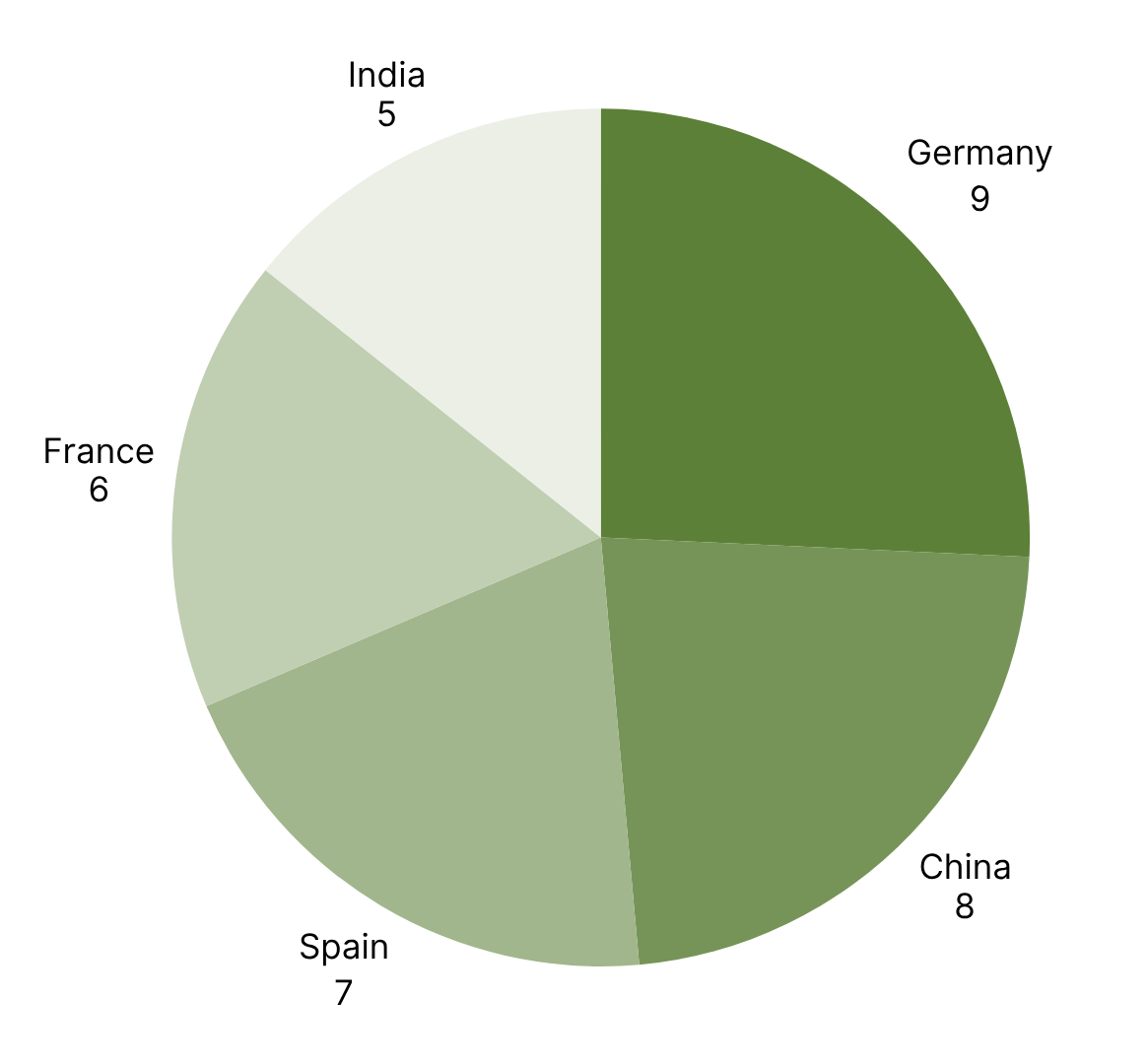
Graph 2: Top 5 Countries with the Most RASFF Alerts (Week 27)
Contamination patterns revealed three primary categories of concern:
- Microbiological contamination: 25 cases, primarily Salmonella and Listeria
- Pesticide/chemical residues: 20 cases, including unauthorized substances
- Mycotoxins: 15 cases, particularly aflatoxins and ochratoxins
For farmers, this highlights the urgent need to:
- Adapt pest management plans to comply with Maximum Residue Limits (MRLs)
- Invest in water testing and hygiene training for the field and packing staff
- Improve harvest-to-market cold chain systems, especially for perishable produce
- Prevent fungal growth through better field drainage and storage control
For buyers and importers: Risk doesn't end at customs
Buyers and wholesalers should be on high alert, especially those sourcing from high-risk origins. Based on Week 27 alerts, countries like Germany, China, and India also showed repeated failures, often due to processing or control system lapses.
Key takeaways for buyers:
- Reinforce supplier audits and demand third-party food safety certification
- Increase spot testing for shipments from flagged regions
- Monitor RASFF alerts regularly to detect early patterns and seasonal risks
- Invest in traceability tools to ensure rapid recall when needed
Some buyers are now turning to blockchain-based traceabilityWhat is food traceability and how does it work?and predictive analytics to gain more visibility and anticipate issues before they hit the market.
What the industry needs
- Farmer education and compliance tools that go beyond labels to include training on residue limits and safe storage
- Integrated digital systems linking farm-level practices to customs and retail checkpoints
- Early warning networks that combine RASFF data with weather patterns and trade volumes to predict spikes in contamination risks
The future of food safety in fresh produce depends on shared responsibility, from farm to fork. By understanding the signals in weekly alerts like these, stakeholders can act early, protect consumer health, and maintain trust in global produce markets.