
Organic olive oil is defined as olive oil produced from olives grown under certified organic agricultural systems that prohibit synthetic chemicals and require mechanical extraction methods. Instead, growers rely on natural inputs and mechanical cold extraction to preserve both nutritional quality and ecological integrity.
In recent years, organic olive oil has gained popularity as consumers shift toward cleaner labels, traceable food systems, and sustainably produced fats. According to the International Olive Council (IOC), global olive oil consumption has steadily increased in premium categories, with organic products among the fastest-growing segments in export markets.
While its nutritional composition is similar to that of conventional olive oil, organic production is defined primarily by farming practices: in how olives are grown, processed, and certified.
What makes olive oil organic?
For olive oil to be labelled “organic,” it must comply with strict certification standards established by regulatory bodies, such as the European Union Organic Regulation and the USDA National Organic Program.
Organic certification is built around three core principles:
1. Chemical-free cultivation
Organic olive groves do not employ synthetic pesticides, chemical herbicides, artificial fertilizers, genetically modified organisms (GMOs), or synthetic growth regulators.
Instead, farmers rely on biological pest control methods, such as beneficial insects and natural plant-based treatments.
2. Soil fertility and ecosystem management
Soil health must be maintained through compost and animal manure, cover cropping, crop rotation in mixed farming systems, and reduced soil disturbance techniques, all of which improve soil structure, microbial activity, and long-term productivity.
3. Certified processing and traceability
Organic olive oil must be processed in certified facilities that ensure full traceability from grove to bottle, no cross-contamination with non-organic oils, strict hygiene and quality controls.
Organic olive oil grades
Organic olive oil can be produced in different quality categories, just like conventional olive oil:
● Organic extra virgin olive oil (EVOO): Cold-pressed, acidity below 0.8%, highest quality and nutrient retention
● Organic virgin olive oil: Mechanically extracted, slightly higher acidity, still unrefined
● Organic lampante olive oil: Virgin olive oil with free acidity above 2% and/or significant sensory defects, unsuitable for direct human consumption.
● Organic olive oil blends: Mixtures of refined and virgin oils, resulting in a milder flavour profile and lower polyphenol content.
Among these, organic EVOO is considered the premium oil due to its minimal processing and high polyphenol content.
How is organic olive oil produced?
Organic olive oil production follows strict agricultural and processing guidelines.
Organic cultivation
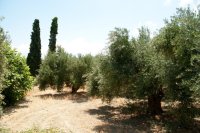
Farmers manage olive groves using environmentally responsible techniques such as compost-based fertilization, biological pest control, mechanical weed management, cover cropping to reduce erosion, and biodiversity enhancement within orchards.
Harvesting methods
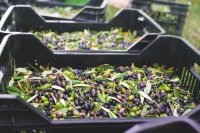
Olives are harvested at optimal ripeness using a combination of hand-picking for premium batches, mechanical shakers, and protective nets to prevent fruit damage.
Cold extraction process
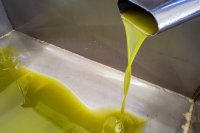
Organic extra virgin olive oil is extracted mechanically at temperatures below 27°C (80.6°F). This method preserves polyphenols, natural antioxidants, vitamin E, and volatile aroma compounds. No chemical solvents are permitted at any stage.
Storage and bottling
To maintain quality, organic olive oil is stored in stainless steel tanks in dark, temperature-controlled, oxygen-limited environments. Exposure to light, heat, and oxygen is minimized to prevent oxidation and rancidity.
Why is demand for organic olive oil growing?
Global demand for organic olive oil continues to rise due to increased health awareness, preference for clean-label foods, sustainability-conscious consumers, Mediterranean diet popularity, and premium culinary market expansion. This creates opportunities for olive producers to access high-value international markets.
What are the health benefits of organic EVOO?
Organic EVOO is widely recognized as a healthy dietary fat with well-documented benefits:
Cardiovascular health: Olive oil consumption has been linked with lower LDL cholesterol oxidation, improved endothelial function, and reduced cardiovascular risk. Its high monounsaturated fat content supports balanced lipid profiles.
Anti-inflammatory effects: EVOO contains oleocanthal, a naturally occurring compound with anti-inflammatory properties that acts similarly to ibuprofen.
Antioxidant protection: Olive oil is rich in polyphenols, vitamin E, and other bioactive plant compounds, which help reduce oxidative stress, a key factor in the development of chronic diseases.
Cognitive health: Long-term dietary patterns rich in olive oil are associated with a reduced risk of neurodegenerative conditions.
What are the environmental benefits of organic olive farming?
Organic olive cultivation contributes to sustainable agriculture and landscape preservation in the following ways:
● Soil regeneration: Organic practices improve soil organic matter, carbon sequestration, and long-term fertility.
● Support biodiversity: Organic olive groves support ecosystems, including pollinating insects, native plant species, birds, and beneficial predators
● Reduced environmental pollution: Organic olive oil does not employ synthetic agrochemicals, which reduces risks to groundwater systems, surrounding ecosystems, and workers
● Climate resilience: Healthier soils and diversified ecosystems improve resistance to droughts, extreme temperatures, and soil degradation
Organic olive oil certification Standards
Major organic certification systems applicable to olive oil include EU Organic Certification (European Commission), USDA Organic Certification (United States Department of Agriculture), and national organic accreditation bodies worldwide.
Certification usually requires a transition period of 2–3 years, detailed farm records, annual inspections, traceability systems, and compliance with processing requirements.
However, it is important to note that many olive farms may already use minimal or no chemical inputs but lack formal certification due to cost and administrative barriers.
How to select good-quality organic olive oil
Consumers should look for several identifiers when obtaining organic olive oil:
● Certification seals: Verify official organic certification logos.
● Harvest date: Fresher oils generally offer better flavour and antioxidant content.
● Dark glass packaging: Protects against light degradation.
● Origin transparency: Single-origin oils often offer better traceability.
● Cold extraction labelling: Indicates quality preservation during processing.
How to use organic olive oil in the kitchen
To maximize the health benefits and flavour of your organic oil when consuming it:
Raw applications
It can be used as finishing oil, drizzled over salads, roasted vegetables, bread, fish and lean proteins.
Cooking applications
Organic extra virgin olive oil has a variable smoke point, typically ranging from 160°C to 200°C depending on quality, free acidity, and filtration. It is suitable for sautéing, baking, and other moderate-heat cooking applications.
How can I tell if olive oil is truly organic?
Look for official certification seals such as the EU Organic logo or USDA Organic label, along with traceable harvest information.
Does organic olive oil expire?
Yes. Most organic oils stay at peak quality for 18 to 24 months from the harvest date. Once opened, it should ideally be consumed within 30 to 60 days for maximum flavour and nutrient density.
What is the best way to store organic olive oil?
To prevent oxidation, store it in a cool, dark place away from heat or direct sunlight. Use dark glass bottles or tin containers to block UV light.
Conclusion
Organic olive oil represents the intersection of high-quality agrifood production and sustainable farming practices. Its value goes beyond nutrition, reflecting agricultural systems that prioritize soil health, biodiversity, and long-term environmental balance.
As global demand for transparent, responsibly produced foods continues to grow, organic extra virgin olive oil has become a model of how premium agricultural products can align with sustainability standards.
For producers, it opens access to higher-value markets and long-term commercial resilience. For consumers, it offers a traceable, minimally processed product rooted in Mediterranean agricultural traditions, produced with a reduced environmental impact.